





Glazed Ceramic Head
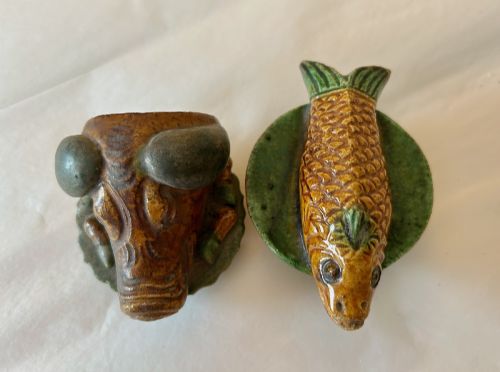
These glazed ceramic head pieces bring expressive form and varied period character to an interior.
Glazed Ceramic Head
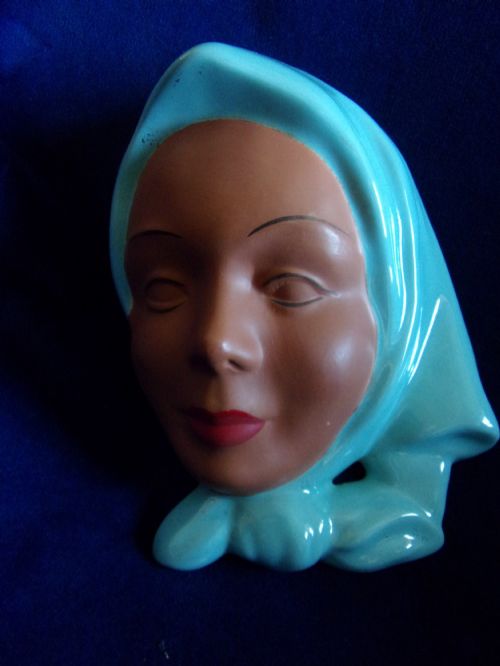
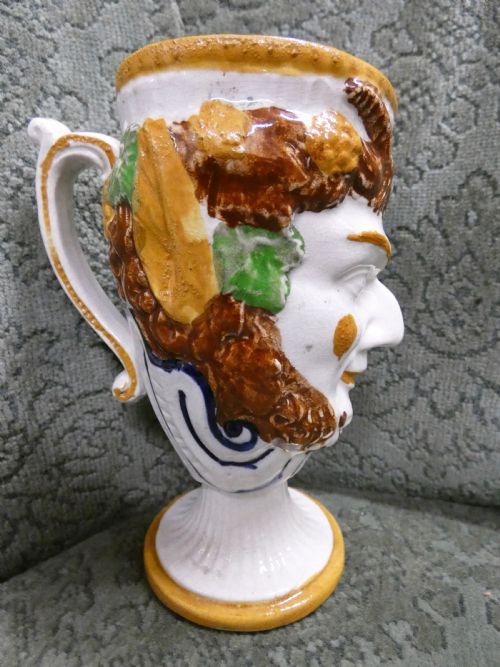
A glazed ceramic head search encompasses sculptural forms ranging from wall masques and character jugs to figural planters and decorative vases.
The pieces appearing on this page stretch across multiple eras, including Georgian items, Victorian works, and Art Deco designs.
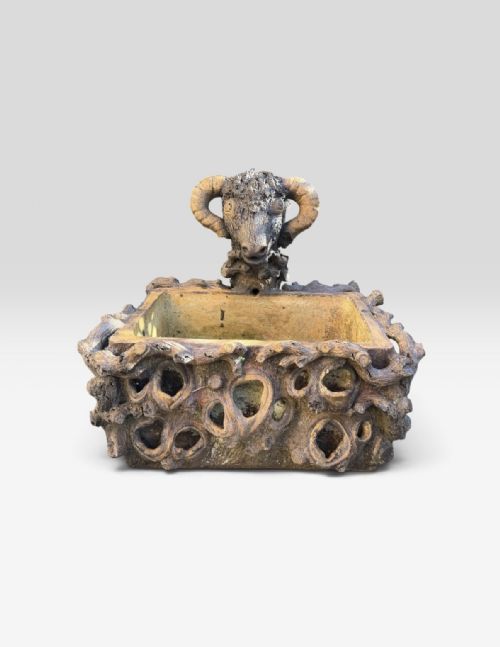
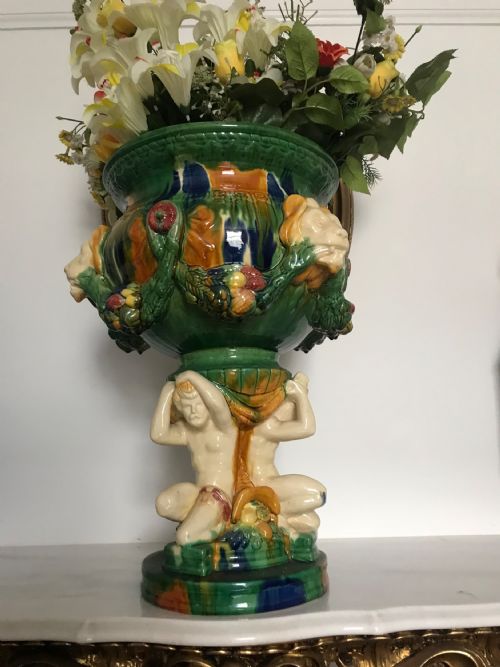
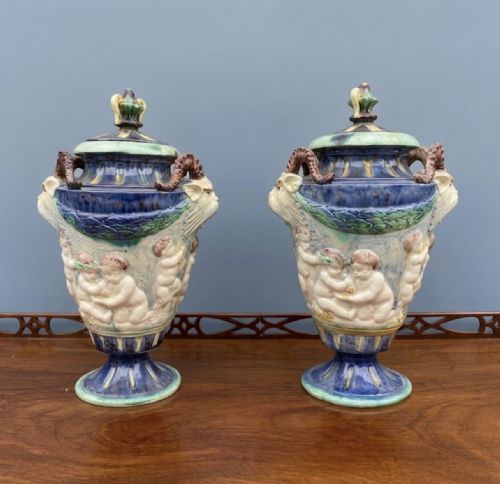
Buyers frequently encounter vessel and bust adaptations, such as salt-glazed troughs, majolica urns, and ceramic figurines displaying distinct facial details.
Materials and construction methods
Makers utilised earthenwares, terracottas, and stonewares as the base bodies for these sculptural and utilitarian items.
Surfaces received specialised treatments such as lead glazes, salt glazes, and coloured majolica coatings, sometimes paired with gilt bronze mounts.
Glazed Ceramic Head Retail Price Guide 2026
Typical asking prices for glazed ceramic head among the pieces listed under this phrase on Sellingantiques today, from the lower quarter to the upper quarter. They describe what is for sale here now, not the wider market.
Lord Kitchener stares out sternly from a ceramic jug, keeping a watchful eye on your mantelpiece.
Judging the standard of execution
Distinction lies in the crispness of the modelling and the depth of the facial expression, separating standard production wares from ambitious sculptural pieces.
The application and preservation of the glaze layer dictate visual success, with even coverage and rich colouration marking superior examples.
Minton·Gmundner·Fasold & Stuach
The Glazed Ceramic Head Glossary
- Majolica
- A type of colourful lead-glazed earthenware popular during the nineteenth century. It produces vibrant hues on relief-moulded surfaces.
- Salt-Glazed Stoneware
- Pottery finished by throwing common salt into the kiln during high-temperature firing. This creates a distinctive orange-peel textured surface.
- Wall Masque
- A decorative ceramic plaque modelled in the form of a human or mythological face intended for wall hanging. These often date to the Art Deco period.
- Toby Jug
- A pottery jug shaped as the figure of a stout, jovial person usually seated and holding a mug of beer. They serve as traditional character pieces.
Glazed Ceramic Head: Frequently Asked Questions
What is a wall masque?
A wall masque is a ceramic relief sculpture designed specifically to be hung on a wall. They often depict stylized human faces from the Art Deco era.
These pieces function purely as decorative art rather than utilitarian vessels. They showcase the era's fascination with bold facial expressions and clean lines.
How are salt-glazed pieces made?
Salt glazing involves throwing common salt into the kiln at the peak firing temperature. The salt vaporizes and reacts with the clay body to form a glassy, durable coating.
This technique creates a characteristic textured surface resembling an orange peel. It was frequently used on utilitarian troughs and stonewares.
What distinguishes majolica ceramics?
Majolica is defined by its colourful opaque lead glazes applied over a white ground or directly onto an earthenware body. The technique allows for rich, saturated tones on modelled surfaces.
Victorian makers utilised this method extensively for large vases, urns, and figural planters. The resulting finish is both glossy and visually striking.
Where should I display a ceramic bust?
Ceramic busts and head vases suit stable surfaces such as sideboards, mantels, or dedicated pedestals where their sculptural qualities can be viewed from multiple angles. Wall masques require secure wall fixings suited to their weight.
Keep them away from areas of heavy foot traffic to prevent accidental knocks. Proper placement highlights the modelling and glaze details.