



Glazed Art Vase
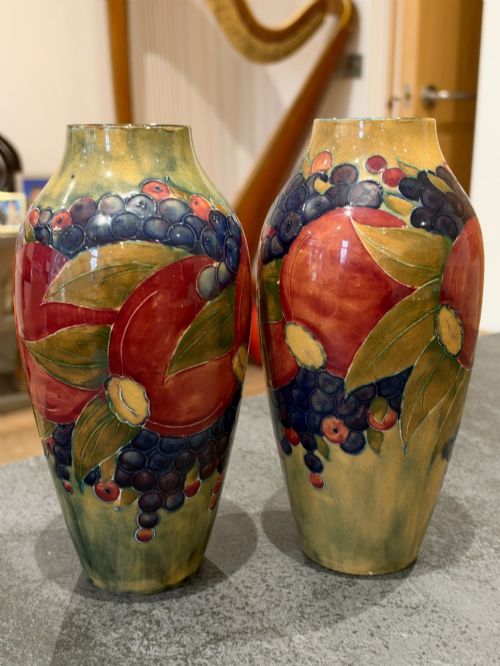
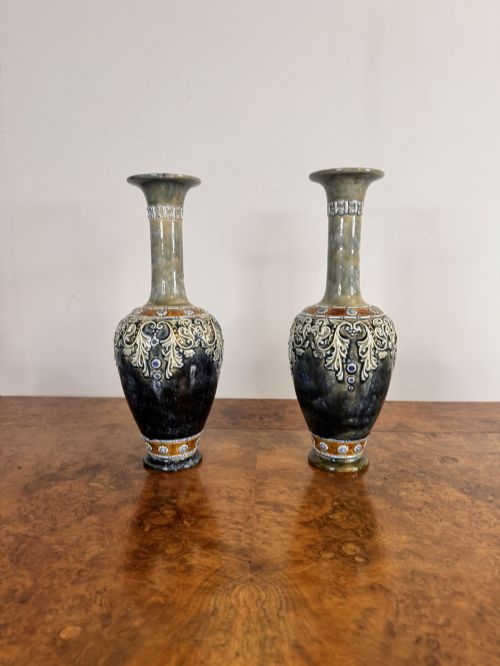
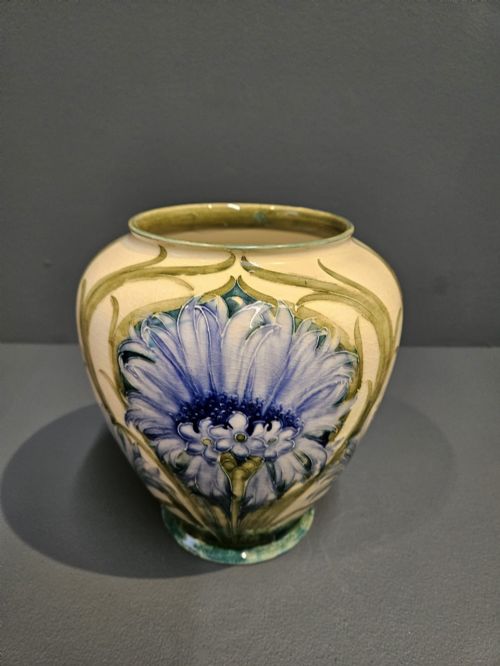
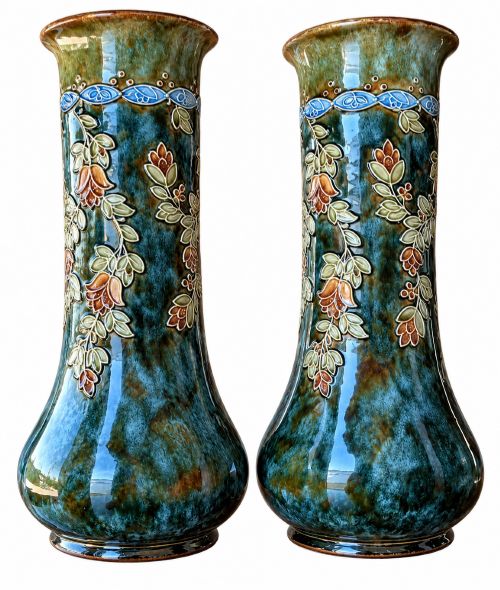
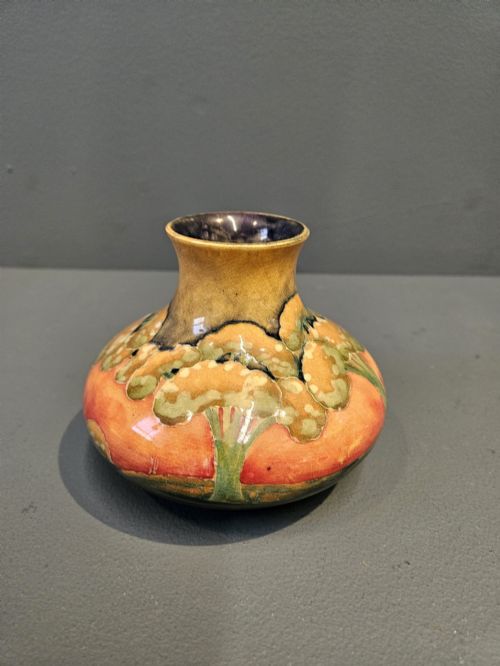
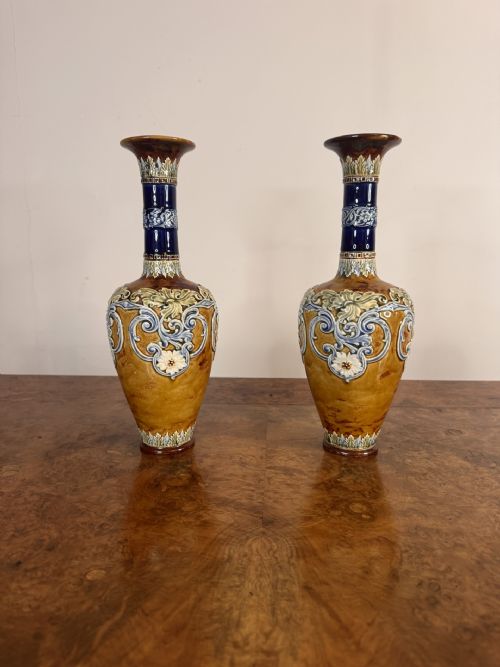
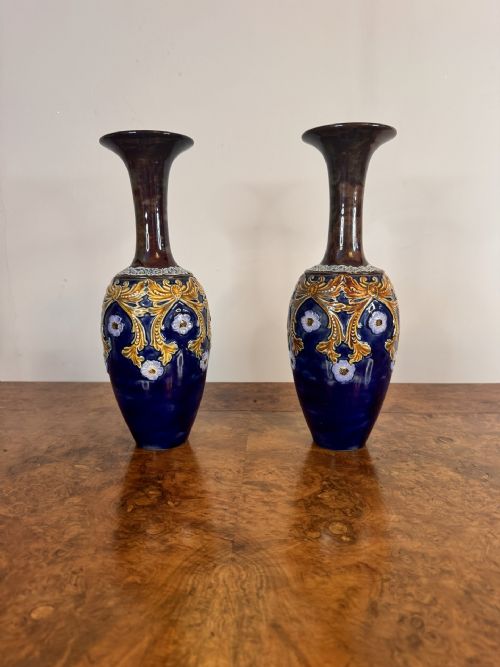
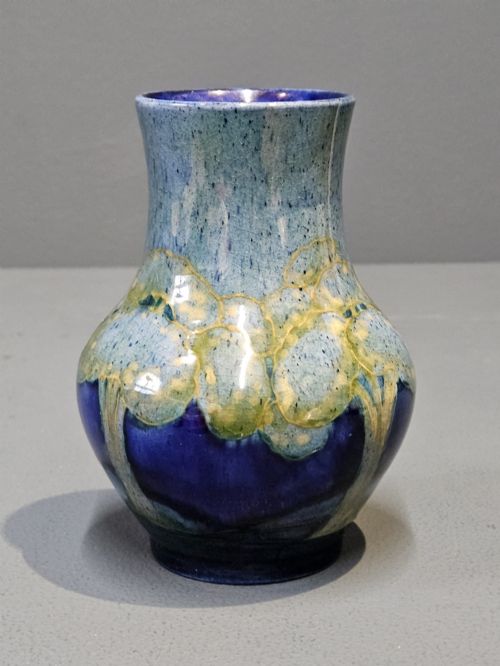
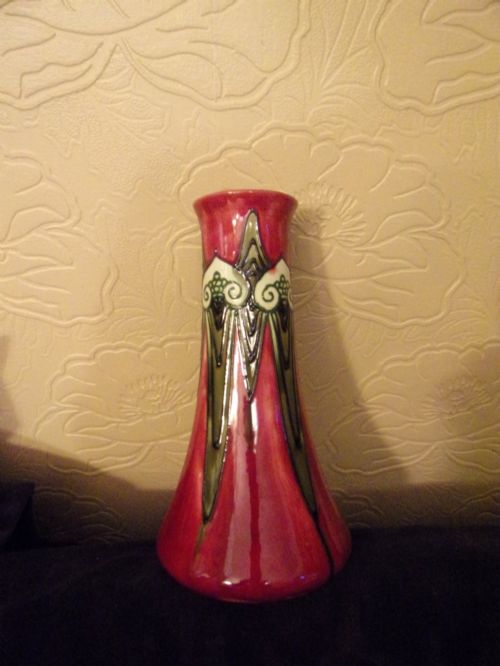
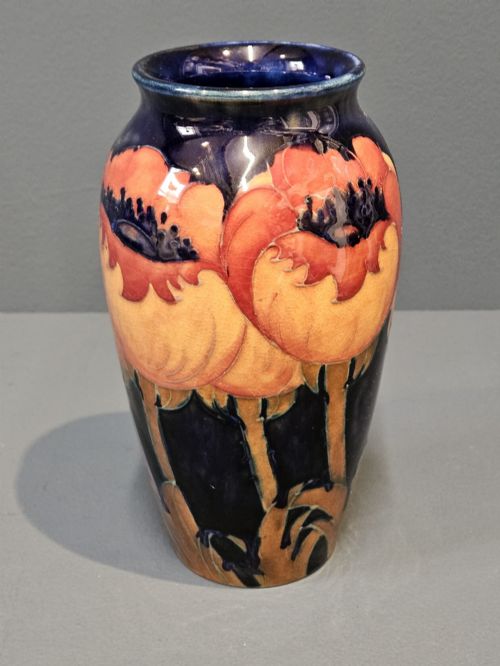
When you search for a glazed art vase, you are looking for a ceramic vessel defined by rich surface decoration spanning the late nineteenth and early twentieth centuries.
Glazed Art Vase
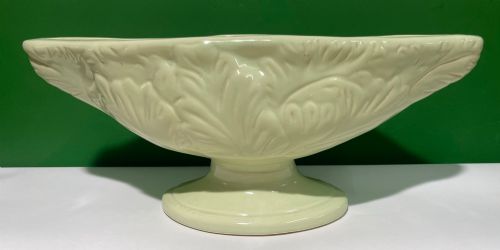
A glazed art vase represents a diverse output of decorative ceramics produced during periods such as the Victorian era, the Edwardian period, and the nineteen-twenties. These pieces take forms ranging from standard vases and decorative jugs to wall pockets and umbrella stands.
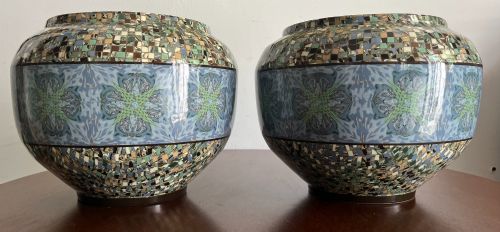
Makers from various regions contributed to this field, spanning English potteries, French ateliers, and Japanese kilns. Buyers encountering these works will find designs rooted in movements like Art Nouveau, Arts and Crafts, and the Aesthetic Movement.
The objects combine functional vessel forms with artistic surface treatment, utilising earthenware, stoneware, and ceramic bodies. Many pieces reflect the experimental glaze techniques developed by prominent designers and potteries of the era.
How They Were Made
Potters shaped these vessels using earthenware and stoneware bodies, often forming them on a wheel or via specialised moulding techniques. The foundational clay body was then prepared to receive various liquid coatings and decorative elements.
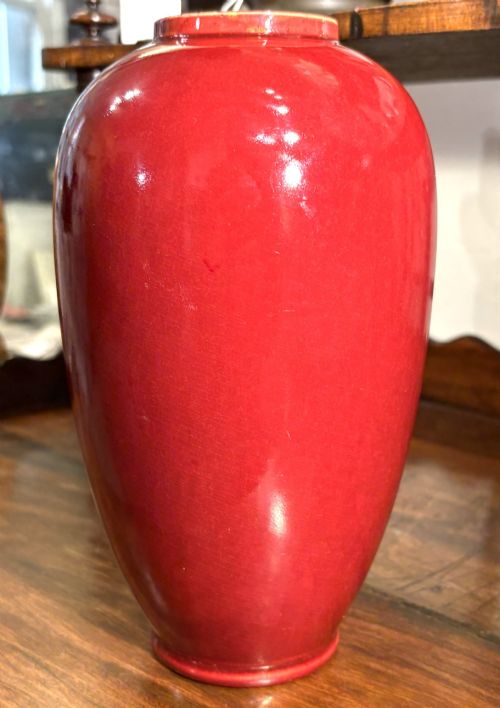
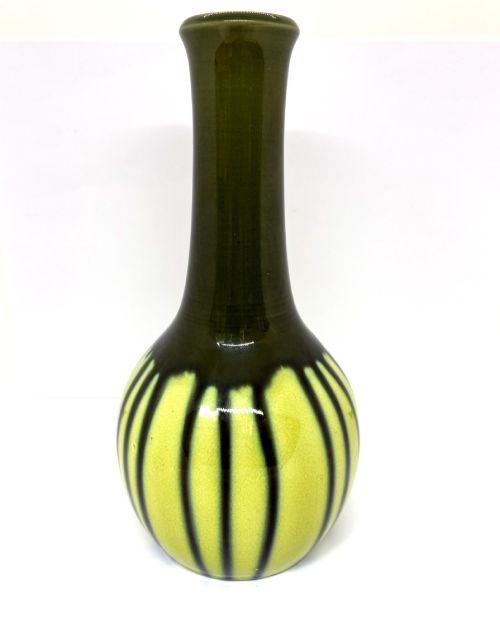
Surface decoration relied heavily on specialised glaze formulations, including flambe effects, lustre finishes, and tube-lined designs. Artists applied colours, enamels, and sometimes gold leaf before firing the pieces in kilns to vitrify the glazes.
Glazed Art Vase Retail Price Guide 2026
Typical asking prices for glazed art vase among the pieces listed under this phrase on Sellingantiques today, from the lower quarter to the upper quarter. They describe what is for sale here now, not the wider market.
Several Japanese Sumida Gawa vases feature small, startled figures seemingly attempting to climb the outside of the vessel.
What Varies In Quality
The distinction between ordinary production and superior work rests on the complexity of the surface treatment and the execution of the glaze. Pieces featuring intricate tube-lining, hand-painted details, or complex flambe chemical reactions demonstrate greater technical skill.
Design execution and the reputation of the studio or individual decorator also influence the standing of a piece. Works associated with known artists and specific artistic movements display a higher degree of sculptural and visual ambition.
Moorcroft·Burmantofts Pottery·Royal Doulton·Minton·Wedgwood·Inoue Ryosai·Bretby Pottery·Doulton Lambeth·Shelley·Boch Freres·Lauder Pottery·Reissner Stellmacher and Kessel·Makuzu Kozan·TG Green
The Glazed Art Vase Glossary
- Stoneware
- A robust ceramic body fired at high temperatures until vitrified and impermeable to liquid. This material forms the durable base for many nineteenth and twentieth-century decorative pieces.
- Earthenware
- A porous pottery body fired at lower temperatures than stoneware. It requires a complete glaze layer to hold water and serves as the canvas for many brightly coloured decorative wares.
- Tube-lined
- A method of applying clay slip through a nozzle to outline a design on the surface of a vessel. This technique creates raised barriers that contain pools of coloured glaze during the firing process.
- Lustre
- A metallic surface finish that produces an iridescent sheen through the application of metallic oxides. It reflects light with a rainbow effect upon the ceramic body.
- Flambe
- A unpredictable glaze effect achieved in reduction firings where metallic oxides merge to create streaked, mottled colours. This technique results in unique surface patterns on Japanese and European ceramics.
Glazed Art Vase: Frequently Asked Questions
What defines an art vase?
An art vase is a ceramic vessel created primarily for aesthetic display rather than purely domestic utility. These objects emphasise artistic expression through decorative glazes, sculptural forms, and stylistic movements.
Produced across the Victorian, Edwardian, and later periods, they reflect the individual creativity of specific potteries and designers. Their primary purpose is visual engagement within an interior setting.
How do I care for my glazed art vase?
Display these ceramics away from direct sunlight to protect enamel and lustre surfaces from fading. Dust them gently with a dry, soft cloth without applying cleaning liquids.
Avoid filling older earthenware bodies with water unless you are certain the interior glaze is completely sound and free from hairline fractures. Protecting them from knocks preserves both the ceramic body and the delicate surface decoration.
How can I tell the period of a piece?
Dating relies on examining the stylistic markers, such as the flowing organic lines of Art Nouveau or the robust forms of the Arts and Crafts movement. Material choices, such as specific stoneware formulations or earthenware bodies, also point toward particular decades.
Maker marks, signatures, and impressed pottery stamps on the base provide the most reliable chronological evidence. Comparing these stamps against known operational dates narrows down the era of manufacture.
What is the difference between earthenware and stoneware?
Earthenware is fired at lower temperatures, leaving the underlying clay body porous and relatively soft. It requires a complete glaze coating to become water-tight.
Stoneware undergoes firing at much higher temperatures, causing the clay to vitrify and become dense, hard, and naturally impermeable. This makes stoneware significantly more durable than earthenware.