


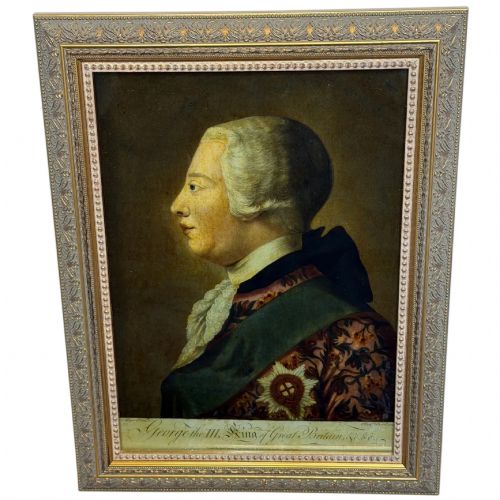


Glass Reverse Mezzotint Art
Glass reverse mezzotint art brings historic portraiture and seasonal allegory direct to the wall through delicate pigment applied beneath the pane.
Glass Reverse Mezzotint Art
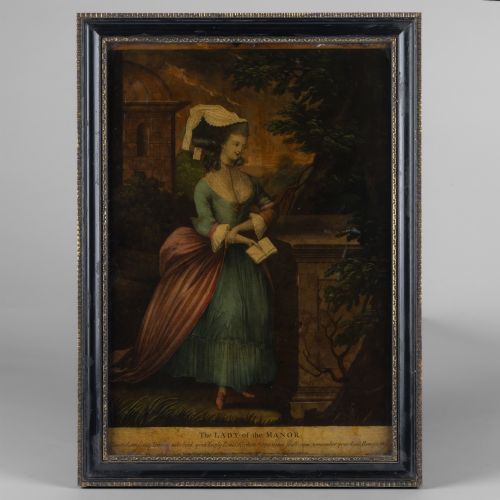
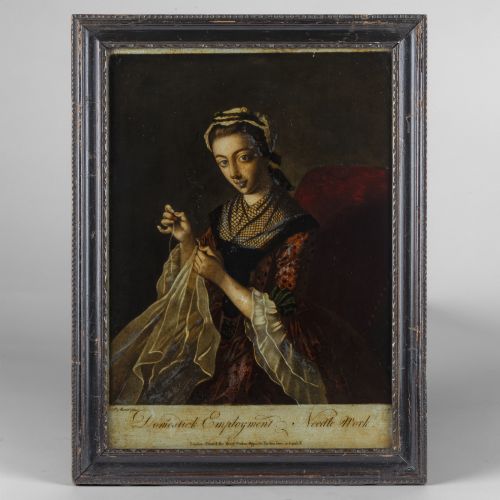
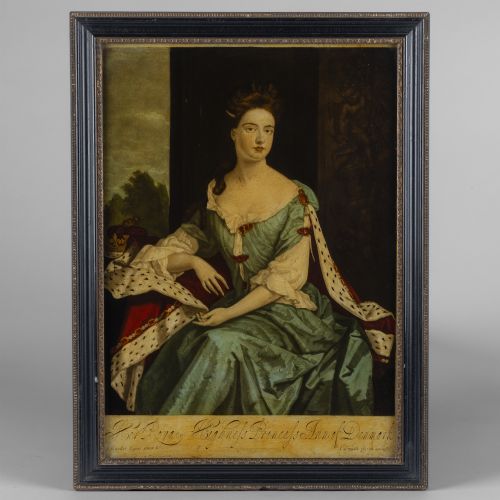
Glass reverse mezzotint art encompasses wall art and reverse glass prints originating across the seventeenth, eighteenth, and nineteenth centuries. These works present formal portraits of royalty and nobility alongside seasonal allegories and domestic scenes.
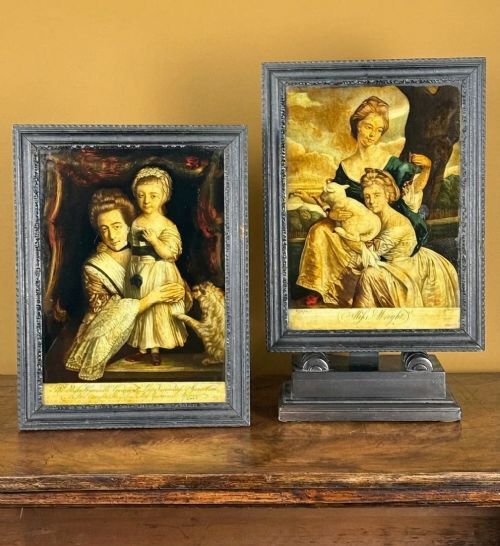
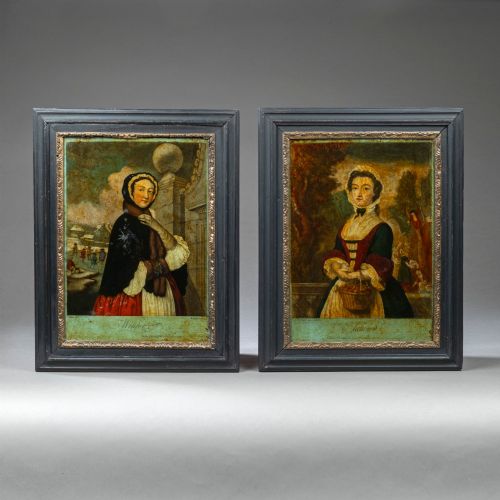
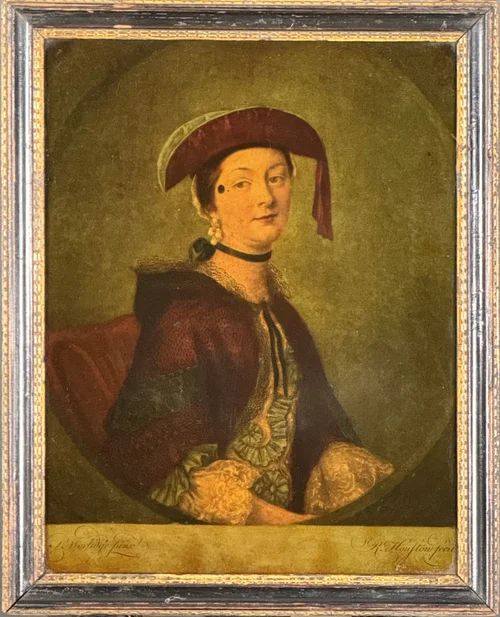
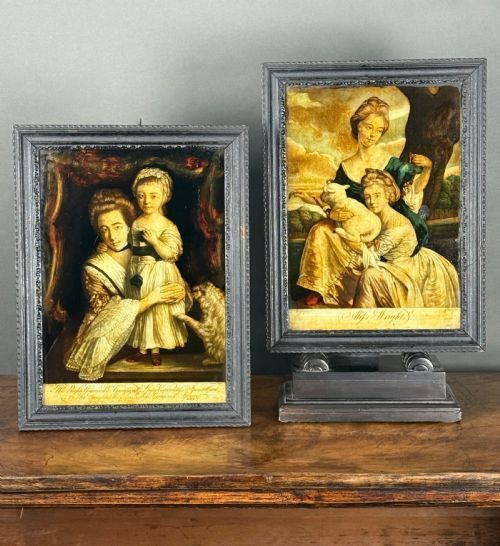
The objects take the form of framed prints and reverse glass paintings executed during the Georgian and Regency periods. Collectors encounter individual portraits, pairs, and sets depicting figures such as King George III, Queen Anne, and various ladies.
Makers and engravers represented in this tradition include Fletcher, Charles Spooner, and Richard Purcell. Their output translates intricate mezzotint plates into luminous under-glass compositions suited to period interiors.
How they were made
Makers produced these works by transferring a mezzotint engraving onto glass, applying oil paint, pigment, and oil pigment directly to the reverse side. Artisans also integrated gold leaf to catch the light behind the transparent pane.
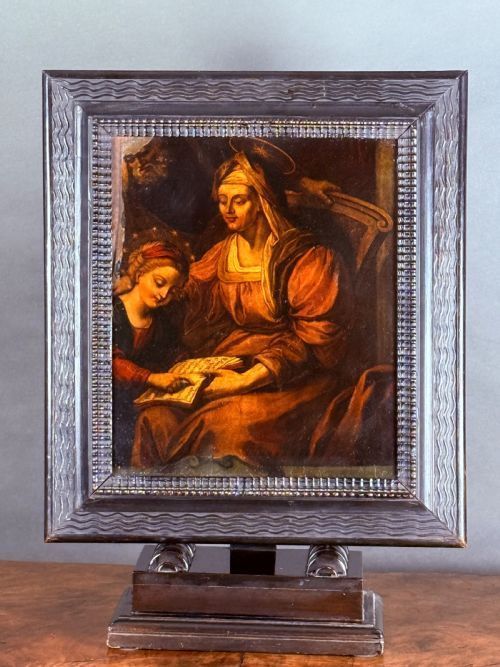
The finished glass plate sat within wood framing designed to protect the fragile painted layer from dust and moisture. This construction method required precise reverse application so that the correct image appeared through the front of the glass.
Glass Reverse Mezzotint Art Retail Price Guide 2026
Typical asking prices for glass reverse mezzotint art among the pieces listed under this phrase on Sellingantiques today, from the lower quarter to the upper quarter. They describe what is for sale here now, not the wider market.
Georgian domestic life appears frozen in glass, allowing buyers to live with stern monarchs and cheerful match boys alike.
What varies in quality
Quality rests upon the delicacy of the pigment application and the preservation of the underlying paper or ink beneath the glass pane. Finer examples retain vibrant oil paint and intact gold leaf without widespread flaking.
The skill of the original engraver and the clarity of the portrait or allegorical subject dictate the visual strength of the piece. Pair and set survival also influences the integrity of the surviving group.
Fletcher·Charles Spooner·Richard Purcell·W Bishop
The Glass Reverse Mezzotint Art Glossary
- Reverse glass painting
- A technique where the artist paints or applies prints to the back of a glass sheet to be viewed from the front. This method protects the pigment from atmospheric damage.
- Mezzotint
- A printmaking process of the intaglio family where the plate is roughened to produce tones of grey and black. It allows for smooth gradations of light and shade in portraits.
- Georgian
- Relating to the period of British history covering the reigns of the first four Georges. It encompasses the dominant aesthetic styles found in these eighteenth-century works.
- Regency
- Pertaining to the period of the British regency and the early nineteenth century. Works from this era often feature distinct seasonal allegories and refined framing.
- Pigment
- A finely ground coloured substance mixed with oil to form the medium applied to the glass. It provides the permanent colour seen through the transparent pane.
Glass Reverse Mezzotint Art: Frequently Asked Questions
What is glass reverse mezzotint art?
Glass reverse mezzotint art involves print transfers and oil paint applied to the back of a glass sheet. These pieces typically portray eighteenth-century figures and allegorical seasonal themes.
The technique creates a distinct glossy finish that protects the delicate pigments underneath from direct physical wear.
How should these framed pieces be hung?
These works require secure wall mounting away from direct sunlight and damp conditions. The glass and wood frames need stable indoor environments to prevent pigment degradation.
Professional fixings suited to the weight of the wood frame ensure safe display in traditional room settings.
How do I identify a Georgian piece?
Georgian examples often depict named sitters, royalty, or allegories like the seasons within simple wood frames. The portrait subjects provide primary clues to the period of origin.
Stylistic conventions of eighteenth-century dress and engraving techniques further confirm the era of production.
Were these works created as sets?
Makers frequently produced these prints in pairs or larger sets representing seasonal progressions such as Spring, Summer, Autumn, and Winter. Surviving groups maintain uniform framing and subject matter.
Finding complete sets remains a notable aspect of collecting this specific category of antique wall art.