



Glass Liquor Decanter Silver
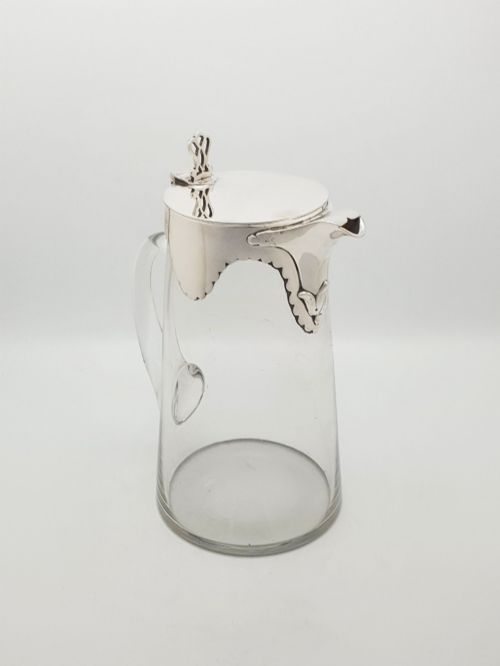
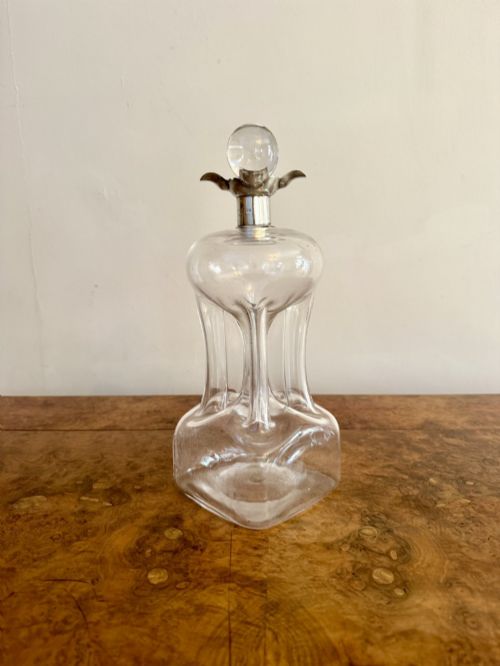
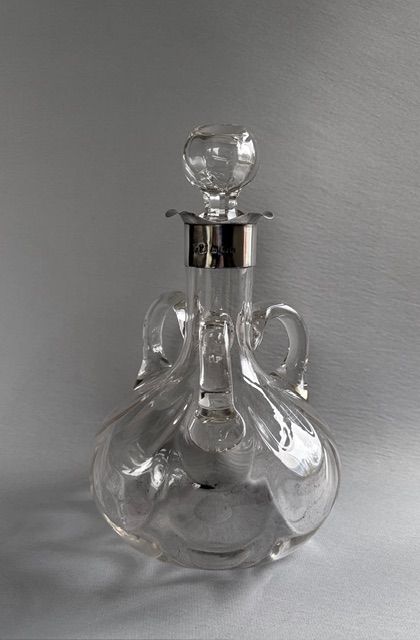
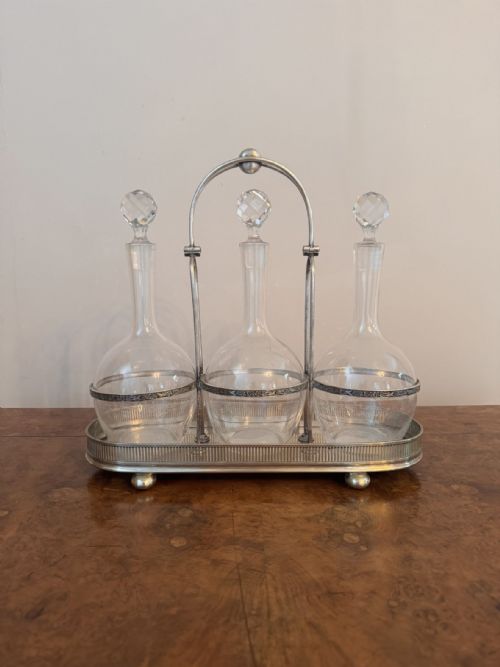
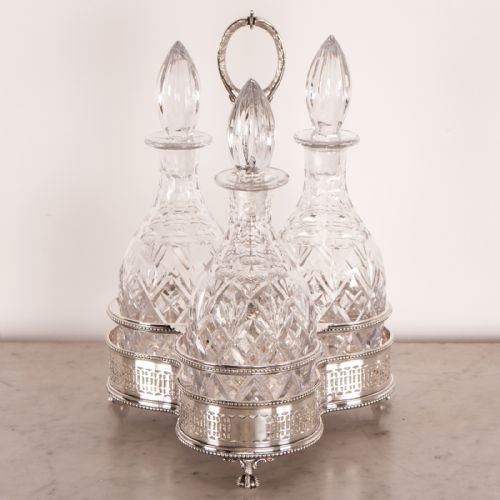
These pieces of glass liquor decanter silver combine cut crystal bodies with sterling silver collars, mounts or fitted tantalus frames.
Glass Liquor Decanter Silver
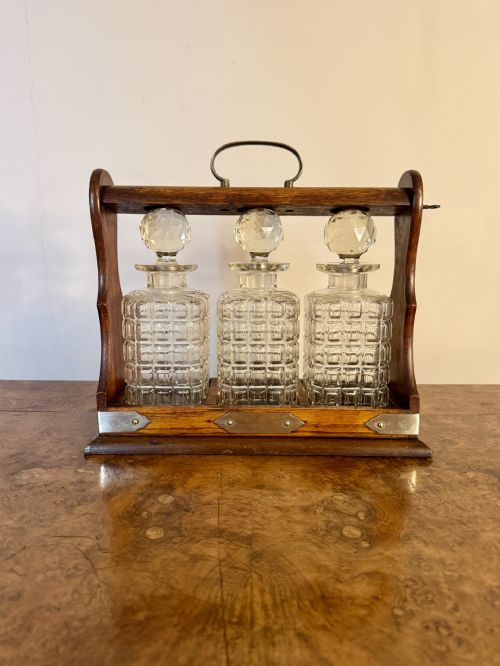
When searching for a glass liquor decanter silver, a buyer finds items spanning the Victorian, Edwardian and Art Deco periods, encompassing everything from single spirit bottles to elaborate three-bottle tantalus sets.
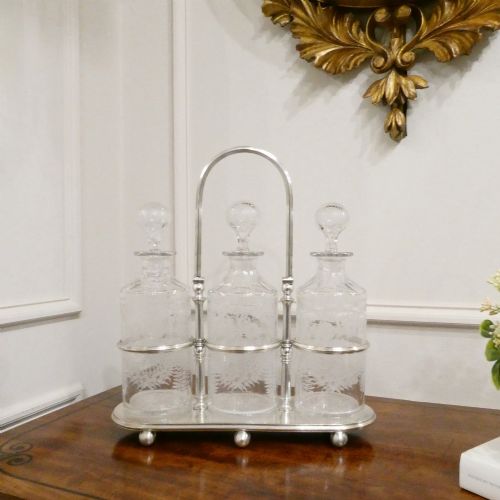
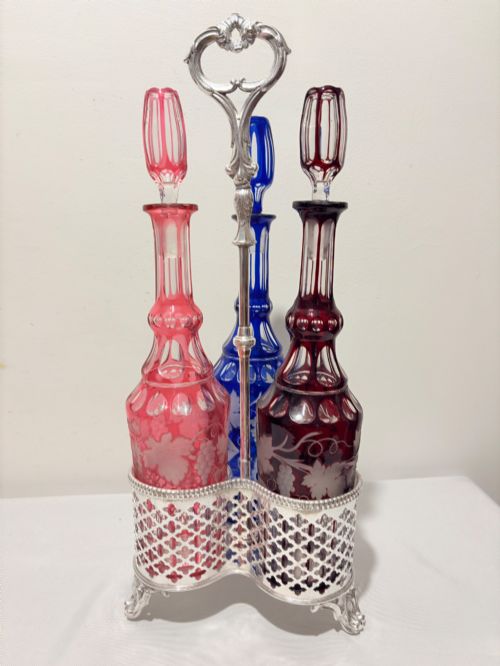
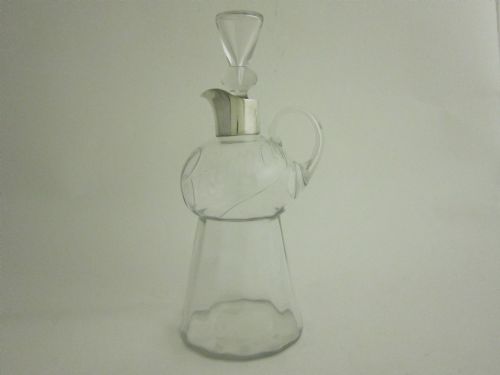
The most common forms on this page include cut glass decanters fitted with silver collars, whiskey noggins with matching labels, and silver-plated stands holding multiple crystal vessels.
Originating largely from English workshops, these pieces range from clear and coloured glass spirit decanters dated to the 1800s up to geometric Art Deco designs from the 1930s.
Materials and methods of construction
Bodies are formed from glass, cut crystal, or frosted crystal, sometimes in ruby or green colours, paired with structural timber frames in oak or coromandel for tantalus sets.
Metal mounts utilise sterling silver, silver plate, Old Sheffield Plate and silver gilt, shaped into collars, stoppers, hinged locking mechanisms and decorative frames.
Glass Liquor Decanter Silver Retail Price Guide 2026
Typical asking prices for glass liquor decanter silver among the pieces listed under this phrase on Sellingantiques today, from the lower quarter to the upper quarter. They describe what is for sale here now, not the wider market.
A locked tantalus safely keeps the good whiskey away from everyone except the person holding the tiny key.
Elements that dictate standard and refinement
The depth and crispness of the glass cutting distinguish standard production bottles from pieces with heavy, brilliant facets and matching original stoppers.
The weight and integrity of the silver mounts, alongside the complexity of the locking mechanism in a tantalus or the presence of maker hallmarks, elevate an item's standing.
Elkington·Lee & Wigfull·Walker & Hall·Betjemann·Hukin & Heath·Freeman & Son Ltd
The Glass Liquor Decanter Silver Glossary
- Tantalus
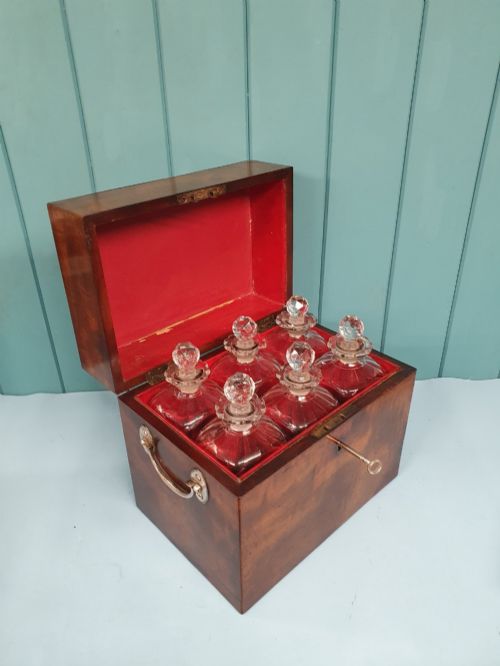
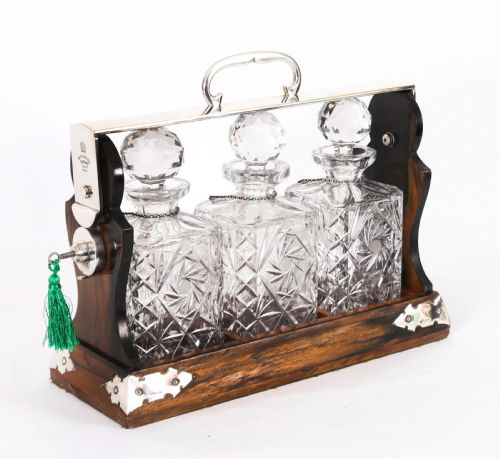
- A locked wooden frame holding decanters securely visible while preventing access to the contents without a key. These typically utilise oak or coromandel fitted with silver-plated or sterling silver hardware.
- Noggin
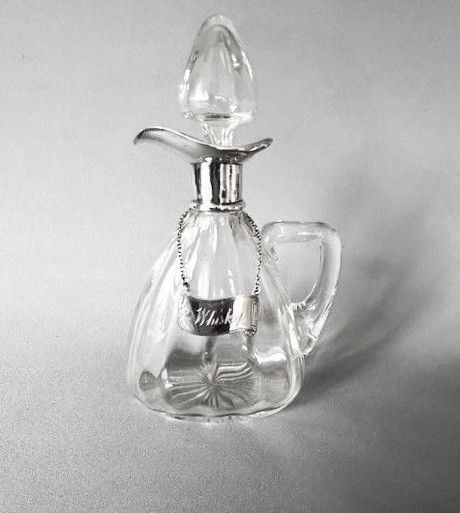
- A small vessel used for serving a single measure of spirits, frequently mounted with a silver collar and accompanied by a matching spirit label.
- Old Sheffield Plate
- A composite material made by fusing a thin sheet of silver to a thicker copper base before shaping. This technique appears on nineteenth-century cruets and stands.
- Silver Gilt
- Silver that has been coated with a thin layer of gold on the surface. This finish provides a warm, rich tone to the mounts of specific brandy and liquor bottles.
- Claret Jug
- A pouring vessel designed specifically for wine, featuring a glass body fitted with an articulated silver lid, handle and collar. Victorian examples often display elaborate cast and chased decoration.
Glass Liquor Decanter Silver: Frequently Asked Questions
What is a silver tantalus?
A tantalus is a locking wooden stand designed to hold spirit decanters securely in place. The metal framework typically incorporates a functioning lock and key to restrict access to the liquor.
These pieces combine timber bodies such as oak with silver-plated handles and mounts, making them both decorative and functional barware accessories.
How do I identify a whiskey noggin?
A whiskey noggin is a small, single-serving glass spirit bottle fitted with a silver collar and handle. They frequently include a matched silver label hung around the neck.
These compact vessels date primarily through the Victorian and Edwardian eras, often appearing alongside a small tot glass.
What is Old Sheffield Plate?
Old Sheffield Plate is an early form of silver plating created by fusing a sheet of silver to a copper core. Items produced this way show the underlying copper where wear occurs over long periods of use.
This technique predates modern electroplating and is found on nineteenth-century cruet stands and bottle frames.
How are decanter collars dated?
Decanter collars and mounts often feature engraved or stamped hallmarks indicating the assay office, metal standard and date letter. Sterling silver pieces from English makers carry these official marks.
Where hallmarks are absent, the style of the glass cutting, the shape of the bottle, and the design of the silver-plated hardware help determine the period.