



Glass Decanter with Handle
These glass decanter with handle pieces combine useful service with decorative presence, bringing period charm straight to the dining table.

Glass Decanter with Handle
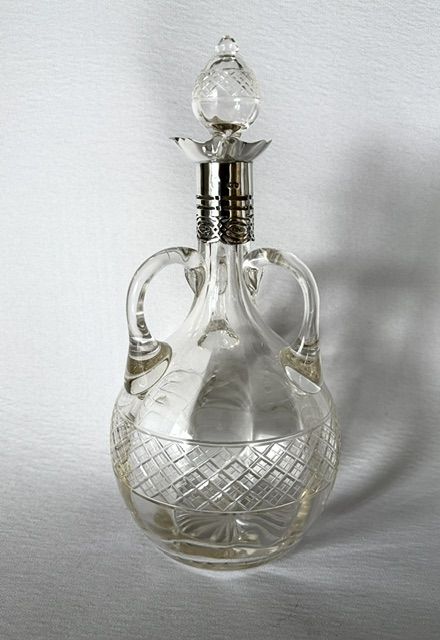
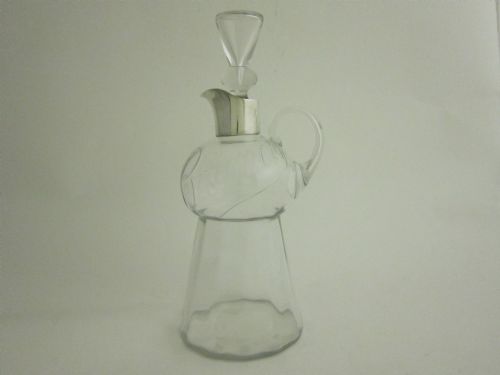
A glass decanter with handle brings together nineteenth and early twentieth century drinking vessels, spanning Victorian, Edwardian, and Regency eras.
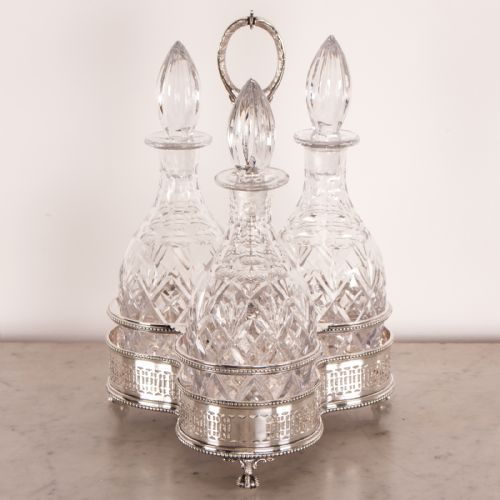
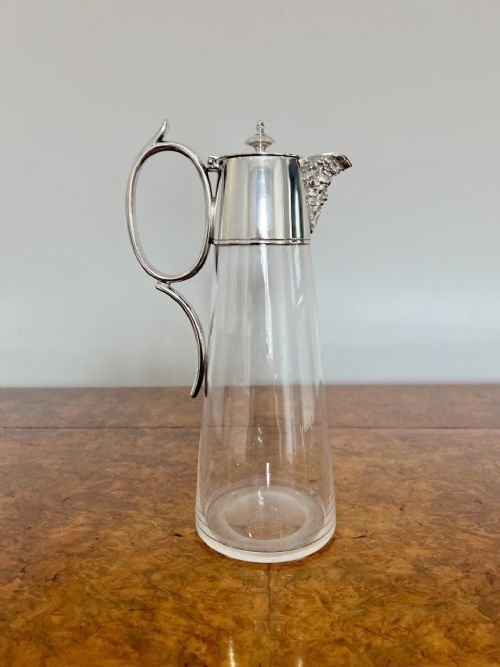
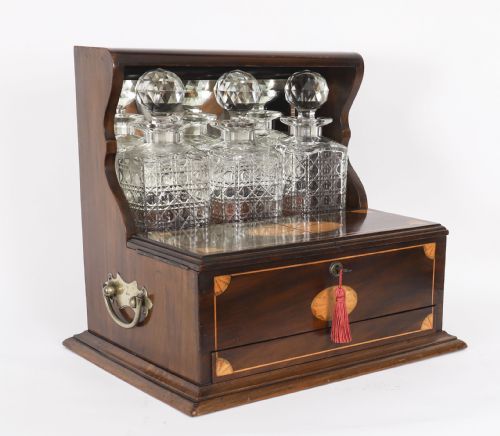
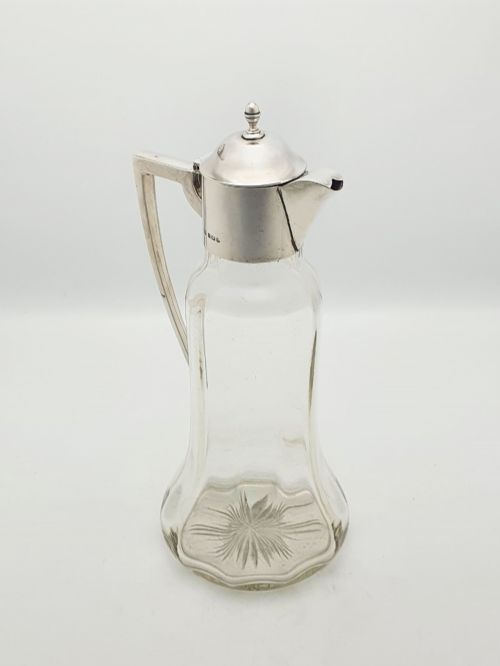
You will most frequently encounter cut glass and crystal jugs alongside silver plated stands and mounting hardware.
Makers such as Walker & Hall and Hukin & Heath appear within these selections, offering marked silver plated mounts alongside glass bodies.

Materials and construction
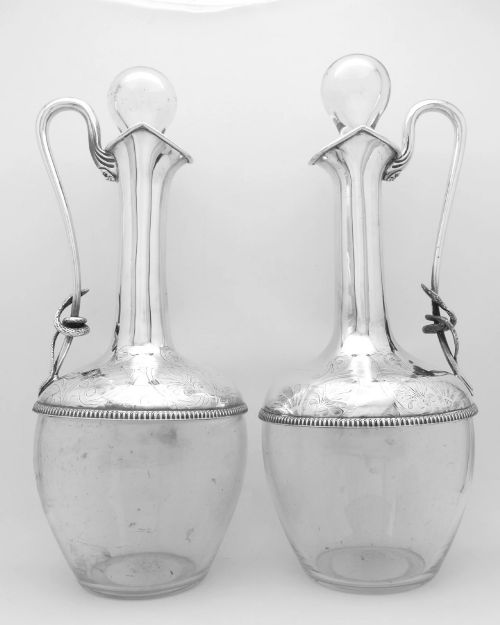
Vessels feature hand blown glass, cut crystal, and clear glass often enhanced by engraved patterns or latticinio decoration.
Metal components utilise silver plate, forming secure mounts, handles, and occasional trays or tantalus frames to support the glassware.
Keep your silver plated mounts shining brightly so guests can admire the maker marks without squinting across the table.
Judging quality and design
Superior examples display crisp cutting and deep engraving across the crystal surface, paired with substantial silver plated mounts that show careful proportion.
The integration between the glass body and the applied handle demonstrates the skill of the maker, distinguishing standard production from finer workshop output.
Walker & Hall·Hukin & Heath
The Glass Decanter with Handle Glossary
- Latticinio
- A decorative glass technique featuring fine white or coloured glass threads embedded within the clear matrix in swirling or criss-cross patterns.
- Tantalus
- A locked wooden or metal frame designed to secure decanters while still displaying the contents inside.
- Claret jug
- A specialised pouring vessel with a handle, traditionally used for serving red wine.
- Ewer
- A large pitcher with a wide spout and looped handle, often utilised for water or wine service on the dining table.
Glass Decanter with Handle: Frequently Asked Questions
What are glass decanters with handles used for?
These vessels serve for holding and pouring wine, claret, or water during formal dining and entertaining.
They function equally well as decorative items on sideboards or drinks trays.
How do I date a glass decanter?
Dating relies on observing the cutting style, the clarity of the glass, and any maker marks on the silver plated mounts.
Victorian and Edwardian pieces often display distinct decorative motifs characteristic of their manufacturing decade.
Can I use these antiques for everyday serving?
Gentle hand washing preserves the delicate cut crystal and the silver plated surfaces from unnecessary wear.
Careful handling ensures these historic pieces remain functional for occasional modern use.
What is the difference between a jug and a decanter?
Decanters generally feature stoppers designed to seal the contents, whereas jugs and ewers include open spouts for immediate pouring.
Both forms utilise integrated handles to facilitate lifting and serving.