



Glass Beaded Mirror
A glass beaded mirror brings genuine reflective depth and period character to a room.
Glass Beaded Mirror
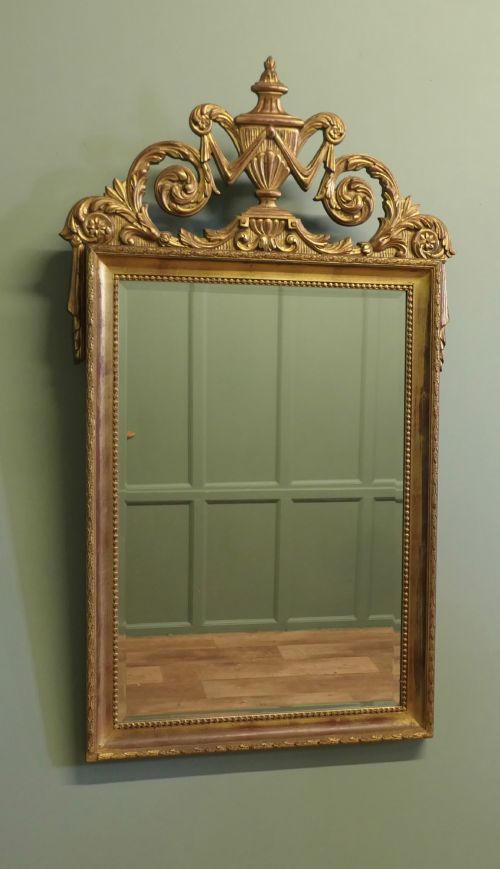
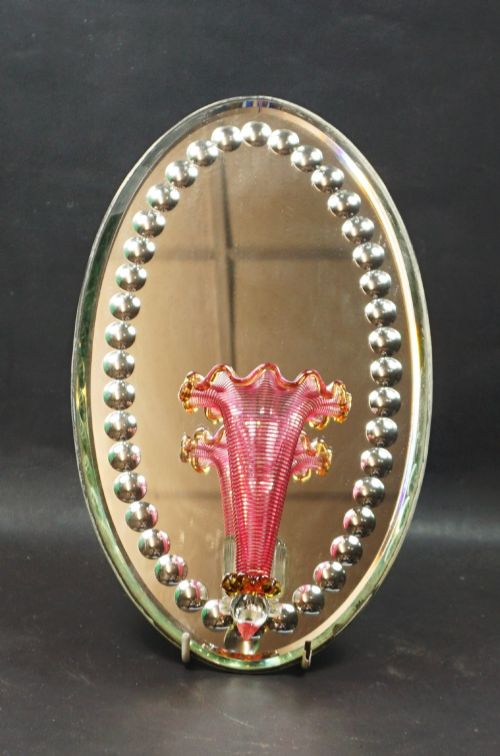
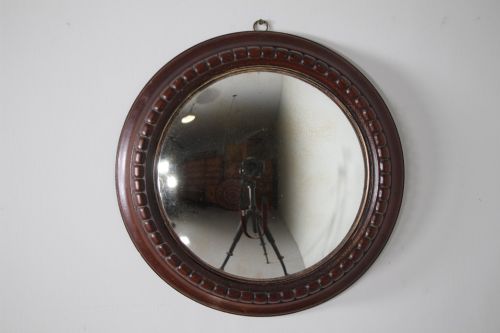
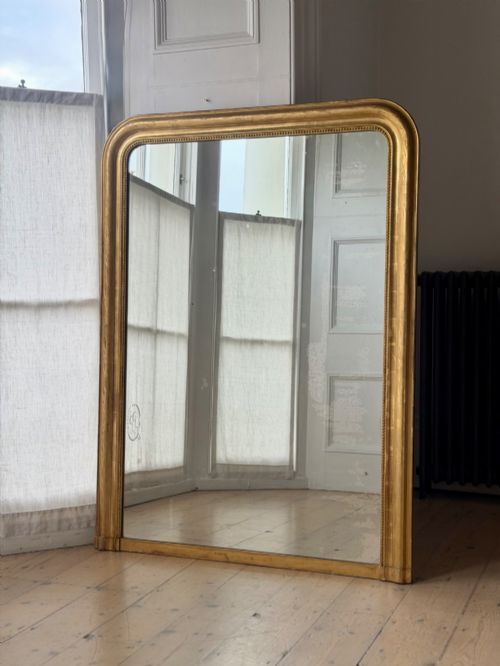
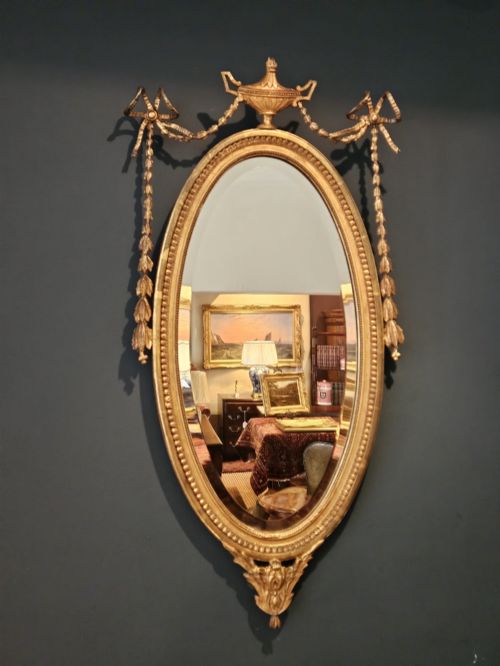
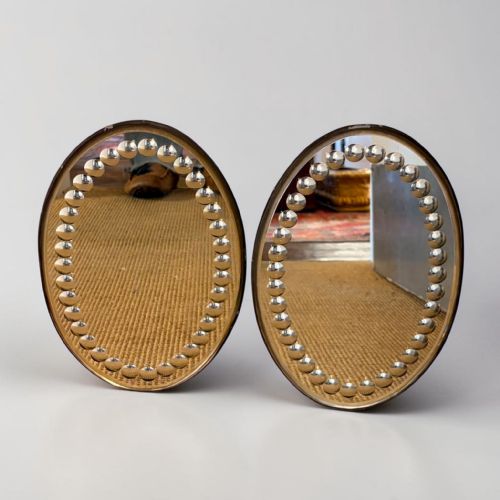
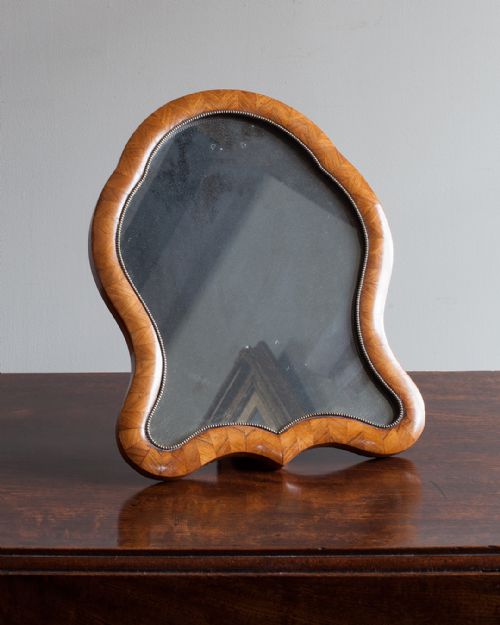
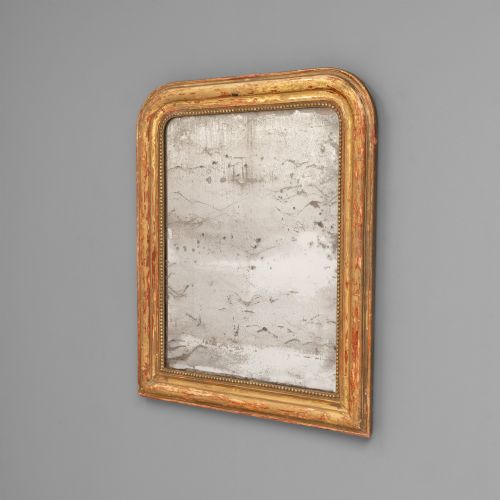
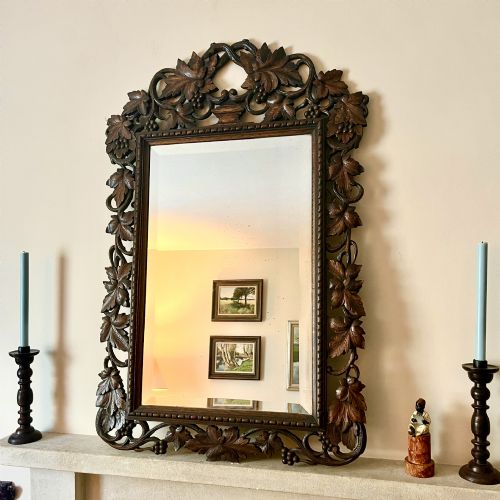
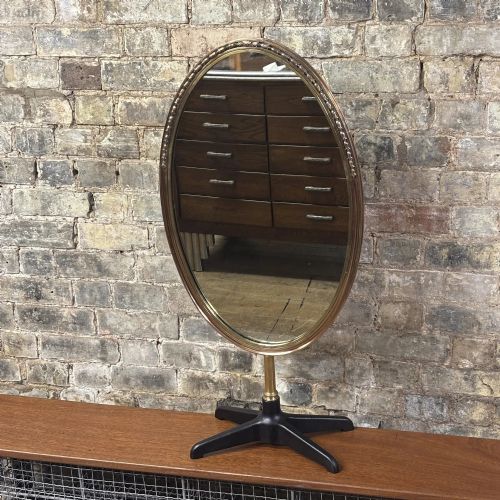
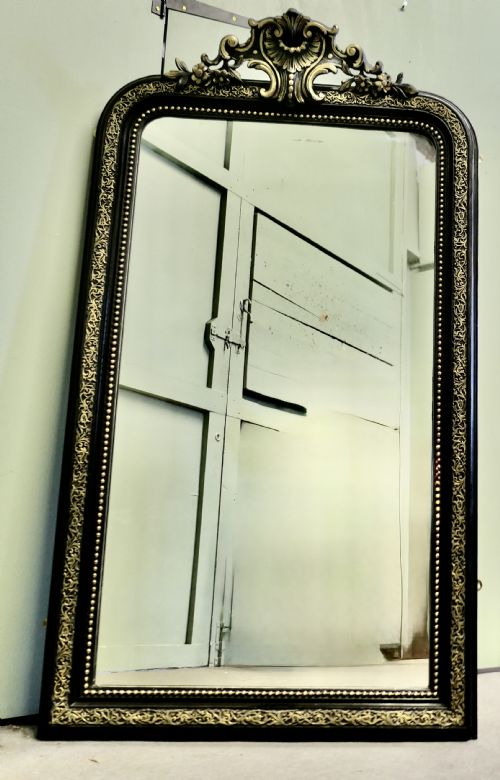
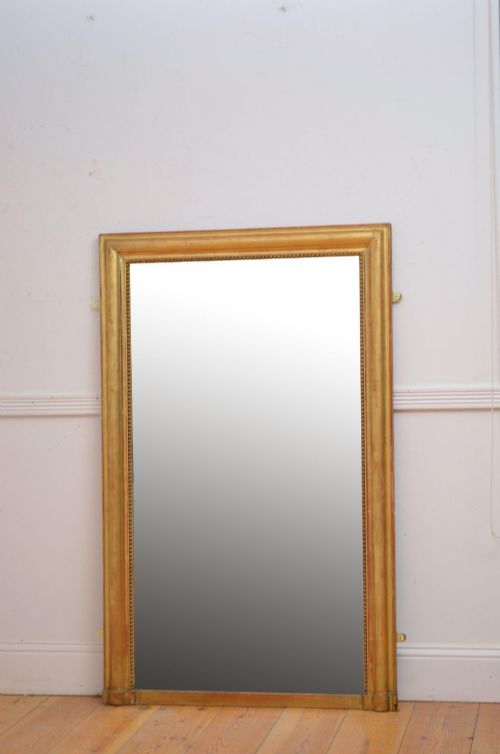
When you search for a glass beaded mirror, you encounter a selection of wall mirrors, overmantel mirrors, and smaller table or dressing mirrors spanning the nineteenth and early twentieth centuries. These objects take various forms, from French gilded frames and Regency mahogany designs to Victorian giltwood and Edwardian oval pieces.
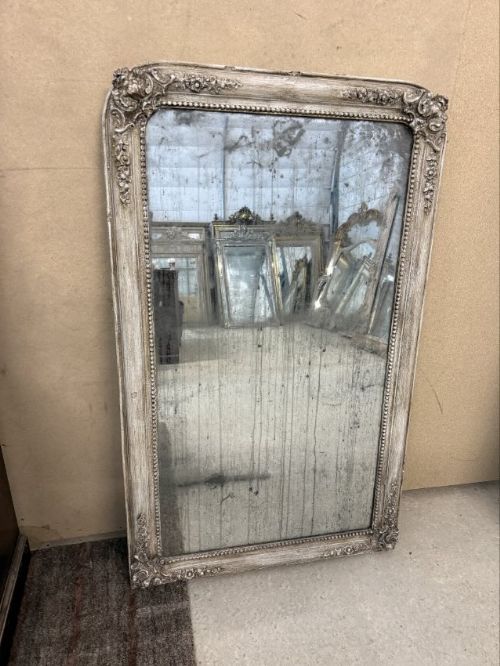
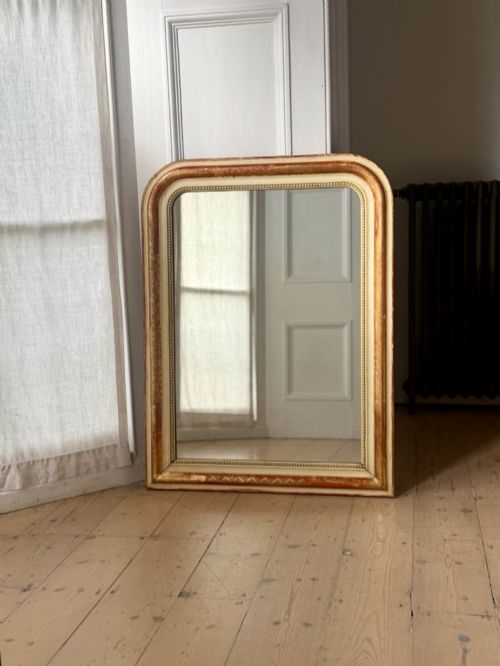
The most common examples on this page date from the nineteenth century, including overmantel mirrors with floral embossed detail, painted wood and gesso arched frames, and mercury glass plates. Makers and workshops from this era utilised traditional carving and gilding techniques to create decorative pieces for domestic interiors.
How they were made
Makers constructed these frames using wood, gesso, giltwood, brass, and kingwood, often applying gilt or paint finishes to carved surfaces. Overmantel and wall mirrors frequently incorporate original mirror glass or foxed mercury glass plates held within sturdy wooden structures.
Techniques such as carving wood and gesso allowed artisans to shape intricate floral motifs and arched tops. Brass fittings and velvet framing appear in specific dressing and table mirrors from the late nineteenth and early twentieth centuries.
Glass Beaded Mirror Retail Price Guide 2026
Typical asking prices for glass beaded mirror among the pieces listed under this phrase on Sellingantiques today, from the lower quarter to the upper quarter. They describe what is for sale here now, not the wider market.
Materials documented in these listings include glass, gesso, giltwood, wood, mirror glass, mercury glass, brass, and gilt wood.
What varies in quality
The standard of carving and the preservation of original materials set different examples apart. Pieces with crisp carved wood and gesso detail demonstrate higher craftsmanship than simpler moulded frames.
The condition of the reflective plate also influences the character of the object, as original mercury glass with foxing differs significantly from replacement glass plates.
The Glass Beaded Mirror Glossary
- Mercury glass
- A type of double-walled glass blown in the nineteenth century with a silvering solution inserted between the layers to create a reflective surface.
- Gesso
- A plaster-like mixture applied to wood frames as a base for gilding or painting, allowing artisans to carve fine decorative details.
- Overmantel mirror
- A large wall mirror designed specifically to hang above a fireplace mantelpiece.
- Trumeau mirror
- A decorative wall mirror incorporating a painted panel or artwork above the glass plate.
- Plateau mirror
- A mirrored tray or table centrepiece originally utilised to display ornaments and silver on dining tables.
Glass Beaded Mirror: Frequently Asked Questions
Where should I hang an overmantel mirror?
These large mirrors sit naturally above a fireplace mantelpiece, reflecting light and anchoring the proportions of a reception room.
Ensure the wall fixings match the weight of the wooden and gesso frame before installation.
What is foxed mercury glass?
Foxed mercury glass exhibits natural ageing spots and dark patches where the silvering behind the plate has oxidized over decades.
This chemical change gives the reflection a soft, mottled appearance characteristic of nineteenth-century mirrors.
How do I date a giltwood mirror?
Dating relies on examining the construction of the wooden frame, the composition of the gesso, and the style of the carving.
Nineteenth-century pieces often display hand-carved floral motifs and traditional gilding methods distinct from later reproductions.
What is a plateau mirror used for?
Plateau mirrors served as table centrepieces in the nineteenth and early twentieth centuries to reflect candlelight and display decorative objects.
Smaller examples also function as jeweller's plateaux on dressing tables.