
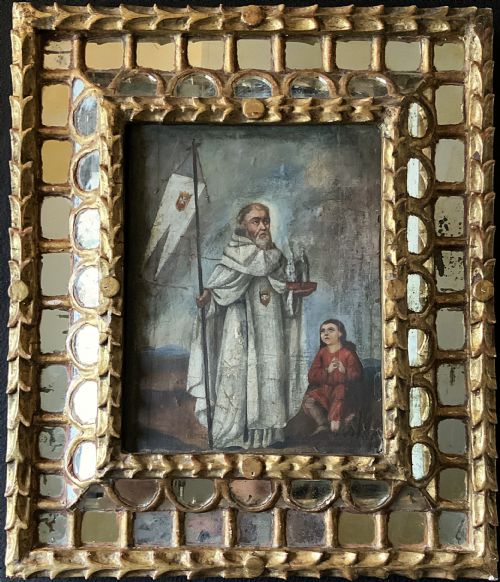

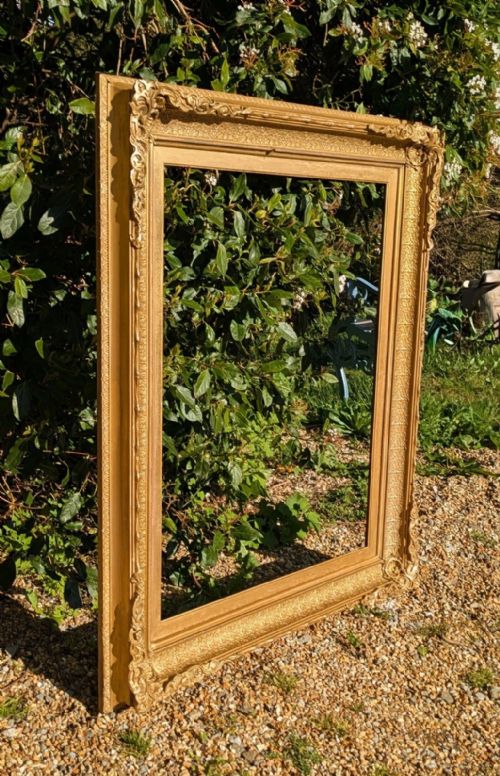

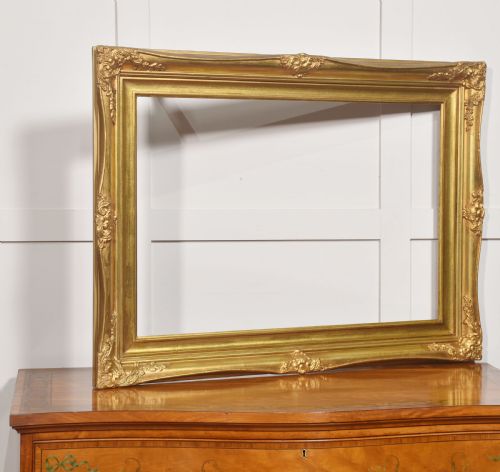

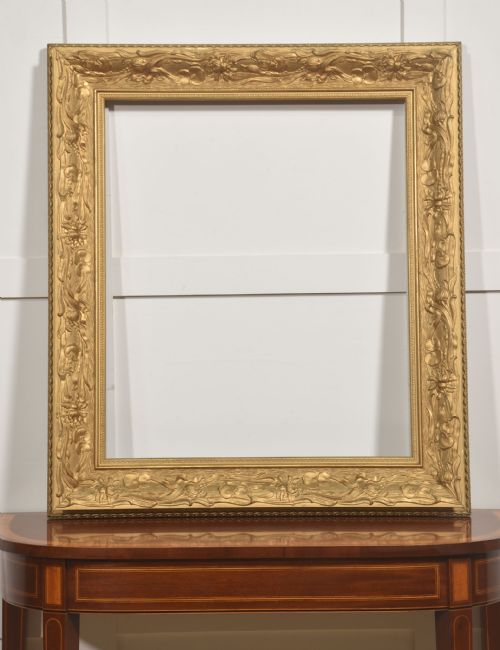
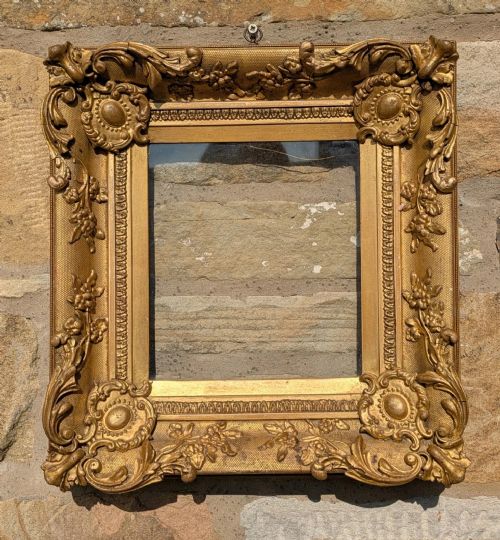


Giltwood Picture Frame Mirror
These giltwood picture frame mirrors bring centuries of craftsmanship to a wall, combining carved timber and reflecting glass into a single statement piece.
Giltwood Picture Frame Mirror
A giltwood picture frame mirror occupies a unique place between decorative fine art and functional wall furnishing. When searching for a giltwood picture frame mirror, buyers encounter everything from modest Victorian wall pieces to grand Florentine and Baroque examples designed for principal rooms.
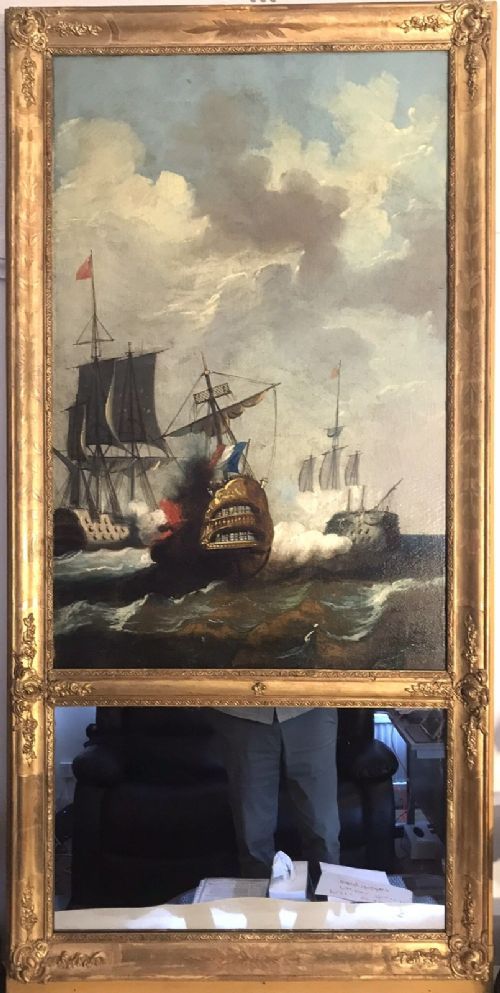
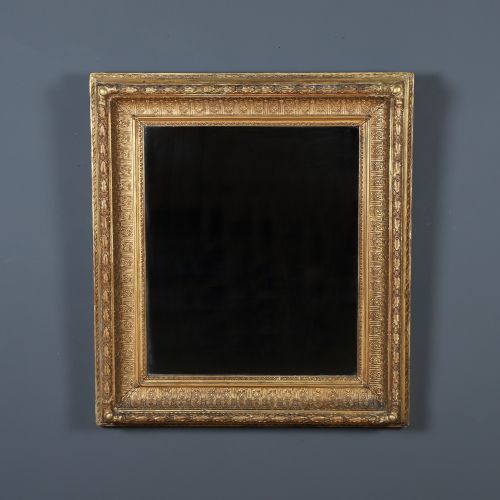
The selection ranges widely across periods, including 17th-century Spanish and Italian designs, 18th-century cassetta frames, and substantial 19th-century overmantel mirrors. Many pieces incorporate original picture frames adapted to hold new glass, while others retain canvas paintings or trumeau panels.
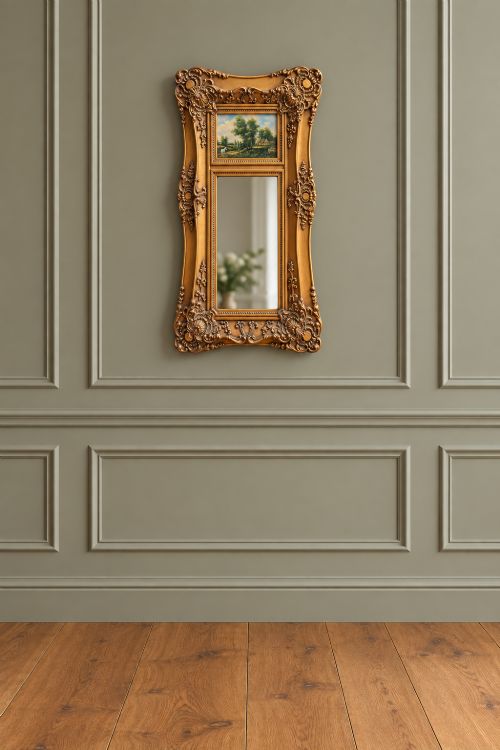
Victorian and Rococo Revival forms dominate the current selection, bringing deep mouldings, acanthus leaf decoration, and flamboyant scrolling into domestic interiors. Buyers frequently find paired oval mirrors, rectangular wall hanging formats, and substantial architectural overmantels.
How they were made
Makers built these pieces using solid timber foundations, frequently applying layers of gesso to smooth the wood surface before final decoration. Carved wooden elements provided the structural relief for floral motifs, lions' heads, and elaborate scrollwork.
Guilders applied gold leaf or composition metal over prepared grounds, burnishing the surface to achieve a warm metallic lustre. Many examples also integrate reflective glass plates, occasionally paired with oil paintings on canvas within trumeau configurations.
Keep an eye out for hidden lions' heads keeping watch from the corners of Victorian gesso frames.
What varies in quality
The depth of carving and the crispness of the gesso detailing distinguish standard production from exceptional craftsmanship. Deeply undercut foliage and meticulously rendered ornamentation demonstrate superior handwork.
The integrity of the original gilt surface and the preservation of the underlying timber structure dictate the overall standard of a piece. Finer examples retain their original gilding without excessive modern intervention or loss of definition in the moulded relief.
The Giltwood Picture Frame Mirror Glossary
- Giltwood
- Timber that has been decorated with gold leaf or metallic powder applied over a prepared base. This material defines the bright, reflective appearance characteristic of these frames.
- Gesso
- A plaster-like mixture applied to wood frames to create a smooth surface for carving and gilding. It allows craftsmen to achieve sharp, intricate decorative details.
- Trumeau
- A decorative wall mirror often paired with an oil painting or panel above the glass. These French-origin pieces serve as unified architectural fittings.
- Overmantel
- A large mirror specifically designed to hang above a fireplace mantel. These substantial pieces often feature landscape or architectural proportions.
Giltwood Picture Frame Mirror: Frequently Asked Questions
How do I hang a heavy giltwood mirror?
These substantial pieces require secure wall fixings anchored directly into structural studs or masonry. Using heavy-duty mirror plates distributes the weight evenly across the timber frame.
Professional installation is recommended for large overmantel mirrors or deeply carved Rococo examples to ensure absolute stability against the wall.
Are these mirrors made from original picture frames?
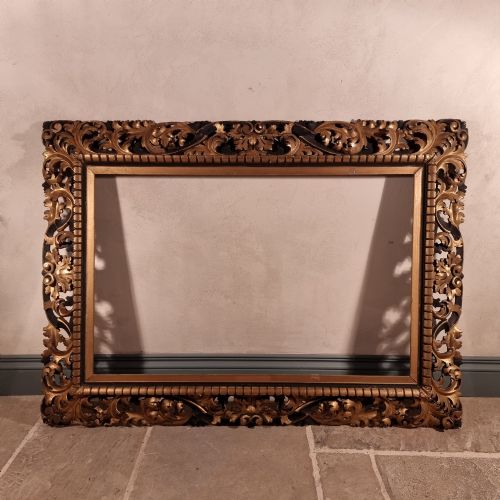
Many historic mirrors started life as fine art picture frames before being fitted with reflecting glass plates. This practice accounts for the deep rebates and elaborate corner cartouches seen on various pieces.
Other items were constructed specifically as mirrors from the outset, incorporating identical carving techniques and gilt finishes suited to domestic reflection.
How do I clean a giltwood frame?
Dust the carved wooden surfaces gently using a soft, dry brush or feather duster to prevent disturbing the delicate gold leaf. Avoid liquid cleaners, moisture, and chemical polishes entirely.
Glass plates can be wiped with a standard glass cleaner applied to a cloth first, ensuring no liquid drips onto the surrounding gesso or gilding.
What is a Rococo Revival mirror?
Rococo Revival pieces draw inspiration from the flamboyant 18th-century French style, reinterpreted by Victorian makers during the 19th century. They feature asymmetrical scrolls, shell motifs, and naturalistic acanthus leaves.
These designs prioritise dynamic movement and deeply modelled relief over strict symmetry, creating a dramatic focal point in any room.