

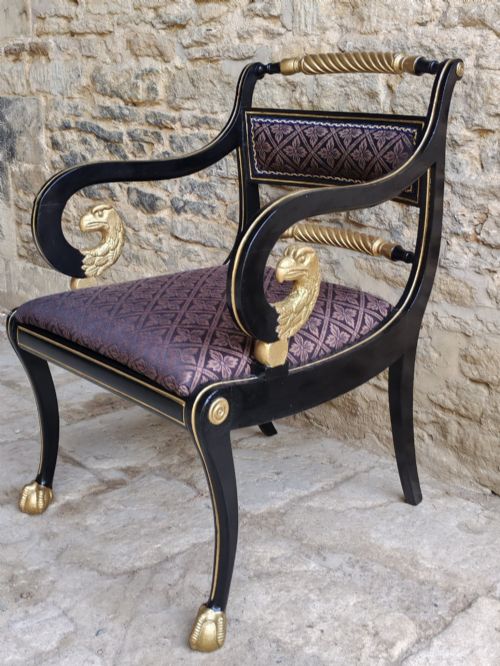
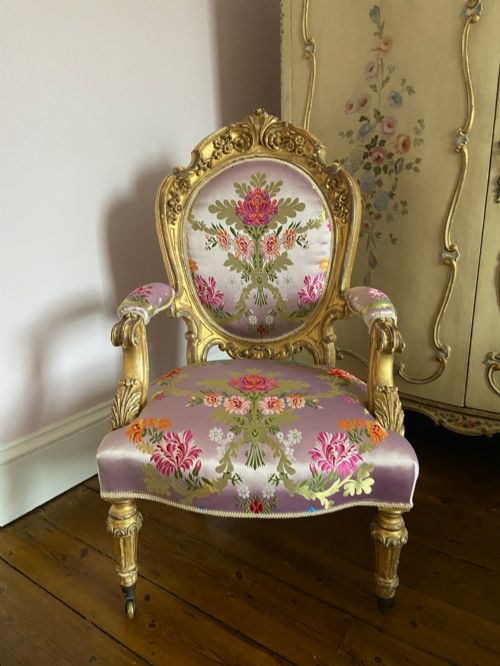
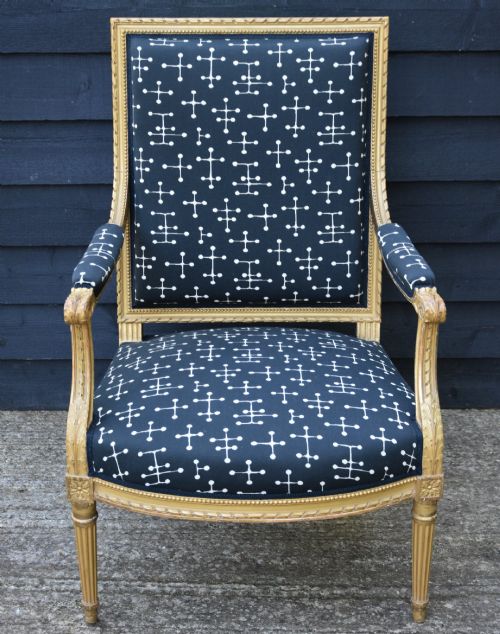
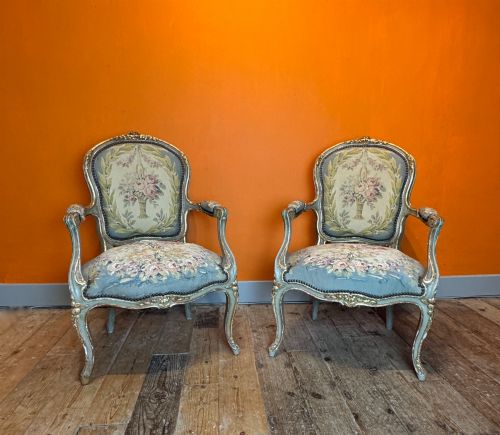
Giltwood Open Armchairs
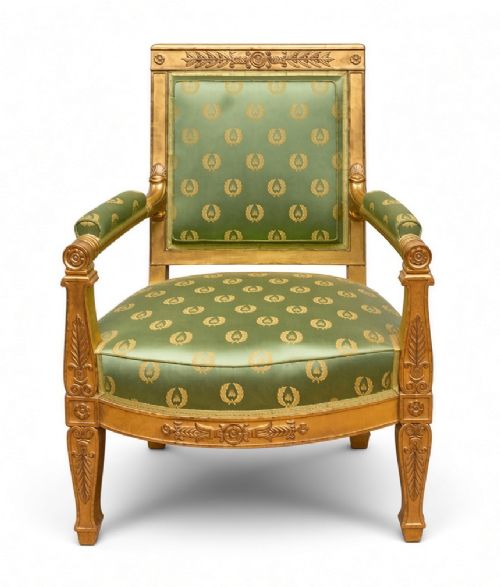
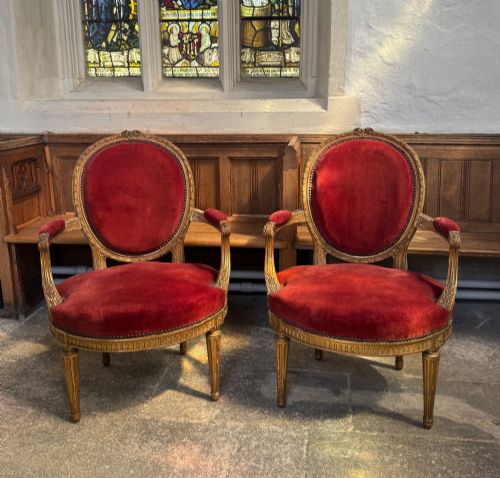
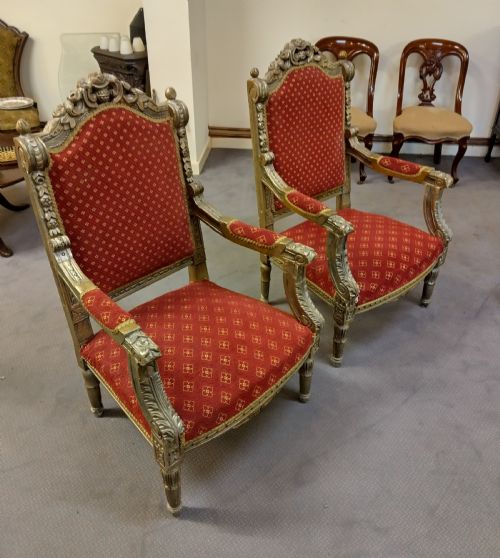
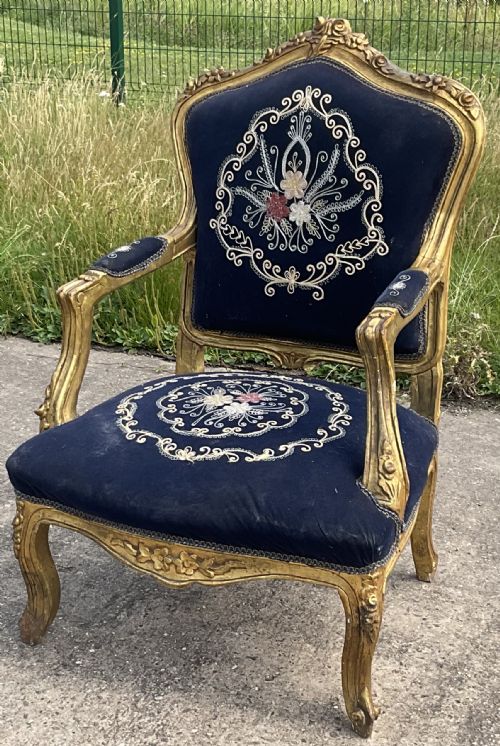
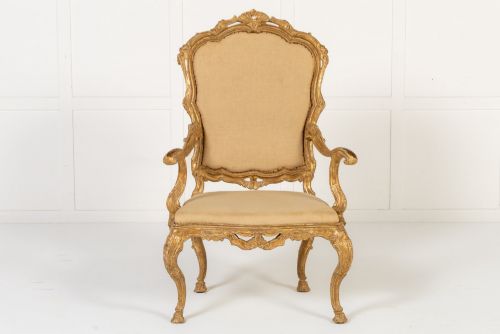
These giltwood open armchairs bring gilded French and Italianate elegance to a room, offering both decorative presence and comfortable seating.
Giltwood Open Armchairs
When you search for giltwood open armchairs, you encounter grand seating designed primarily for formal reception rooms and parlours. These frames date from the nineteenth century, including specific pieces from around eighteen hundred up to nineteen ten, alongside later revivals of earlier aesthetics.
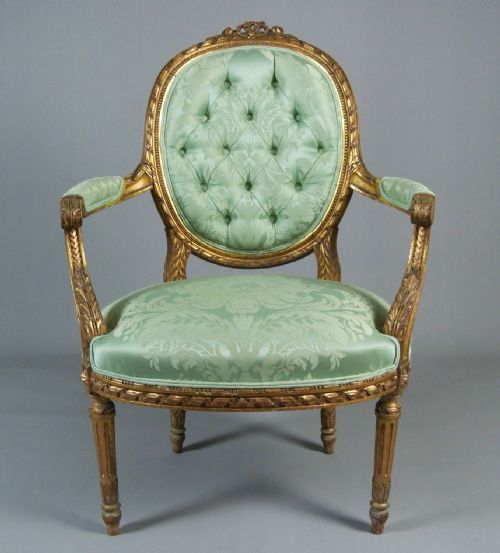
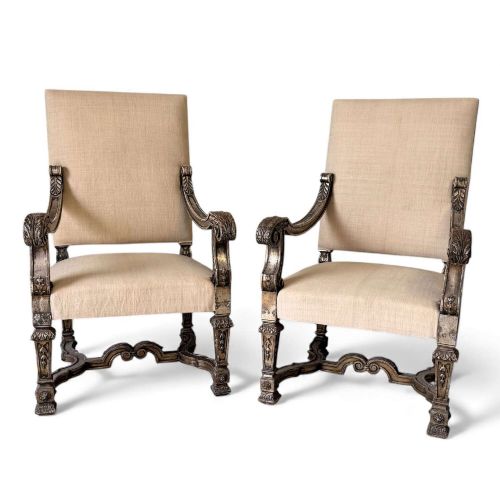
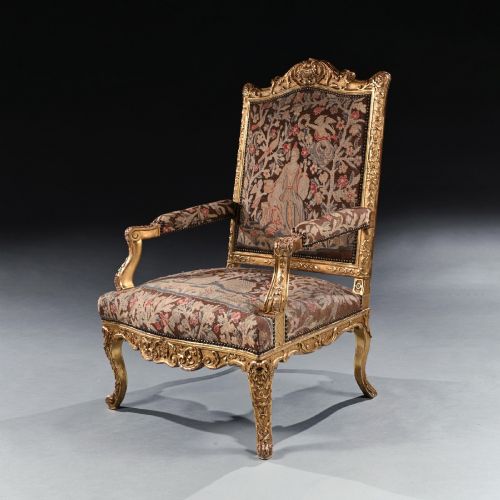
The pieces on this page lean heavily towards French design vocabulary, notably Louis XVI style, Louis XV revival, and French Restauration forms. You also find William and Mary style interpretations and Italianate Baroque throne chairs among the recorded selections.
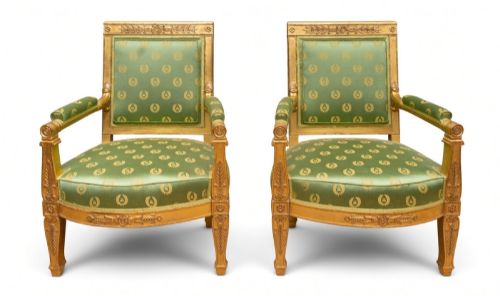
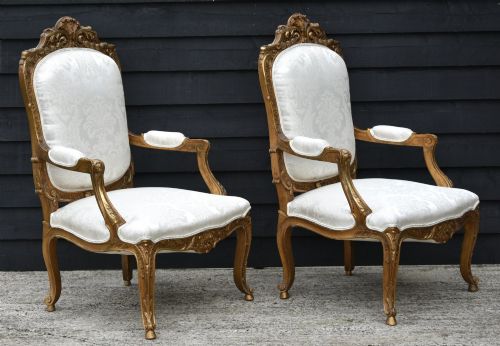
Most examples appear as pairs, sharing matching carved frames and upholstered components. They serve as statement furniture where timber frames receive a gold or silver leaf finish over prepared gesso bases.
Construction and gilding techniques
Maker workshops built these chairs from timber frames, shaping wood through traditional joinery and hand carving. Carvers applied layers of gesso to the timber surface to create a smooth, prepared ground for metallic leaf application.
Finishers applied thin sheets of giltwood or silver leaf across the gesso ground, capturing intricate details on the carved ornamentation. Upholsterers then finished the pieces using traditional textiles such as silk, damask upholstery, and other woven fabrics.
Giltwood Open Armchairs Retail Price Guide 2026
Typical asking prices for giltwood open armchairs among the pieces listed under this phrase on Sellingantiques today, from the lower quarter to the upper quarter. They describe what is for sale here now, not the wider market.
Styles recorded across these items include Louis XVI, French Restauration, William and Mary, and Italianate Baroque.
Judging quality in gilded seating
The depth and crispness of the hand carving separate standard commercial seating from masterwork pieces. Skilled carvers produced ornaments with sharp undercut details and fluid botanical or scroll motifs, whereas lesser frames show softer, shallower definition.
The integrity of the gilded surface matters greatly, as does the quality of the timber beneath. Original surface patination on the gold leaf sits above clean, tight joinery that has remained stable across centuries of use.
Jacob-Desmalter
The Giltwood Open Armchairs Glossary
- Giltwood
- Timber furniture covered with a thin layer of gold leaf. This finish creates a brilliant metallic surface that catches candlelight and daylight alike.
- Gesso
- A mixture of plaster of Paris and glue used to coat wood. This substance provides the smooth base required before applying gold or silver leaf.
- Fauteuil
- An open-framed armchair with upholstered seat, back, and arm pads. This traditional French form exposes the carved wooden arm structures.
- Damask
- A reversible figured fabric traditionally woven on a jacquard loom. Upholsterers use this patterned material to cover the seats and backs of formal chairs.
- Restauration
- A decorative style dating to early nineteenth-century France. This period bridges neoclassical restraint and emerging romantic tastes.
Giltwood Open Armchairs: Frequently Asked Questions
Are these armchairs comfortable to sit in?
These chairs provide firm, upright seating designed for formal reception rooms rather than deep lounging. Their open arms and padded backrests offer structured support for upright conversation.
Modern users often place them in drawing rooms or bedrooms as accent seating where posture matters more than slouching.
How do I distinguish Louis XVI from Louis XV style?
Louis XVI style pieces feature straight, tapered legs, geometric symmetry, and classical motifs such as fluting and ribbon twists. The overall silhouette appears more restrained and rectilinear.
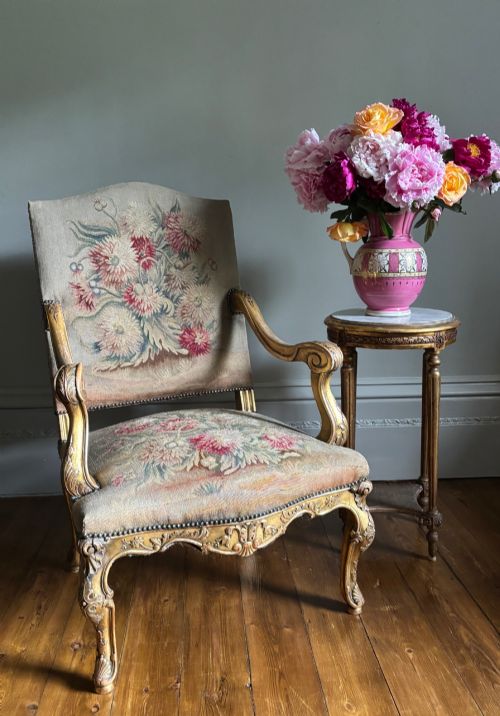
Louis XV style relies on asymmetrical curves, cabriole legs, and elaborate rococo shell or floral carvings that create a softer, more fluid outline.
Can I reupholster these antique chairs?
Upholstery on these frames can be updated using traditional methods and materials that respect the age of the piece. Conservation-grade webbing and appropriate period textiles ensure the internal structure remains protected.
Consult a specialist upholsterer who understands antique frame construction to avoid altering or damaging the wooden rabbets.