
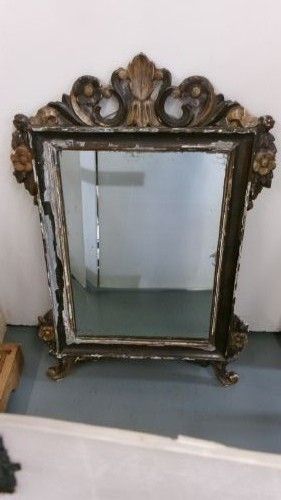


Giltwood Looking Glass
A giltwood looking glass brings warmth and historic presence to a room, catching the light in a way ordinary mirrors cannot.
Giltwood Looking Glass
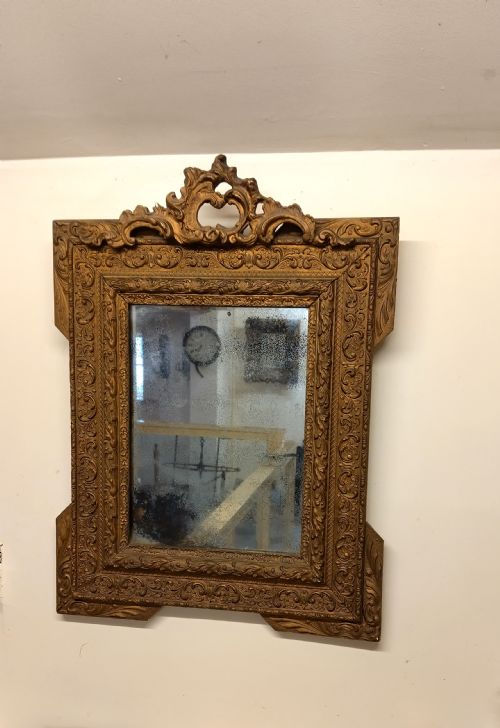
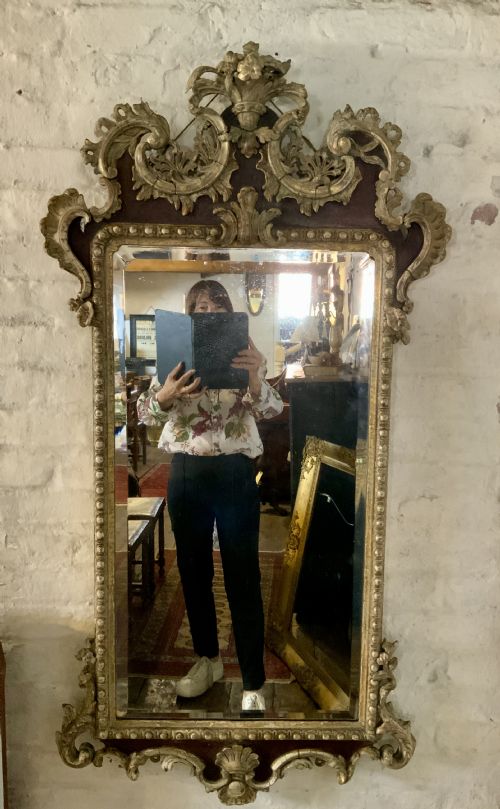
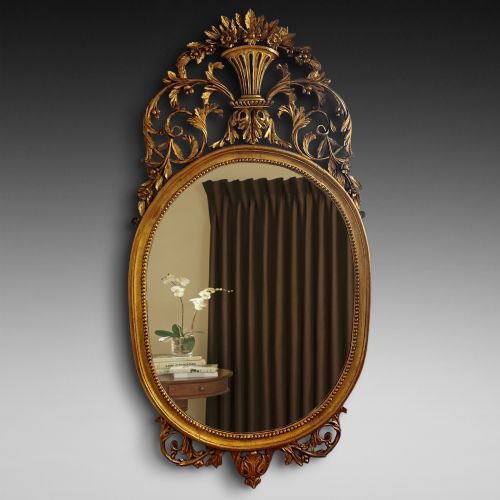
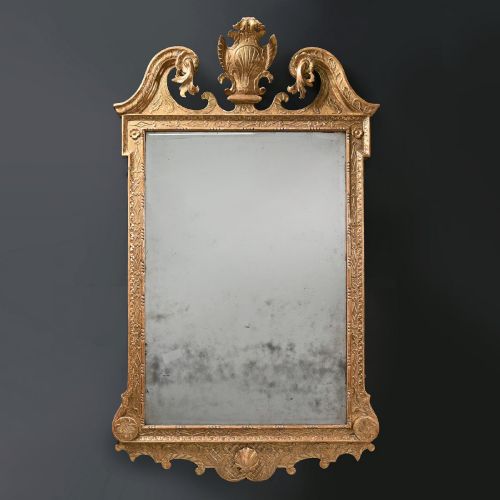
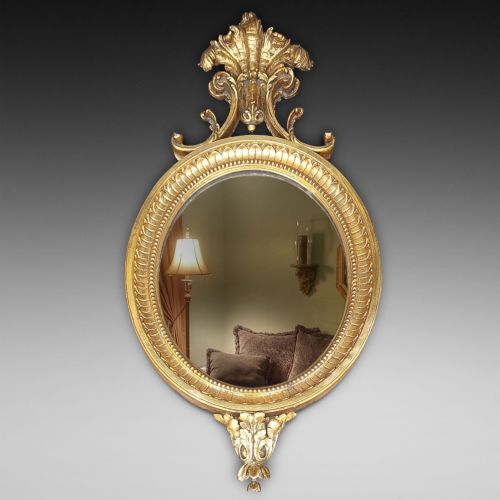
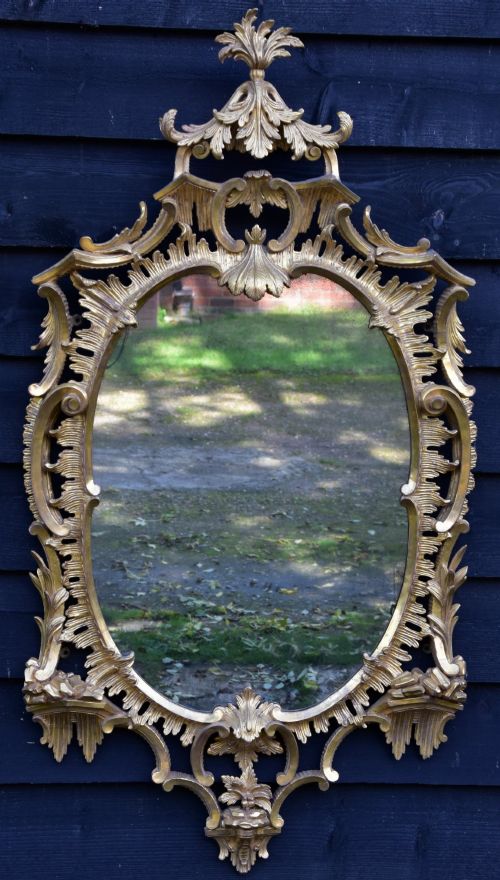
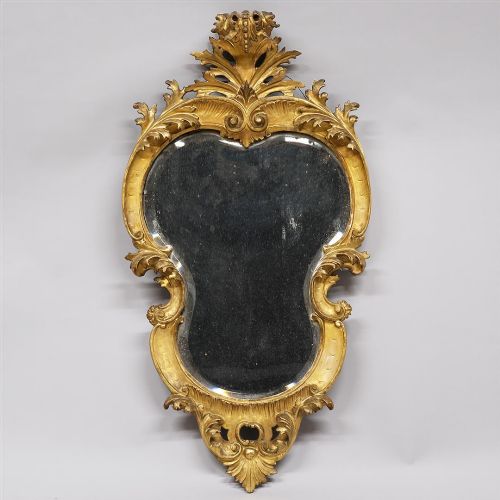
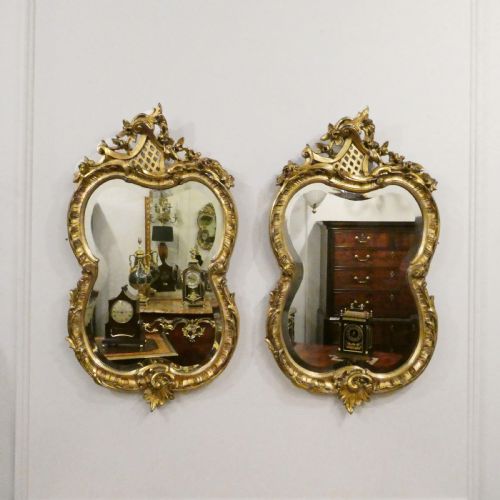
When you search for a giltwood looking glass, you encounter wall mirrors, pier mirrors, and overmantle mirrors spanning the eighteenth and nineteenth centuries. These pieces reflect stylistic shifts from George II and Georgian Rococo through Regency and Victorian periods.
You are most likely to meet nineteenth-century examples alongside eighteenth-century walnut and parcel gilt pieces, French Rococo wall mirrors, and oval shapes suited to period interiors.
Assessing quality and finish
The depth and crispness of the carved wood and gesso ornamentation dictate the visual strength of the piece, separating standard frames from finer works by makers such as Benjamin Goodison. Superior examples retain proportional harmony and clean lines in their rococo or classical styling.
The integrity of the original gold leaf and the condition of the mirror glass contribute significantly to the character of the object, showing how materials age across centuries.
Listings feature eighteenth-century and nineteenth-century pieces, including George II, Regency, and Victorian styles created from giltwood, gesso, walnut, and mahogany.
Benjamin Goodison
The Giltwood Looking Glass Glossary
- Giltwood
- Wood that has been coated with gold leaf or gold paint. This finish creates a luminous surface that catches natural light in a room.
- Gesso
- A plaster-like mixture applied to wood frames to create a smooth surface for carving and gilding. It allows for intricate moulded details.
- Pier glass
- A tall mirror designed to hang on the pier, the section of wall between two windows. These pieces often coordinate with console tables.
- Parcel gilt
- A finish where only specific parts of a wooden frame, such as walnut or mahogany, are highlighted with gold leaf. This technique contrasts dark wood with bright gilding.
- Overmantle mirror
- A wide mirror designed to sit directly above a fireplace mantel. These large frames anchor the wall space in period rooms.
Giltwood Looking Glass: Frequently Asked Questions
Where should I hang a giltwood looking glass?
These mirrors function well above mantelpieces, between windows as pier mirrors, or as focal points on living room walls where they can reflect natural light.
Ensure the wall structure can support the weight of a carved wood and gesso frame before installation.
How do I distinguish an eighteenth-century piece from a nineteenth-century copy?
Look closely at the construction methods, the composition of the gesso, and the ageing patterns within the wood and mirror glass. Eighteenth-century examples often display hand-carving depth and specific regional characteristics.
Stylistic markers like George II Rococo or Regency motifs also help anchor the piece to a particular era.
What is parcel gilt and how does it differ from full gilding?
Parcel gilt involves gilding only select portions of the wooden frame, leaving exposed wood such as walnut or mahogany visible. Full gilding covers the entire structure in gold leaf.
This partial technique creates a distinct contrast between the warm grain of the timber and the bright metallic surface.
How do I care for antique mirror glass and gilt frames?
Dust the carved frame gently with a soft, dry brush to protect the delicate gesso and gold leaf surface. Avoid using chemical cleaning sprays.
Clean the glass sparingly with a soft cloth dampened slightly with water, keeping moisture away from the edges where the silvering meets the frame.