

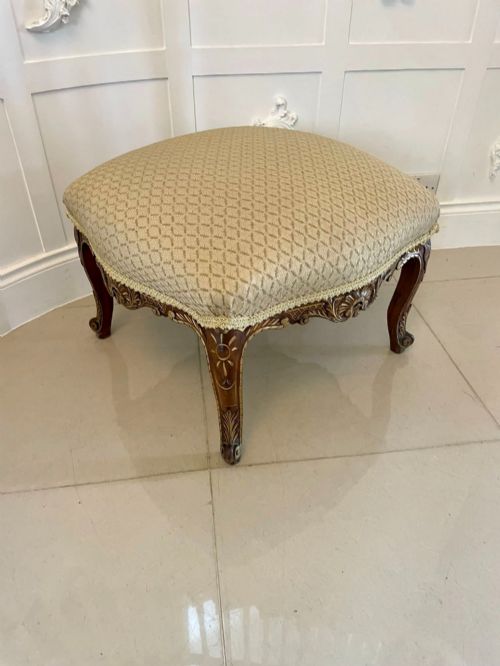
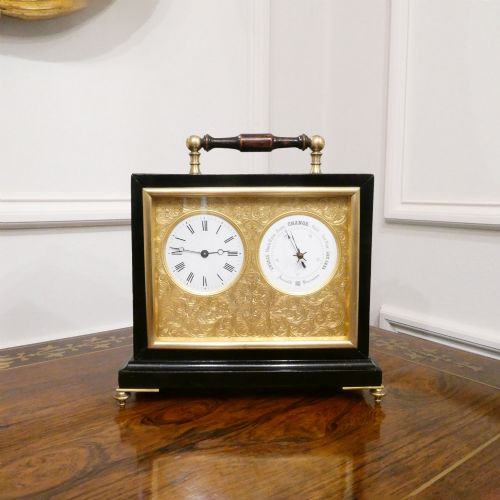
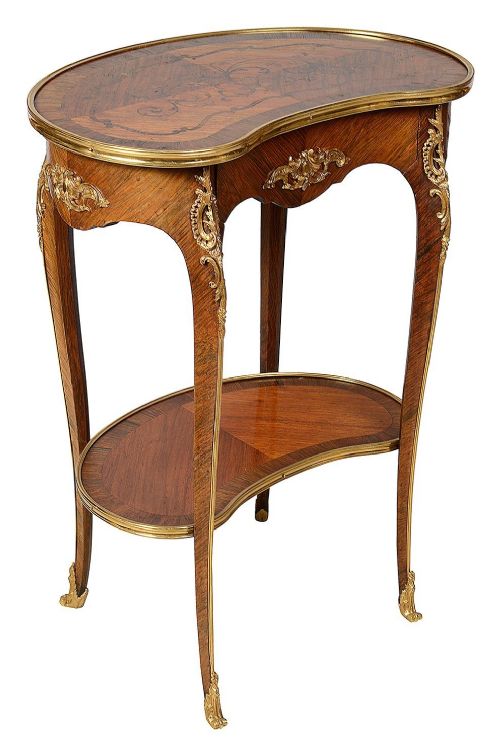
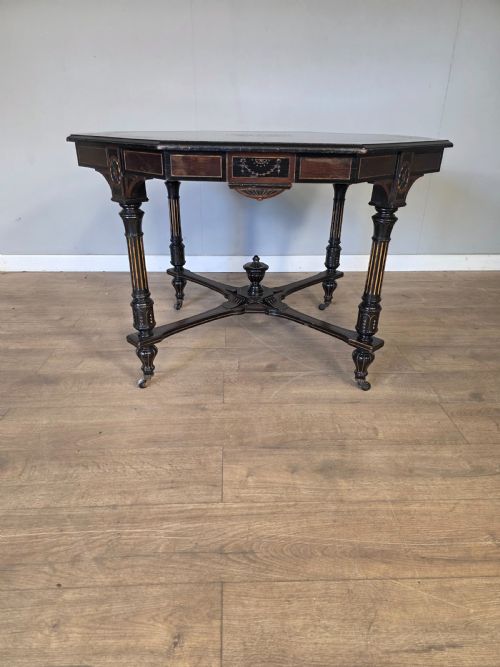
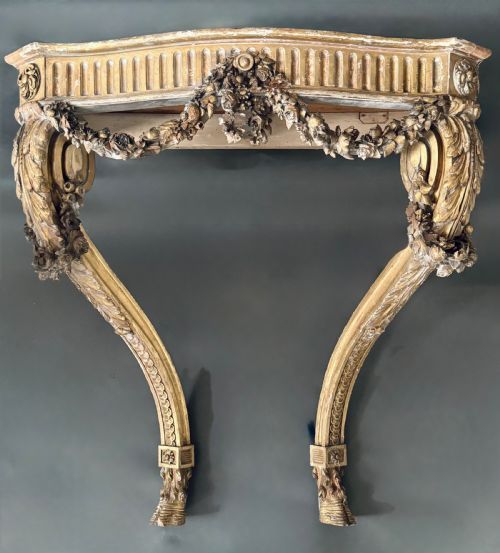
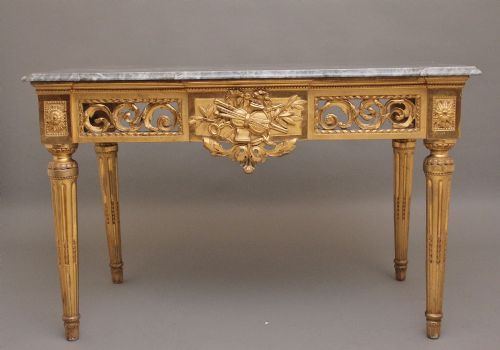
Gilt Wood Table
A gilt wood table brings reflective warmth and classical proportion to an interior, channelling centuries of European craftsmanship.
Gilt Wood Table
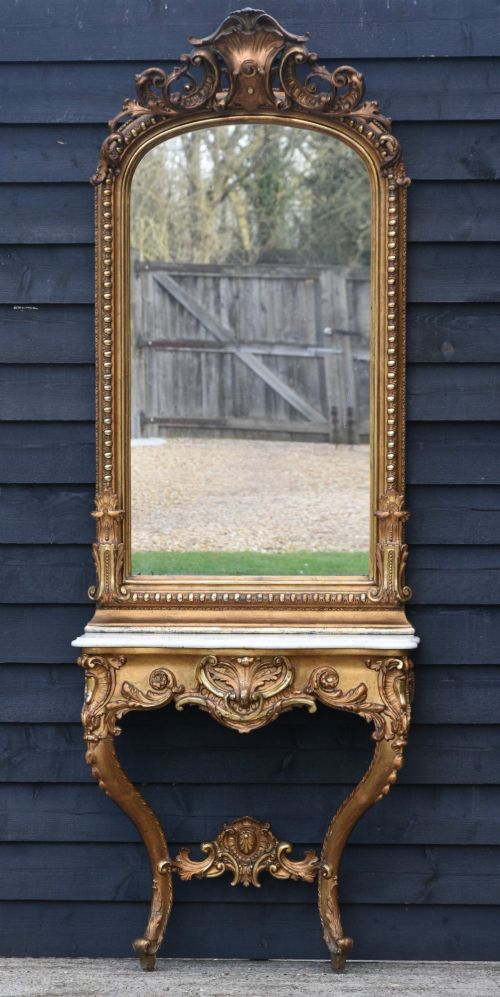
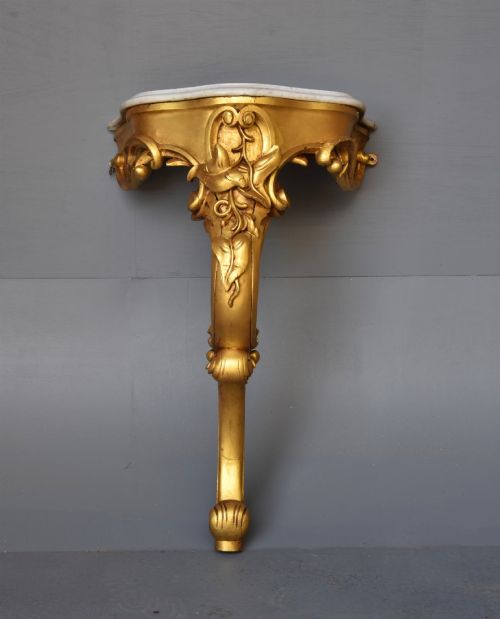
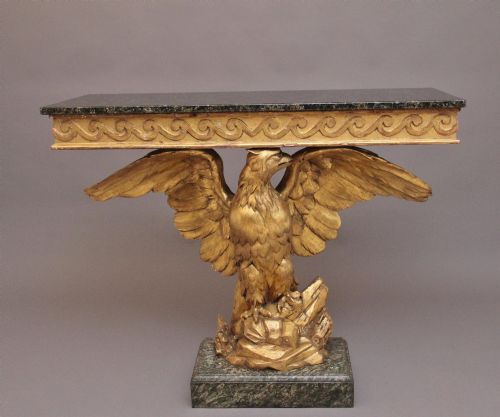
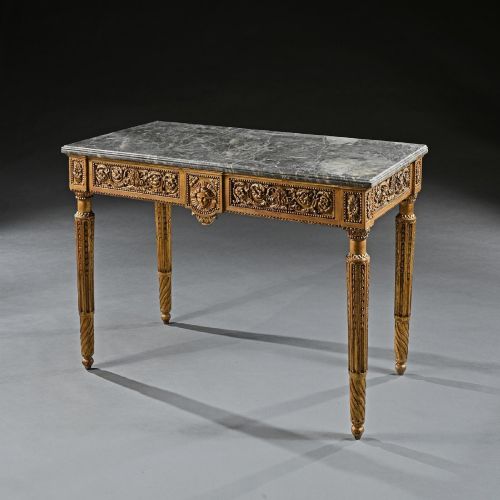
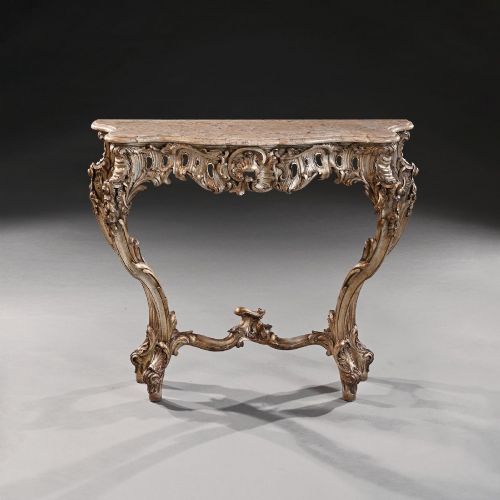
A gilt wood table encompasses a variety of decorative forms designed to anchor a room, most frequently appearing as console tables destined for hallways or reception rooms.
The selections span distinct periods, notably the eighteenth and nineteenth centuries, alongside later twentieth-century interpretations influenced by earlier continental designs.
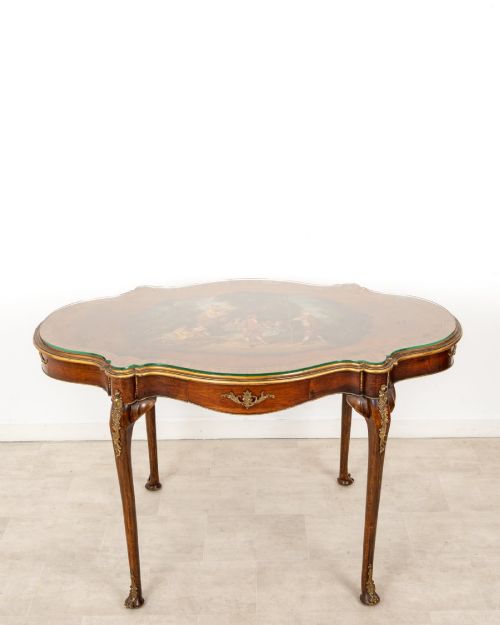
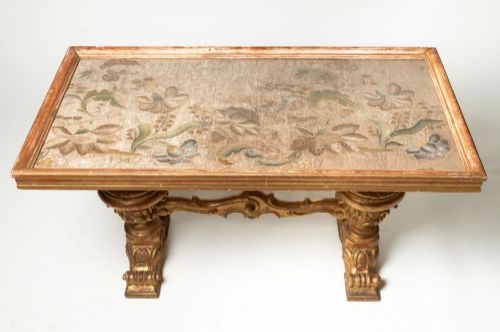
Beyond console tables, the category extends to occasional tables, centre tables, and coffee tables, each displaying the characteristic gilded finish that defines the group.
Materials and construction
Master artisans carved the foundational structures from timbers such as pine, oak, and walnut, preparing the organic surface to receive decorative embellishments.
Application of gesso provided a smooth, chalk-based ground layer over the carved wood, allowing fine details to remain crisp beneath subsequent metallic treatments.
Workers applied gold leaf or silver gilt by hand onto the prepared base, often burnishing sections to achieve a brilliant contrast against matte areas.
Some nineteenth-century Italian tables feature carved blackamoor figures supporting the heavy marble tops with surprising domestic utility.
Assessing quality and execution
The depth and vigour of the hand-carved ornamentation separate exceptional examples from standard production, with superior pieces showing crisp undercut foliage and confident scrolls.
The integrity of the underlying gesso and the precision of the gilding application dictate the enduring visual impact of the surface over centuries of existence.
Integration with heavy inset components, such as figured marble slabs or breccia tops, demonstrates the structural capability and original ambition of the piece.
Felix Alfred Ternisien·Wilkinsons of Ludgate Hill·Gillows
The Gilt Wood Table Glossary
- Giltwood
- Timber that has been coated with gold leaf or powder over a prepared ground. This technique creates the illusion of solid gold while utilising a lighter wooden structure.
- Gesso
- A mixture of binder and chalk applied to carved wood to create a smooth surface for gilding. It holds intricate relief details sharply.
- Console table
- A wall-mounted or freestanding table designed to stand against a vertical surface. They frequently feature elaborate legs and marble tops.
- Ormolu
- Gilded bronze mounts applied to furniture edges and legs. This French technique adds metallic contrast to wood surfaces.
- Parcel gilt
- A finish where only specific portions of a wooden object are gilded, leaving the underlying timber or painted surface visible elsewhere.
Gilt Wood Table: Frequently Asked Questions
How do I place a console table?
Console tables sit flush against a wall in hallways, drawing rooms, or dining spaces, often paired with a matching mirror above.
Their shallow depth allows them to occupy narrow circulation spaces without obstructing movement while providing a surface for decorative objects.
Are marble tops original?
Many period tables retain their heavy fitted marble tops, which were selected for durability and formal elegance.
Replacements do occur over time, so inspecting the fit within the wooden rebate helps determine period authenticity.
How do I clean gilded surfaces?
Dusting requires only a very soft, dry brush to prevent abrasion to the delicate metal leaf.
Moisture and commercial cleaning agents must be avoided entirely, as they damage the ancient gesso and underlying adhesive layers.
What defines the Rococo revival style?
Rococo revival pieces embrace asymmetrical scrolls, naturalistic shell motifs, and exuberant C-scrolls inspired by eighteenth-century French design.
Nineteenth-century makers adopted these theatrical curves to impart dynamic movement and grand scale to domestic furniture.