



Gilt Wood Pricket
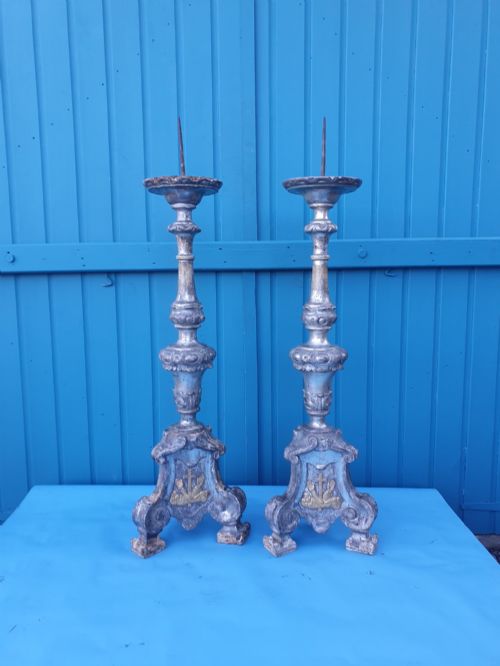
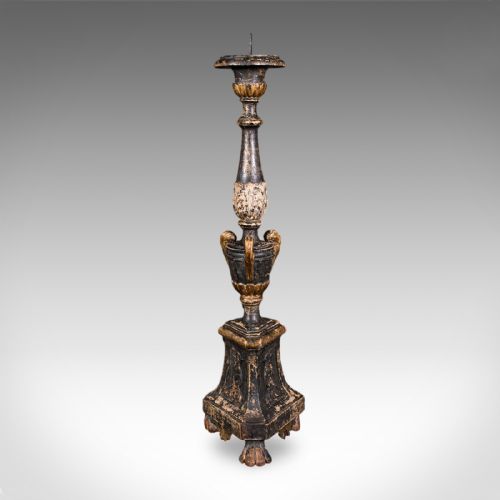
These gilt wood pricket pieces bring towering ecclesiastical presence and rich surface texture to a room, offering centuries of carved craftsmanship.
Gilt Wood Pricket
When searching for gilt wood pricket items, buyers encounter tall altar-style candlesticks, pricket sticks, and converted lamps dating from the seventeenth century onwards. These objects originate primarily from Italian and English workshops, spanning Baroque, Rococo, and Neoclassical styles.
How they were made
Artisans carved the core structure from solid timber, such as wood and treen, before applying a smooth gesso layer to prepare the surface for gilding. This meticulous foundation allowed for deep relief carving and sharp architectural detail.
Craftsmen then applied gold leaf, silver leaf, or mecca finish over the gesso, often combining ebonised elements or iron components for contrast. The resulting surfaces reflect candlelight deeply through layers of metallic leaf.
Gilt Wood Pricket Retail Price Guide 2026
Typical asking prices for gilt wood pricket among the pieces listed under this phrase on Sellingantiques today, from the lower quarter to the upper quarter. They describe what is for sale here now, not the wider market.
Several towering examples stand well over a metre high, built to command grand ecclesiastical spaces rather than modest tables.
What varies in quality
The depth and vigour of the hand-carving separate standard pieces from exceptional examples, particularly in Italian Baroque and Rococo forms. Crisp undercut foliage and well-proportioned turned stems demonstrate superior workshop execution.
The integrity of the original gesso and metallic leaf surface dictates the visual weight of the piece. Surviving gilding with natural ageing outlasts heavily restored or over-painted surfaces.
The Gilt Wood Pricket Glossary
- Pricket
- A sharp metal spike on top of a candlestick designed to hold a candle in place. This form predates socket candlesticks and derives from church altars.
- Gesso
- A plaster-like mixture applied to wood surfaces as a base for gilding. It provides a smooth ground that artisans can carve and polish.
- Giltwood
- Timber decorated with gold leaf applied over a prepared ground. It defines much of the decorative furniture and lighting from the seventeenth century onwards.
- Mecca
- A transparent yellow varnish applied over silver leaf to imitate the appearance of gold. It creates a warm, burnished tone on Italian altar pieces.
- Treen
- Small handmade wooden household objects and decorative items. These pieces showcase traditional turning and carving skills.
Gilt Wood Pricket: Frequently Asked Questions
What is a pricket candlestick?
A pricket candlestick uses an upright metal spike rather than a socket to secure the candle. This traditional ecclesiastical design requires candles with a recessed base to sit upon the point.
Such pieces originated mainly for church altars before finding a place in domestic interiors as decorative floor and table items.
How do I care for giltwood?
Giltwood requires gentle dusting with a soft, dry brush to protect the delicate metallic leaf and underlying gesso. Avoid liquid cleaners and moisture entirely, as water lifts the gilding from the wood.
Keep these pieces away from direct sunlight and heat sources to prevent the wood from warping and the gesso from cracking.
Are these pieces electrified?
Many historical candlesticks and pricket sticks have been converted into table lamps, standard lamps, or wall sconces over time. Some retain their original wooden configuration for holding candles.
Conversions often utilise existing central channels or discreet wiring paths to preserve the carved wooden structure of the shaft.
How to identify Italian styles?
Italian pieces often display exuberant Baroque or Rococo carving with dynamic scrolling foliage and silvered mecca finishes. Florentine and Venetian workshops favoured dramatic scale and rich surface gilding.
English counterparts tend to exhibit more restrained architectural proportions, frequently incorporating ebonised details alongside traditional carving.