

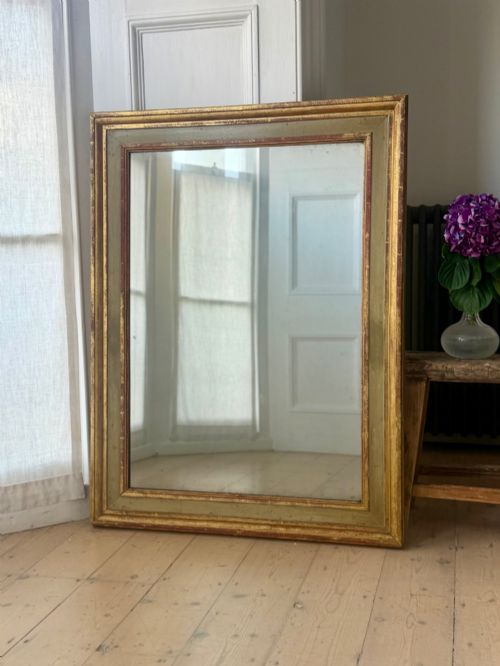
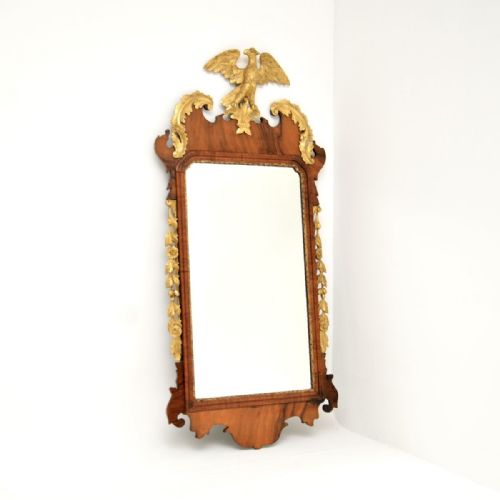
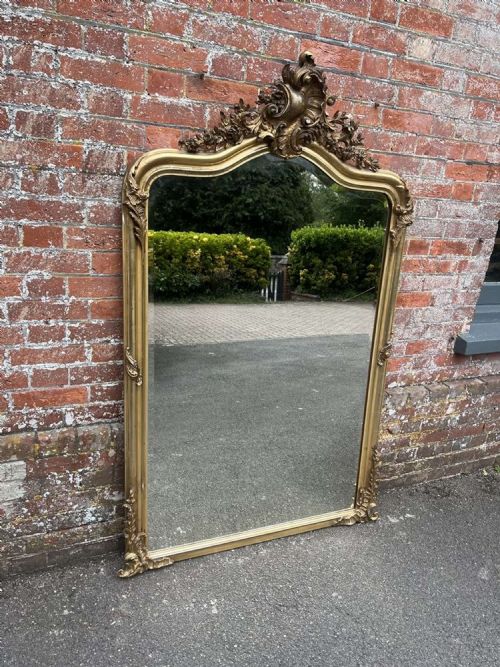
Gilt Wood Pier Glass
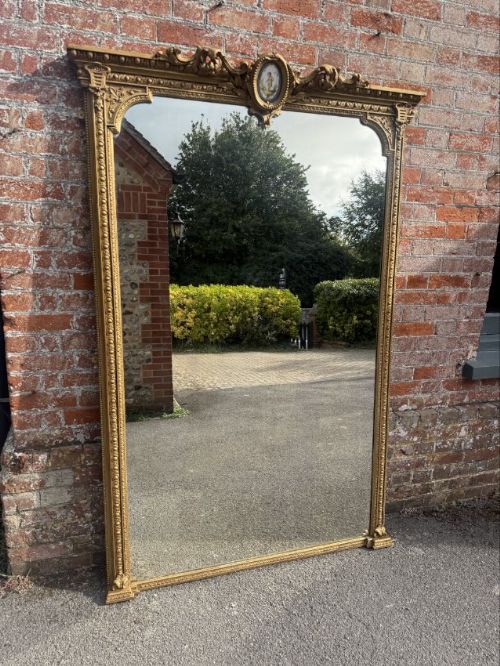
A gilt wood pier glass brings architectural light and presence to a room, catching daylight between windows just as it did in Georgian and Victorian parlours.
Gilt Wood Pier Glass
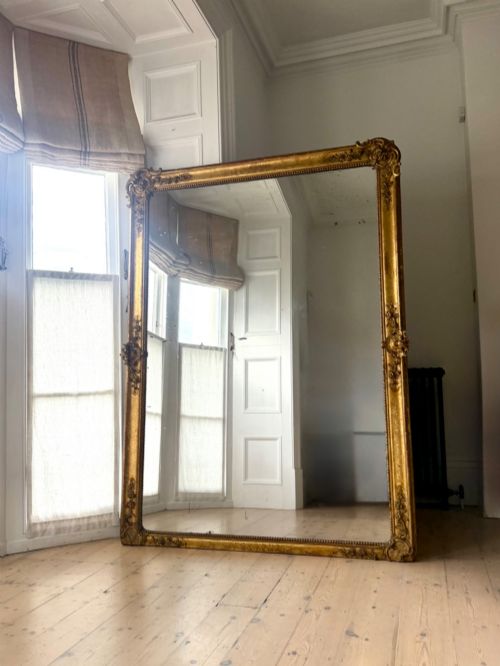
When searching for a gilt wood pier glass, buyers encounter tall vertical mirrors designed specifically for the wall space situated between two windows. These pieces often originate from the 18th, 19th, and early 20th centuries, spanning Georgian, Regency, and Victorian periods.
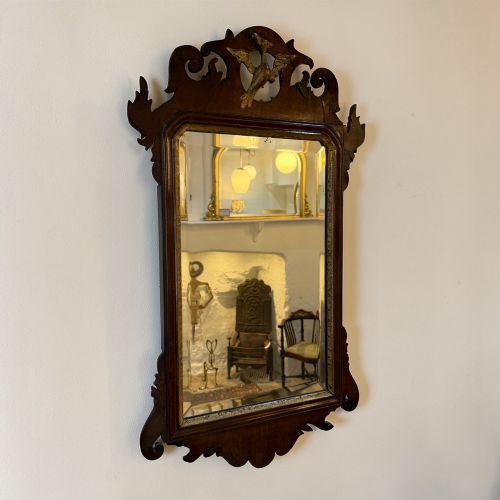
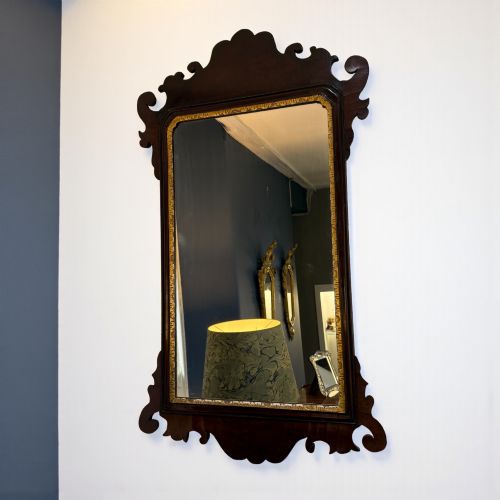
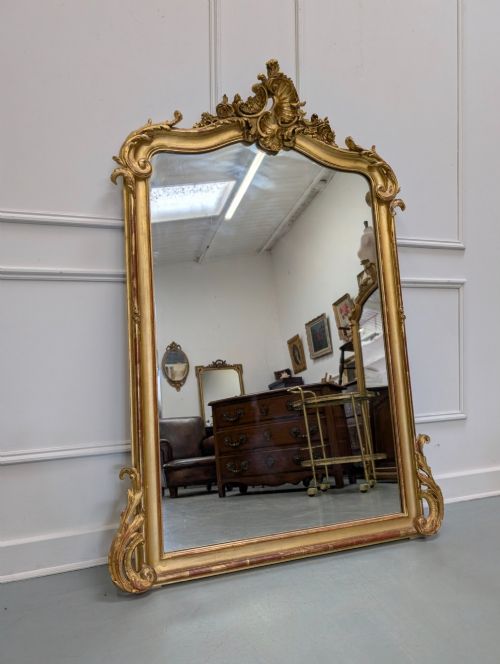
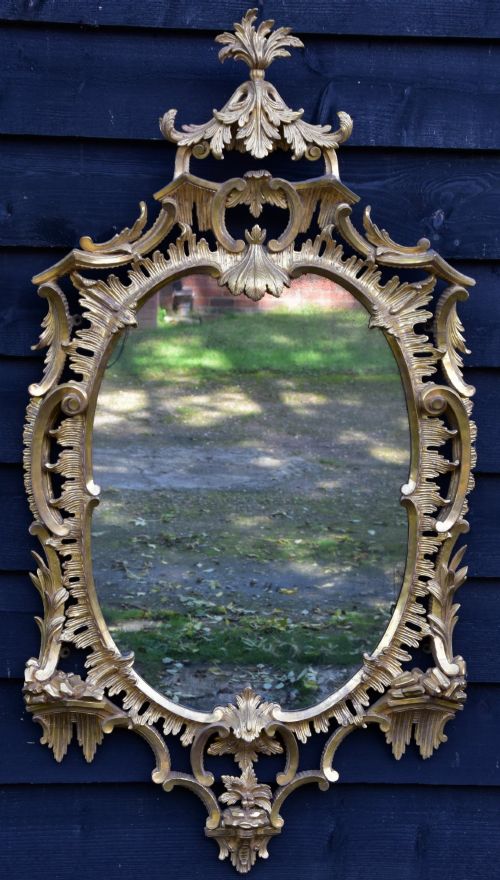
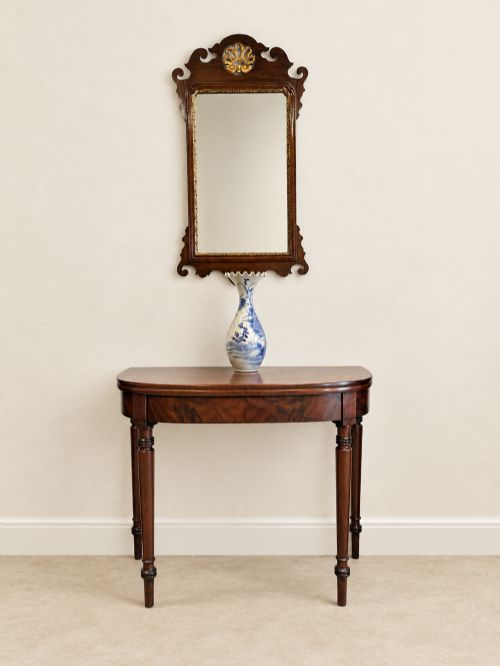
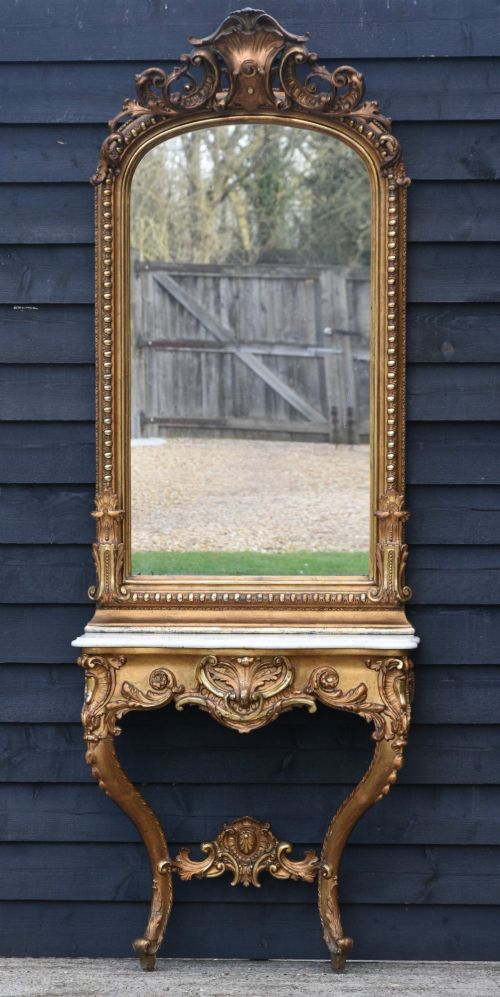
The most common examples on this page are substantial French and English wall mirrors, frequently paired with console tables or constructed with mercury glass plates. Surviving items include both original period pieces and later revival styles such as Chippendale and French Rococo.
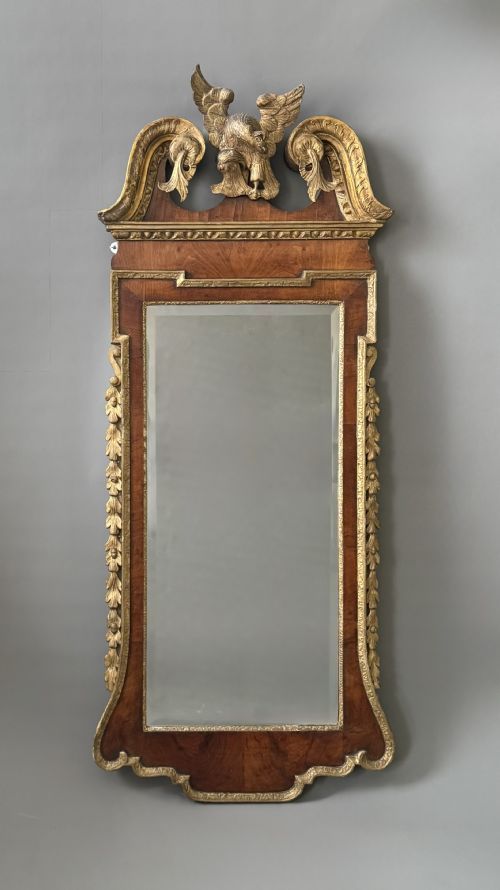
Makers and craftsmen utilised carved wood, gesso, and gold leaf to build ornate frames intended to reflect natural light deep into formal reception rooms. The forms range from simple reeded frames to monumental console and pier mirror combinations.
How they were made
Makers built the structural frames using timber such as mahogany, walnut, or carved wood, then applied layers of gesso to create smooth surfaces for detailing. This plaster-like mixture allowed artisans to carve intricate floral and architectural motifs before gilding.
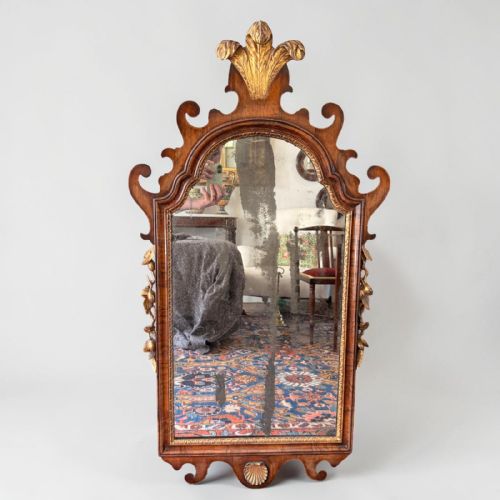
Gold leaf or liquid gilding was applied over the prepared gesso ground, creating the bright metallic finish characteristic of these mirrors. Many older examples feature original mercury glass plates, which display distinct foxing and uneven silvering over time.
Listings feature 18th-century, Georgian, and Victorian periods alongside revival styles including Chippendale, French Rococo, and Adam.
What varies in quality
Quality rests in the depth and sharpness of the hand-carved ornament on the wooden frame rather than a flat moulded surface. Crisp relief work in the gesso and wood demonstrates the hand of a skilled artisan.
The retention of the original mirror plate, especially early mercury glass with natural foxing, separates standard examples from pieces with later replacement glass. Heavier, solid construction and intact original gilding also distinguish superior items.
The Gilt Wood Pier Glass Glossary
- Pier glass
- A tall mirror designed to hang on the narrow wall space between two windows. These mirrors were often placed above console tables.
- Gesso
- A plaster mixture applied to wood frames as a base for carving and gilding. It provides a smooth surface for intricate mouldings.
- Mercury glass
- An early type of mirror glass made by pouring a mercury amalgam behind the glass plate. It produces a soft, mottled reflection.
- Parcel-gilt
- A finish where only specific portions of a wood frame are gilded with gold leaf, leaving the underlying walnut or mahogany exposed.
- Fretwork
- Openwork ornamentation cut from thin boards using a fretsaw. This technique appears frequently on Georgian style frames.
Gilt Wood Pier Glass: Frequently Asked Questions
Where should I hang a pier glass?
These mirrors suit narrow wall spaces between windows, reflecting light back into the room as originally intended by period interior designers.
They also function effectively above mantelpieces or console tables in principal reception rooms.
What is mercury glass?
Mercury glass refers to mirror plates produced using a liquid amalgam poured behind the glass pane. This historical method creates a characteristic dark mottling.
Over decades, this process leads to foxing and charming imperfections across the reflective surface.
How do I date a gilt wood mirror?
Dating relies on examining the construction methods of the timber frame, the style of carving, and the composition of the mirror plate. Georgian pieces show different joinery and ornament compared to later Victorian revivals.
Turn-of-the-century revival pieces often mimic earlier 18th-century forms closely.
Are these mirrors heavy?
Many period pier glasses possess heavy wooden frames and thick glass plates, requiring secure wall fixings to support the weight safely.
Larger console combinations and monumental mirrors demand professional installation to ensure stability.