


Gilt Wood Light
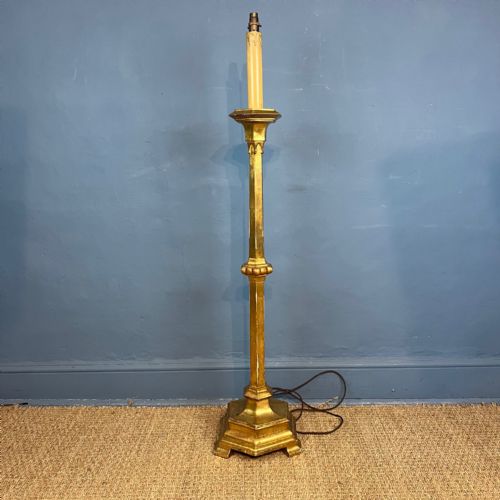
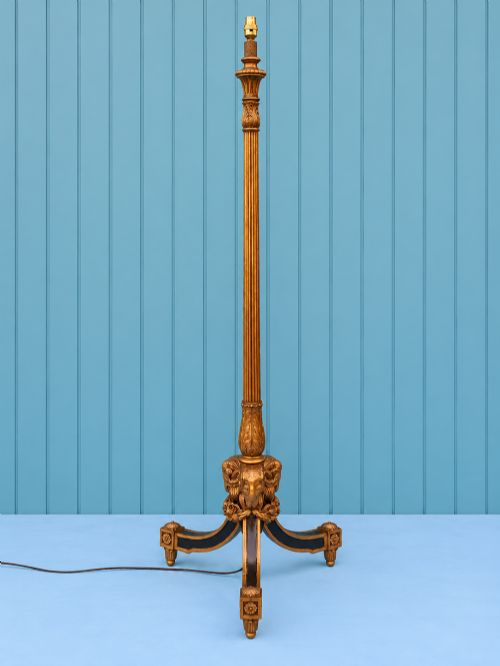
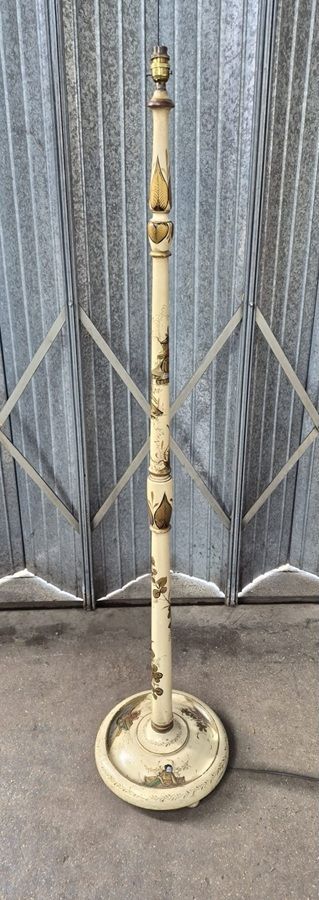
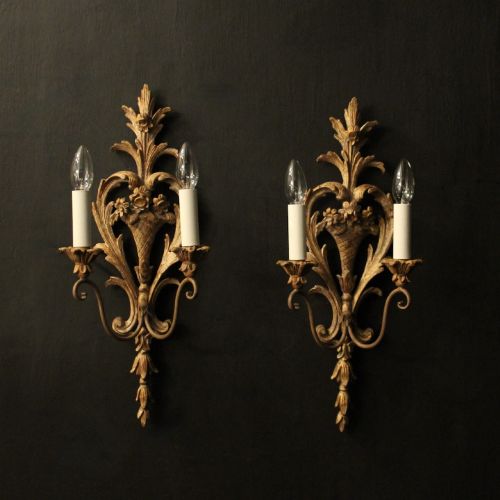
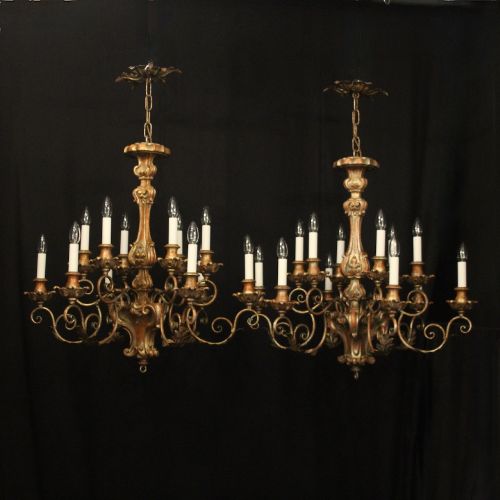
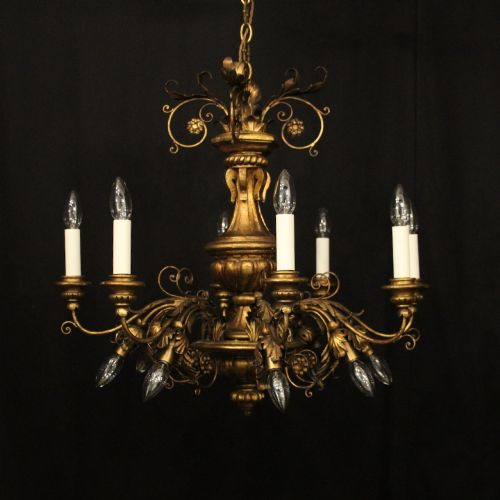
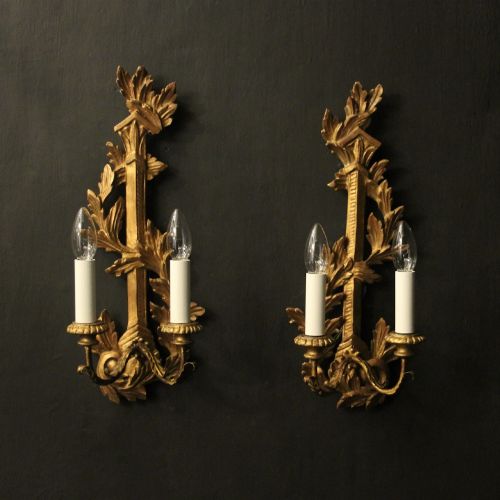
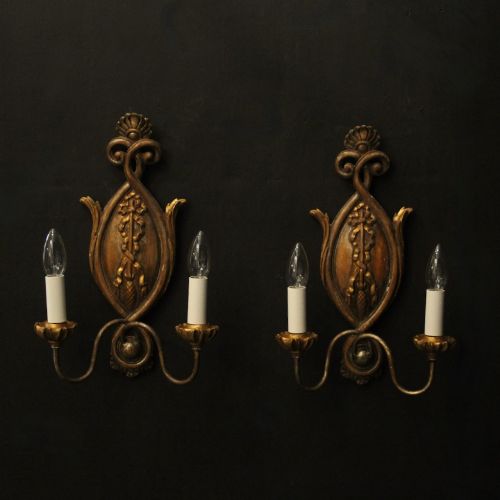
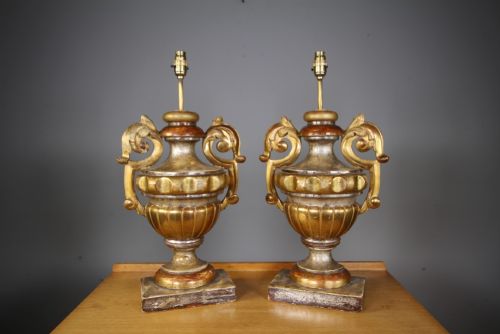
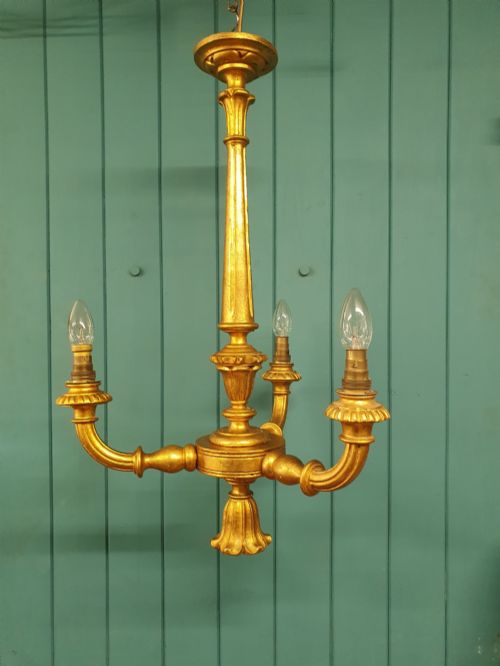
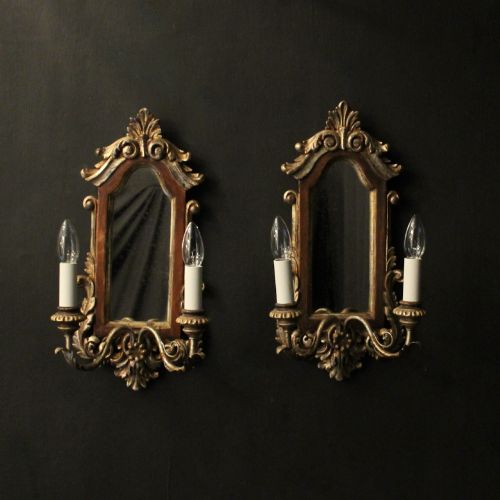
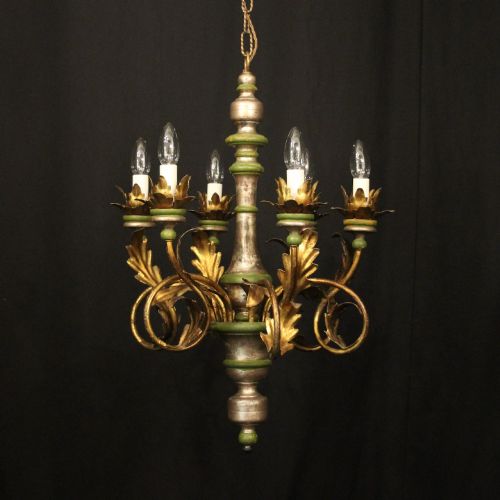
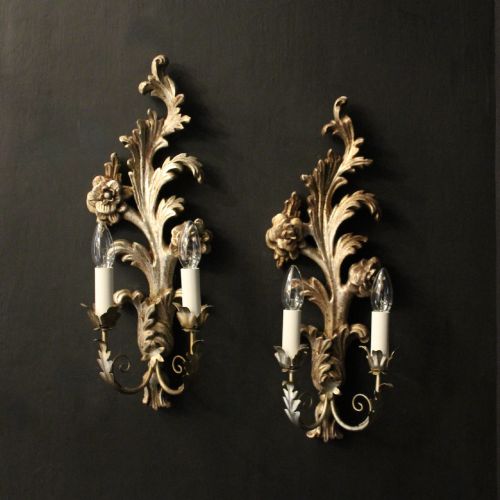
Gilt wood light pieces bring warmth and rich texture into a room, offering everything from grand chandeliers to delicate wall sconces.
Gilt Wood Light
The aesthetic leans heavily toward Italian craftsmanship, with Florentine, Venetian, and Baroque styles representing a significant portion of the pieces. Chandeliers and girandoles round out the options for those seeking overhead or reflective wall illumination.
How they were made
Makers shaped these fixtures primarily from carved wood, pine, and timber, applying layers of gesso to smooth the surfaces before finishing. Artisans then applied gold leaf, silver gilding, or polychrome paint to achieve the luminous metallic finish.
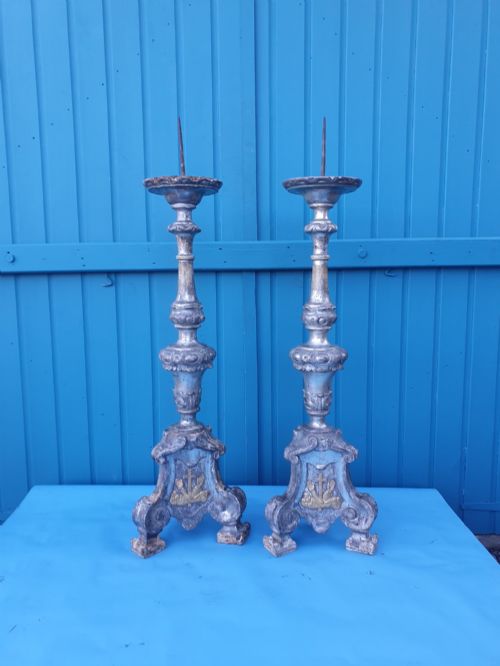
Many older items began as functional candle holders, prickets, or altar candlesticks before undergoing later conversions to electricity. Metal components, brass fittings, and mirrored glass frequently complement the carved wooden structures.
Gilt Wood Light Retail Price Guide 2026
Typical asking prices for gilt wood light among the pieces listed under this phrase on Sellingantiques today, from the lower quarter to the upper quarter. They describe what is for sale here now, not the wider market.
Materials across these listings span carved wood, gesso, gold leaf, brass, and fabric, with origins tracing from the seventeenth century through the Edwardian era.
What varies in quality
The depth and intricacy of the hand-carving define the upper tier of these pieces, distinguishing fluid organic motifs from simpler turned timber. Crisp execution in the gesso work allows the underlying detail of the wood to remain sharp beneath the metallic leaf.
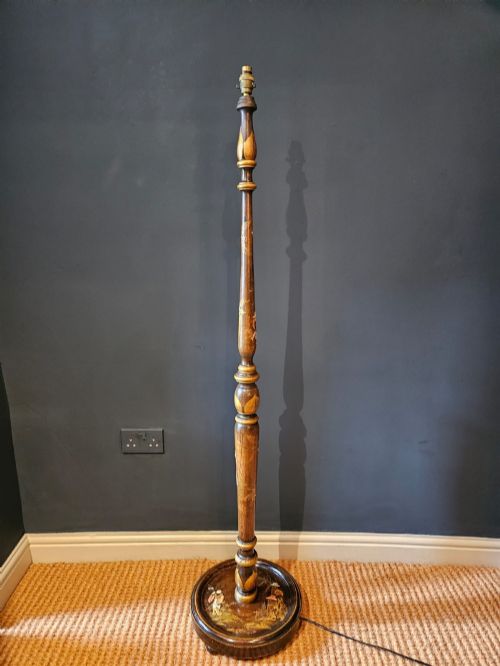
Original surface treatments and authentic period gilding carry more weight than later repainted finishes. The integrity of the structural joinery in larger items such as floor lamps and chandeliers also dictates the calibre of the piece.
The Gilt Wood Light Glossary
- Giltwood
- Wood that has been coated with gold leaf or a gold-coloured substance. This finish provides the characteristic metallic gleam seen on period frames and lighting fixtures.
- Gesso
- A plaster mix applied to a wooden base to create a smooth surface for gilding. It allows craftsmen to model intricate relief ornamentation before applying gold leaf.
- Girandole
- An ornamental bracket wall light with a reflecting mirror. The glass plate multiplies the illumination cast by the candles or lamps.
- Pricket
- A sharp spike on a candlestick designed to hold a candle securely in place. They appear frequently on ecclesiastical altar sticks converted into lamps.
- Blackamoor
- A decorative sculptural figure, often depicted in Venetian art carrying light standards or holding torches. These life-size statues function as dramatic floor lamps.
Gilt Wood Light: Frequently Asked Questions
How do I wire an old candlestick?
Converting an antique candlestick generally requires running a discreet cord through a central channel or utilising a specialised brass fitting that attaches securely to the top without damaging the original wood.
Professional electricians should handle the internal wiring to ensure safety standards are met while preserving the structural integrity of the timber.
What is a Florentine chandelier?
Florentine chandeliers originate from Italy and typically feature ornate carved wooden scrollwork covered in gold leaf or polychrome paint. They often support multiple arms for lights.
These fixtures reflect the rich decorative traditions of the region, bringing an opulent and historic atmosphere to interior spaces.
Are these lamps converted from candles?
Many items in this category started life as altar prickets, candlesticks, or wall sconces designed strictly for wax candles before being adapted for electricity in later decades.
Conversion methods vary, but the presence of original prickets or drip pans often indicates the earlier lighting function of the object.
How do I clean gilded wood?
Gilded surfaces require gentle dusting with a soft, dry brush to remove particles without abrading the delicate gold leaf layer. Moisture and chemical cleaners should be avoided entirely to prevent lifting the gesso and metallic finish.
Preserving the original patina involves minimal intervention and careful handling during routine maintenance.