



Gilt White Porcelain Plate
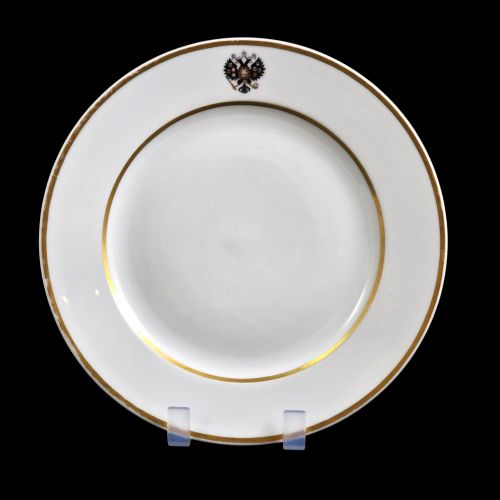
A gilt white porcelain plate brings together crisp white ceramic and burnished gold leaf, offering a refined setting for display or service.
Gilt White Porcelain Plate
A gilt white porcelain plate represents a category of ceramic tableware and display pieces designed across the eighteenth, nineteenth, and early twentieth centuries. When searching for a gilt white porcelain plate, collectors encounter forms ranging from simple cabinet plates and dessert dishes to extensive service components.
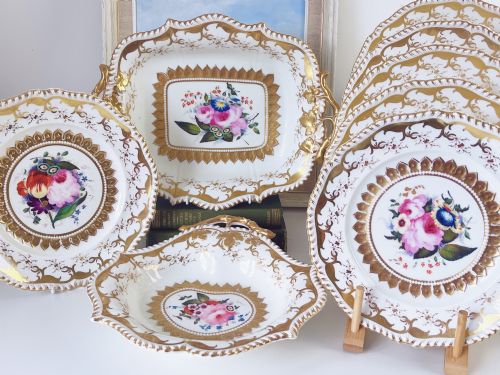
The pieces originating from this search span English factories like Worcester, Minton, and Derby, alongside continental European houses such as Meissen and Sevres. Dessert services, cabinet plates, and serving dishes dominate the available forms, reflecting the dining customs of the Georgian, Victorian, and Edwardian eras.
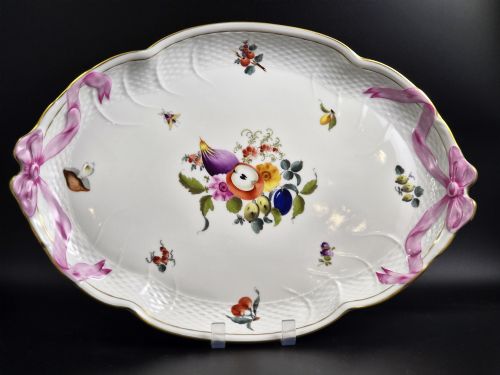
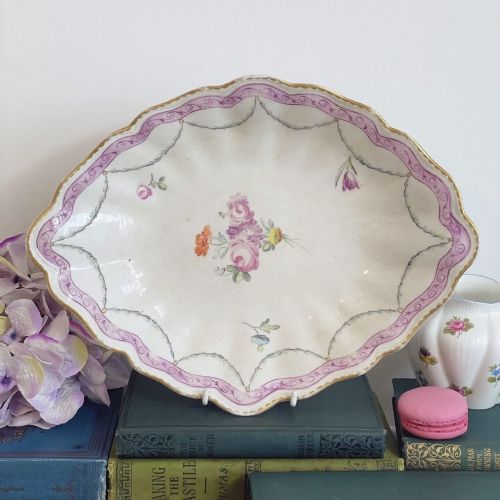
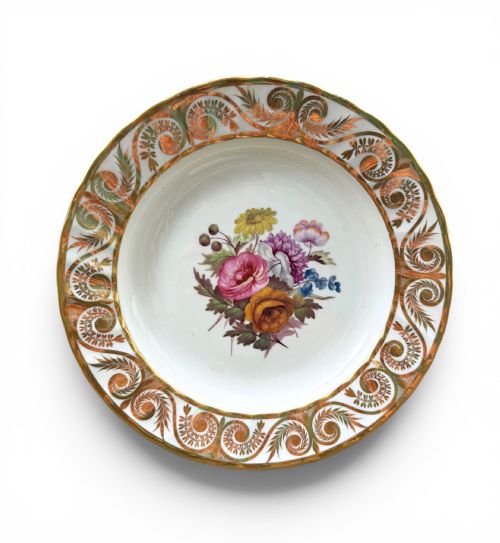
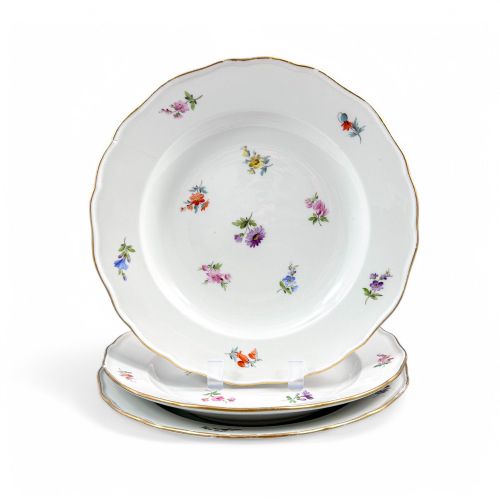
Makers utilised porcelain bodies decorated with handpainted florals, topographical scenes, and Japanese motifs, finished with gilt borders and accents. Selecting a piece involves weighing the historical period against the specific decorative style, whether that leans towards Rococo Revival, Neoclassical, or Aesthetic Movement designs.
Materials and production methods
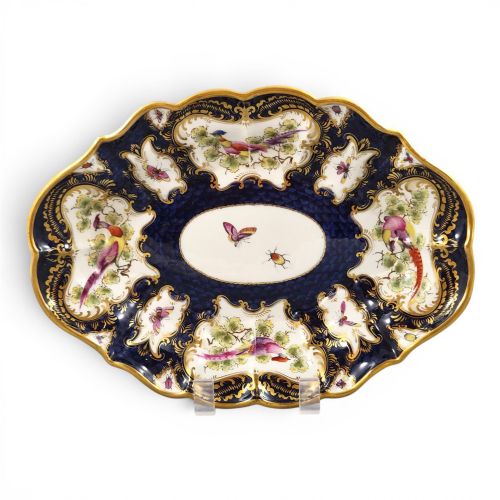
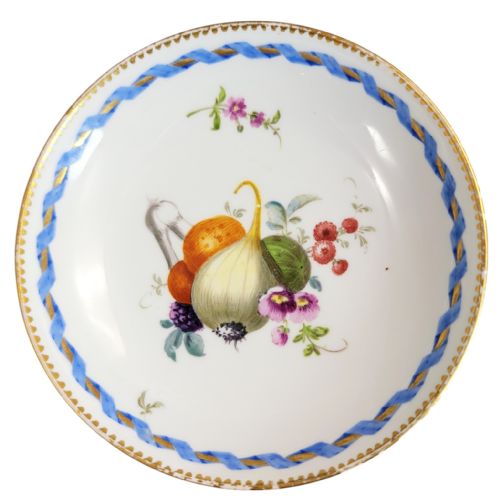
Potteries relied on hard-paste porcelain, soft-paste porcelain, bone china, and ceramic bodies shaped into plates, dishes, and platters. Craftsmen applied enamels by hand, creating polychrome floral sprays, exotic birds, and armorial crests.
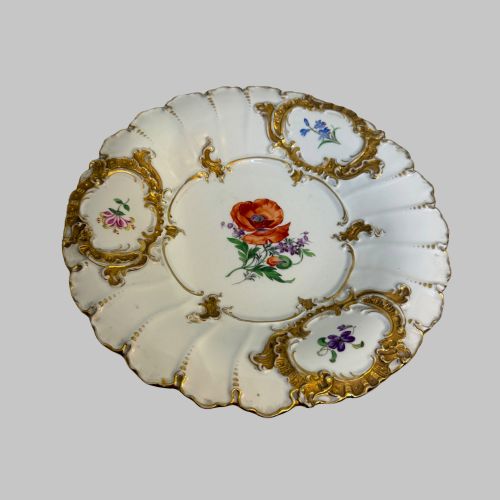
Guilders added gold leaf and liquid gilding to rims, handles, and borders, often firing the pieces multiple times to bond the metallic highlights to the white ceramic glaze. Techniques like pate-sur-pâte built up raised white relief designs on contrasting coloured or white backgrounds.
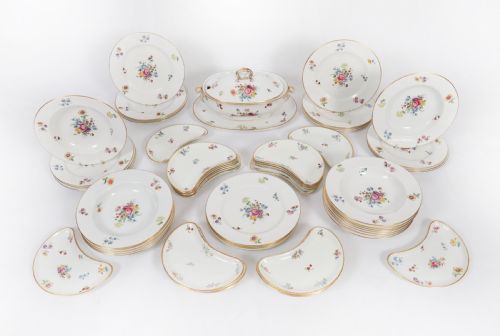
An extensive Victorian child's toy dinner service proves that miniature diners required just as much gilded elegance as their parents.
Distinctions in craftsmanship and execution
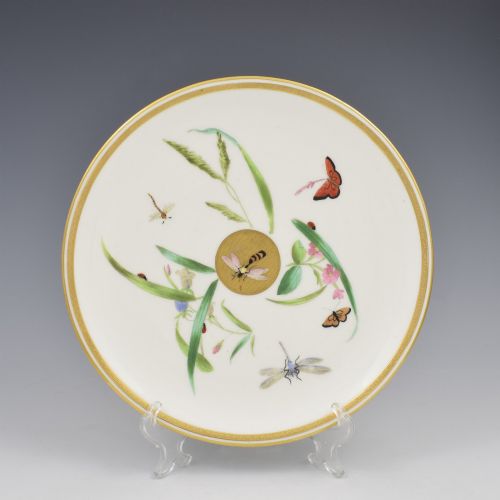
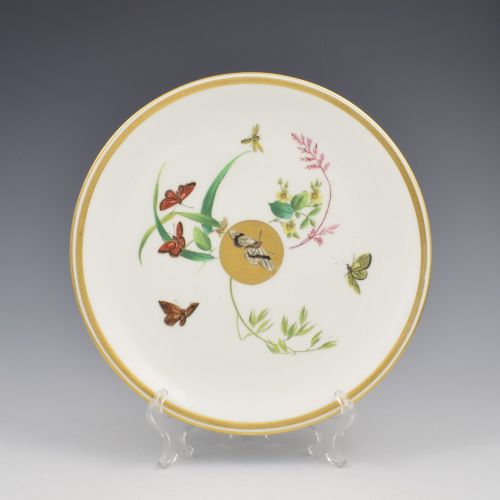
The standard of handpainting dictates the visual impact, separating freely rendered botanical studies and detailed topographical views from repetitive factory work. Crisp brushwork in the floral sprays and precise bird or insect illustrations indicate skilled studio hands.
The application and preservation of the gilding determine the longevity of the piece's decorative appeal. Thick, hand-burnished gold leaf retains a deeper lustre and resistance to wear compared to thin, rubbed wash applications.
Grainger Lee And Co·Derby·Moses Webster·Minton·Royal Worcester·Spode·Meissen·Barr Flight And Barr·Rockingham Pottery·Coalport·Paul Muller Selb·Sevres·Chantilly·Doulton·James Giles·Grainger And Co·Crescent China·Wedgwood·Royal Crown Derby
The Gilt White Porcelain Plate Glossary
- Cabinet plate
- A decorative plate intended for display in a cabinet rather than functional dining use. These often feature elaborate handpainted scenes or rich gilding.
- Gilding
- The application of gold leaf or gold powder to the ceramic surface. It provides the metallic borders and highlights characteristic of these wares.
- Hard-paste porcelain
- A dense, vitrified ceramic compound fired at high temperatures. It forms a durable, translucent white body resistant to scratching.
- Soft-paste porcelain
- An early ceramic composition fired at lower temperatures than hard-paste. It yields a warmer tone and a softer glaze popular in eighteenth-century factories.
- Pate-sur-pate
- A ceramic decoration technique where wet porcelain slip is built up in layers to create a low relief cameo effect. Minton famously produced notable examples in this style.
Gilt White Porcelain Plate: Frequently Asked Questions
How do I date a porcelain plate?
Dating relies on factory backstamps, pattern numbers, and stylistic markers such as Rococo scrolls or Aesthetic Movement motifs. Comparing the mark to known operational dates narrows the production window.
Material composition also assists, as eighteenth-century soft-paste differs visibly from nineteenth-century bone china and hard-paste bodies.
Can I use these plates for dining?
Most antique pieces function best as decorative cabinet plates or light dessert dishes rather than everyday tableware. Historic glazes and handpainted enamel or gilt surfaces are vulnerable to modern detergents and cutlery.
Handwashing in lukewarm water preserves the fragile ceramic body and the integrity of the gold leaf.
What does cabinet plate mean?
A cabinet plate refers to a decorative ceramic piece created primarily for visual display in a cabinet or on a wall. These items typically feature superior handpainted artwork or intricate gilding.
They often formed part of a larger dessert service reserved for special guests.
How do I identify factory marks?
Factory marks include painted blue script, impressed symbols, or gilded ciphers stamped directly into the ceramic base. Reference books match these marks to specific periods of operation.
Unmarked pieces require attribution through body type, glaze characteristics, and painting style.