

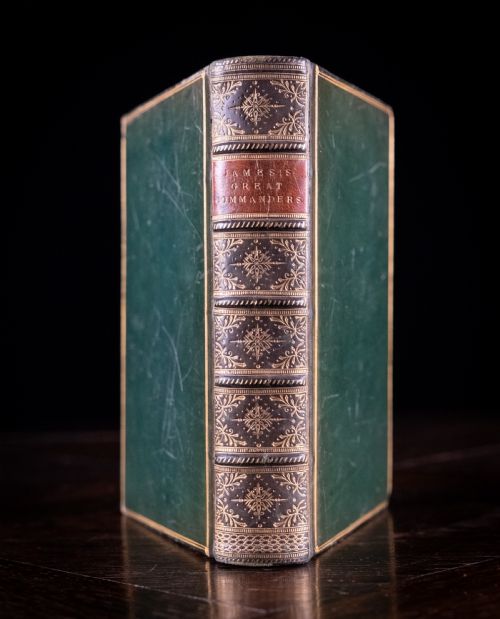


Gilt Tooling Book
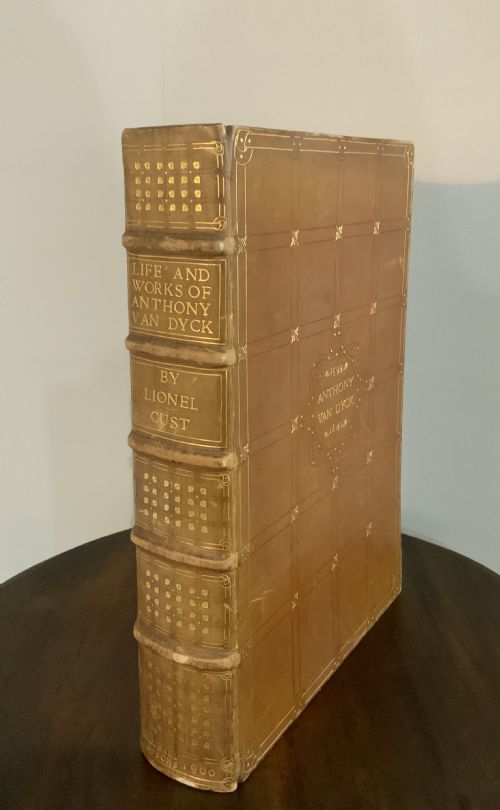
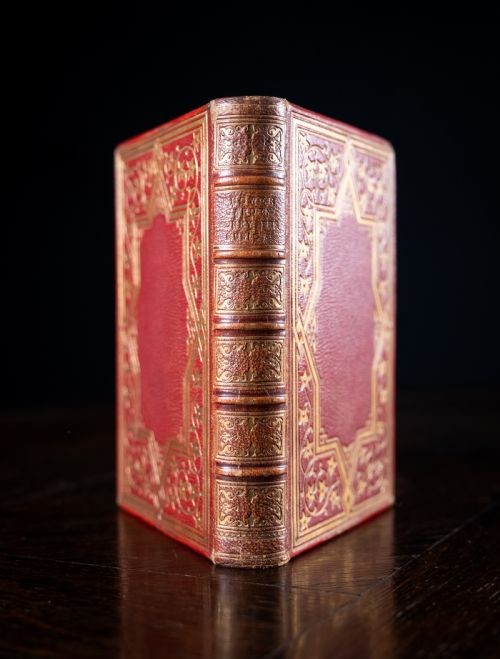
A gilt tooling book brings nineteenth-century craftsmanship directly to your study through richly ornamented leather bindings.
Gilt Tooling Book
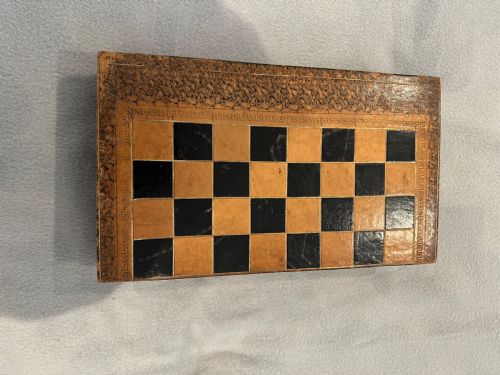
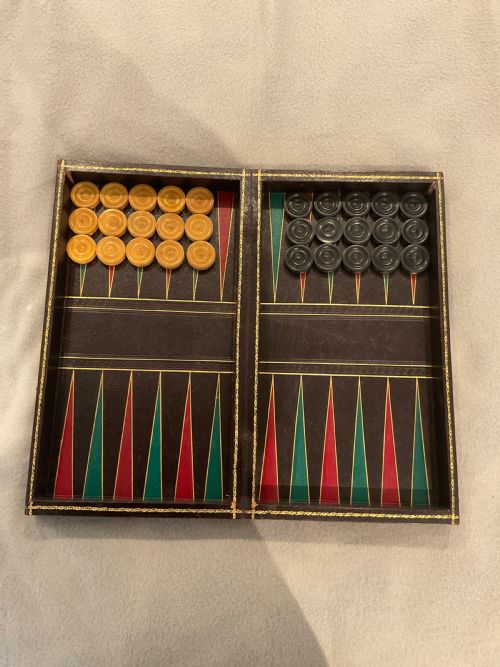
When you search for a gilt tooling book, you encounter antique volumes, multi-volume sets, and leather-bound objects shaped like books, such as games boards, boxes, and small tables. These pieces date principally from the nineteenth century, ranging across Victorian production up to mid-century examples.
The most common forms on this page are authentic antiquarian books bound in leather and decorated with gold leaf, alongside nineteenth-century faux book items designed to hold games or conceal objects. Such pieces reflect the heavy emphasis on decorative bookbinding during the Victorian period.
Origins span traditional English publishing and continental European workshops, including French faux book caskets and tables. The selection ranges from single volumes of poetry and history to complete multi-volume sets.
How they were made
Makers bound these volumes using natural materials such as calfskin leather, paper, wood, and cardboard, constructing sturdy internal structures before applying the outer covering. Brass components appear on associated items like boxes and tables.
Binders impressed heated metal tools directly onto the leather to create recessed channels, then laid gold leaf into the impressions to form the distinctive metallic ornamentation. This technique required steady pressure and precise temperature control to ensure the gold adhered cleanly to the hide.
Listings feature items dated from the eighteenth century through the mid-nineteenth and twentieth centuries, incorporating leather, gold leaf, wood, and brass.
What varies in quality
The precision and depth of the gold leaf impression determine the visual sharpness of the ornamentation, where crisp lines indicate skilled hand tool work rather than shallow mechanical pressing. Superior bindings maintain clean definition across complex spine patterns and board borders.
The quality of the underlying leather and the structural integrity of the paper block establish durability, with supple calfskin holding tooling far better than brittle or degraded hides. Uniformity in multi-volume sets also affects desirability, particularly when bindings match exactly across a series.
The Gilt Tooling Book Glossary
- Gilt
- Application of gold leaf or gold powder onto a surface for decorative effect. On these books, gilt highlights the leather tooling.
- Calfskin
- A fine leather prepared from the skin of a calf, valued for its smooth texture and ability to accept detailed tooling. It forms the primary binding material for many Victorian volumes.
- Faux book
- An object constructed to resemble a book, often serving as a games board, box, or small table. These pieces frequently feature leather bindings and gilt tooling.
- Tooling
- The process of impressing decorative designs into leather using heated metal stamps and rolls. It creates the intricate patterns seen on period spines and covers.
Gilt Tooling Book: Frequently Asked Questions
What is a gilt tooling book?
A gilt tooling book refers to an antique volume or leather-bound object featuring decorative designs pressed into the leather using gold leaf. These pieces date primarily from the nineteenth century.
They encompass antiquarian literature, poetry, historical texts, and functional items like games boards and storage boxes disguised as books.
How do I care for leather bindings?
Leather bindings require stable environmental conditions away from direct sunlight and excessive humidity to prevent the hide from drying out. Handle them carefully to protect the delicate gold leaf tooling on the spines and boards.
Avoid using modern chemical cleaners on antique calfskin, as traditional materials respond best to gentle dusting and minimal intervention.
Are faux books functional?
Faux books serve practical purposes beyond their appearance, frequently housing folding games boards, storage compartments, or serving as small tables. Victorian craftsmen built these items to combine utility with decorative library aesthetics.
They open or lift to reveal hidden interiors while maintaining the exact exterior profile of bound volumes on a shelf.
How can I identify Victorian bindings?
Victorian bindings often display characteristic nineteenth-century publishing styles, including dense blind and gilt tooling, calfskin covers, and specific typographic layouts. Dates or stylistic cues within the text often confirm the era of production.
Multi-volume sets from this period frequently share uniform publisher bindings intended for domestic display in nineteenth-century homes.