



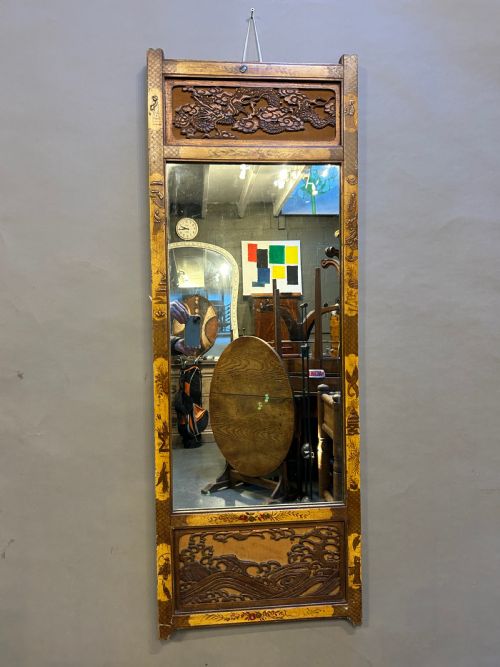


Gilt Timber Mirror
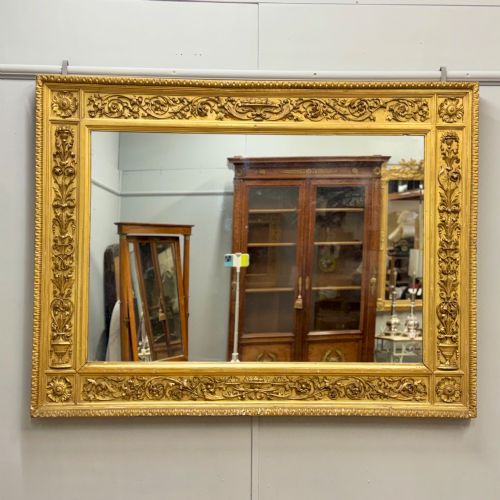
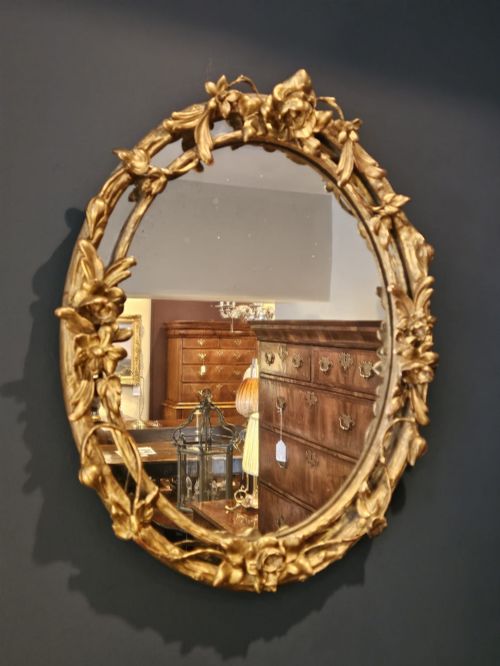
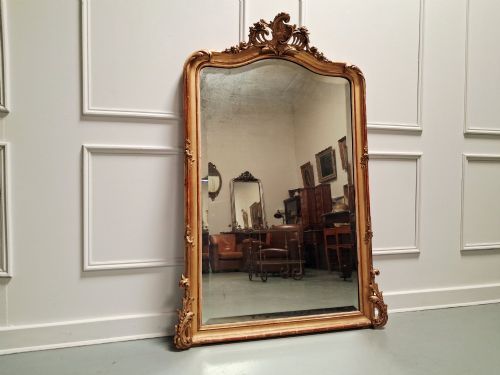
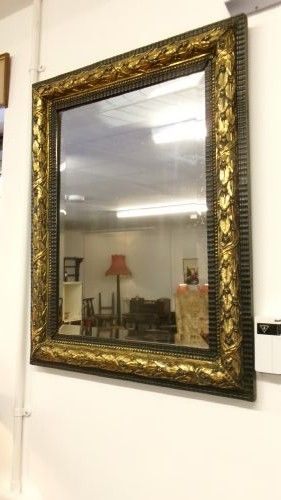
These gilt timber mirror examples bring warmth and reflected light to a room through carved wooden frames finished in gold.
Gilt Timber Mirror
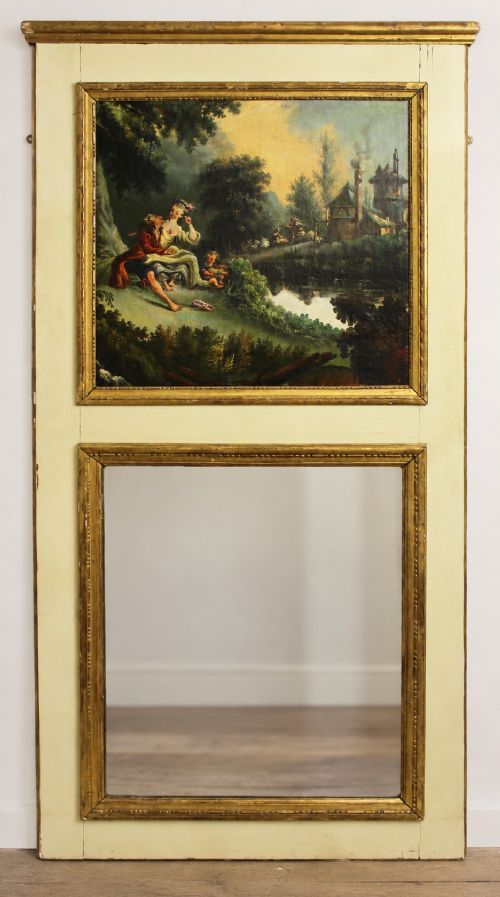
A gilt timber mirror takes many traditional forms, spanning large overmantel designs, smaller wall mirrors, and elaborate French trumeau pieces with painted panels. Buyers seeking a gilt timber mirror most often encounter Victorian examples alongside Georgian, William IV, and early twentieth-century interpretations.
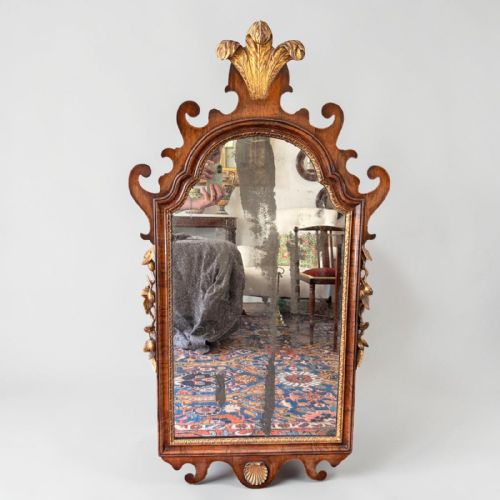
The selection ranges from rectangular and oval wall mirrors to ornate Florentine styles and Chinoiserie pier mirrors. Pieces originate from British, French, Italian, and oriental workshops, reflecting diverse regional carving traditions.
Materials and construction
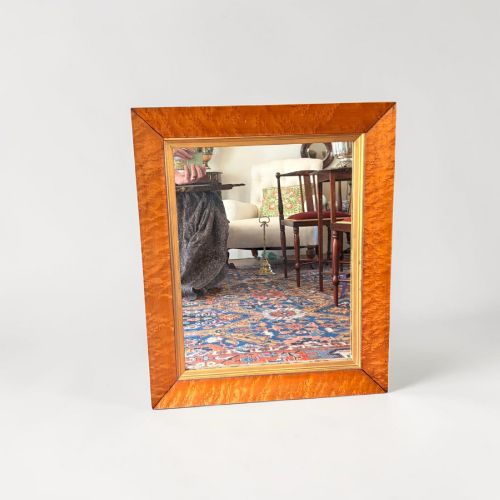
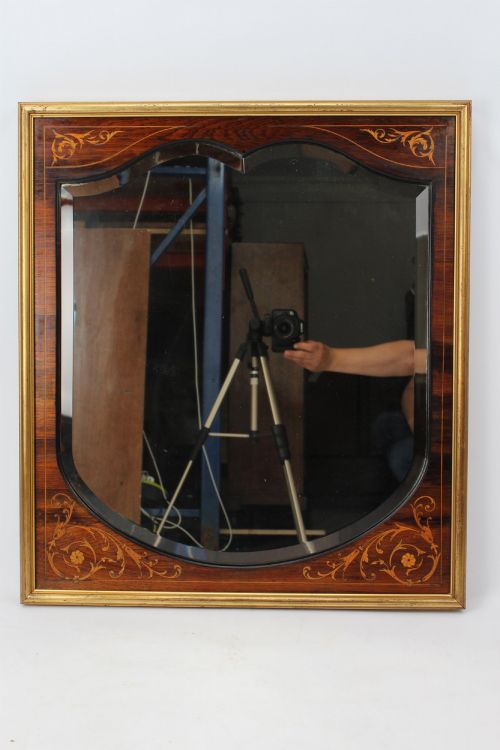
Makers built these frames using timber such as walnut, mahogany, maple, rosewood, and general carved wood, often applying a layer of gesso to create a smooth base for ornamentation. Gold leaf or gilding was then laid over the prepared wooden structure.
Reflecting surfaces consist of traditional glass, housed within frames that frequently feature detailed hand carving, brass mounts, or inlaid details depending on the period.
Gilt Timber Mirror Retail Price Guide 2026
Typical asking prices for gilt timber mirror among the pieces listed under this phrase on Sellingantiques today, from the lower quarter to the upper quarter. They describe what is for sale here now, not the wider market.
Fairground boards make an unexpected appearance among the mirrors, proving that nineteenth-century carvers worked on more than just domestic walls.
Standards of craftsmanship
Quality rests in the crispness of the hand carving and the depth of the timber preparation beneath the gilding. Superior examples display refined joinery and well-preserved surface finishes that retain their original luminosity without heavy modern intervention.
The handling of the gesso and gold leaf determines how well the frame catches light and ages over the decades. Secondary details, such as inlaid veneers and brass mounts, show the care taken by the maker.
The Gilt Timber Mirror Glossary
- Gesso
- A plaster-like mixture applied to wood to create a smooth surface for gilding. It is carved or moulded before the gold leaf is laid down.
- Trumeau
- A decorative wall mirror paired with an oil painting or panel above the glass. These French pieces were traditionally fitted into wall panelling.
- Giltwood
- Timber that has been coated with gold leaf or gilt. It forms the primary decorative finish for these ornate frames.
- Pediment
- The architectural crowning ornament at the top of a mirror frame. Urns and carved foliage frequently appear in this position.
- Pier mirror
- A tall, narrow mirror designed to hang on the wall space between windows. They often coordinate with matching console tables.
Gilt Timber Mirror: Frequently Asked Questions
Where should I hang a gilt timber mirror?
These mirrors suit chimney breasts as overmantels, or entrance halls where reflected light opens up the space. They pair well with both traditional period rooms and contemporary interiors.
Ensure the wall fixings support the weight of the timber and glass structure securely before hanging.
How do I date a gilt timber mirror?
Dating relies on examining the timber species, the style of the carving, and the construction methods used on the reverse of the frame. Victorian and Georgian pieces exhibit distinct joinery and decorative motifs.
Secondary woods and the composition of the gesso layer also offer clues to the period of manufacture.
What is a trumeau mirror?
A trumeau mirror incorporates an integrated oil painting or decorated panel directly above the glass plate. Originating in France, these large pieces served as architectural wall decorations.
Pictorial scenes on the upper panel often depict pastoral subjects.
How do I clean a gilded frame?
Dust the carved wooden surfaces gently with a soft, dry brush to prevent damage to the delicate gold leaf layer. Avoid using water or chemical cleaners on the gilt finish.
Glass panels can be cleaned with a standard glass cleaner applied to a cloth rather than sprayed directly near the frame.