




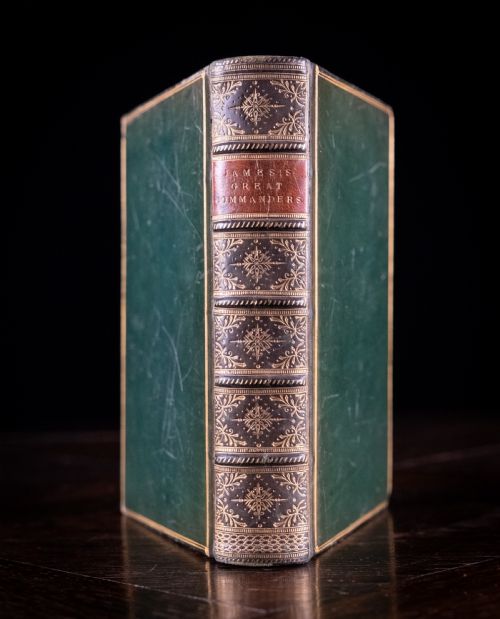


Gilt Spine Leather Volumes
Gilt spine leather volumes bring historical weight and visual rhythm to a room, offering tactile pleasure through soft bindings and gleaming tooling.
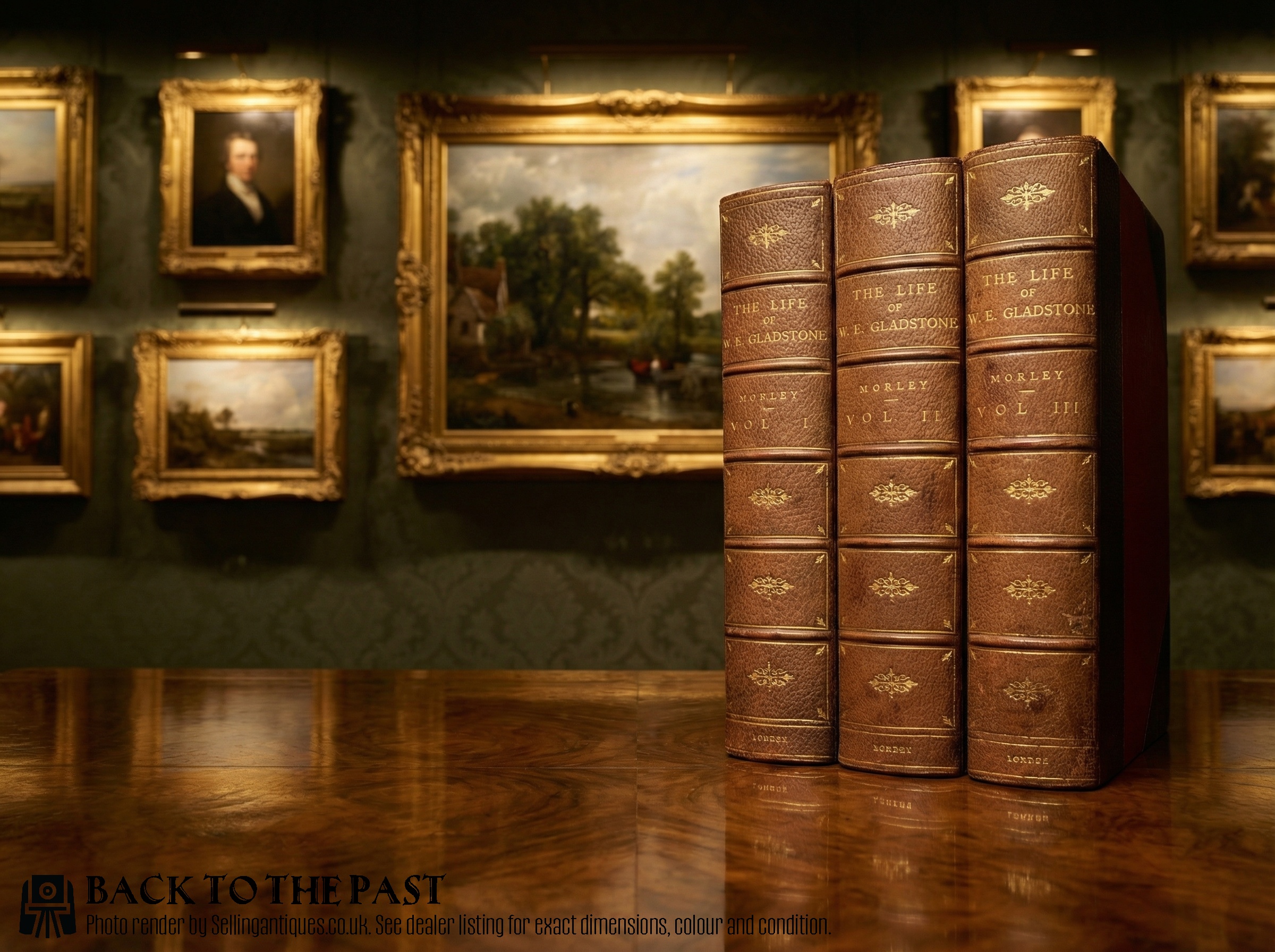
Gilt Spine Leather Volumes
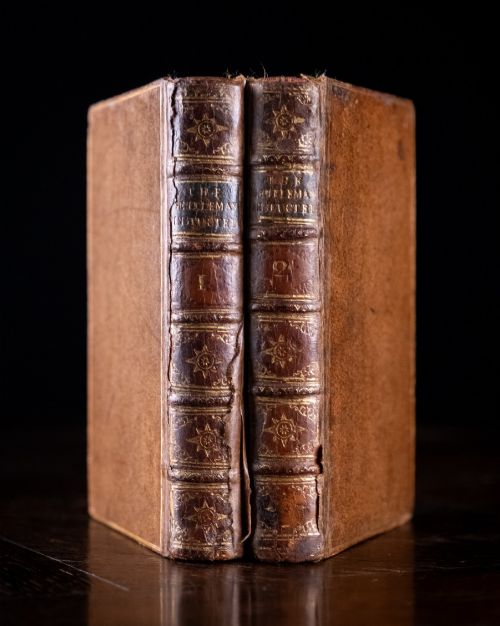
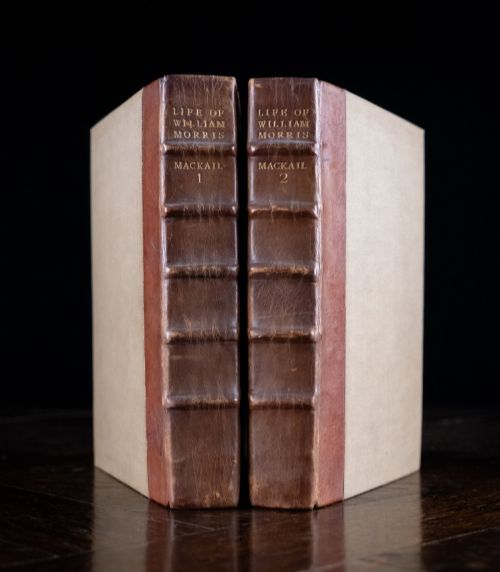
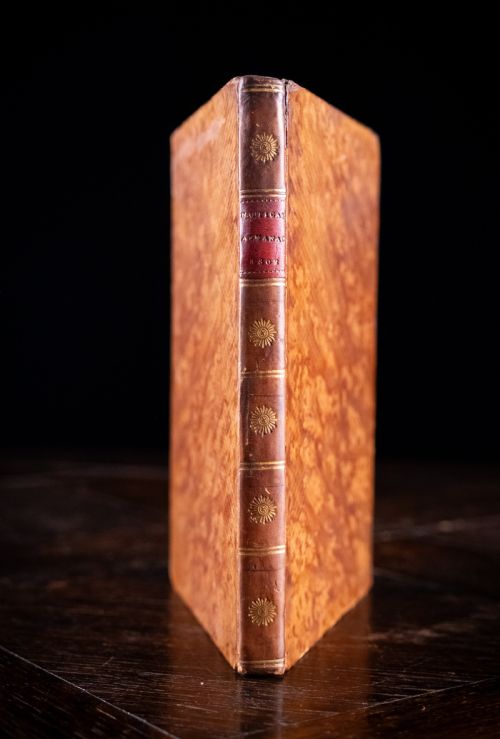
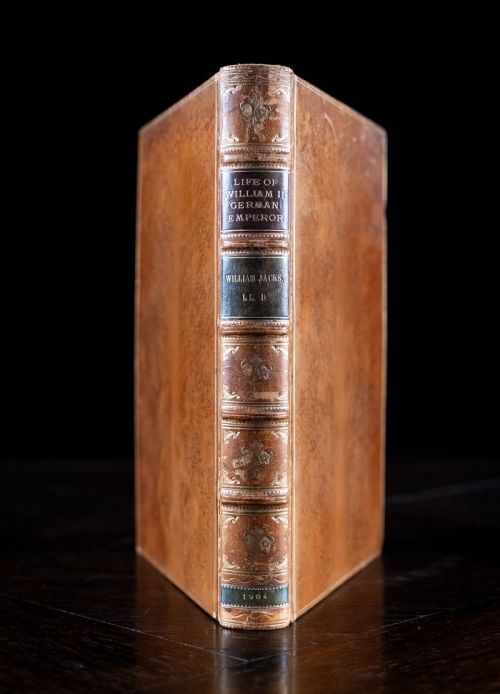
Gilt spine leather volumes comprise antiquarian books, multi-volume sets and single leather-bound works spanning the eighteenth, nineteenth and early twentieth centuries. Collectors encounter individual biographies, classical plays, historical memoirs and geographical atlases bound in calfskin, vellum and cloth with marbled paper elements.
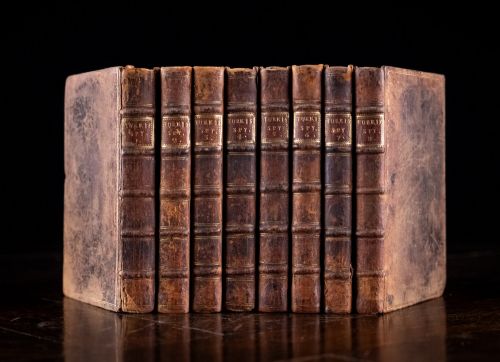
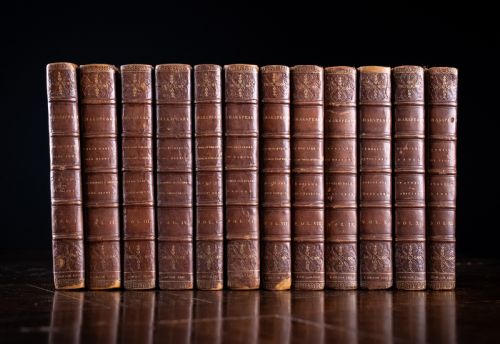
The selections on this page range from single nineteenth-century histories and travel accounts to extensive multi-volume sets of Shakespeare plays and classical literature. Pieces originate from Georgian, Regency, Victorian and Edwardian periods, displaying distinct regional styles including French classical and German cartography.
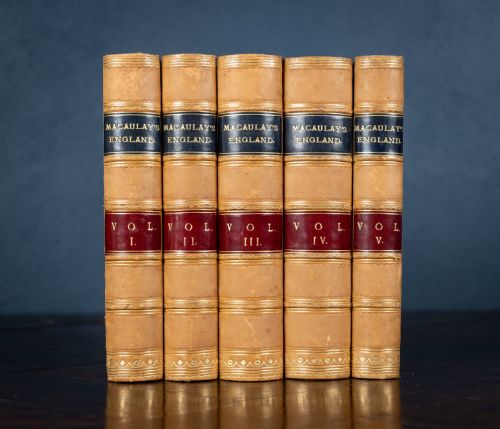
Buyers look for matched sets and uniform bindings that create a cohesive appearance on a library shelf. The material ranges from robust calfskin leather to delicate vellum, each bringing specific tactile and visual qualities to the collection.
How They Were Made
Binders utilised genuine leather, calfskin and vellum over sturdy paper boards, securing the book blocks with durable sewing techniques. Spines were often reinforced with raised bands to provide structural stability during frequent handling.
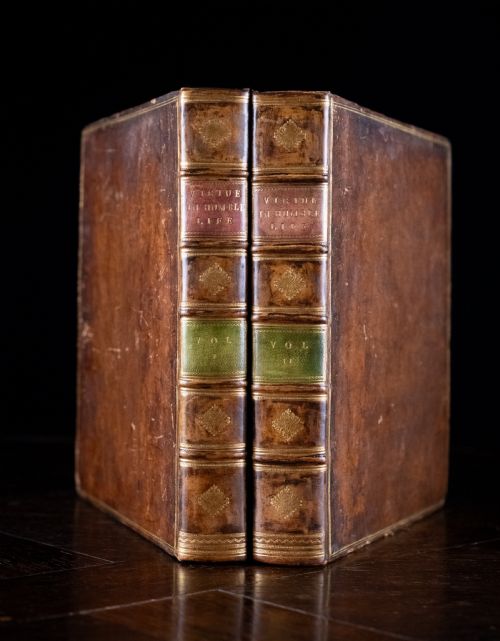
Decoration relied on gold leaf applied to heated tooling stamps, impressing metallic designs directly into the leather or vellum surface. Marbled paper linings and endpapers frequently complemented the exterior binding materials.
Materials recorded on this page include calfskin, vellum, gold leaf and marbled paper.
What Varies in Quality
Quality rests in the crispness of the gold tooling on the spine and the uniformity of the leather bindings across multi-volume sets. Superior examples maintain supple skins and clear lettering without excessive fading.
The skill of the original binder dictates the longevity of the hinges and the precise alignment of the raised bands. Consistency in height and colour across a long run of books distinguishes superior library sets from assembled groups.
Henry Young And Son
The Gilt Spine Leather Volumes Glossary
- Vellum
- A fine parchment made from calfskin or other animal skin, prized for its smooth, durable surface. It often appears in pale, creamy tones on classical and literary sets.
- Calfskin
- A soft, supple leather derived from the skin of a calf, frequently used for finer binding work. This material accepts gold tooling with notable clarity.
- Marbled paper
- Paper decorated with colourful swirling patterns resembling marble, commonly used for endpapers and board covers. It adds a decorative contrast to the leather spine.
- Raised bands
- Horizontal ridges on the spine of a book created by the cords or strings used in the binding process. They serve both a structural purpose and a decorative function.
Gilt Spine Leather Volumes: Frequently Asked Questions
How should I care for leather volumes?
Keep leather-bound books away from direct sunlight and damp environments to prevent the skins from drying out or developing mould. Maintaining stable room humidity preserves the flexibility of the calfskin and vellum.
Dust the tops of the text blocks regularly with a soft brush rather than a cloth. Avoid using modern chemical cleaners on antique bindings.
Can I mix different sets on a shelf?
Mixing sets works well if you balance the heights and the tones of the leather bindings across the bookcase. Grouping similar spine heights creates a neat visual line.
Matching calfskin with vellum adds texture and variety to a display while maintaining a traditional aesthetic.
What periods do these books cover?
The listings span from the mid-eighteenth century through the Victorian and Edwardian eras into the early twentieth century. This timeline captures shifts in publishing, from handmade Georgian editions to uniform Edwardian sets.
Earlier examples often feature heavy calfskin and hand-pressed paper, while later pieces show more standardised nineteenth-century cloth and leather combinations.
How do I identify a multi-volume set?
Multi-volume sets usually share identical binding styles, publisher markings and spine lettering across every book in the collection. Sequential numbering on the spines indicates the correct reading order.
Incomplete sets often show slight variations in the shade of the leather or the wear on the gold leaf.