

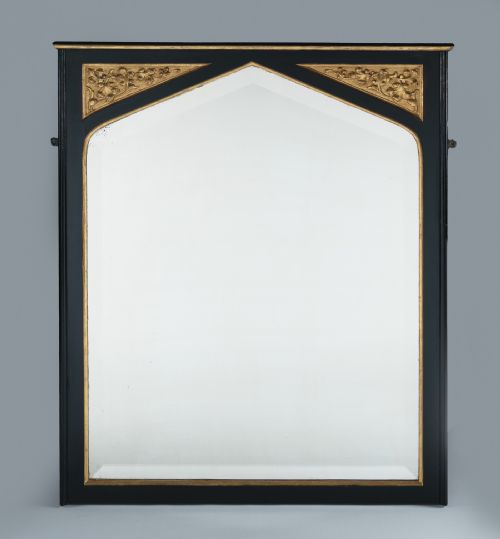
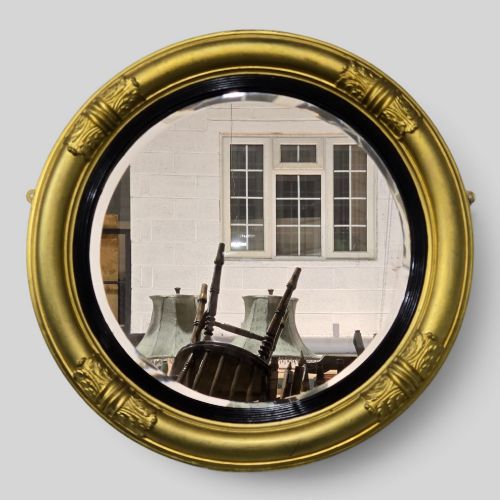
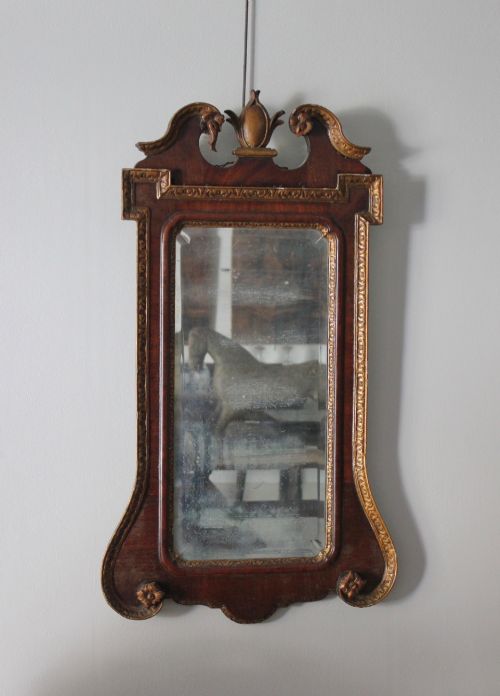


Gilt Slip Mantle Mirror
A gilt slip mantle mirror brings warmth and depth to a room, framing light with gilded detail.
Gilt Slip Mantle Mirror
When you search for a gilt slip mantle mirror, you are looking at substantial wall and overmantel mirrors designed to sit above a fireplace. The pieces on this page span several eras, predominantly featuring the Regency, Victorian, and Georgian periods alongside styles such as Victorian Gothic Revival, William IV, and Neoclassical.
The most common forms you will meet here are large overmantel mirrors alongside circular and wall mirror variants. These pieces originate from English workshops and utilise timber frames enhanced with gilded slips that draw the eye inward toward the glass.
Materials vary across the selection, with gesso and giltwood frequently paired with primary woods like mahogany, rosewood, ebonised wood, and birds eye maple. Some examples also incorporate painted finishes alongside traditional parcel gilt detailing.
How they were made
Maker's hands shaped these frames using timber bases of mahogany, rosewood, or ebonised wood, often enriched with applied gesso and composition ornaments. Gilding was then meticulously applied to create the bright metallic slips that define the inner borders of the glass.
Mirror glass was set into these heavy frames, supported by wooden backing boards that protected the silvering and provided structural rigidity for hanging above a mantle.
Gilt Slip Mantle Mirror Retail Price Guide 2026
Typical asking prices for gilt slip mantle mirror among the pieces listed under this phrase on Sellingantiques today, from the lower quarter to the upper quarter. They describe what is for sale here now, not the wider market.
The listings here include mirrors spanning the Georgian, Regency, William IV, and Victorian periods, constructed from woods like rosewood and mahogany.
What varies in quality
Quality rests in the crispness of the gesso moulding and the depth of the gilding on the slip, where finer pieces retain their original metallic brilliance without excessive over-painting. The choice of primary timber also distinguishes the work, as nicely figured rosewood, birds eye maple, or mahogany indicate a more considered commission.
Proportion and the handling of decorative motifs determine the overall success of the piece, separating standard production from more ambitious Regency or Georgian design.
The Gilt Slip Mantle Mirror Glossary
- Gilt slip
- A narrow inner moulding covered in gold leaf or gilt finish that frames the edge of the mirror glass. This bright element separates the reflective surface from the darker outer wooden frame.
- Gesso
- A plaster-like mixture applied to wooden frames as a smooth base for gilding or painting. Artisans carved intricate decorative details directly into this hardened layer.
- Overmantel mirror
- A large horizontal mirror specifically scaled to hang on the wall directly above a mantelpiece. These pieces were designed to reflect light and visually expand the room.
- Birds eye maple
- A distinctive figured hardwood showing small circular patterns resembling little birds' eyes within the grain. It was favoured by cabinetmakers during the nineteenth century for decorative furniture and frames.
- Parcel gilt
- A finishing technique where only specific portions of an object are highlighted with gold leaf while the rest of the surface shows the natural wood or paint beneath.
Gilt Slip Mantle Mirror: Frequently Asked Questions
Where should I hang an overmantel mirror?
These large mirrors are traditionally positioned on the chimney breast directly above a fireplace mantle. Their generous scale allows them to anchor the wall space and reflect natural light across the room.
Ensure the wall construction and fixings can support the substantial weight of these timber and glass pieces before hanging.
How do I identify a Regency period mirror?
Regency pieces often display classical architectural motifs, bold circular forms, or crisp triptych framing. The influence of Neoclassical design is usually visible in the balanced proportions and restrained ornamentation.
Examining the construction methods and framing materials helps confirm the era of manufacture alongside these stylistic clues.
What woods were used for these frames?
Makers utilised a variety of native and exotic timbers including mahogany, rosewood, birds eye maple, and ebonised wood. These woods were often chosen to complement the fashionable interior aesthetics of their respective decades.
Some examples also feature painted finishes or parcel gilt highlights layered over the primary wooden structure.
How do I care for antique mirror glass?
Clean the glass gently using a soft cloth and minimal moisture to protect the surrounding gesso and gilded slip from water damage. Avoid harsh chemical cleaners that can degrade both the historic silvering on the glass and the metallic leaf on the frame.
Regular dusting with a dry feather duster helps maintain the surface without disturbing the antique materials.