




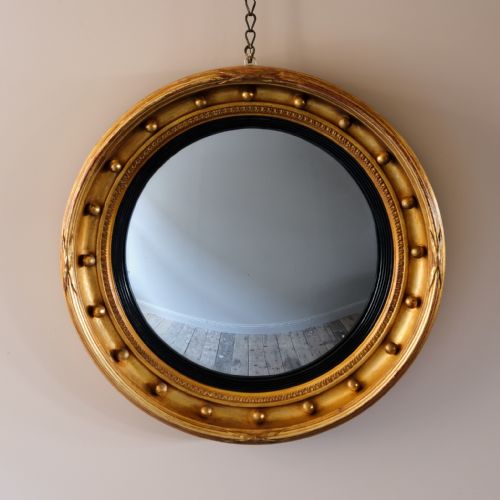


Gilt Slip Framed Mirror
These gilt slip framed mirror pieces bring light and classic proportion into a room, offering the decorative depth that collectors seek.
Gilt Slip Framed Mirror
A gilt slip framed mirror is a decorative looking glass designed for wall hanging or placement above a mantelpiece, drawing the eye with its reflective surface and surrounding frame. You will frequently encounter these pieces in Regency, Georgian, and Victorian styles, alongside later revivals from the twentieth century.
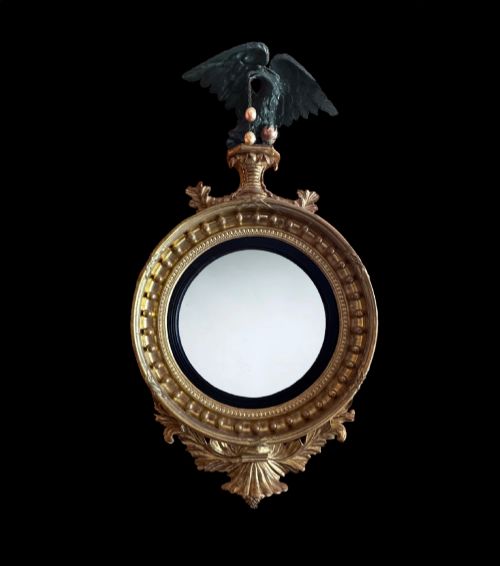
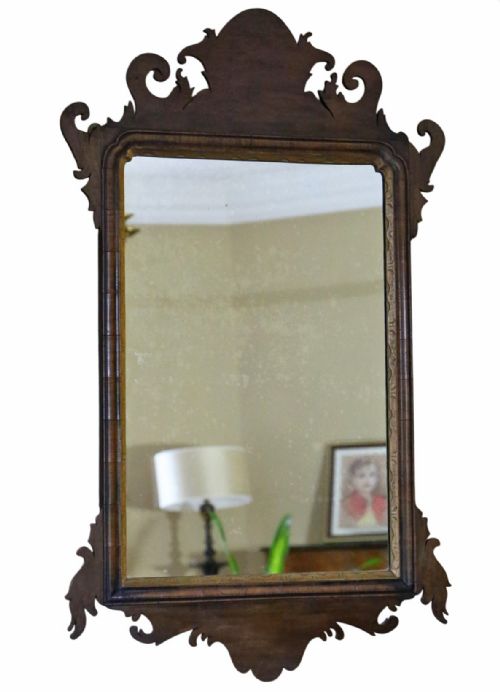
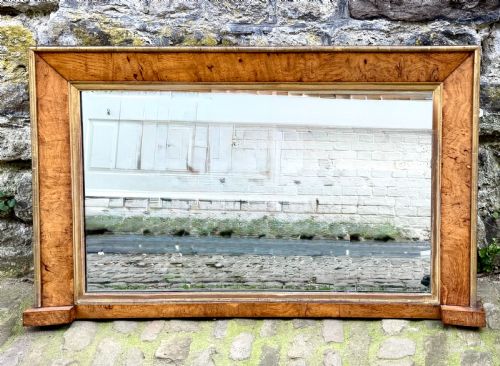
The forms span from grand convex wall mirrors and wide overmantels to smaller fret-cut designs and pier mirrors. These items originate from various historical periods, incorporating woods such as mahogany, walnut, rosewood, and birds eye maple alongside gilded elements.
Many examples showcase specific historical revivals, including Chippendale and Grand Regency aesthetics, reflecting the enduring popularity of earlier furniture designs. Whether intended for a hallway or a principal reception room, these mirrors serve as functional focal points.
How they were made
Makers constructed the frames using native and exotic timbers such as mahogany, walnut, and ebonised wood, often applying delicate wood veneers and fretwork cutting techniques. Giltwood and gesso surfaces were meticulously prepared and applied to create brilliant metallic finishes that caught the ambient room light.
Mirrors frequently incorporated specialised plate glass, including Vauxhall plates, set securely within rebated wooden mouldings and interior slips. Artisans combined joinery and carving skills to build durable wall and overmantel structures that supported heavy glass plates safely.
Listings feature woods including mahogany, walnut, rosewood, yew, and birds eye maple alongside traditional giltwood and gesso.
What varies in quality
Quality rests in the crispness of the hand-carved gesso detailing and the depth of the gilding applied to the wooden frame. Superior examples display refined proportions and intricate fretwork that demonstrate the maker's technical proficiency.
The choice of primary timber and secondary wood veneers also distinguishes finer pieces, particularly where figured walnut, rosewood, or birds eye maple is utilised. Original mirror plates and intact construction further elevate the standing of an individual looking glass.
The Gilt Slip Framed Mirror Glossary
- Giltwood
- Wood that has been coated with gold leaf or a gold-coloured metallic preparation. This finish provides the bright reflective border characteristic of many formal mirrors.
- Gesso
- A plaster-like mixture applied to wood frames to create a smooth surface for gilding and carving. It allows artisans to shape intricate relief ornamentation.
- Convex mirror
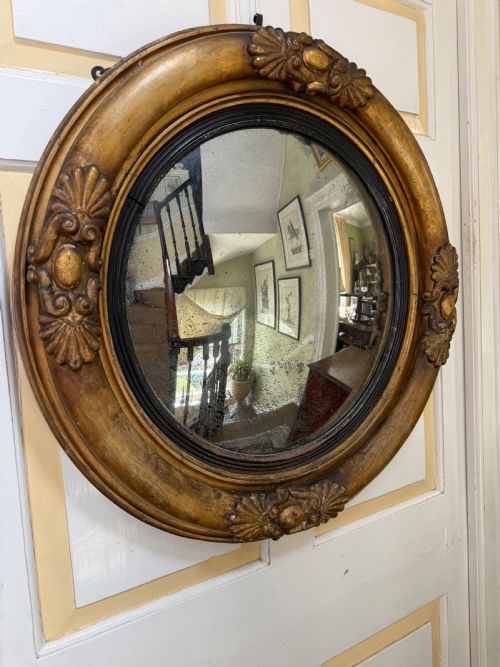
- A circular looking glass with a curved plate that reflects a wide-angle, panoramic view of the interior. These pieces are frequently framed in giltwood with decorative ball details.
- Overmantel mirror
- A wide looking glass designed specifically to be hung above a fireplace mantel. They often feature horizontal proportions that complement the width of the hearth.
- Fretwork
- Openwork ornamentation carved or pierced from a thin board of timber. This technique appears on the flat frames of Georgian and revival wall mirrors.
- Vauxhall mirror
- An antique looking glass featuring a bevelled plate made using early English mirror-making techniques. These plates often show subtle age characteristics within the glass.
Gilt Slip Framed Mirror: Frequently Asked Questions
Where should I hang an overmantel mirror?
These wide mirrors are traditionally positioned directly above a fireplace mantel to reflect light and anchor the hearth visually.
Ensure the wall fixings are secure and rated to support the substantial weight of the wooden frame and glass plate.
How do I identify a Regency convex mirror?
Regency convex mirrors typically feature a circular format with a gilded frame, often incorporating an ebonised inner slip and decorative spherical balls.
They project outwards to offer a wide-angle view of the room and frequently date from the early nineteenth century.
What is a fret cut wall mirror?
A fret cut wall mirror utilises thin timber panels pierced with decorative geometric or scroll patterns using a fine saw.
This style became particularly popular during the Georgian period and saw revivals in the early twentieth century.
How do I care for antique giltwood?
Dust the gilded frame gently with a soft, dry brush to prevent the accumulation of dirt without disturbing the delicate metallic surface.
Avoid using liquid cleaners or abrasive cloths, as moisture and harsh chemicals can damage historic gesso and gold leaf.
Are these mirrors suitable for hallways?
Smaller wall mirrors and hanging styles function effectively in narrow hallways by bouncing available light around the space.
Choose a scale that matches the wall dimensions and leaves adequate clearance above consoles or tables.