




Gilt Reading Lamp
A gilt reading lamp brings warmth and a distinct metallic lustre to a desk, table, or corner, channelling historical forms from French Empire to Art Nouveau.
Gilt Reading Lamp
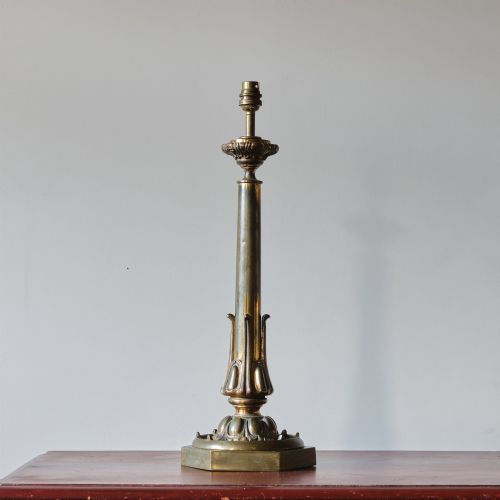
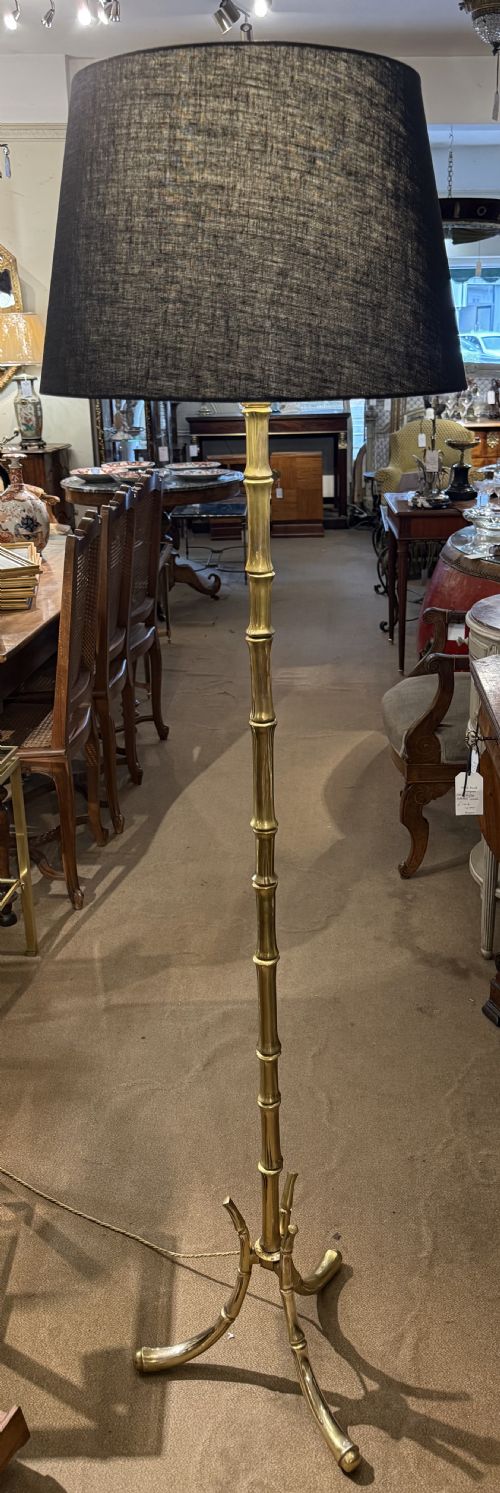
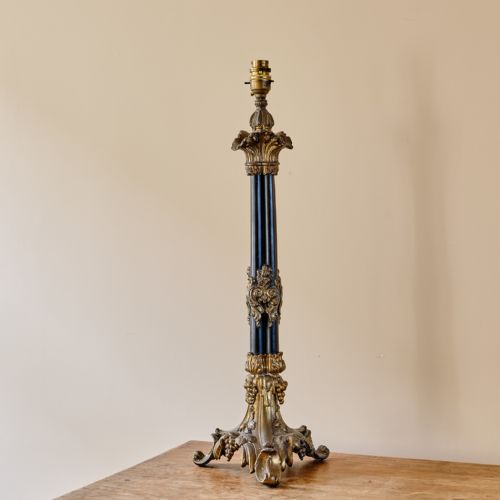
A gilt reading lamp is a functional light source finished in gold leaf, gilt bronze, or ormolu, designed for focused illumination on a desk, table, or floor. When you search for this phrase, you encounter pieces ranging from compact table lamps and bouillotte designs to tall standard and floor lamps.
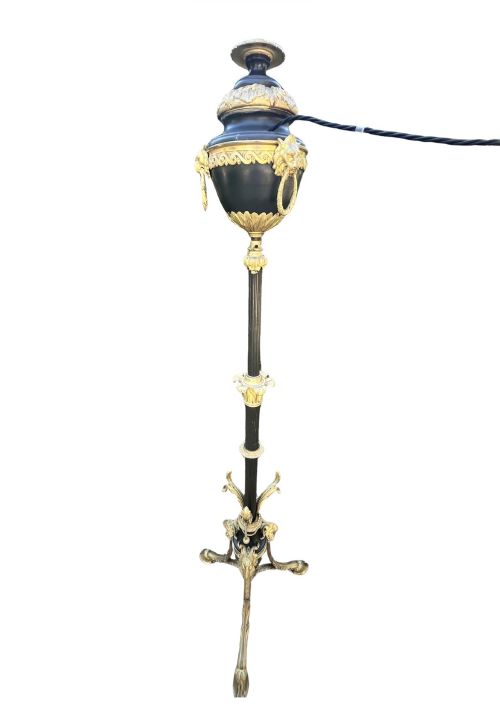
The selections span the nineteenth century through the 1930s, encompassing Victorian, Edwardian, and various continental revivals. French Empire, Neoclassical, and Baroque influences dominate the aesthetic, frequently pairing gilded surfaces with contrasting materials.
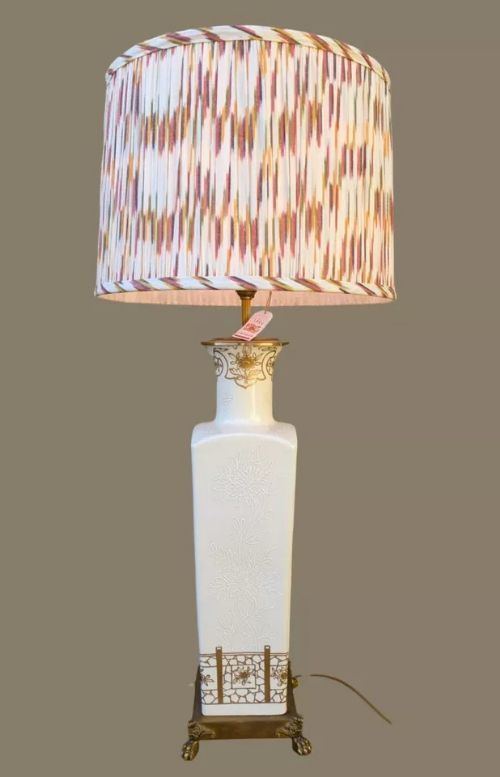
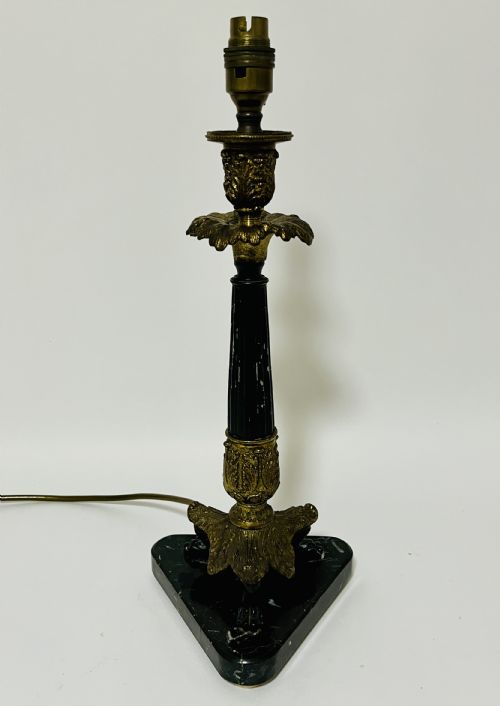
Table lamps and floor lamps appear alongside specialised desk and notary models, sometimes incorporating painted toleware, marble plinths, or porcelain bodies. These objects function equally as decorative centrepieces and practical illumination.
How they were made
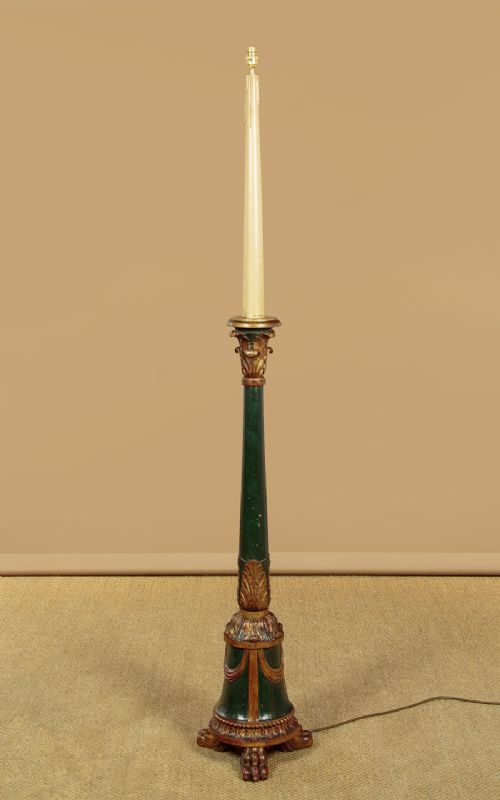
Craftsmen utilised cast bronze, brass, and ormolu, applying mercury gilding or gold leaf to achieve a lasting metallic sheen. Many pieces integrate carved giltwood or walnut frames, joined with traditional joinery and metal fittings suited to the period.
Surface decoration often combined gilded elements with patinated bronze, black or green toleware, and polished marble bases. Wiring and electrical components, where present, represent later adaptations to original metal and ceramic structures.
Gilt Reading Lamp Retail Price Guide 2026
Typical asking prices for gilt reading lamp among the pieces listed under this phrase on Sellingantiques today, from the lower quarter to the upper quarter. They describe what is for sale here now, not the wider market.
A leather book lamp disguised as a volume proves that reading lights have long enjoyed blending into a gentleman's library shelf.
What varies in quality
The standard of a gilt reading lamp rests upon the crispness of the cast metal ornamentation and the depth of the gilding. Finer examples display hand-chiselled details on ormolu mounts and substantial bases in marble or cast bronze rather than lighter pressed metals.
Proportion and material integrity separate exceptional examples from standard production. Pieces retaining their original tole shades, structural integrity, and uncompromised surface patination command greater appreciation among collectors.
Maison Bagues·Messenger
The Gilt Reading Lamp Glossary
- Ormolu
- Gilded bronze, typically produced by applying a mercury and gold amalgam to a bronze casting and heating it to drive off the mercury. This technique creates a rich, durable golden surface seen on many nineteenth-century lamps.
- Bouillotte lamp
- A traditional French reading and card-playing lamp featuring a central column, multiple light arms, and an adjustable painted metal or tole shade. The design directs light downward onto the surface below.
- Toleware
- Enamelled or lacquered sheet metal, frequently painted in dark green or black and paired with gilded mounts. It provides a durable, contrasting shade material for desk and table lighting.
- Giltwood
- Wood that has been coated with a thin layer of gold leaf or powder over a prepared gesso ground. It appears frequently on standard and floor lamps from the nineteenth and early twentieth centuries.
- Neoclassical Revival
- A style drawing inspiration from classical Greek and Roman architecture and art, characterised by symmetry, columns, and refined floral or geometric motifs. It heavily influences many nineteenth-century French and Italian lamp designs.
Gilt Reading Lamp: Frequently Asked Questions
How do I date an old gilt lamp?
Dating relies upon examining the manufacturing techniques, mounting methods, and stylistic cues present in the metalwork. Castings, patination, and switch types often provide clear indicators of whether a piece originates from the nineteenth century or the interwar period.
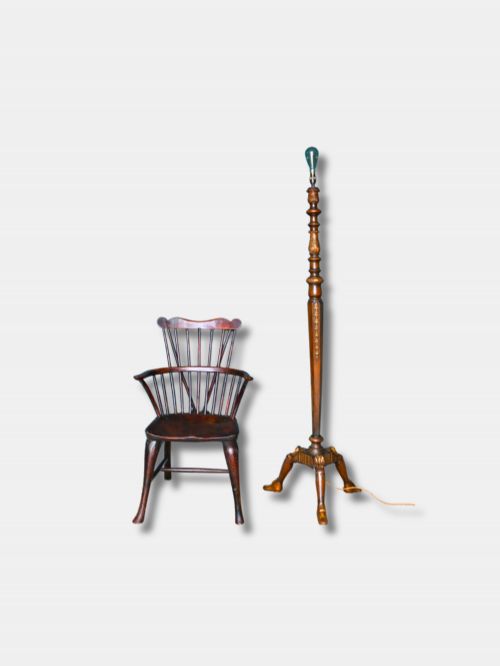
Material combinations also help narrow the timeframe. For instance, heavy ormolu mounts paired with marble bases typically point to earlier French Empire or Victorian production, whereas simpler turned wooden standards often lean toward the 1920s or 1930s.
Were these lamps originally electric?
Many surviving examples began their lives as oil or gas lamps before being converted to electricity during the twentieth century. Adapting the internal wiring was a standard update to keep antique lighting functional in modern homes.
When inspecting a piece, look for evidence of past conversions where burners or reservoirs were replaced with lamp holders. Such adaptations are standard and do not detract from the historical value of the metalwork.
How do I care for gilt bronze?
Gilt bronze and ormolu require gentle maintenance to preserve the delicate gold surface. Dusting with a soft, dry cloth is usually sufficient, avoiding any abrasive cleaners or metal polishes that can strip away the gilding.
Moisture should be kept away from both the metal and any fabric or paper shades. If the piece includes marble or wood components, use appropriate specialist care products formulated for those specific materials.
Where should I place a floor lamp?
Standard and floor lamps serve well in corners, beside armchairs, or adjacent to desks where focused illumination is required. Their height allows them to anchor a room while providing functional downward light.
Consider the visual weight of the gilt finish when positioning the piece. A heavily ornamented ormolu standard lamp stands out best against neutral walls where the metallic textures can catch natural and artificial light.