



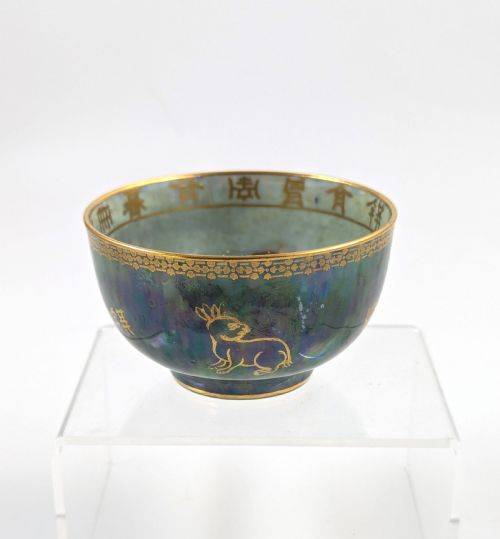


Gilt Pottery Bowl
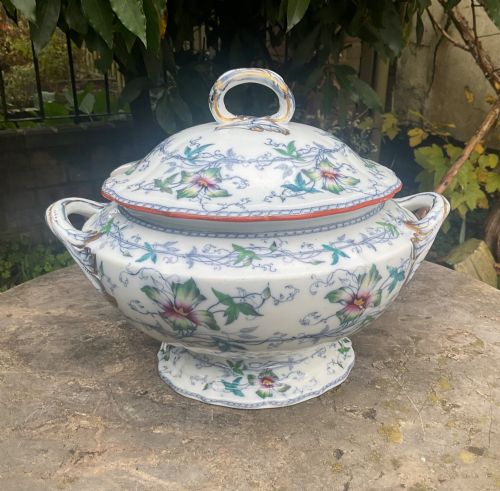
These gilt pottery bowl selections bring together intricate earthenware, porcelain, and ceramic vessels embellished with gold leaf.
Gilt Pottery Bowl
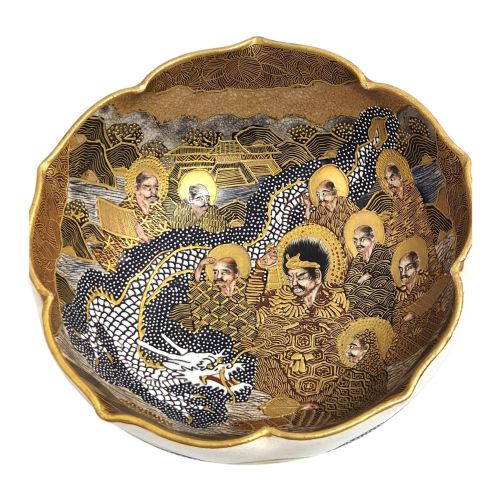
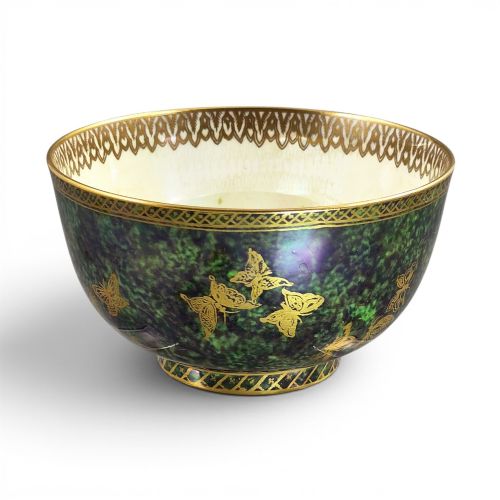
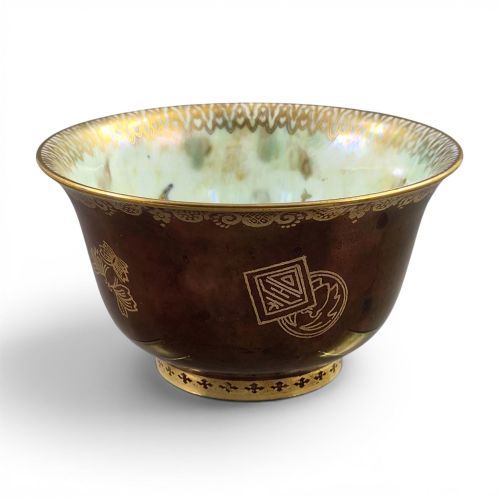
A gilt pottery bowl encompasses decorative vessels, Satsuma wares, and lustre pieces originating from the 19th century through the Edwardian period. Buyers examining this page encounter diverse ceramic forms, ranging from Japanese Satsuma bowls decorated with thousand flowers and cobalt blue to Wedgwood lustre bowls featuring butterfly and dragon motifs.
The selection frequently includes Satsuma footed burners, sugar bowls, and bowls and saucers alongside larger Moorcroft pot pourri jars and Doulton Burslem tablewares. Pieces stem from distinct design movements including the Meiji period, Art Nouveau, Art Deco, and the Aesthetic Movement.
Japanese Satsuma wares signed by makers such as Kinkozan, Shozan, and Nikko appear alongside English contributions from Wedgwood designed by Daisy Makeig-Jones. These varying origins provide collectors with choices spanning delicate cabinet pieces to substantial decorative earthenware.
What varies in quality
The precision and density of the gilding and enamel work separate standard decorative items from superior examples. Hand-painted detail, particularly on intricate Satsuma floral patterns and figural scenes, demonstrates the skill of the studio.
The reputation of the pottery and the clarity of artist signatures or factory crests influence distinction. Pieces bearing traceable attribution to known designers and studios command greater interest among collectors.
Gilt Pottery Bowl Retail Price Guide 2026
Typical asking prices for gilt pottery bowl among the pieces listed under this phrase on Sellingantiques today, from the lower quarter to the upper quarter. They describe what is for sale here now, not the wider market.
Several bowls feature microscopic crackle glazes that trap centuries of tea dust like an invisible geological map.
Wedgwood·Doulton Burslem·Kinkozan·Moorcroft Macintyre and Co
The Gilt Pottery Bowl Glossary
- Satsuma ware
- Japanese earthenware pottery featuring a distinctive ivory crackle glaze decorated with polychrome enamels and raised gold. This ceramic tradition developed substantially during the Meiji period.
- Lustre
- A type of ceramic glaze that imparts a metallic or iridescent sheen through the reduction of metallic oxides during firing. Wedgwood pieces frequently employed this technique to display butterfly and dragon motifs.
- Porringer
- A small bowl furnished with one or two horizontal handles, historically used for porridges or broths. Examples in this tradition are formed from ironstone china.
- Pot pourri
- A vessel designed to hold dried plant material scented with spices, featuring a pierced lid to release fragrance into a room. These containers often incorporate intricate ceramic bodies with gilt highlights.
- Crest
- A heraldic device or identifying mark applied by a studio or pottery to authenticate the piece. The Shimazu family crest frequently appears on Japanese Satsuma bowls.
Gilt Pottery Bowl: Frequently Asked Questions
What is a gilt pottery bowl?
A gilt pottery bowl is a ceramic, earthenware, or porcelain vessel decorated with gold leaf, gilt accents, or metallic lustre glazes. These pieces range from Japanese Satsuma tablewares to English decorative vessels.
They function primarily as ornamental display items, though smaller versions served as sugar bowls or incidental containers in period domestic settings.
How do I care for a gilt pottery bowl?
Care involves gentle dusting with a soft, dry cloth to protect delicate enamel and gold leaf applications. Water immersion should be avoided due to the age of the earthenware and the vulnerability of surface gilding.
Display these vessels away from direct sunlight and areas of high humidity to preserve the integrity of the glaze and metal highlights.
How do I identify Satsuma bowls?
Satsuma bowls are characterised by an ivory-coloured earthenware body covered in a fine crackle glaze. They feature dense hand-painted enamel decoration combined with raised gold gilding.
Many bear artist signatures from studios in Kyoto or regional marks such as the Shimazu family crest on the base.
What periods do these bowls come from?
The available selection spans the 19th century, the Victorian and Edwardian eras, and the 1920s. Japanese pieces frequently date to the Meiji period, while English lustre and earthenware items reflect early twentieth-century design.
Art Nouveau, Art Deco, and Aesthetic Movement styles appear across these production periods.