
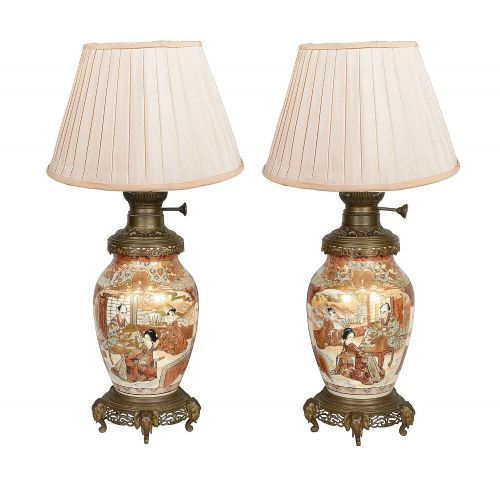
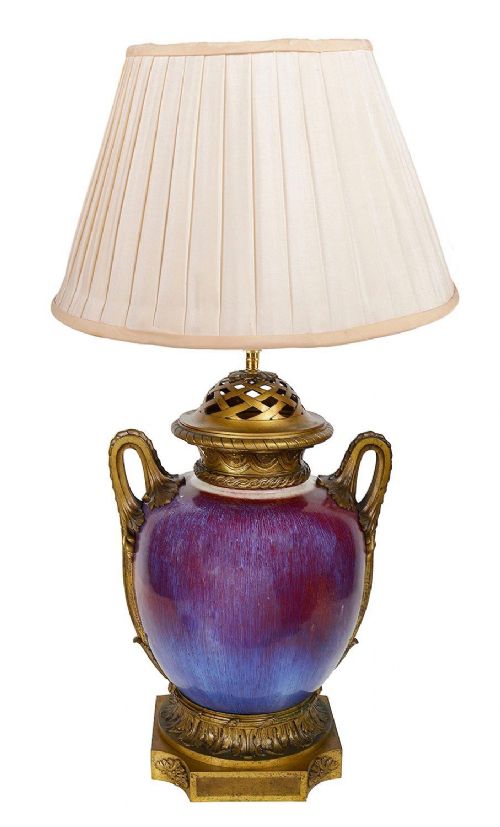


Gilt Porcelain Vase Lamp
Gilt porcelain vase lamp designs combine ceramic bodies with metallic mounts to create functional lighting.
Gilt Porcelain Vase Lamp
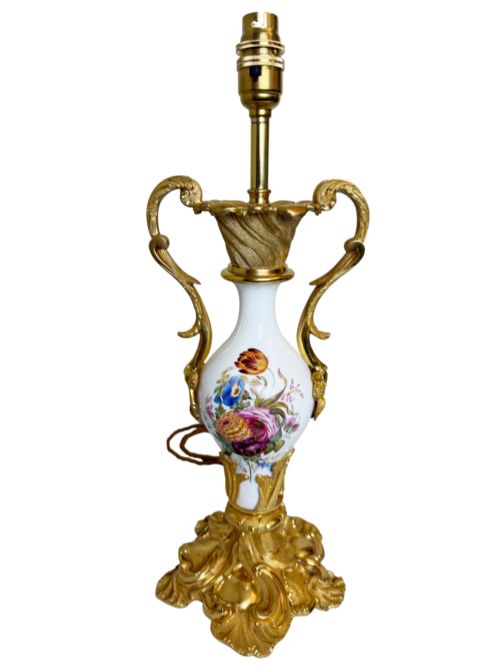
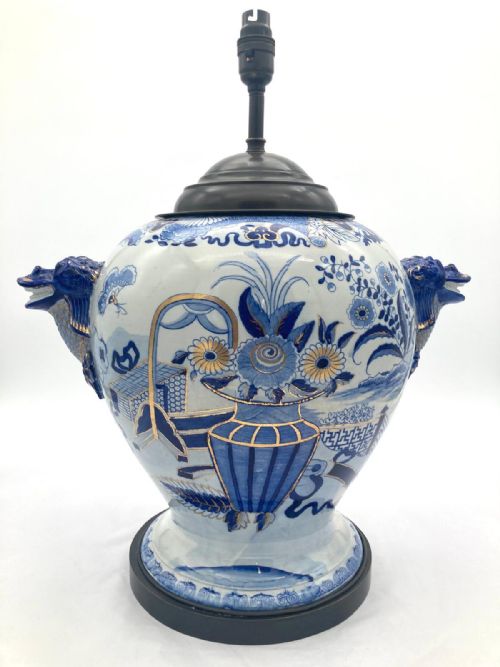
A gilt porcelain vase lamp uses historic ceramic vessels transformed into table lighting, uniting Asian and European ceramic traditions with metal mountings. These pieces bridge decorative arts and functional lighting through conversion.
The selections here span from the eighteenth century through the early twentieth century, incorporating French styles and Japanese Satsuma or Imari wares. 19th-century French mounts commonly join ceramic bodies.
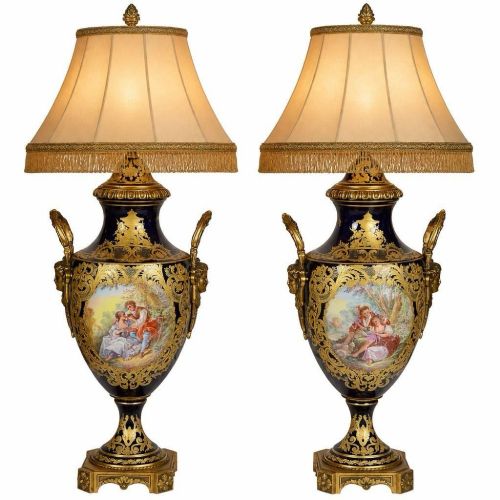
Vessels take forms from lidded jars to large decorative vases, often mounted as pairs. Converted pieces retain their original ceramic character while adapting to domestic lighting needs.
How they were made
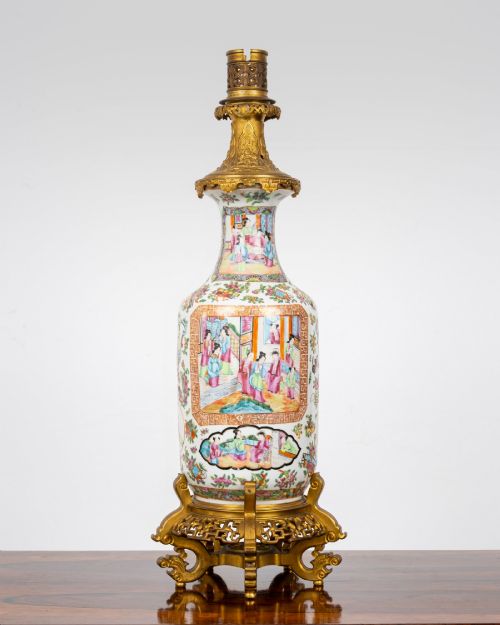
Makers shaped ceramic bodies using traditional porcelain techniques before applying hand-painted enamel decoration or glazes such as powder blue, famille rose, and sang de bouef. Gilding highlights surface details and frames the painted panels.
Metalworkers added mounts in ormolu, gilt bronze, brass, or gilt metal to secure the ceramic base and provide structural support for electrical fittings or older lamp hardware. These mounts match the contours of the porcelain.
Powder blue vases sit quietly in the corner, secretly harbouring nineteenth-century French ambitions.
What varies in quality
The refinement of the porcelain painting and the crispness of the gilt metal mounts determine the distinction between tiers. Hand-painted ceramic details display varying levels of artistic control and brushwork precision.
The integration between the ceramic body and the metal mountings dictates the success of the conversion. Heavier, finely chased ormolu mounts signify higher workshop standards than standard brass replacements.
The Gilt Porcelain Vase Lamp Glossary
- Ormolu
- Finely ground high-carat gold applied to bronze metalwork. This technique produces a rich metallic surface often seen on French mounts.
- Famille Rose
- A palette of opaque enamel colours dominated by pink. Introduced in Chinese ceramics during the Qing dynasty.
- Satsuma
- Japanese pottery featuring a crackle glaze decorated with polychrome enamels and gold. These wares became popular for export during the nineteenth century.
- Imari
- Japanese export porcelain decorated in underglaze blue, iron red, and gold. The style originated in Arita and influenced European ceramics.
Gilt Porcelain Vase Lamp: Frequently Asked Questions
How do I clean a gilt porcelain vase lamp?
Dust porcelain surfaces gently with a soft dry cloth. Avoid chemical cleaners that might damage the enamel or wear the gilding.
Keep metal mounts free from moisture using a dry brush. Take care around older wiring and painted decorations during maintenance.
Are these lamps converted from old vases?
Many examples began life as decorative vessels before receiving metal mounts and electrical fittings. This conversion process adapts antique ceramics for contemporary interiors.
Mounts often secure the lamp hardware without permanently damaging the core ceramic structure. Original drill holes or base adaptations vary by piece.
What periods do these lamps come from?
The selection includes pieces spanning the eighteenth, nineteenth, and early twentieth centuries. French and Asian workshops produced the core ceramic bodies and metal mounts.
Nineteenth-century interpretations of earlier styles appear frequently across the collection. Dating relies on ceramic characteristics and mount styles.
How do I match a lampshade to the base?
Fabric shades in silk or complementary textures balance the weight of porcelain and metal bases. Proportions depend on the height and width of the ceramic body.
Neutral or tone-matched fabrics help highlight the painted details of the vase. Ensure the fitting matches the specific lamp hardware.