

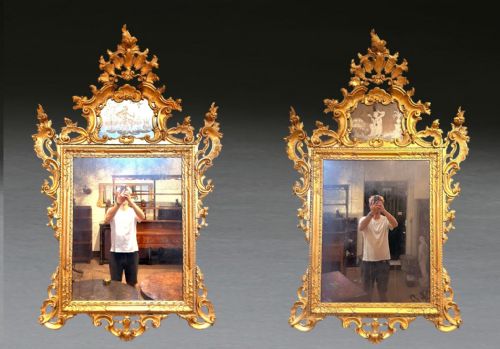
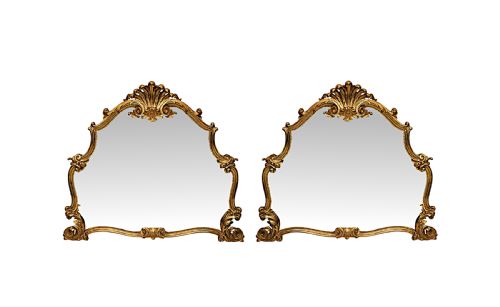
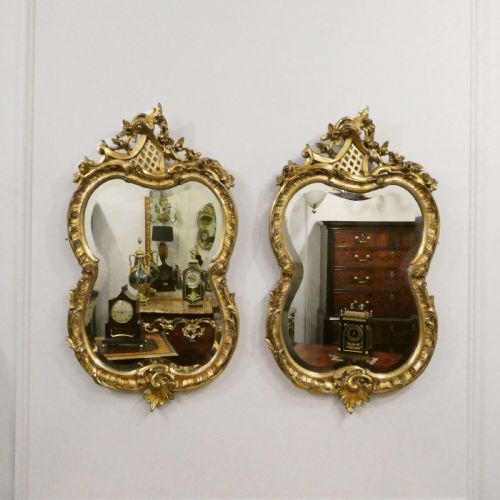
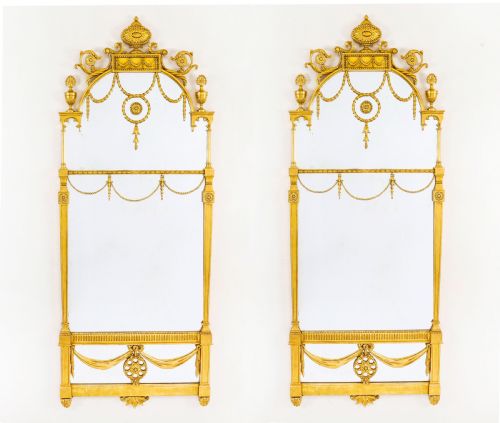



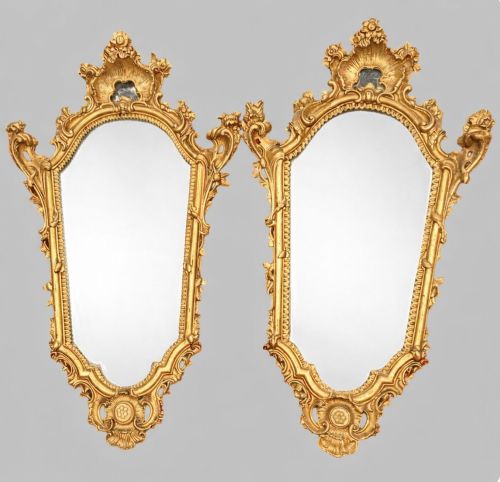
Gilt Pier Mirror Pair
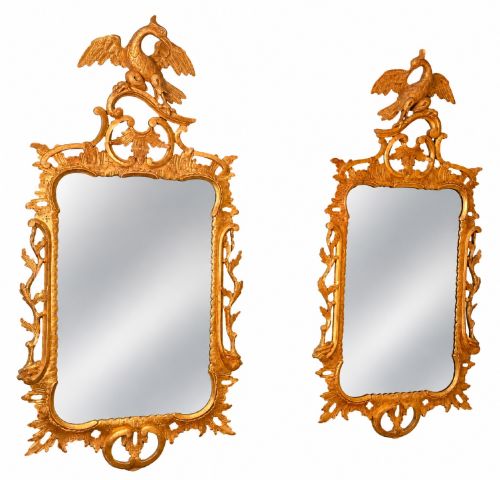
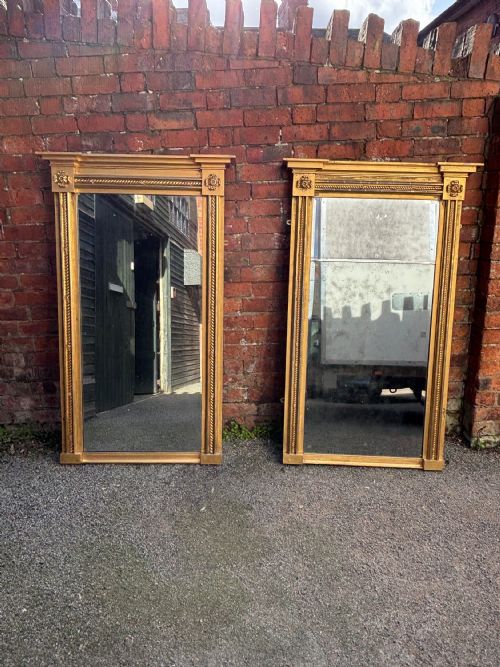
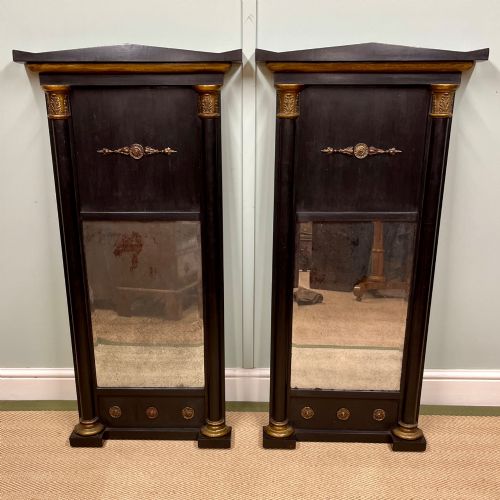
A gilt pier mirror pair brings symmetrical light and presence to a room, designed historically to hang between tall windows.
Gilt Pier Mirror Pair
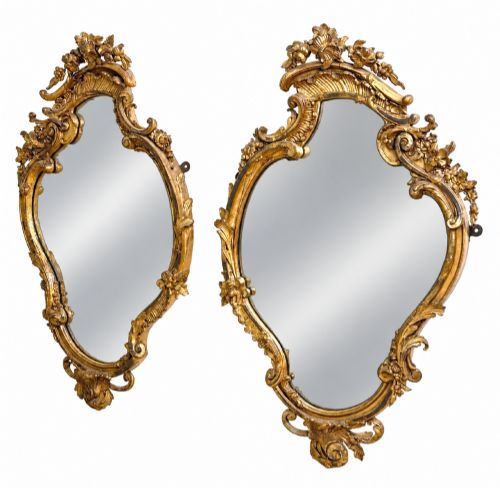
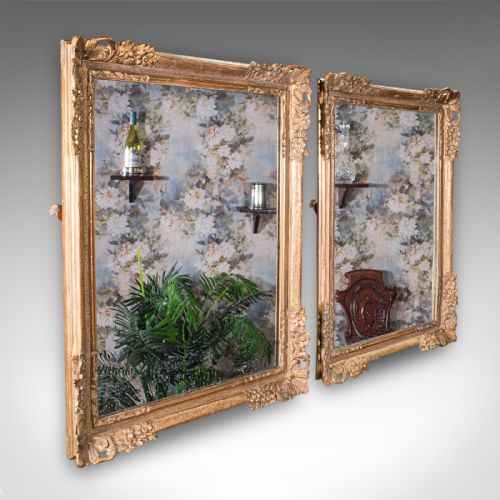
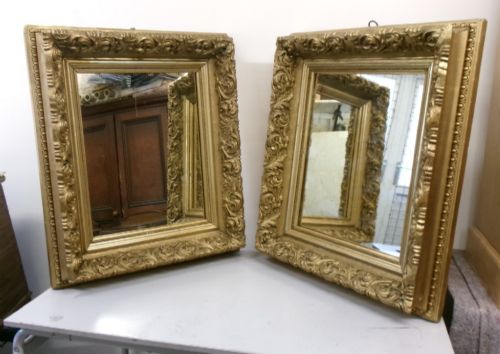
A gilt pier mirror pair consists of two matching vertical looking glasses made to hang between windows, often above console tables or pier cabinets. The search phrase gilt pier mirror pair points directly to matching sets designed to reflect interior light and balance a formal room.
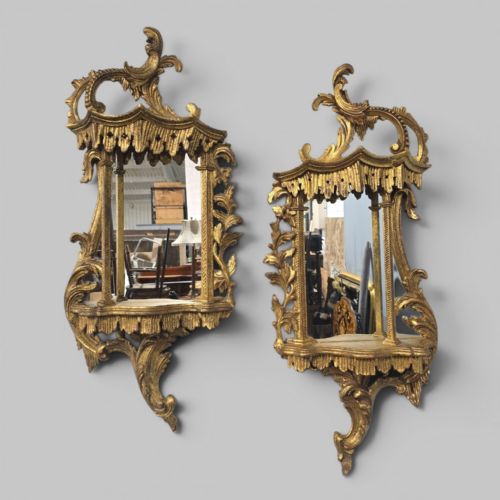
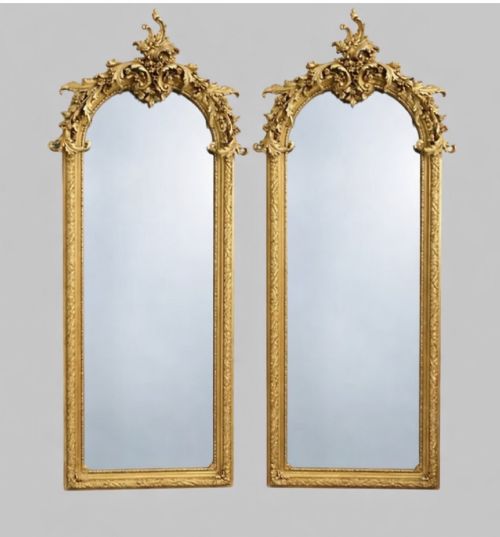
Most examples found here date from the eighteenth and nineteenth centuries, spanning periods from George III and Regency through to Victorian revivals. Makers of these matched sets often employed styles such as Rococo, Chippendale, and Adam Revival to create elaborate decorative schemes for domestic interiors.
The physical form is tall and narrow, matching the architectural proportions of historic wall spaces between window openings. Alongside mirrors designed specifically for pier walls, related wall mirrors and console tables with matching mirrors appear across the selection.
Materials and construction
Construction relies upon carved wood or composition moulded over a wooden substrate to form intricate frames. Artisans applied gold leaf or gesso onto the wooden frames to achieve a brilliant metallic finish that catches interior candlelight or daylight.
Mirror glass is fitted into the frames in plates, sometimes reflecting the original manufacturing techniques and silvering methods of the period. Carved details utilise traditional woodworking skills, combining shaped timber with applied ornamental elements.
Gilt Pier Mirror Pair Retail Price Guide 2026
Typical asking prices for gilt pier mirror pair among the pieces listed under this phrase on Sellingantiques today, from the lower quarter to the upper quarter. They describe what is for sale here now, not the wider market.
Listings feature periods ranging from the 18th Century through the Victorian era and into the 20th Century.
Assessing quality in matched mirror sets
Quality rests upon the crispness of the carved detail and the depth of the gilding applied to the frame. Superior examples display hand-carved wooden enrichment rather than heavier moulded composition, showing sharper lines in floral and scroll motifs.
The preservation of the original mercury or antique mirror glass and the structural integrity of the heavy wooden frames distinguish finer pairs. Matching within the pair must remain exact, as minor discrepancies in size or carving indicate a later marriage of two separate mirrors.
The Gilt Pier Mirror Pair Glossary
- Giltwood
- Timber that has been coated with gold leaf. This finish defines the reflective, metallic appearance of the frames.
- Gesso
- A plaster-like mixture applied to wood frames to create a smooth surface for gilding. It allows for intricate moulded details.
- Pier glass
- A large mirror designed to hang on the pier wall between two windows. These tall glasses maximise the available natural light in a room.
- Cartouche
- An ornamental tablet or frame resembling a scroll or rolled-up piece of paper. This motif frequently appears on the crests of Rococo frames.
- Composition
- A moulded mixture of whiting, resin, and oil pressed into ornament. Makers utilised this material as a faster alternative to hand carving.
Gilt Pier Mirror Pair: Frequently Asked Questions
Where should I hang a pier mirror pair?
These tall mirrors work best between two windows or above low side furniture such as console tables. Their vertical proportions are designed to balance architectural wall spaces.
Historically, placing them between windows allowed the glass to reflect daylight back into dark rooms. Today, they serve the same function while anchoring a symmetrical room layout.
How do I date an antique gilt mirror?
Dating relies upon examining the construction of the wooden frame, the backing boards, and the characteristics of the glass plate. Stylistic clues like Rococo scrolls or Adam Revival urns point towards specific design periods.
Secondary indicators include the type of gesso used beneath the gold leaf and tool marks left by the maker. Comparing these elements against known period examples helps establish the age of the piece.
Are these mirrors matching or married pairs?
A true pair was created together by the same workshop to ensure identical dimensions, carving, and gilding. Close inspection reveals consistent wear patterns and matching construction techniques across both frames.
Married pairs consist of two separate mirrors gathered together later because of their similar style. Careful measurement and comparison of the decorative motifs reveal slight differences between married items.
How do I clean antique gilt frames?
Dusting gently with a soft, dry brush prevents the accumulation of dirt without disturbing the fragile gold leaf surface. Moisture and chemical cleaners must be avoided entirely to protect the historic gilding.
Professional conservation is recommended if the frame shows signs of flaking gesso or loose wooden elements. Regular gentle care keeps the metallic finish stable over time.