





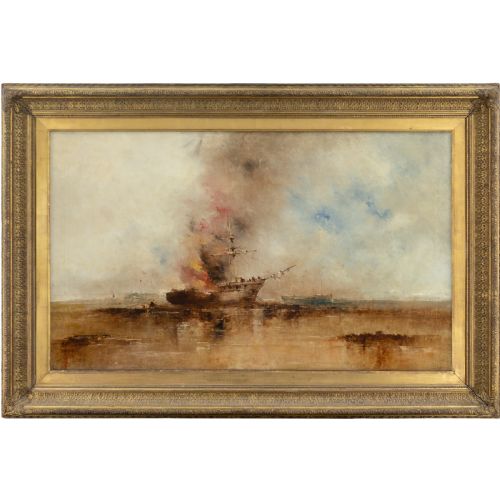
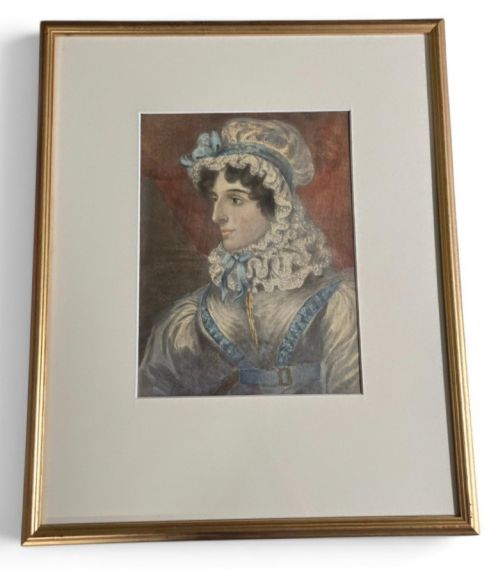
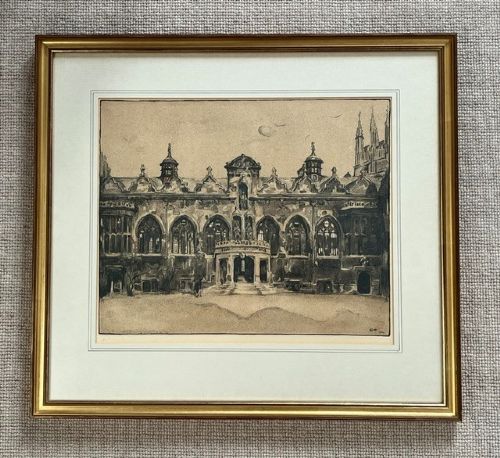
Gilt Picture Frame
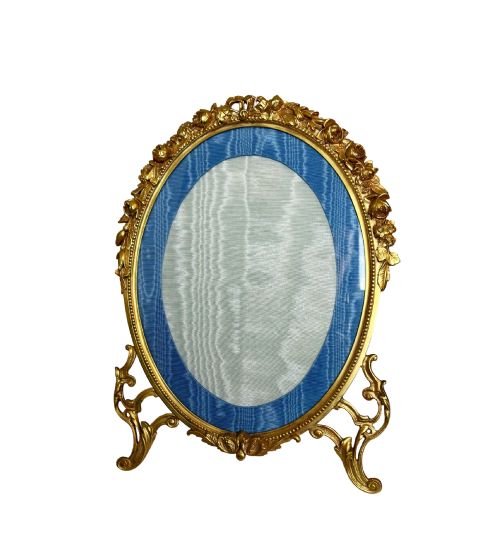
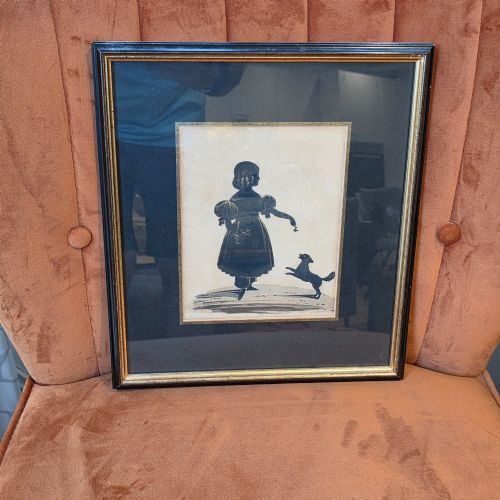
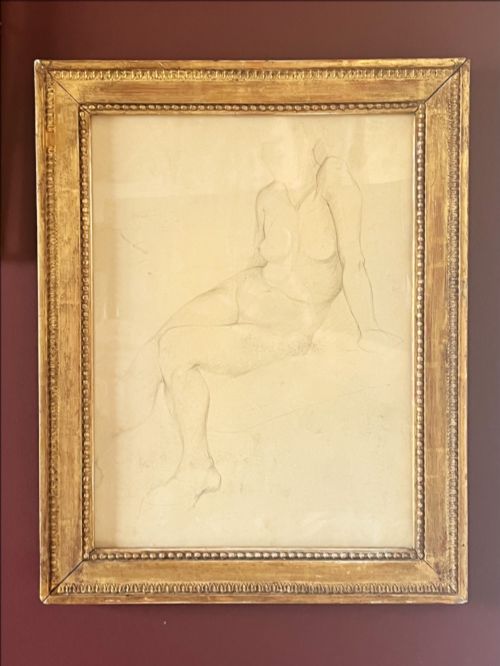
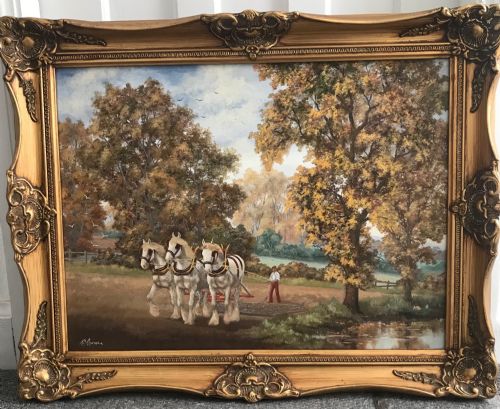
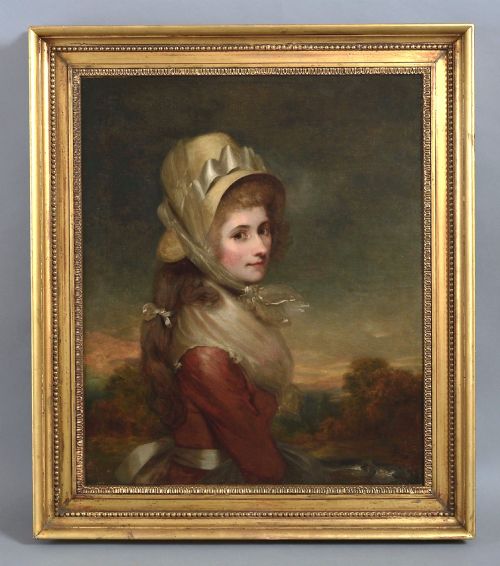
These gilt picture frame examples combine carved wood, gesso and gold leaf to hold oil paintings and portraits.
Gilt Picture Frame Types and Periods
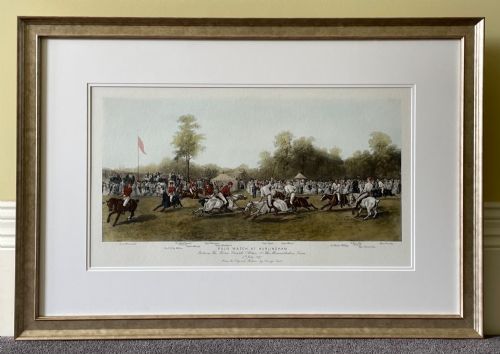
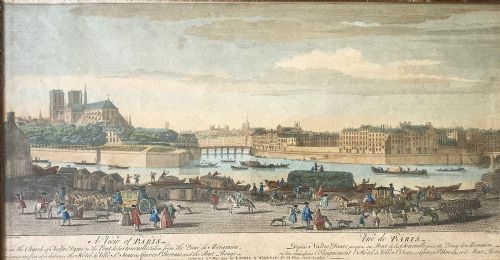
A gilt picture frame provides an ornate border for oils, watercolours and photographs. The examples found here range from nineteenth century Victorian pieces to items from nineteen thirty, taking in Grand Regency, Rococo Revival and Art Nouveau styles.
Most pieces on this page are nineteenth century works featuring gesso, wood and gold leaf. Buyers encounter large heavy formats alongside smaller swept designs and items fitted with linen slips.
Materials and Construction
Craftsmen built these items using wood, gesso and gilt wood, applying gold leaf to create the characteristic metallic surface. Some examples incorporate brass, bronze, ebonised elements, walnut or rosewood.
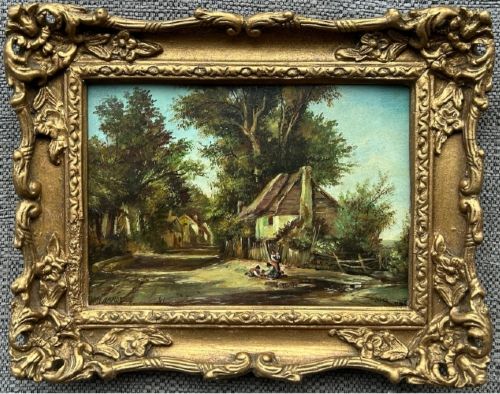
Moulded gesso on a wooden base allowed workshops to achieve elaborate relief ornamentation, particularly in Victorian Rococo Revival and Florentine carved styles.
Retail Price Guide 2026
Typical UK retail prices for gilt picture frame, calculated from the Sellingantiques database of over a million retail prices indexed since 2003. This retail price guide relies exclusively on Sellingantiques data; no external sources or auction records are used, so the figures do not describe the wider market.
Styles recorded in the archive range from French Rococo Revival and Art Nouveau to heavy Baroque and Florentine carved wood.
Evaluating Quality
Quality rests in the depth of the carving and the integrity of the gesso work beneath the gold leaf. Superior pieces display crisp definition in swept scrolls and floral motifs rather than flattened, filled-in mouldings.
The choice of secondary materials, such as heavy solid wood carcasses and integrated linen slips, distinguishes standard production from finer workshop output.
Chapman Brothers Chelsea·John Joseph Mechi
The Gilt Picture Frame Glossary
- Gesso
- A plaster mix applied to a wooden frame base to provide a smooth surface for gilding. This mixture is built up in layers and carved or moulded with decorative motifs before gold leaf is applied.
- Giltwood
- Timber that has been coated with gold leaf or powder. It forms the primary structural and decorative medium for traditional ornate frames.
- Swept frame
- A frame style featuring undulating, curved mouldings that sweep outward from the inner edge. This form gained popularity during the nineteenth century revival periods.
- Linen slip
- An inner fabric border placed between the painting and the main frame moulding. It softens the transition from canvas to gold.
Frequently Asked Questions
What is a linen slip used for?
A linen slip acts as a fabric buffer between the canvas and the heavy outer gilt moulding. It provides visual breathing space for the artwork.
These inserts appear frequently in nineteenth century and later framing arrangements to complement oil paintings.
Can I hang these heavy frames safely?
Large heavy frames require robust wall fixings anchored directly into structural masonry or studwork rather than standard picture hooks. The substantial wood and gesso construction adds considerable weight.
Check the integrity of the corner joints and hanging loops before mounting any large antique piece.
How do I date a gilt frame?
Examine the timber species, the composition of the gesso base layer and the style of the corner construction. Nineteenth century examples often feature distinct Rococo Revival or Florentine carved motifs.
Twentieth century pieces, including those from nineteen thirty, show different backing methods and machine-assisted moulding techniques compared to earlier hand-carved works.