


Gilt Ormolu Display Cabinet
When you search for a gilt ormolu display cabinet, you enter a world of nineteenth-century French revivalism and Victorian craftsmanship designed to showcase precious collections.
Gilt Ormolu Display Cabinet
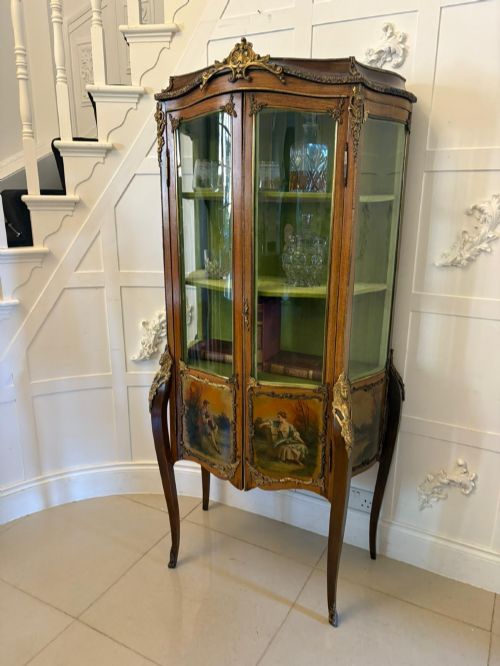
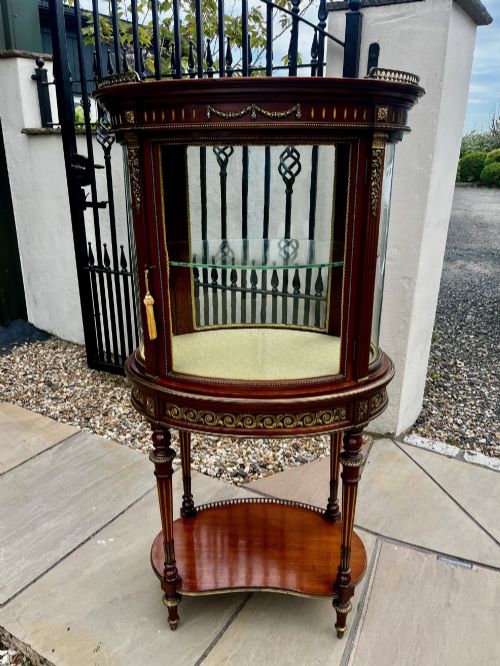
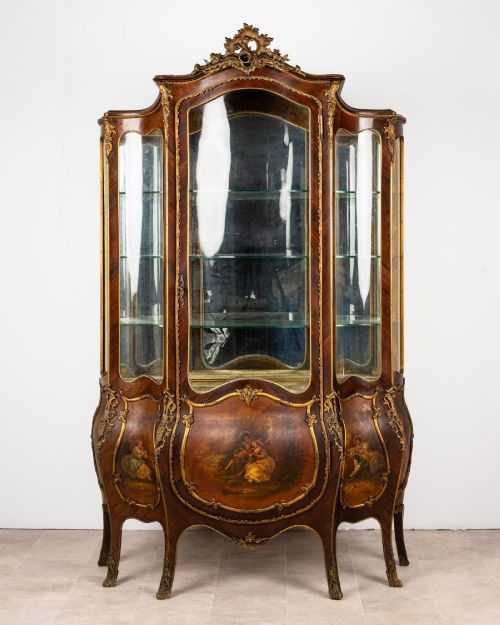
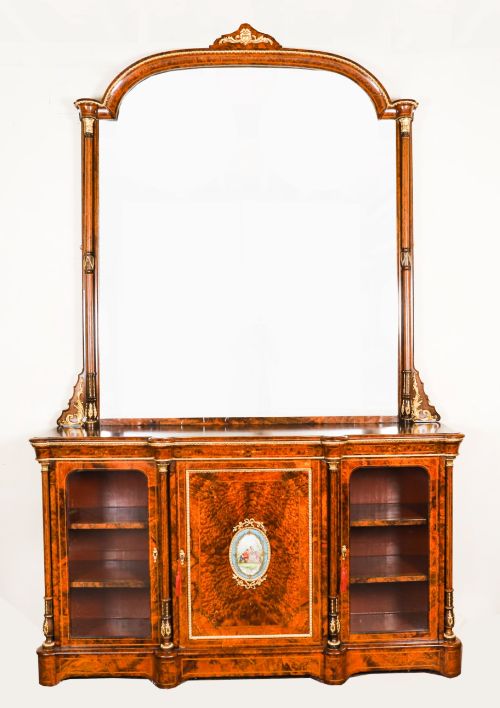
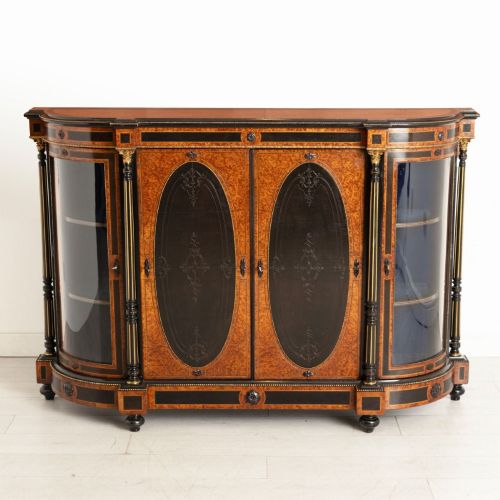
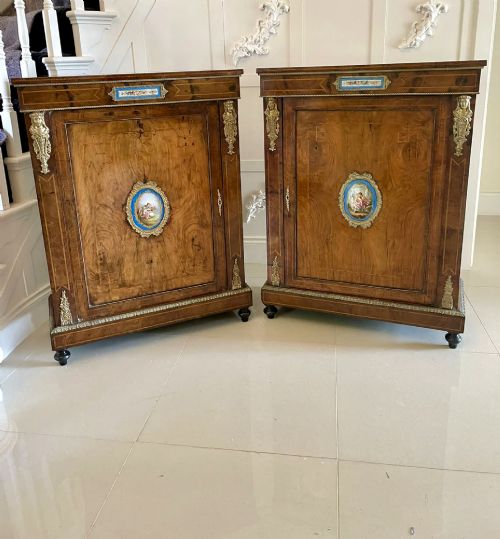
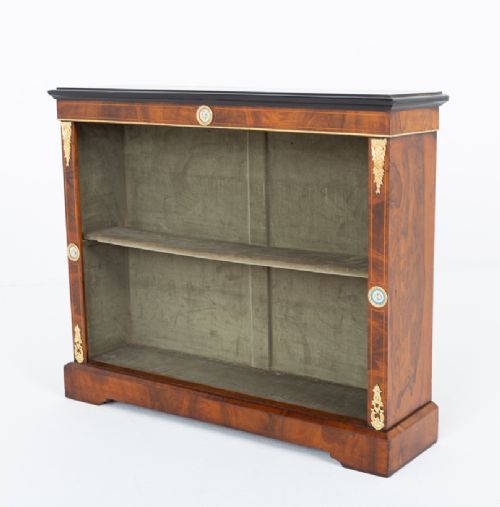
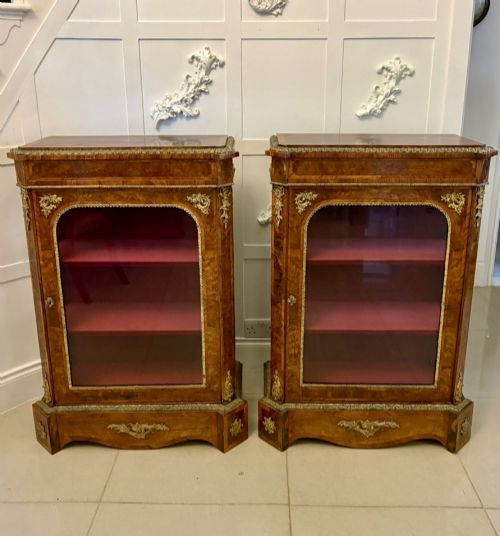
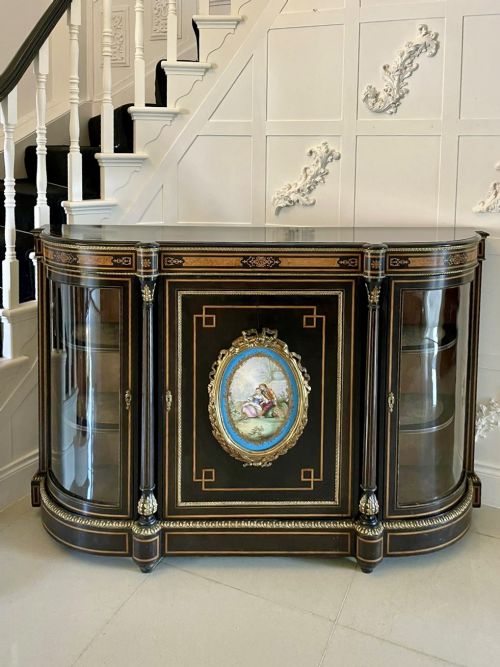
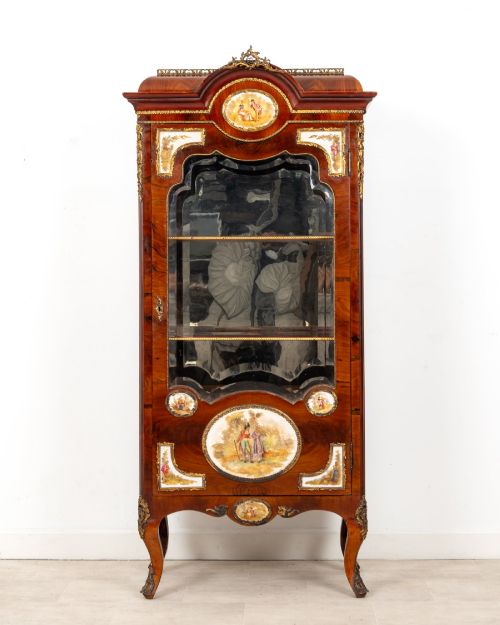
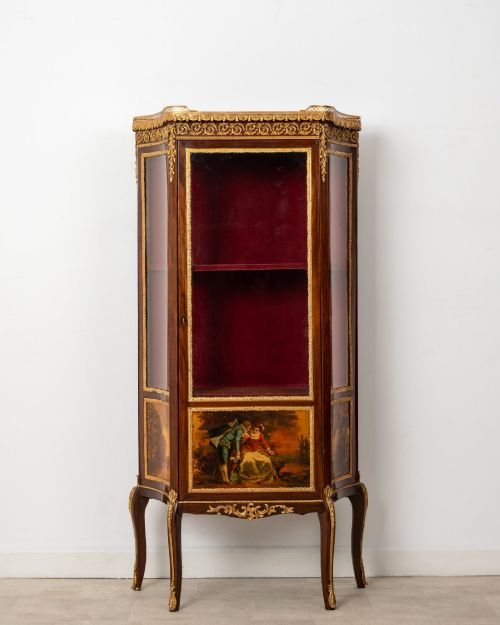
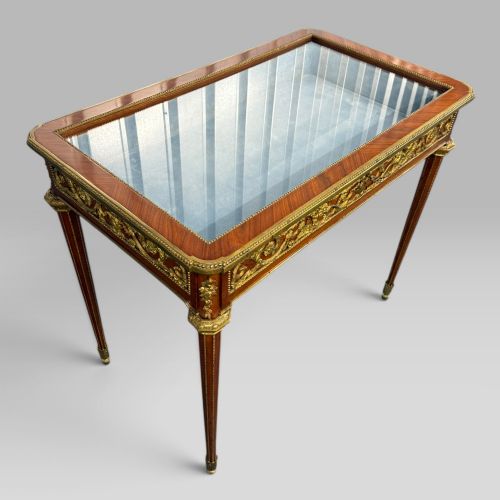
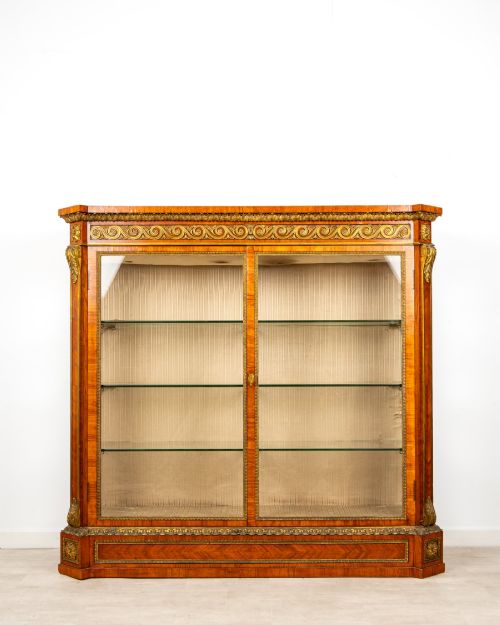
A gilt ormolu display cabinet combines glazed timber enclosures with cast bronze mounts finished in gold, taking the form of tall freestanding vitrines, low credenzas, and compact pier cabinets. These items originate predominantly from the nineteenth and early twentieth centuries, spanning Victorian Britain and continental French revival movements such as Louis XV and Louis XVI styles.
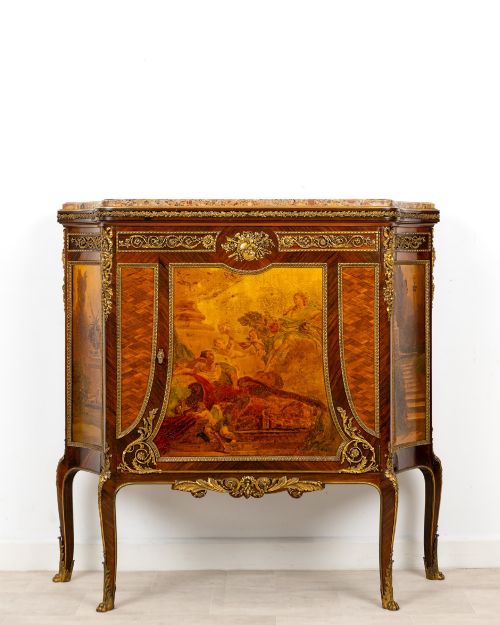
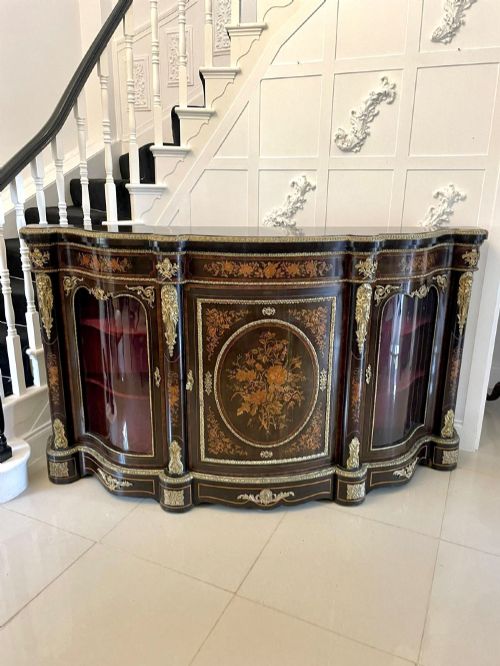
The version most commonly encountered on this page is the Victorian or French revival vitrine and credenza, constructed to house porcelain plaques, ceramics, and small curiosities. These cabinets utilise rich timbers including burr walnut, kingwood, and mahogany, often enhanced with painted Vernis Martin lower panels or mirrored backs.
How they were made
Cabinet makers constructed carcass frames from native and exotic hardwoods like walnut, mahogany, and satinwood, frequently applying decorative veneers in parquetry and floral marquetry. Ormolu mounts, cast in bronze and heavily gilded, were meticulously fitted around glass doors, corners, and cornices to accentuate the structural lines.
Surfaces were frequently completed with marble tops, inlaid porcelain plaques, and hand-painted Vernis Martin panels depicting pastoral scenes. The integration of curved serpentine or bombe glass required advanced glass-bending techniques alongside precise joinery.
Gilt Ormolu Display Cabinet Retail Price Guide 2026
Typical asking prices for gilt ormolu display cabinet among the pieces listed under this phrase on Sellingantiques today, from the lower quarter to the upper quarter. They describe what is for sale here now, not the wider market.
Some cabinets are so petite they demand nothing more than a single tiny porcelain teacup and an appreciative nod.
What varies in quality
Material selection dictates the upper tier, with figured kingwood, flawless burr walnut veneers, and genuine Sevres porcelain plaques marking superior examples. The execution of complex shapes, such as serpentine fronts and bombe panels, demands advanced joinery that separates ordinary furniture from exceptional cabinet work.
François Linke·H. J. Hatfield And Sons·Gillows·Edward Holmes Baldock·Maison Gagneau·Paul Sormani
The Gilt Ormolu Display Cabinet Glossary
- Ormolu
- Gilt bronze mounts applied to furniture. This technique involves coating cast bronze with a gold amalgam and heating it to bond the precious metal.
- Vitrine
- A glass-fronted display cabinet designed for porcelain and objects d'art. These pieces prioritise visibility through large glazed panels and mirrored interiors.
- Credenza
- A low cabinet, often featuring central mirrored doors flanked by curved side compartments. Originating as a sideboard, nineteenth-century examples frequently incorporate extensive ormolu and marquetry.
- Vernis Martin
- A simulated Japanese lacquer technique developed in eighteenth-century France and revived later. It utilises resin-based translucent varnishes over painted pastoral scenes.
- Marquetry
- Inlaid wood veneers forming decorative patterns or pictorial scenes. Craftsmen assemble contrasting timbers to create complex floral or geometric designs across cabinet doors.
Gilt Ormolu Display Cabinet: Frequently Asked Questions
What is a gilt ormolu display cabinet?
A gilt ormolu display cabinet is a glazed wooden furniture piece decorated with cast and gilded bronze mounts. These cabinets were built to protect and exhibit valued collections of porcelain, silver, and curiosities.
They emerged strongly during the nineteenth century across British and French workshops, drawing heavily on earlier royal French aesthetics. The combination of transparent glass and reflective metallic mounts allowed light to circulate around the objects kept inside.
How were these cabinets used?
These cabinets served as focal points in formal reception rooms and drawing rooms to display a household's most prized decorative items. They allowed owners to present porcelain services, ivories, and miniatures safely behind locked glass doors.
The inclusion of mirrored backs helped illuminate the displayed objects from behind, while lower closed cupboards provided storage for items not on show.
How do I live with one?
Living with a historic display cabinet requires mindful placement away from direct sunlight and sudden temperature changes to protect sensitive wood veneers and antique glass. Interior LED lighting can be integrated carefully to highlight collections without generating damaging heat.
Regular dusting with a soft, dry cloth keeps the delicate ormolu mounts and polished timber surfaces in stable condition without harsh chemical cleaners.
How do I tell periods apart?
Distinguishing periods involves examining timber choices, construction methods, and stylistic revivals. Mid-nineteenth-century pieces often feature rich burr walnut with heavy ormolu and elaborate marquetry, typical of high Victorian and Second Empire tastes.
Later nineteenth and early twentieth-century examples frequently adopt lighter satinwood, refined Louis XVI neoclassical proportions, or bear workshop stamps that anchor their exact date of manufacture.