
Gilt Ormolu Clock
A gilt ormolu clock brings the warmth of mercury-gilded bronze and classical French styling to a mantelpiece.
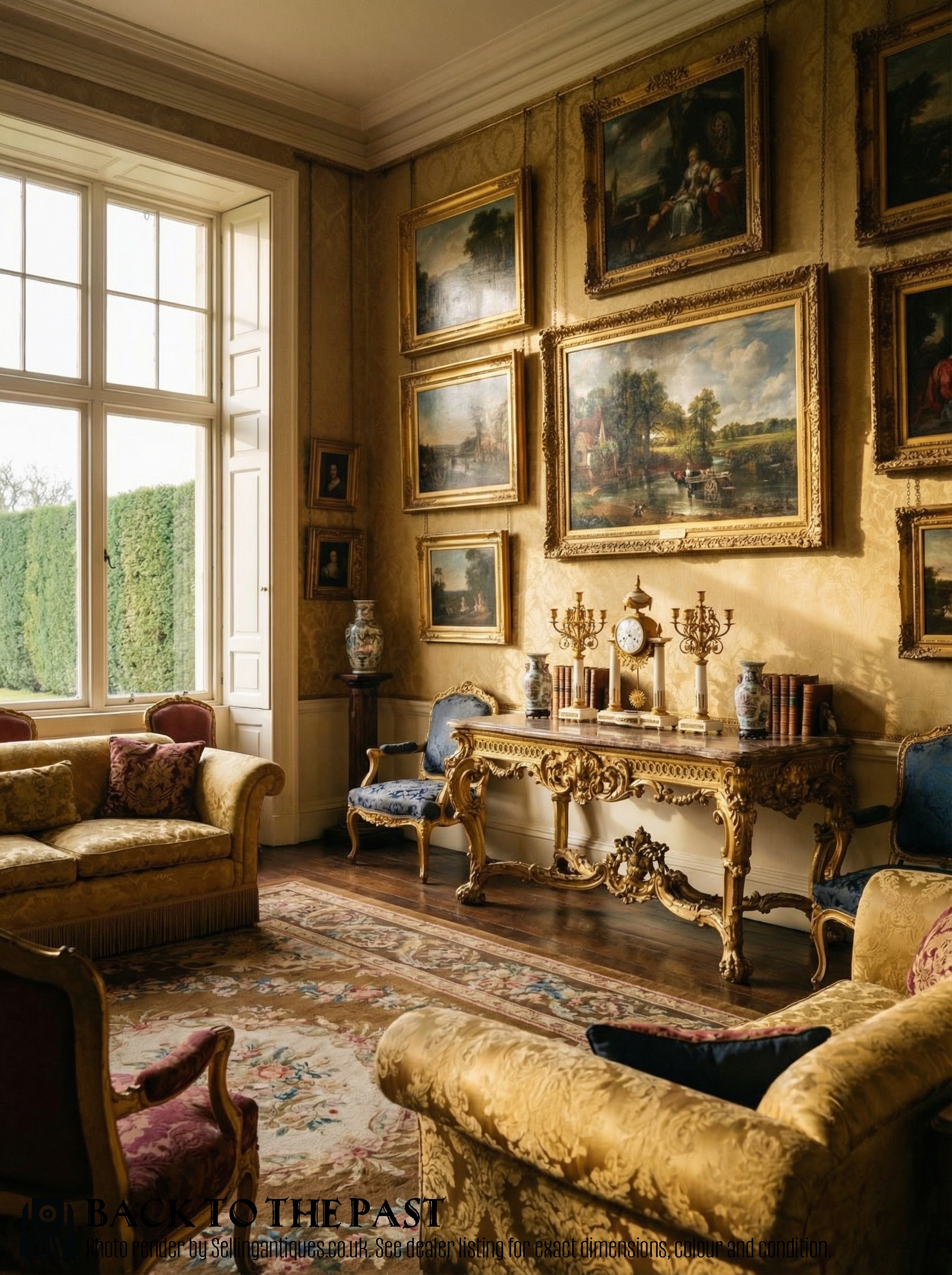
Gilt Ormolu Clock
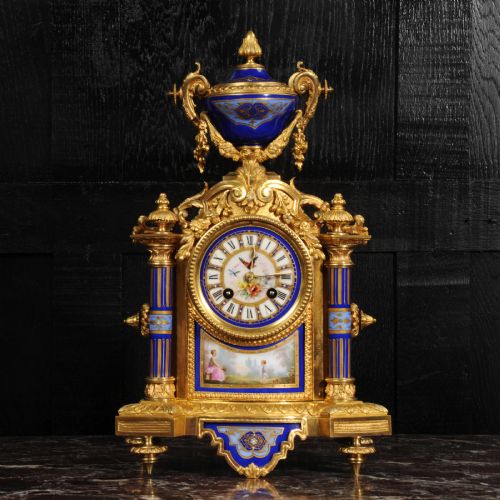
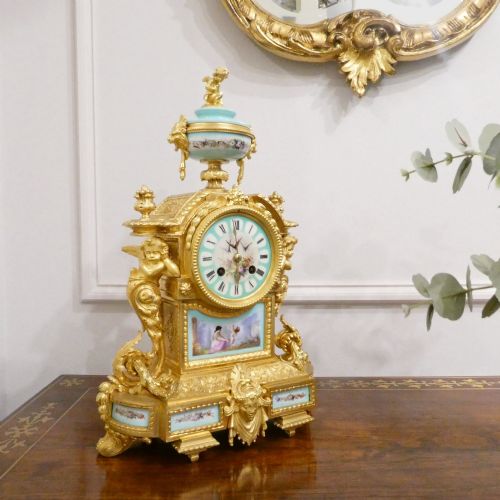
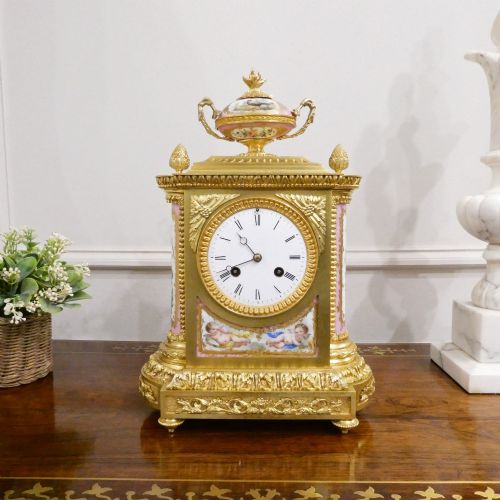
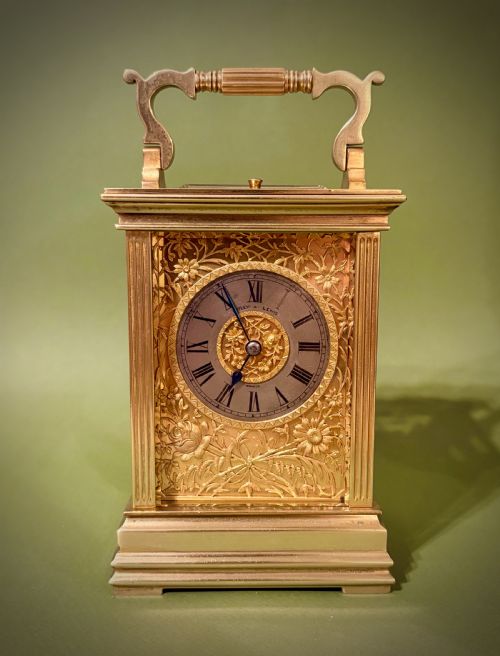
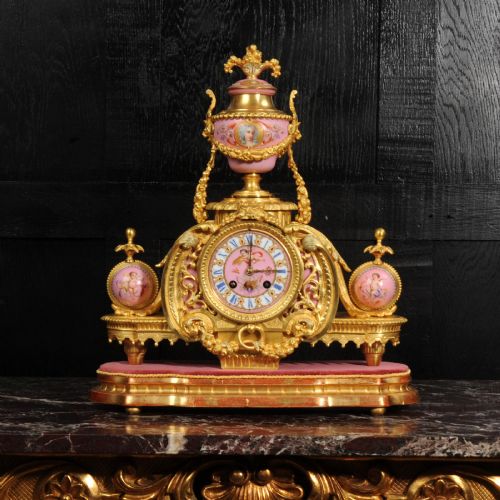
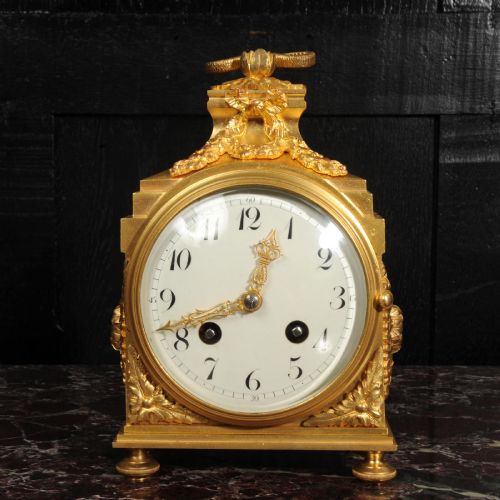
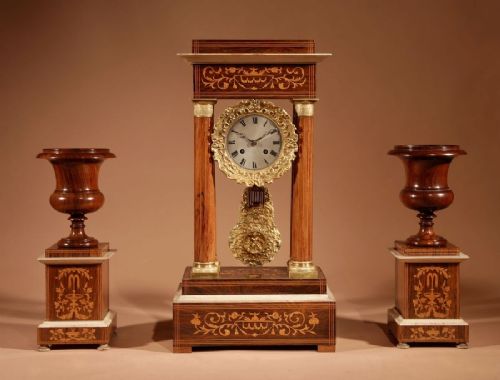
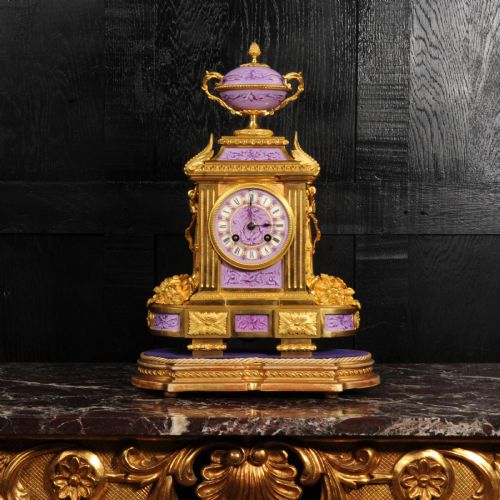
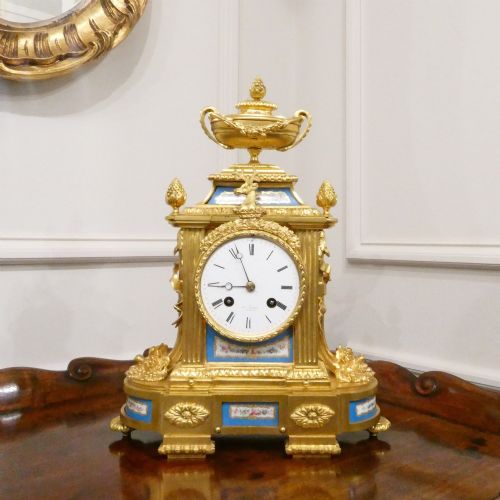
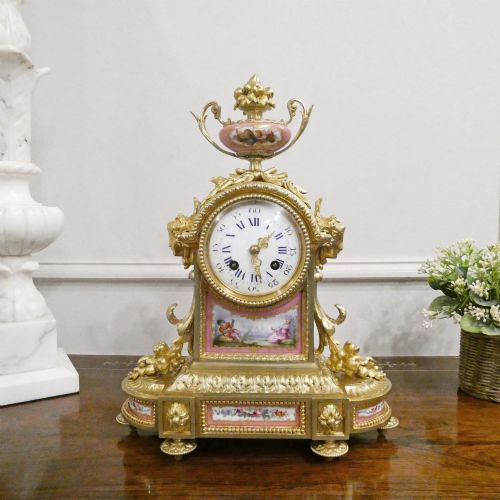
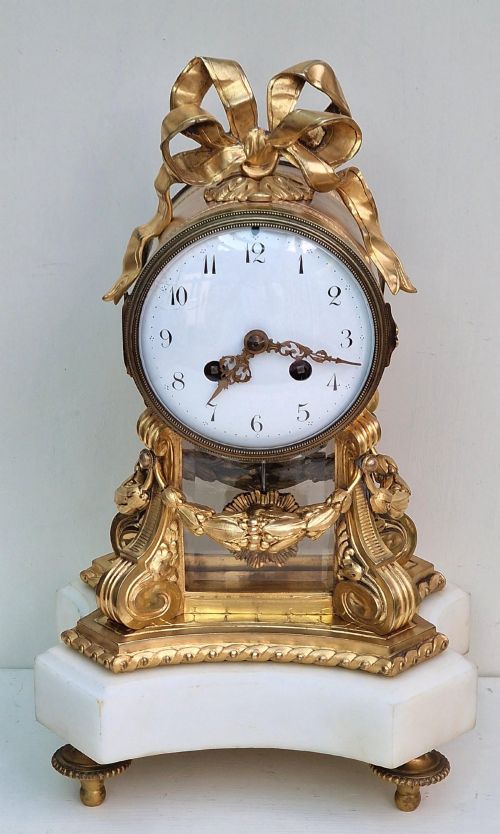
When searching for a gilt ormolu clock, a buyer encounters domestic timepieces dominated by nineteenth-century French manufacture. These objects range from compact carriage clocks and drumhead mantel clocks to architectural portico models and elaborate garniture sets.
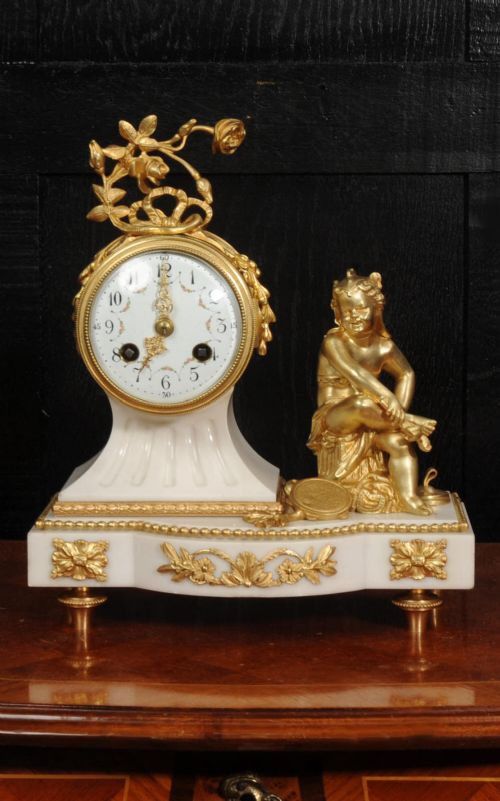
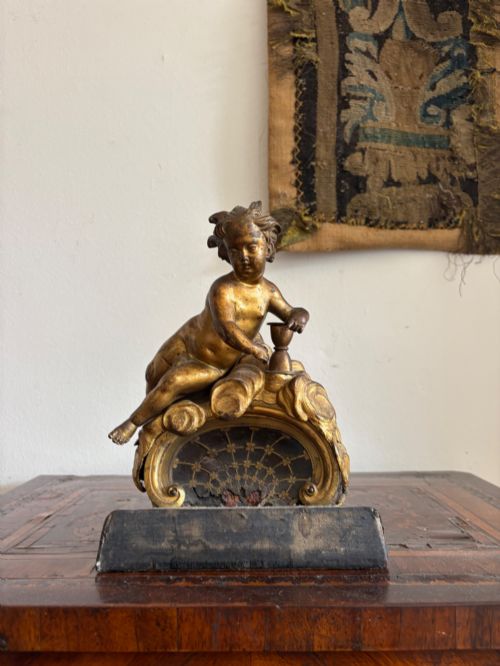
The prevalent design idioms draw heavily on French Empire, Louis XVI Revival, and Rococo styles. Figural themes, incorporating cherubs, mythological scenes, and floral mounts, appear frequently across the selection.
Makers and retailers from Paris and London supplied these decorative timepieces for formal reception rooms. Surviving examples demonstrate how mechanical utility merged with sculptural artistry during the Victorian era and preceding decades.
Materials and construction methods
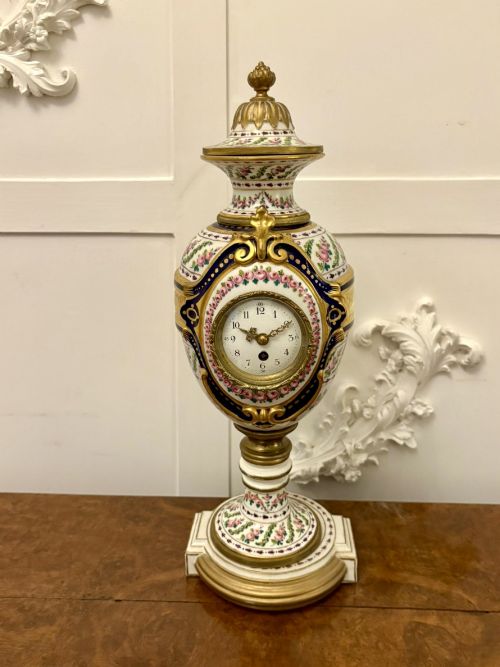
The manufacture relies on cast bronze as the primary substrate, subjected to mercury gilding to achieve the characteristic ormolu surface finish. Enamel dials, often featuring hand-painted numerals and delicate floral garlands, provide the legible face for the internal brass clockwork.
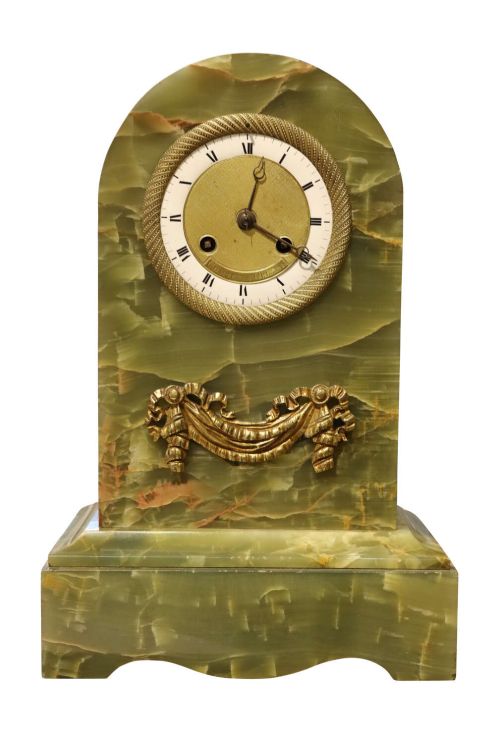
Many cases integrate contrasting elements such as white or green marble, porcelain plaques from Sèvres, and patinated bronze details. These mixed-media assemblies require precise joinery to unite heavy stone bases with intricate metal ornamentation.
Several elephants and cherubs stand guard over the passage of time in these nineteenth-century Parisian metalwork creations.
Factors of distinction
The reputation of the horologist also dictates worth. Signed movements by established makers like Achille Brocot, Japy Freres, or Henry Marc elevate a piece far above unsigned factory output of the period.
Achille Brocot·Henry Marc·Japy Freres·Paul Sormani·Le Roy et Fils
The Gilt Ormolu Clock Glossary
- Ormolu
- Gilded bronze produced through the application of a mercury and gold amalgam, fired to leave a rich golden layer. This technique creates a distinctive warm lustre found on nineteenth-century French clock cases.
- Garniture
- A set comprising a central clock flanked by matching decorative objects such as vases, urns, or candelabra. These matched ensembles were designed to create a symmetrical display on a mantelpiece.
- Portico clock
- An architectural clock style featuring a classical framework supported by four pillars. The pendulum typically swings visibly within the central opening.
- Fusee
- A conical pulley used in spring-driven clocks to maintain equal power as the mainspring unwinds. This mechanism improves timekeeping accuracy across the duration of the wind.
- Brocot escapement
- A visible pin-pallet escapement mounted on the dial face, invented by Louis-Gabriel Brocot. It allows for straightforward regulation of the pendulum without opening the back of the case.
Gilt Ormolu Clock: Frequently Asked Questions
What is an ormolu clock?
An ormolu clock is a timepiece housed in a cast bronze case finished with a mercury-gilded coating. These decorative objects gained popularity in France during the eighteenth and nineteenth centuries.
The bright golden surface mimics solid gold while allowing intricate sculptural casting. Clockmakers mounted these gilded cases with marble, porcelain, and precision mechanical movements.
How do I wind an antique clock?
Antique mechanical clocks require a key to tension the springs or lift the weights depending on the movement type. Winding should be performed gently until resistance is met, without over-tightening.
Most domestic pieces on this page utilise an eight-day movement requiring weekly attention. Care must be taken not to disturb the pendulum setting during the process.
How do I identify the period?
Dating a clock involves examining the stylistic clues of the case alongside the signature or marks on the movement backplate. Empire and Charles X pieces show strict classical symmetry, while Rococo revival models favour asymmetrical scrolls and naturalistic flora.
Changes in dial construction and escapement technology also help narrow the decade of production. Maker stamps often correspond to specific operating years in nineteenth-century Paris.