
Gilt Neoclassical Side Table
A gilt neoclassical side table brings architectural dignity and metallic warmth into a room, combining restrained classical lines with rich surface gilding.
Gilt Neoclassical Side Table
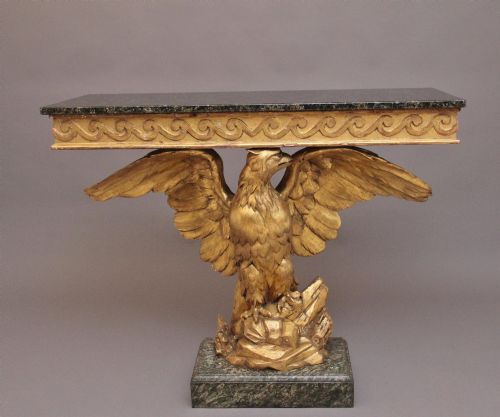
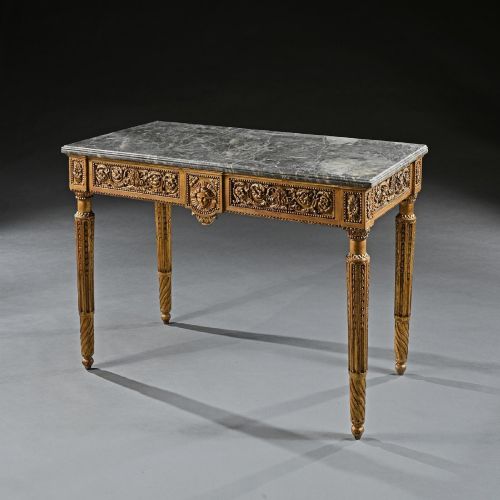
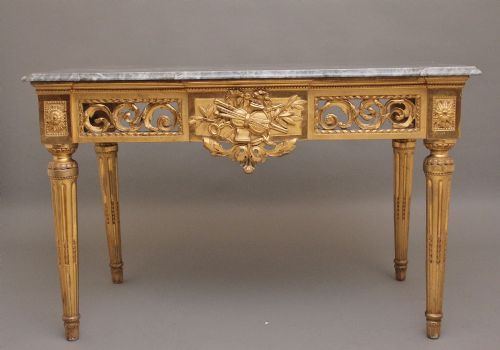
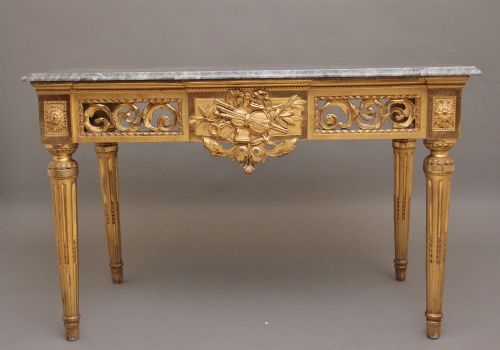
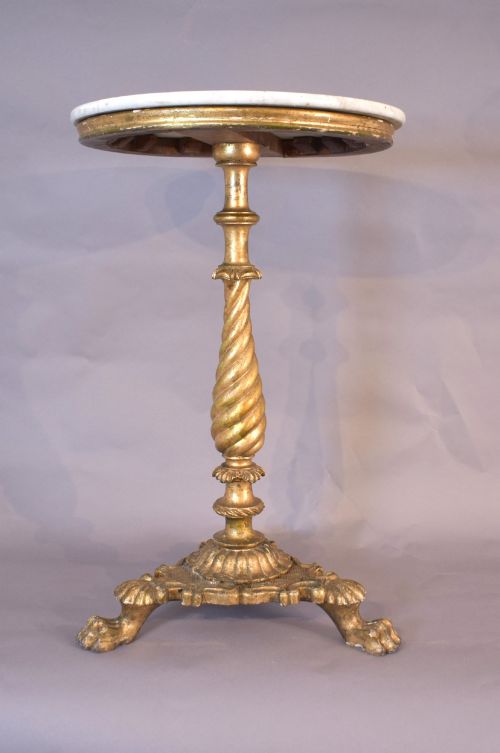
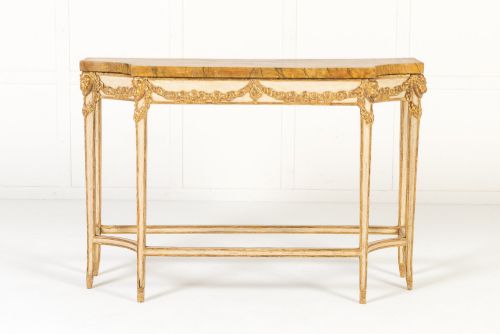
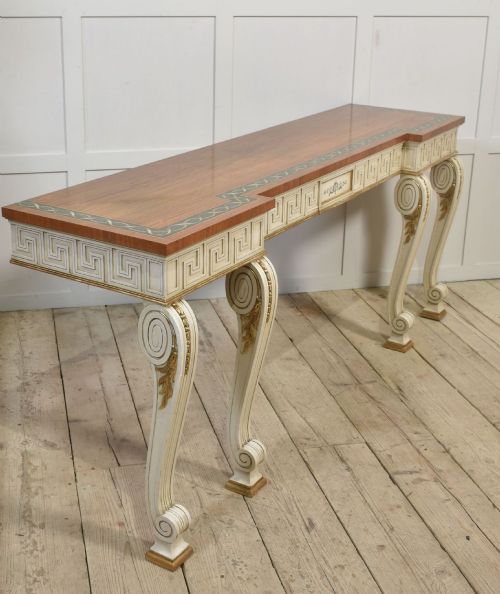
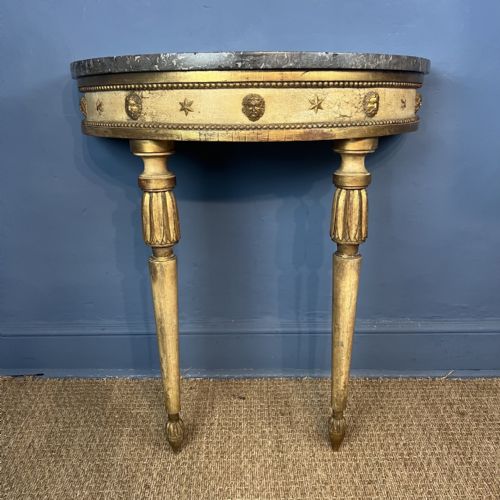
A gilt neoclassical side table typically takes the form of a console table, occasional table, or centre table designed with classical restraint. These pieces frequently feature carved timber or gilded metal frames paired with stone tops.
The selections span the eighteenth century through the early twentieth century, encompassing Italian, French, and English interpretations of the neoclassical style. Console tables with marble tops appear most often among these listings.
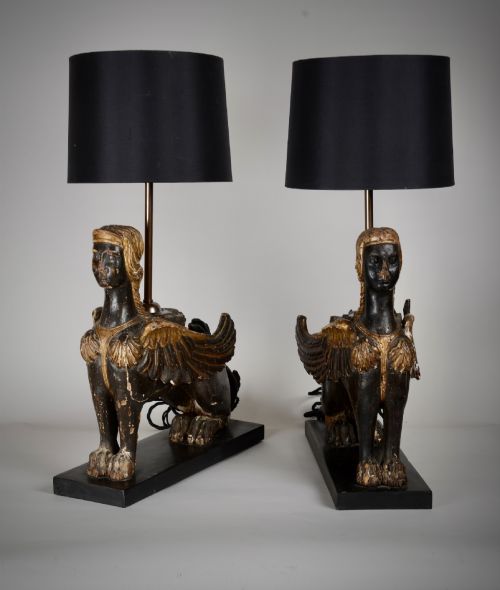
Makers and craftsmen applied classical motifs such as urns, sphinxes, and fluted columns to practical household furniture. Such tables served both decorative and functional roles in formal reception rooms and hallways.
How they were made
Carved pine, walnut, and mahogany form the structural carcasses of these pieces, providing stable foundations for decorative surface treatments. Artisans applied gold leaf or paint over prepared grounds to achieve the characteristic metallic finish.
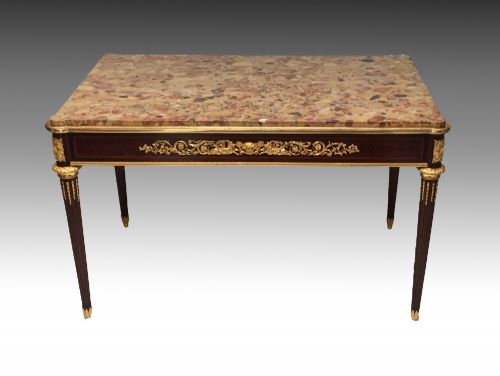
Marble and onyx slabs serve as durable, polished tops, often resting directly upon the wooden frames of console and occasional tables. Cast or chased ormolu and gilt bronze mounts decorate the angles, apron rails, and legs of French empire and Louis XVI style items.
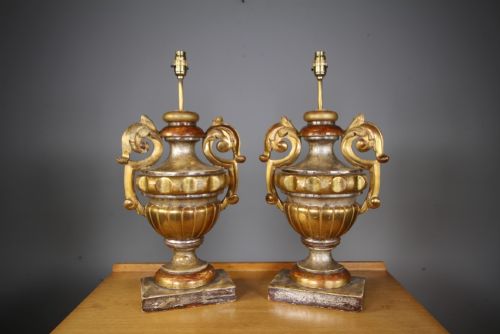
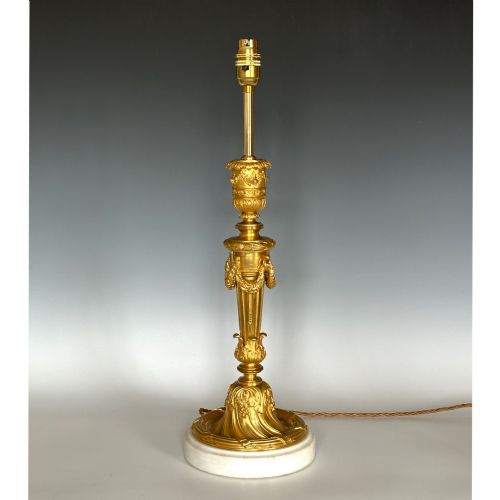
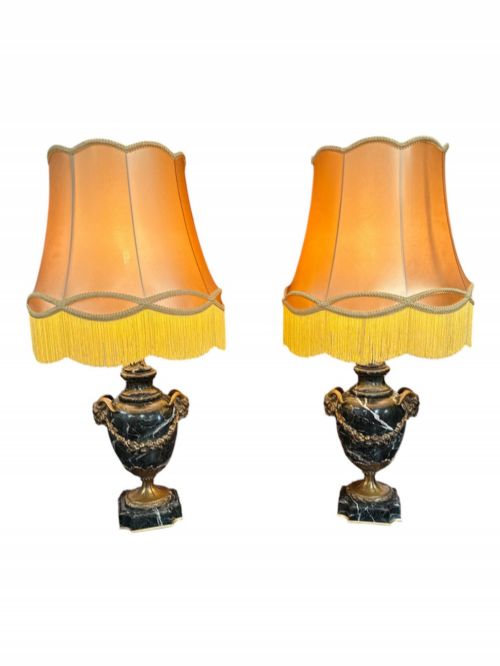
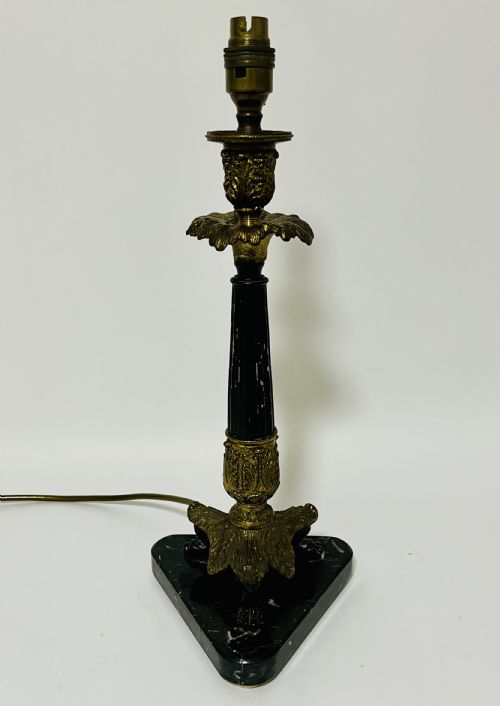
Listings incorporate marble, giltwood, and ormolu across eighteenth-century and nineteenth-century forms including console tables, mantel clocks, and urn lamps.
What varies in quality
The depth and crispness of the hand carving on wooden elements separate ordinary production from finer examples. Sharp details in acanthus leaves, fluting, and figural mounts indicate skilled craftsmanship rather than hasty commercial output.
The quality of the gilding and the selection of the stone top dictate the overall visual weight of the object. Heavy, well-chased ormolu mounts and thick, beautifully marked marble slabs distinguish the more ambitious pieces from simpler painted or gilded alternatives.
Masion Ramsay·Weisweiler
The Gilt Neoclassical Side Table Glossary
- Ormolu
- Gilded bronze, usually mercury-gilded, used extensively for decorative mounts on French furniture and clocks. This technique produces a durable, rich metallic lustre.
- Console table
- A table designed to be fixed against a wall, frequently supported by two front legs and secured with wall brackets. These tables often feature elaborate carved aprons and marble tops.
- Giltwood
- Wood that has been coated with thin sheets of gold leaf or powder over a gesso base. It creates the brilliant reflective surfaces seen on neoclassical frames.
- Bouillotte table
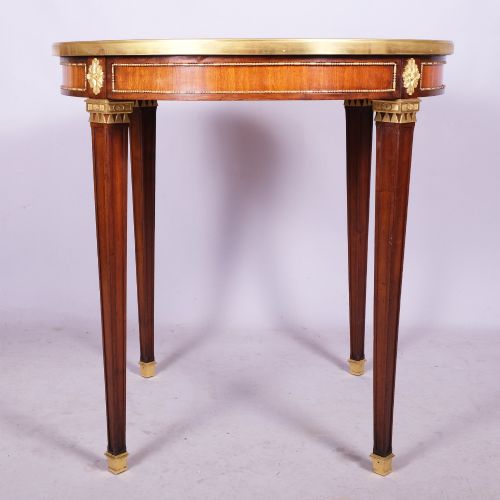
- A small, round occasional table with a raised gallery edge, traditionally used for card games. They commonly feature marble tops and brass or gilt metal galleries.
- Demi-lune
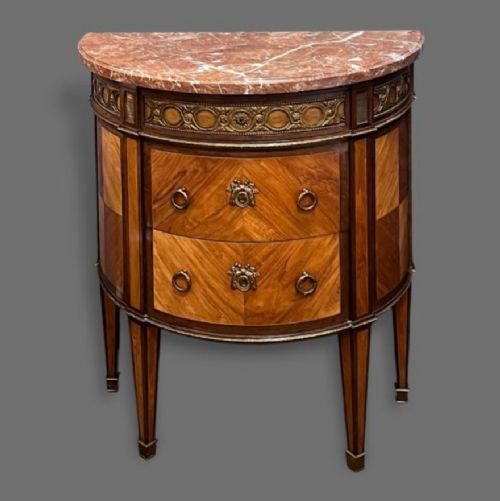
- Half-moon shaped, describing furniture such as console tables or chests designed to fit flush against a wall. This format saves floor space while providing a display surface.
Gilt Neoclassical Side Table: Frequently Asked Questions
Where should I place a console table?
A console table works best against an empty wall in a hallway, drawing room, or dining space where it can anchor a mirror or painting above.
Because these tables are relatively shallow, they provide a display surface without obstructing walking routes in tighter interior spaces.
How do I care for a marble top?
Clean marble surfaces using a soft cloth dampened with warm water and a neutral soap, avoiding acidic cleaners that etch the stone.
Using coasters beneath glasses and hot dishes prevents permanent staining and protects the polished surface from moisture damage.
What defines the neoclassical style?
The neoclassical style draws inspiration from the classical art and architecture of ancient Greece and Rome, prioritising symmetry, straight lines, and proportion.
Ornamentation includes motifs such as swags, urns, fluted legs, and classical foliage rather than the asymmetrical curves of earlier rococo designs.
How do I distinguish eighteenth-century pieces?
Eighteenth-century examples often display hand-carved wooden construction with genuine gold leaf application and heavier structural timbers beneath the gesso.
Examination of the timber joints, hand-cut fixings, and wear patterns on the underside helps confirm the age of these early console tables.