



Gilt Mounted Porcelain Lamp
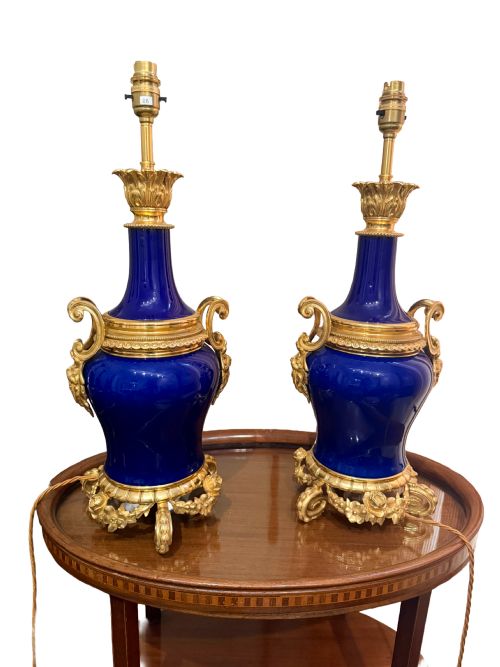
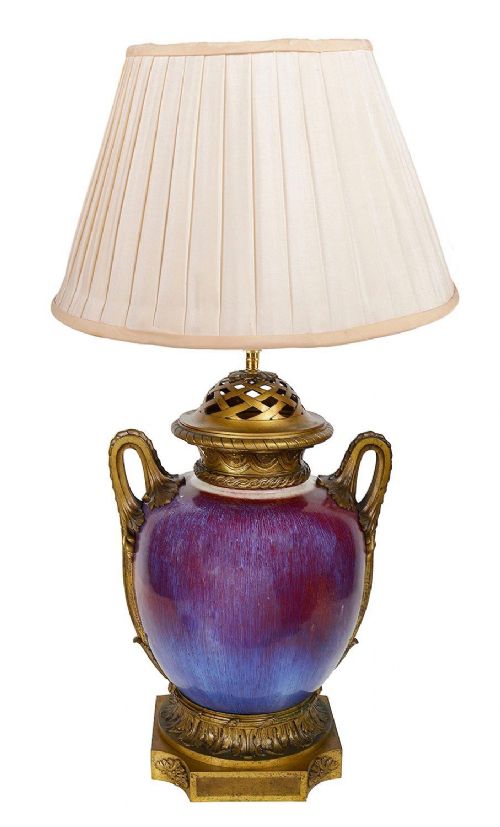
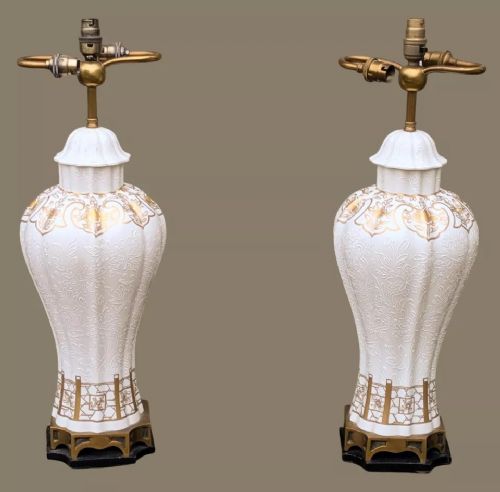
These gilt mounted porcelain lamps combine European metalwork with imported and domestic ceramic forms, bringing decorative presence and warm illumination to an interior.
Gilt Mounted Porcelain Lamp
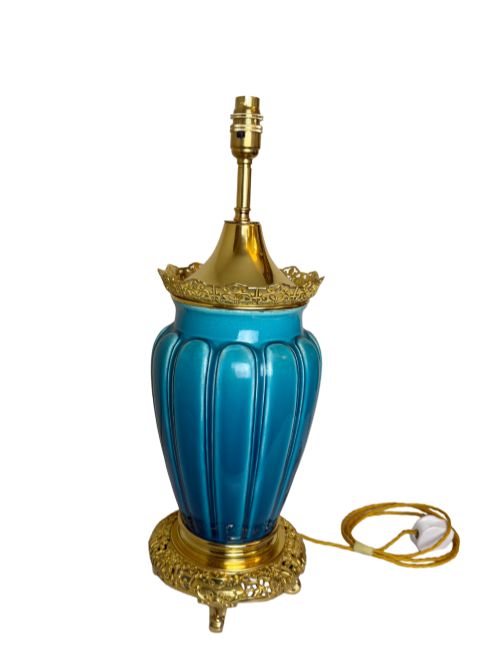
A gilt mounted porcelain lamp typically takes the form of an adapted vase, oil lamp, or decorative vessel mounted with metal fittings. These pieces emerge predominantly from the nineteenth century, drawing heavily on Chinese export wares and French aesthetic traditions.
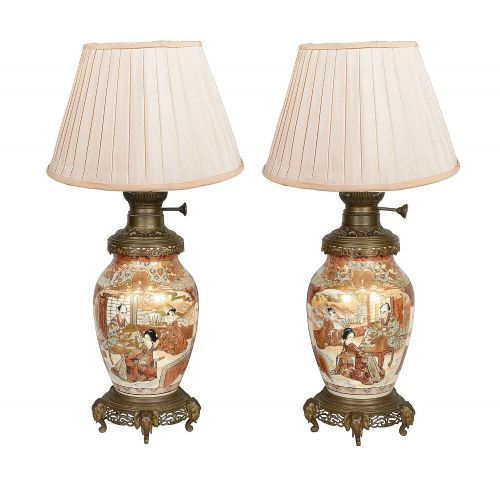
The ceramic bodies commonly display traditional palettes such as powder blue, turquoise, and famille rose, alongside Japanese Satsuma and Imari designs. Many pieces originate as lidded vases or jars subsequently wired for electricity while retaining their original proportions.
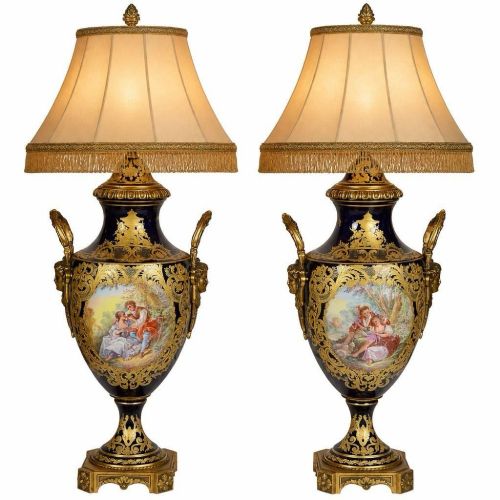
French workshops frequently adapted Sevres style porcelain and Paris porcelain during the Victorian era, creating pairs or single statement items. The combination of painted ceramic surfaces and cast metal mounts defines the character of this category.
Materials and construction methods
Makers utilised high-fired porcelain bodies, often hand-painted with intricate enamel colours or decorated with techniques like pate-sur-pate and cloisonne. These ceramic foundations provide the central visual mass of each object.
Metal components take the form of gilt bronze, ormolu, brass, or gilt metal, cast and chased to frame the ceramic base. These mounts secure the body, form the footing, and transition upwards toward the lamp fittings and fabric or silk shades.
Many seventeenth and eighteenth-century export vases spent decades as silent mantelpiece residents before someone finally drilled a hole through them for a lightbulb.
Distinctions in craftsmanship
Quality reveals itself in the crispness of the bronze or ormolu casting and the precision with which the metal mounts conform to the contours of the porcelain. Superior examples integrate the metalwork harmoniously into the design rather than masking irregularities in the ceramic body.
The hand-painted detail on the porcelain itself marks the tier of a piece, with finer work showing delicate brushwork, controlled enamel application, and nuanced colour depth. The integration of the wiring apparatus without compromising the antique vessel also dictates the standard of execution.
The Gilt Mounted Porcelain Lamp Glossary
- Ormolu
- A method of applying finely ground high-carat gold to a bronze base, creating a rich golden finish on mounts. This technique is typical of high-status French decorative arts.
- Pate-sur-pate
- A ceramic decoration process where wet porcelain slip is built up in successive layers on a contrasting body to create a low relief cameo effect. It requires great skill from the artisan.
- Famille rose
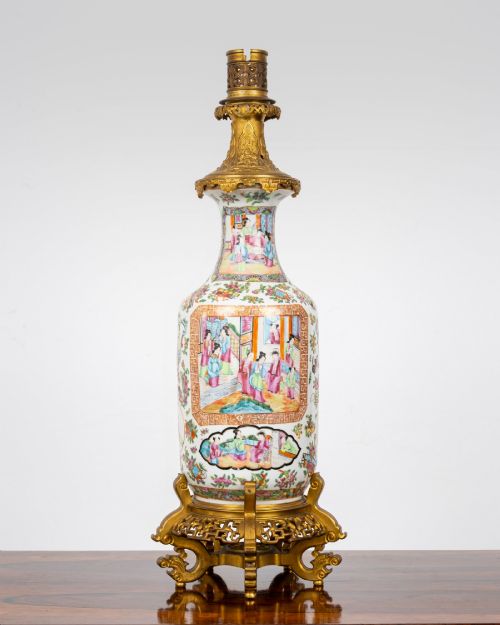
- A prominent palette of Chinese porcelain enamels dominated by opaque pink or rose colours, introduced during the Qing dynasty. The style gained immense popularity in nineteenth-century Europe.
- Rose medallion
- A distinct panelled pattern featuring alternating scenes of figures, birds, and flowers, heavily highlighted in gold and pink enamel. These pieces were largely produced in Canton for export.
Gilt Mounted Porcelain Lamp: Frequently Asked Questions
How do I date a gilt mounted porcelain lamp?
Dating relies upon examining the style of the porcelain body, the characteristics of the bronze mounts, and the construction methods visible beneath the base. Nineteenth-century examples often combine Asian ceramics with French revival metalwork.
Changes in wiring and mounting techniques also provide clues, though many antique vases were adapted into lamps long after their initial manufacture.
Are these lamps usually found in pairs?
Many nineteenth-century examples survive as balanced pairs, particularly those originating from French salons or grand domestic interiors. Single lamps also appear frequently, often representing individual antique vases converted at a later date.
Pairs command particular interest for symmetrical placement on mantelpieces or sideboards.
What styles of porcelain are most common?
Chinese export wares, including famille rose, powder blue, and Canton rose medallion, appear frequently among the listings. European interpretations, notably Sevres style and Paris porcelain, are equally prevalent.
Japanese Satsuma and Imari wares also feature, demonstrating the wide nineteenth-century appetite for imported aesthetics.
How should I clean the gilt mounts?
Dust the mounts gently with a soft, dry brush to prevent the accumulation of dirt in the chased recesses. Avoid harsh chemical cleaners or abrasive polishes that can strip the gilding from the bronze or ormolu surface.
Keep moisture away from both the metal and the painted porcelain body during maintenance.