



Gilt Metal Foot Table
These gilt metal foot table selections bring together diverse small furniture and decorative objects resting upon cast or chased metal supports.
Gilt Metal Foot Table
When you search for a gilt metal foot table, you encounter console tables, side tables, and occasional stands supported by distinct metallic mounts. These items unite decorative arts from the seventeenth, eighteenth, and nineteenth centuries, spanning French Empire, Italian Baroque, and Aesthetic Movement aesthetics.
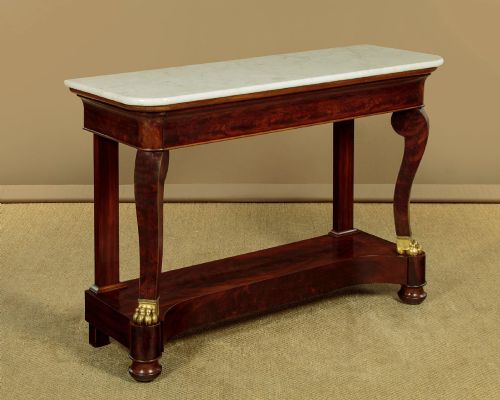
The console and side tables frequently feature marble tops paired with mahogany or lacquered wood bodies. Smaller decorative items and lighting pieces also appear, grounded by decorative metal feet.
French design influences feature prominently among these listings, particularly through Empire revival forms and neoclassical console layouts. Makers and designers of the periods utilised bronze, brass, and gilt metal to anchor wooden or stone structures.
How they were made
Craftsmen built structural forms using mahogany, lacquered wood, and carved gilt wood, often topped with fitted marble slabs. These wooden and stone elements formed the primary bodies of console tables and side tables.
Foundations and decorative details relied upon cast brass, bronze, and gilt metal, shaped into paw feet and ornamental mounts. Artisans utilised fire-gilding and ormolu techniques to impart a durable metallic lustre to the bronze and brass components.
Gilt Metal Foot Table Retail Price Guide 2026
Typical asking prices for gilt metal foot table among the pieces listed under this phrase on Sellingantiques today, from the lower quarter to the upper quarter. They describe what is for sale here now, not the wider market.
Several items demonstrate a fondness for animal anatomy, resting their weight entirely on meticulously cast bronze paws.
What varies in quality
Quality rests upon the crispness of the metal casting and the depth of the gilding applied to the bronze or brass feet. Finer examples display sharp chasing and articulation in the paws and mounts, whereas simpler versions show softer, smoother contours.
The integration between the stone or wooden top and the supporting frame dictates the overall standard of construction. Superior pieces maintain stable joints and meticulously fitted marble tops that sit flush against the wooden rails.
The Gilt Metal Foot Table Glossary
- Ormolu
- Gilded bronze, where a mixture of gold and mercury is applied to a bronze base and heated to leave a gold coating. This technique creates a rich finish seen on mounts and furniture feet.
- Gueridon
- A small French table supported by one or more columns or figures, frequently featuring a circular marble top. These tables often serve as side stands or display surfaces.
- Chinoiserie
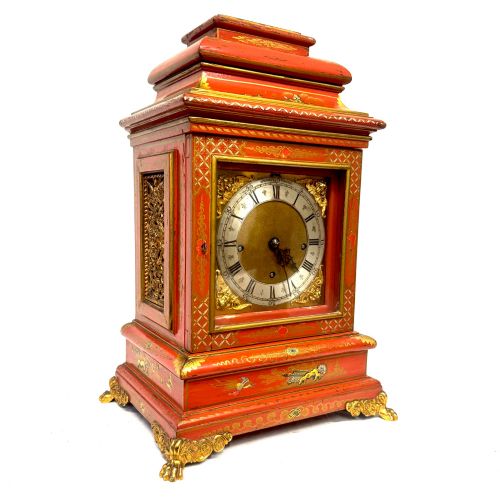
- European artistic style reflecting Chinese motifs and decorative techniques, popular in lacquered furniture and clock cases. It combines oriental scenes with western furniture forms.
- Console table
- A table designed to be fixed against a wall, frequently supported by ornamental brackets or front legs. These tables often feature decorative marble tops.
- Tazza
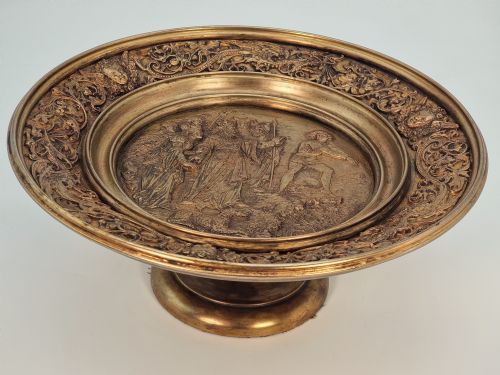
- A shallow saucer-like dish on a stem and foot, used as an ornamental centrepiece. They are often cast in metal or carved from decorative materials.
Gilt Metal Foot Table: Frequently Asked Questions
What defines a gilt metal foot table?
These items are tables and decorative objects that feature cast or chased metal supports, typically executed in brass, bronze, or gilt metal.
They encompass console tables, side tables, and gueridons originating from nineteenth-century revival periods and earlier European traditions.
How do I care for marble top tables?
Marble surfaces require gentle cleaning with mild soap and water to avoid dulling the polished stone.
Harsh acidic substances must be kept away from the marble to prevent permanent staining or etching of the surface.
Where were these console tables placed?
Console tables were traditionally positioned against salon and hallway walls below mirrors or paintings.
Their shallow depth allowed them to serve as decorative display surfaces without obstructing interior pathways.
How are French Empire pieces identified?
French Empire pieces display formal neoclassical symmetry, militaristic motifs, and robust bronze or ormolu mounts.
Woods such as mahogany are paired with heavy gilt metal feet, reflecting the design trends of the early nineteenth century.