



Gilt Marginal Mirror
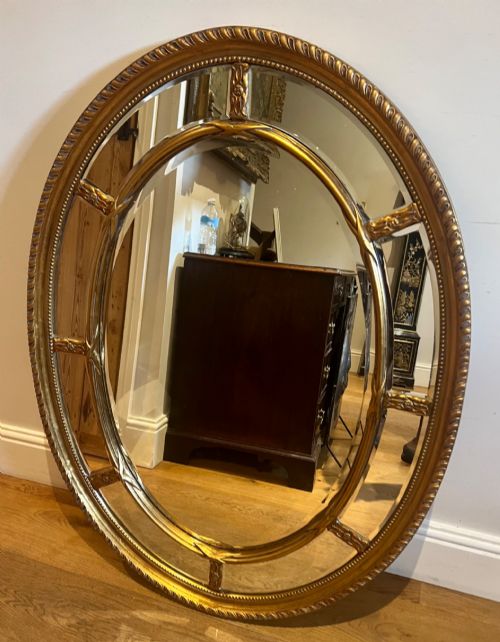
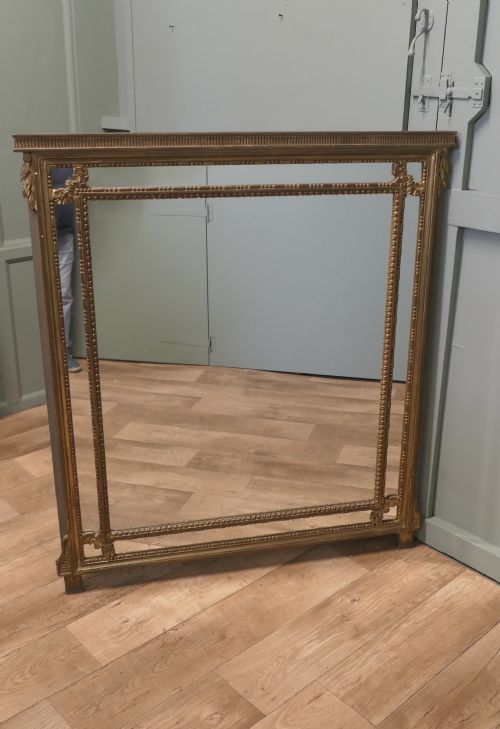
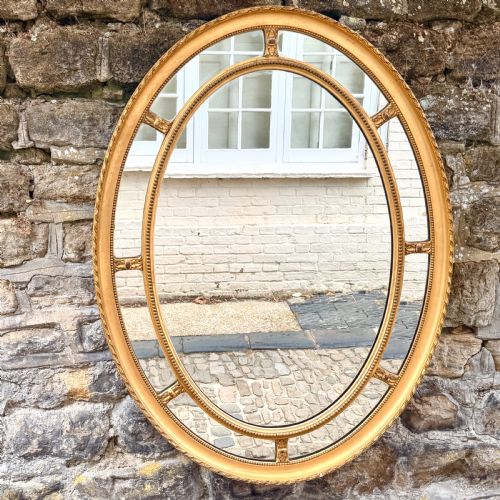
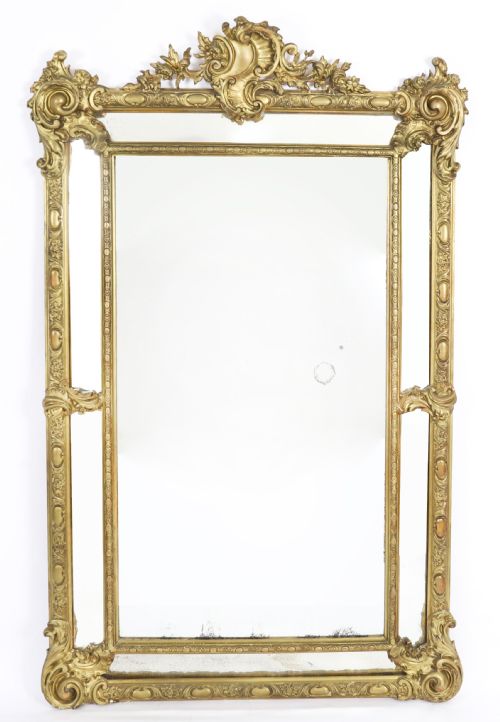
A gilt marginal mirror brings light and classical proportion to a room, using segmented glass plates set within an ornate gilded frame.
Gilt Marginal Mirror
When you search for a gilt marginal mirror, you encounter pieces defined by a central plate surrounded by smaller marginal glass plates. These decorative wall mirrors and overmantles appear in styles such as Louis Revival, French Chateau, Regency, Neoclassical Revival, French Rococo Revival, Rococo Revival, Adam Revival, and Italian Neoclassical. The selection spans the nineteenth century, including specific dates from the eighteen-fifties through the eighteen-nineties, alongside Edwardian and early twentieth-century examples.
The forms range from large overmantel cushion mirrors to oval wall mirrors and panelled mirrors. Many pieces incorporate decorative elements such as urns, swags, and carved wood or gesso details. Origins include French, English, and Italian workshops, reflecting diverse revival aesthetics across European design traditions.
Materials and construction
Makers constructed these frames using wood, gesso, and carved wood, applying gold leaf and gilt gesso to achieve a reflective metallic surface. The joinery supports substantial overmantel and wall formats, accommodating multiple glass plates secured within the wooden structure.
Mirrored glass and giltwood form the primary visual components, combining traditional plate glass with layered gesso and gilding techniques. Artisans carved intricate motifs into the wooden and gesso base before applying the gold leaf finish that characterises each piece.
Gilt Marginal Mirror Retail Price Guide 2026
Typical asking prices for gilt marginal mirror among the pieces listed under this phrase on Sellingantiques today, from the lower quarter to the upper quarter. They describe what is for sale here now, not the wider market.
Several mirrors include carved wooden urns and swags perched atop the frame, as if the furniture itself is dressed for a garden party.
Assessing craftsmanship and design
Quality separates through the depth and precision of the carved wood and gesso ornament, where finer examples display crisp relief work on urns, swags, and classical motifs. The intricacy of the frame moulding and the integration of marginal glass plates dictate the overall visual harmony of the piece.
The application of gold leaf and the preservation of the original gilt surface influence the character of each mirror. Superior craftsmanship is evident in the structural stability of large overmantel formats and the careful bevelling or fitting of marginal glass sections.
The Gilt Marginal Mirror Glossary
- Marginal mirror
- A looking glass featuring a large central plate bordered by smaller outer glass segments fitted into the frame.
- Giltwood
- Timber that has been coated with gold leaf or a gold-coloured metallic finish.
- Gesso
- A plaster-like mixture applied to wood frames to create a smooth surface for carving and gilding.
- Overmantel
- A large mirror designed to hang specifically above a fireplace mantelpiece.
- Cushion mirror
- A frame profile featuring a convex, outward-sloping shape that enhances the reflection of light.
Gilt Marginal Mirror: Frequently Asked Questions
How do I style a gilt marginal mirror?
Position the mirror above a fireplace mantel or on a principal wall where it can reflect natural light and anchor the room's proportions.
Pair the piece with traditional or transitional furnishings that complement the classical revival styles of the frame.
What is a marginal mirror?
A marginal mirror is a wall or overmantel glass where a central plate is framed by smaller individual glass segments.
This partitioning technique adds geometric complexity and decorative depth to the reflective surface.
How do I date an antique gilt mirror?
Examine the materials, construction methods, and stylistic revival indicators such as Neoclassical or Louis Revival motifs.
Nineteenth-century and Edwardian pieces often exhibit distinct gesso formulations, backing boards, and glass characteristics.
Where were these mirrors made?
These pieces originate primarily from French, English, and Italian workshops spanning the nineteenth and early twentieth centuries.
Regional stylistic preferences influence whether a frame follows an Adam Revival, Rococo Revival, or Italian Neoclassical design.