
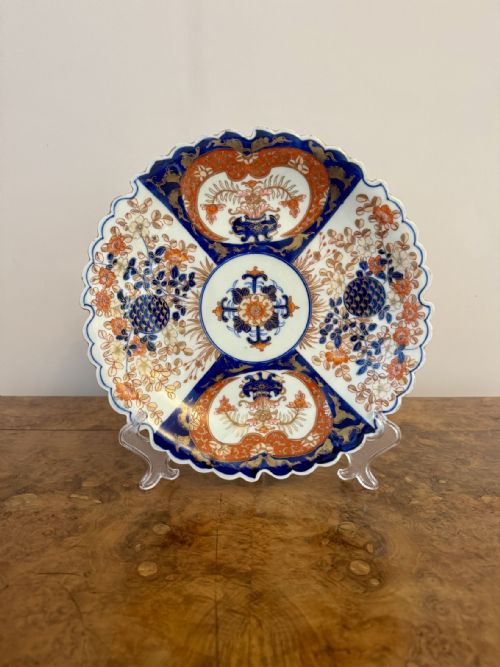
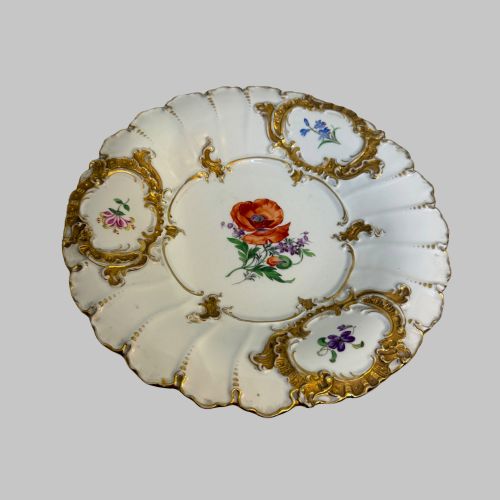
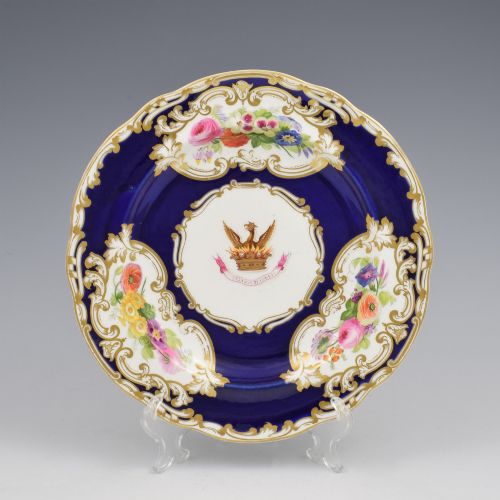


Gilt Hand Painted Porcelain Charger
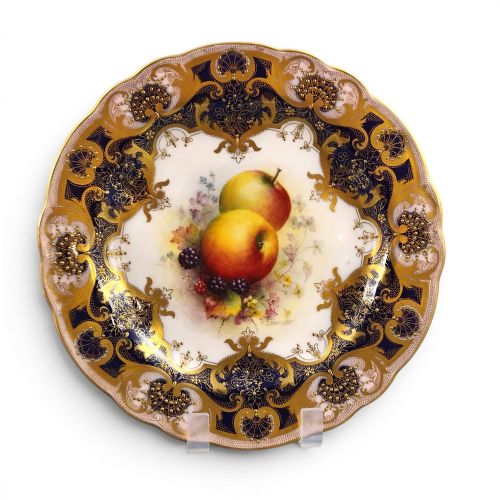
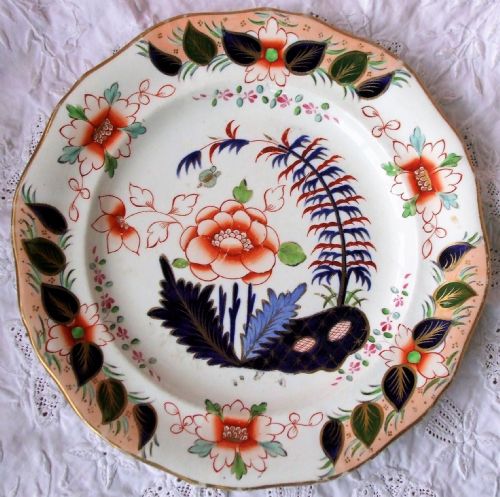
These gilt hand painted porcelain charger examples bring together intricate painted scenes and gilded surfaces from nineteenth and early twentieth century workshops.
Gilt Hand Painted Porcelain Charger
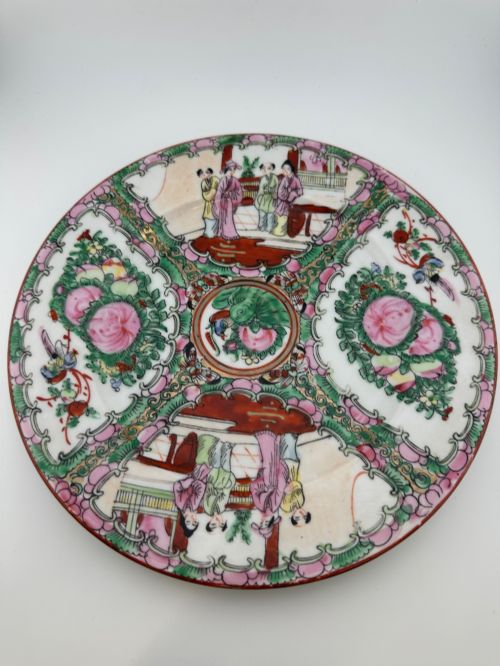
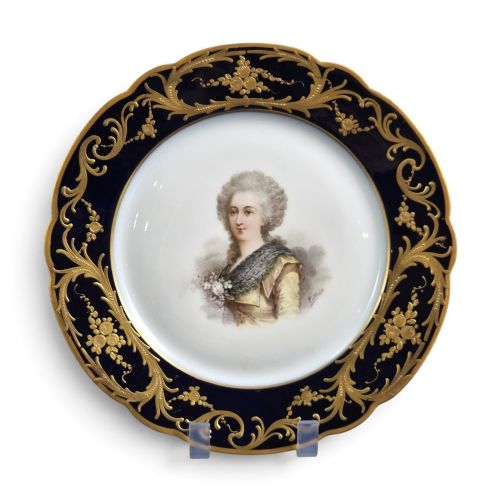
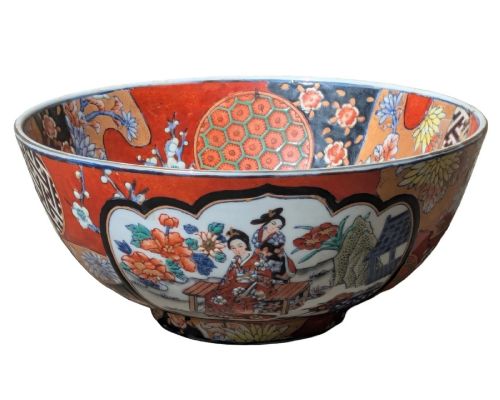
A gilt hand painted porcelain charger serves primarily as a decorative display piece rather than tableware, spanning large chargers, cabinet plates, and trays. These items originate from diverse traditions, including nineteenth-century Vienna portrait plates, Japanese Meiji Imari wares, and Chinese export pieces.
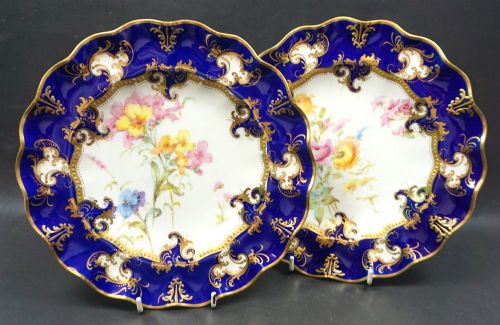
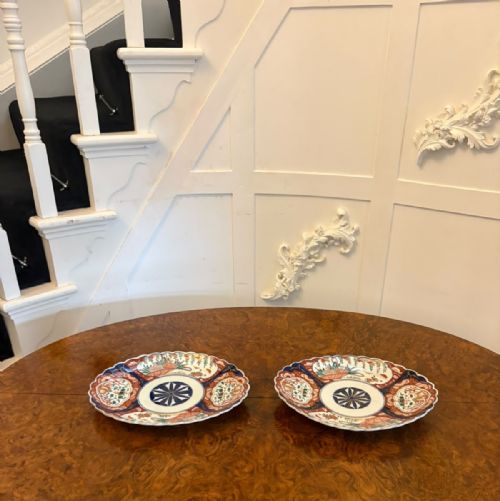
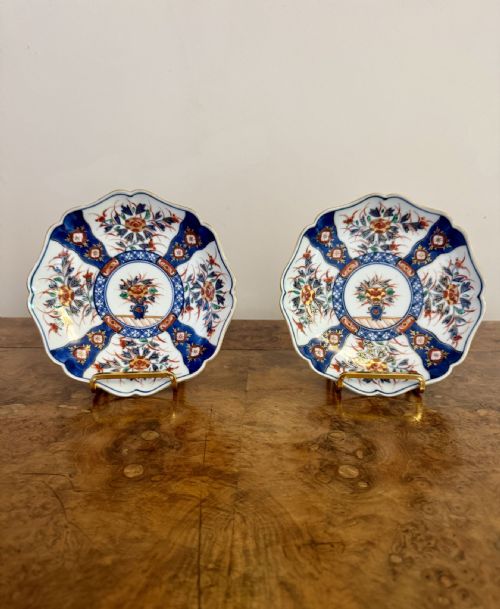
The most common examples on this page are nineteenth-century European cabinet plates and Japanese Imari chargers featuring detailed enamel painting enriched with gold leaf. Buyers encounter large-scale Vienna chargers depicting mythological and historical scenes alongside delicate Meissen and Royal Worcester botanical or avian subjects.
How they were made
Potters shaped hard-paste and bone china porcelain bodies before applying underglaze or overglaze enamel paints by hand. Artisans then added gold leaf, gilding, and gold gilt accents by brush, fixing the precious metals and colours through multiple high-temperature kiln firings.
Factories utilised specialised techniques such as cobalt blue grounds, reticulated pierced borders, and raised paste gilding to frame the central painted subjects. Signed works by factory artists often involve meticulous brushwork executed over pre-existing glazed blanks or custom-moulded cabinet plates.
Several plates depict dramatic classical figures, including Othello, Bacchus, and Caesar, captured in moments of high historical tension on porcelain.
What varies in quality
Quality rests in the precision of the hand-painted detail and the depth of the gilding across the porcelain surface. Finer examples display master-level portraiture, mythological narratives, or intricate flora with crisp outlines and minimal pigment pooling.
The reputation of the maker, such as Vienna, Meissen, or Royal Worcester, combined with documented artist signatures, distinguishes standard decorative plates from exceptional cabinet pieces. The complexity of the moulded or reticulated borders and the richness of the gold leaf application further elevate a piece.
Royal Crown Derby·Royal Worcester·John Davenport of Longport·Meissen·Samson Paris
The Gilt Hand Painted Porcelain Charger Glossary
- Charger
- A large decorative plate traditionally utilised for display on a sideboard or wall rather than for serving food. These pieces frequently feature elaborate painted centres and gilded borders.
- Cabinet plate
- A smaller porcelain display item created specifically for cabinet exhibition rather than domestic use. They often exhibit high artistic execution by named factory painters.
- Gilding
- The application of gold leaf or powdered gold paint to the porcelain surface. This technique highlights rims, handles, and painted motifs.
- Reticulated
- Describes a pierced or openwork pattern cut into the rim of a porcelain plate before firing. This decorative border technique appears on various European cabinet pieces.
- Imari
- A traditional Japanese style of porcelain decoration characterised by a palette of underglaze blue, iron red, and abundant gold. The style influenced numerous European and domestic productions.
Gilt Hand Painted Porcelain Charger: Frequently Asked Questions
How were antique chargers displayed?
Owners typically exhibited large chargers on sideboards, inside glass-fronted display cabinets, or mounted directly onto walls using specialist wire hangers.
This method protected the delicate enamel painting and gold leaf from everyday handling while showcasing the central artistic scenes.
How do I identify Vienna porcelain?
Authentic pieces often feature underglaze shield or beehive marks alongside painted titles of mythological or historical subjects in script on the reverse. The presence of raised gilding and finely executed portraiture also points toward nineteenth-century Vienna production.
Signatures from artists such as Wagner or S. Stanley further help attribute specific cabinet plates.
What is Meiji Imari porcelain?
Meiji Imari porcelain refers to decorative wares produced in Japan during the Meiji period, featuring traditional blue and red iron enamels enhanced with gold. These items range from bowls to large charger plates created for both domestic markets and international export.
They reflect long-standing kiln traditions adapted to late nineteenth-century tastes.
How do I care for gilded porcelain?
Preserving these items requires gentle dusting with a soft, dry cloth and avoiding any immersion in water or chemical cleaning solutions. Harsh cleaning agents can wear away hand-painted enamel details and delicate gold leaf.
Display environments should remain stable, away from direct sunlight and extreme temperature shifts.