


Gilt Framed Silhouette Portrait
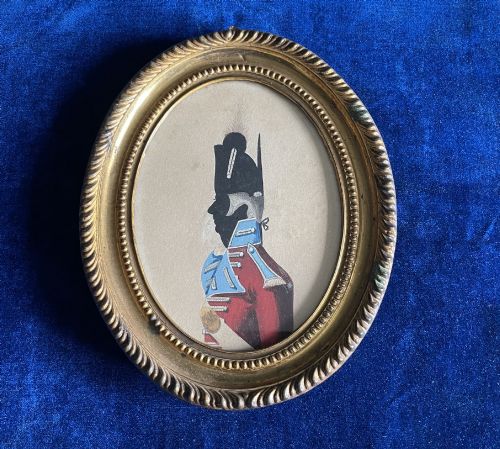
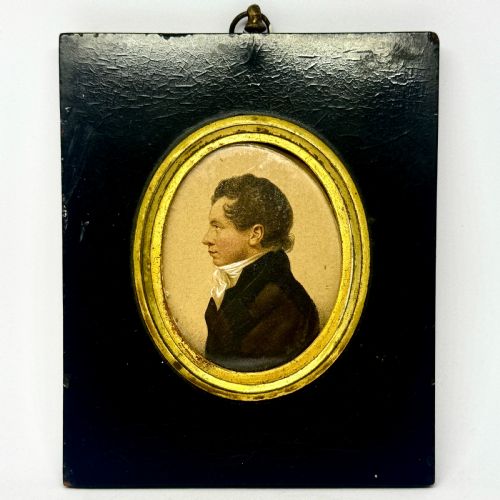
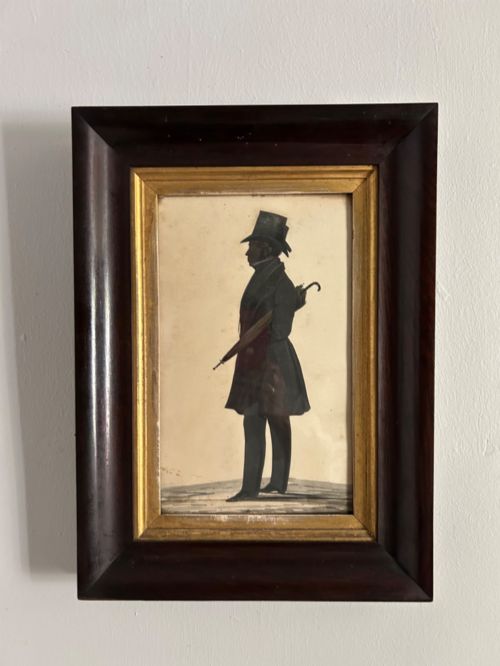
These gilt framed silhouette portrait pieces capture likenesses in crisp contrast, offering an intimate glimpse into Georgian and Regency life.
Gilt Framed Silhouette Portrait
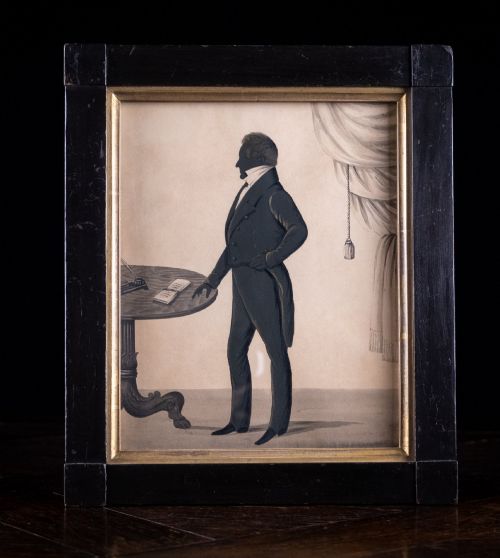
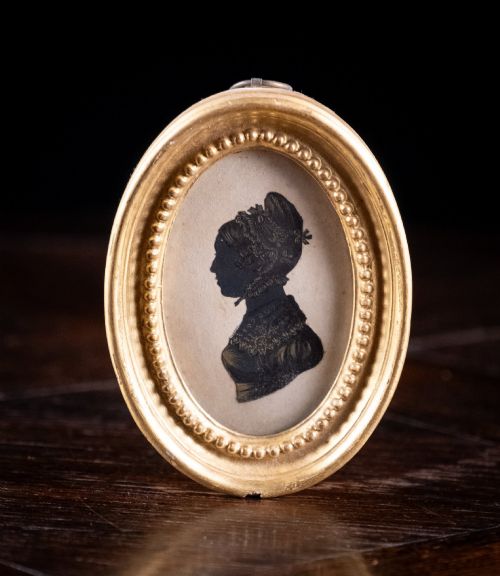
Most examples encountered on this page belong to the nineteenth century and the Regency era, often housed in rosewood or wood frames highlighted with gold leaf or brass. The subjects range from anonymous sitters to identified individuals, sometimes accompanied by the signature of a known profile artist.
Materials and construction
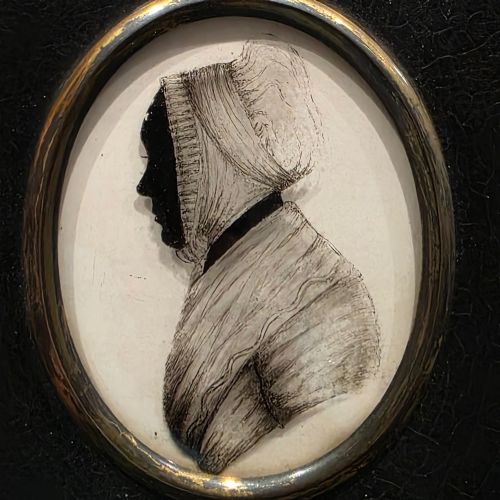
Artists created these works using ink, watercolour, or cut paper, occasionally applying gold highlights directly onto the silhouette or the surrounding glass. The backing material frequently consists of card, paper, or specially prepared plaster, framed behind protective glass within timber housings.
The decorative frames utilise wood, such as rosewood, accented with cast brass or applied gold leaf to frame the dark profile. Reverse painting on glass also appears, where the image is applied directly to the rear of the glass panel to achieve a glossy depth.
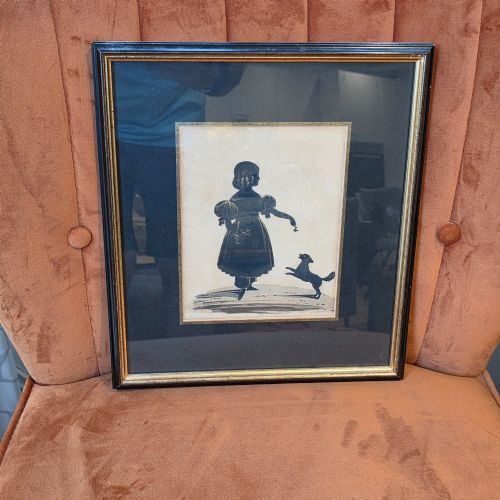
One listed nineteenth century silhouette immortalises not just a young girl, but her loyal dog right beside her.
Factors determining quality
The sharpness of the cutting or the precision of the brushwork largely defines the distinction between standard artisan output and masterwork profiles. Fine paper silhouettes display crisp edges and delicate internal details, while painted versions rely on subtle shading and fine ink lines to delineate costume and hair.
The integrity of the original frame and glass mounting contributes significantly to the overall merit of the piece. Untouched eighteenth and nineteenth century mountings, complete with original brass hangers or trade labels on the reverse, preserve the historical context more completely than later restorations.
William James Hubard·John Miers·John Smith of Edinburgh·Nathaniel Bermingham
The Gilt Framed Silhouette Portrait Glossary
- Silhouette
- A profile portrait filled with a solid dark colour, usually black, derived from shadow tracing or cut paper work. The form gained immense popularity during the eighteenth and nineteenth centuries before the widespread adoption of photography.
- Reverse painting on glass
- A technique where the artist paints the image directly onto the reverse side of the glass panel, viewed from the front to create a lustrous finish. This method protects the pigment from atmospheric damage.
- Plaster silhouette
- A profile rendered on a small plaque of solid plaster, often associated with specific profile artists who cast the base before applying pigment. These pieces offer a heavier, more tactile substrate than paper.
- Profile miniature
- A small-scale portrait focusing solely on the side view of the sitter's head and shoulders. These works were designed to be portable or displayed in tight groupings on domestic walls.
Gilt Framed Silhouette Portrait: Frequently Asked Questions
How do I date a silhouette?
Dating relies heavily on the sitter's costume, hair style, and bonnet shape, which changed rapidly across the Georgian and Regency eras. Frame styles and handwritten inscriptions or trade labels on the reverse also provide reliable chronological markers.
Paper types and the composition of the backing material further assist in narrowing the decade of production. Early examples tend to feature simpler frames, while later nineteenth century pieces often incorporate richer timber veneers and intricate brass ornaments.
Where should I hang these portraits?
These small-scale works suit intimate spaces such as studies, hallways, or narrow wall panels where larger canvases would overwhelm the architecture. Grouping several profiles together creates a traditional gallery wall effect that reflects historical domestic display methods.
Direct sunlight should be avoided to prevent the fading of dark inks, watercolours, and coloured paper backgrounds. Placing them away from heat sources protects the fragile wooden frames and historical glass mountings.
Are these portraits signed?
Some pieces bear the signature of the profilist, either written on the backing paper, incorporated into the painted image, or stamped on a trade label pasted to the reverse. Prominent practitioners often utilised specific trade stamps that advertise their royal patronage or studio locations.
Unsigned works remain common, as many itinerant artists and domestic practitioners did not mark their output. Attribution for unsigned pieces typically depends on stylistic traits, cutting technique, and framing characteristics.
What materials were used?
The primary medium consists of black paper, ink, or watercolour applied to paper, card, or plaster grounds. Frames are typically constructed from wood, including rosewood, decorated with gold leaf, gilt, or brass bezels.
Protective glazing is standard, sometimes featuring reverse painting directly onto the glass panel. Backings often comprise old card secured with historical sealing wax or early paper tape.