
Gilt Framed Portrait Art
Gilt framed portrait art brings centuries of character into a room through oil paintings, pastels, and miniatures set within gleaming wood and gold leaf.
Gilt Framed Portrait Art
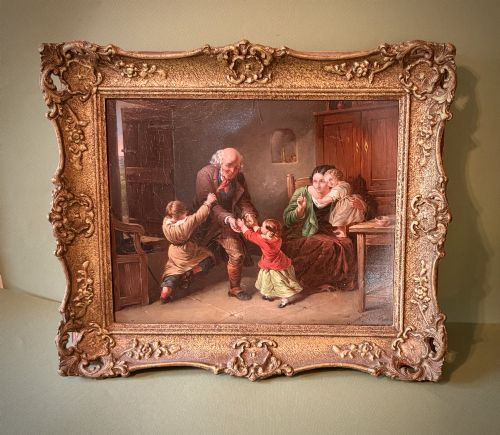
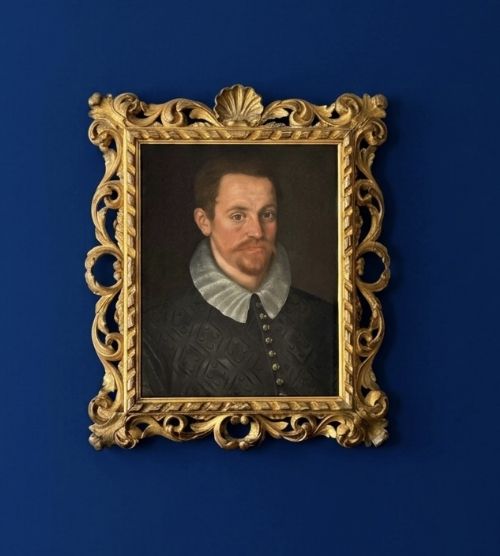
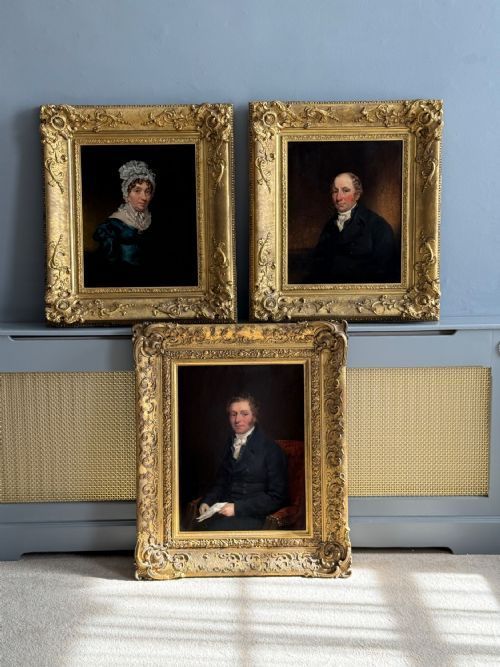
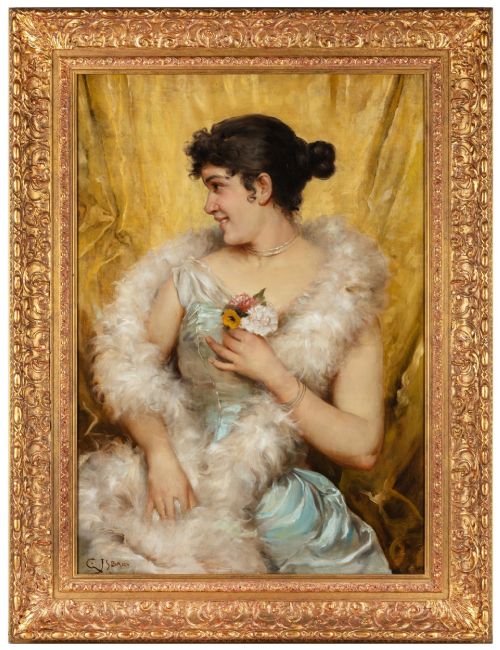
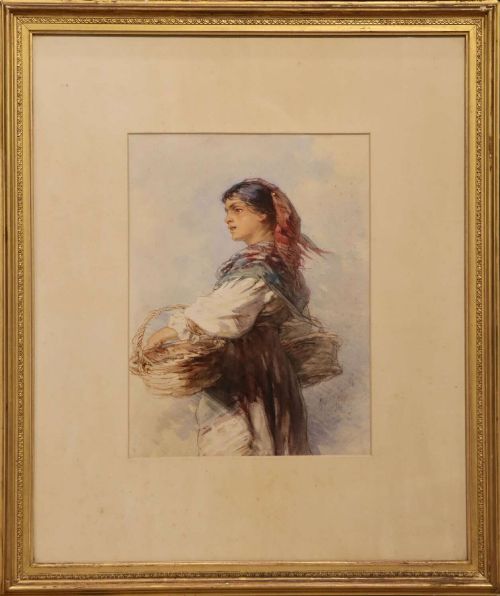
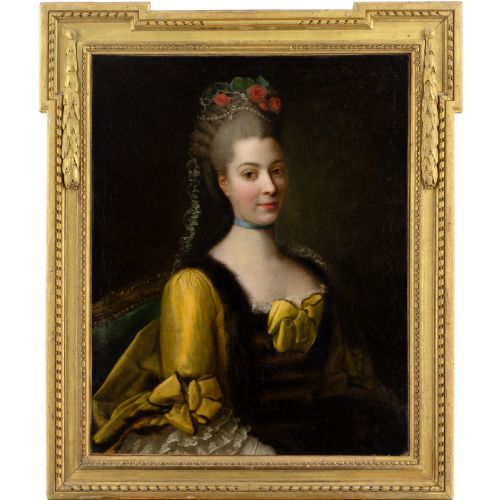
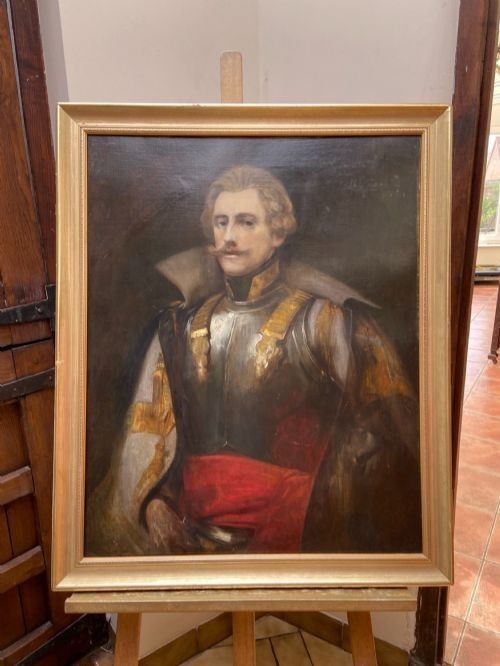
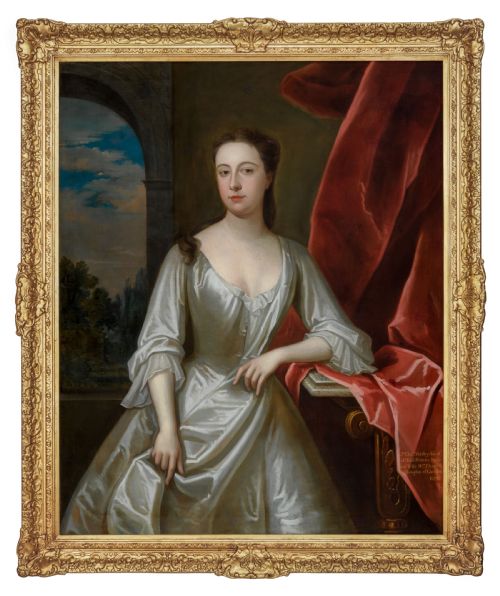
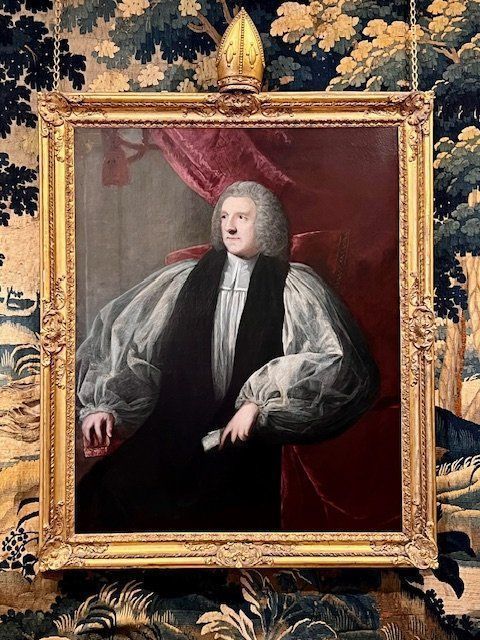
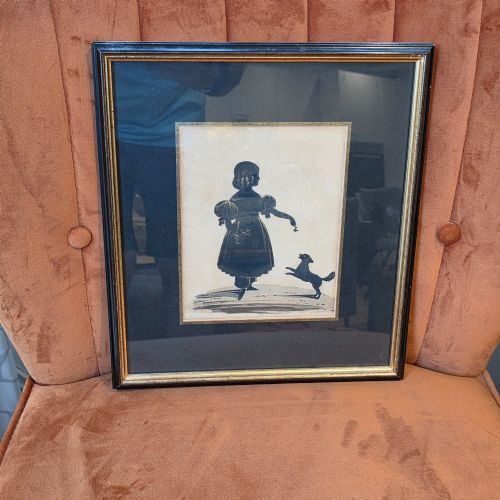
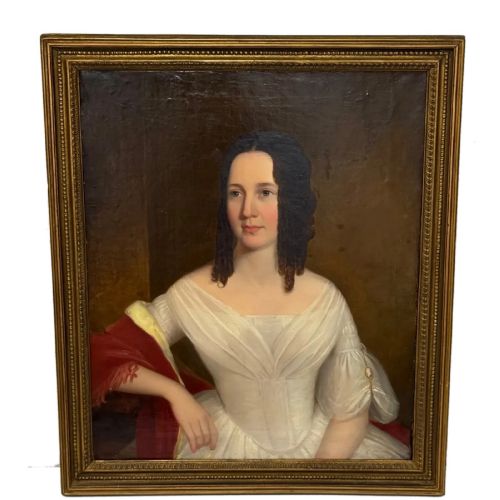
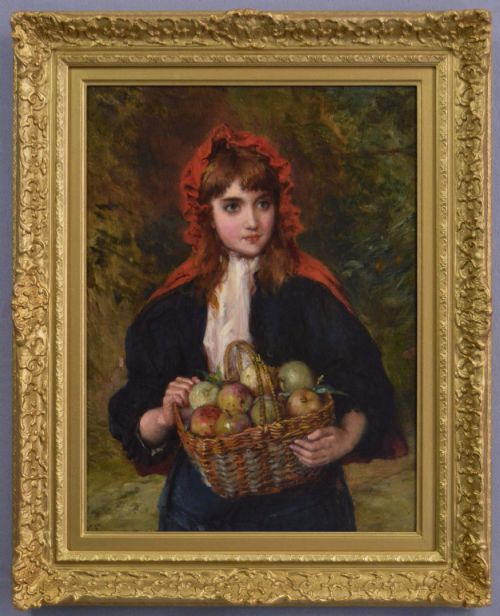
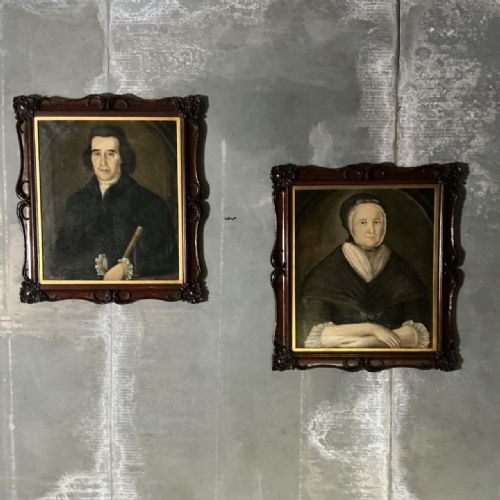
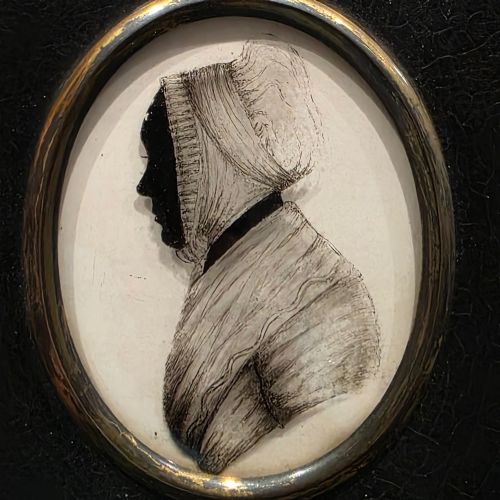
When searching for gilt framed portrait art, buyers encounter historical representations of sitters executed across the seventeenth, eighteenth, and nineteenth centuries. These works include oil paintings on canvas or panel, pastel drawings, and delicate portrait miniatures.
Originating from British and European schools, these pieces demonstrate how historical portraiture preserves the likenesses and social standing of past subjects. The combination of painted canvas and ornate wooden surrounds creates a distinct focal point for interior display.
How They Were Made
Makers built these pieces using oil on canvas or wooden panel, applying pigments with traditional brushes to capture facial expressions and garments. Pastel works on paper required careful fixing to preserve delicate chalk lines, while miniatures utilised watercolour on ivory or paper.
The surrounding frames consist of timber carcasses built up with gesso and finished in gold leaf or giltwood. Artisans carved intricate decorative motifs into the wooden mouldings to complement the status of the portrait within.
The documented periods range from the British Baroque and Georgian eras through to Victorian and Edwardian portraiture.
What Varies in Quality
The standard of portrait art relies upon the skill of the execution, particularly in the rendering of hands, eyes, and facial structure. Works produced by established circles or named painters demonstrate superior anatomical accuracy and psychological depth compared to provincial student pieces.
Framing quality depends on the integrity of the original giltwood and the crispness of the gesso ornamentation. Retained gilding that has aged naturally without heavy overpainting indicates a well-preserved survivor from its period.
Sir Godfrey Kneller·Sir Joshua Reynolds·William James Hubard·Jean-Baptiste Van Loo·Francesco Bartolozzi·Sir Peter Lely
The Gilt Framed Portrait Art Glossary
- Mezzotint
- A printmaking process of the intaglio family where the plate is roughened to achieve rich tonal gradations. This technique allowed printmakers to translate oil paintings into highly detailed monochrome prints.
- Giltwood
- Timber carved and coated with gold leaf or metal powder over a prepared gesso ground. This material provides the brilliant reflective surface characteristic of period picture frames.
- Stipple Engraving
- A method of creating prints using dots rather than continuous lines to build up shadow and form. It gained popularity for reproducing delicate pastel and chalk portraits.
- Portrait Miniature
- A small-scale painting executed with immense detail on ivory, vellum, or card. These intimate items were often housed in protective cases or small frames for personal keepsakes.
- Gesso
- A plaster mixture applied to wood frames to create a smooth surface for gilding. Artisans carved intricate relief patterns directly into this hardened layer.
Gilt Framed Portrait Art: Frequently Asked Questions
How do I date an antique portrait?
Dating relies heavily upon the sitter's costume, hair styling, and the construction methods of the canvas stretcher and frame. Historical records or inscriptions on the reverse often provide additional confirmation of the era.
Material analysis of the wood and pigments further helps narrow down the decade of creation when documentation is absent.
Are these portraits original or reproductions?
The selections shown here comprise period originals and contemporary historical works executed across past centuries. Examination of the canvas weave, craquelure in the paint layer, and backboard construction reveals its true age.
Many listings also note whether a piece is an eighteenth-century interpretation after an earlier master like Leonardo da Vinci or Anthony van Dyck.
How should I hang and light oil portraits?
Oil paintings and gilt frames require stable indoor environments away from direct sunlight and excessive humidity. Positioning them on interior walls protects the organic materials from temperature fluctuations.
Use dedicated picture lights with low heat output to illuminate the canvas without risking damage to the old varnish layers.
What is the difference between a pastel and an oil portrait?
Oil portraits utilise suspended pigments in drying oils on stretched canvas or panel, offering deep colour saturation and durability. Pastels consist of pure powdered pigment pressed into stick form, creating a soft, velvety texture that requires glass protection.
Pastel works are far more sensitive to movement and vibration because the loose pigment can detach from the paper base over time.