
Gilt Framed Horse Art
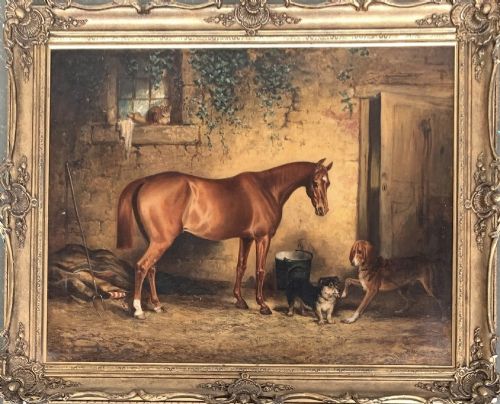
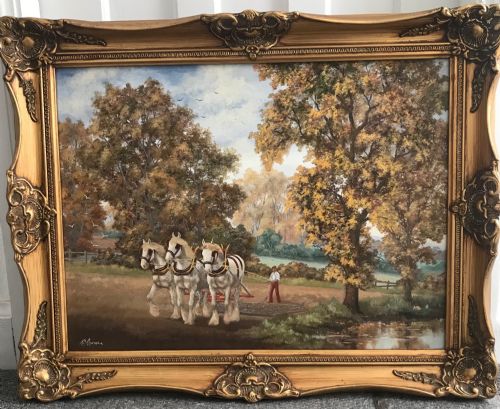
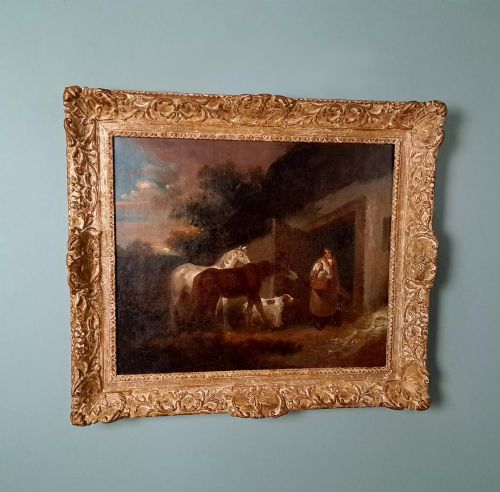
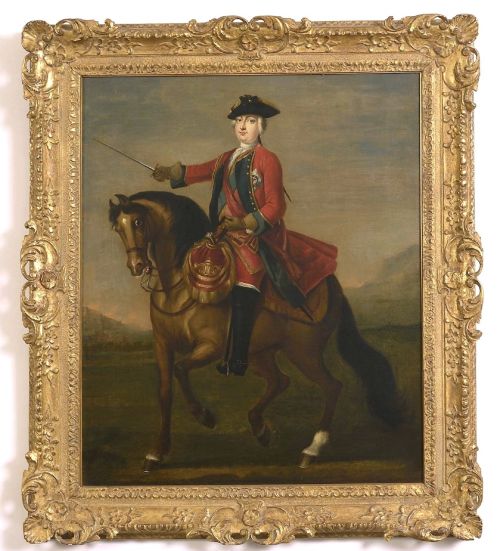
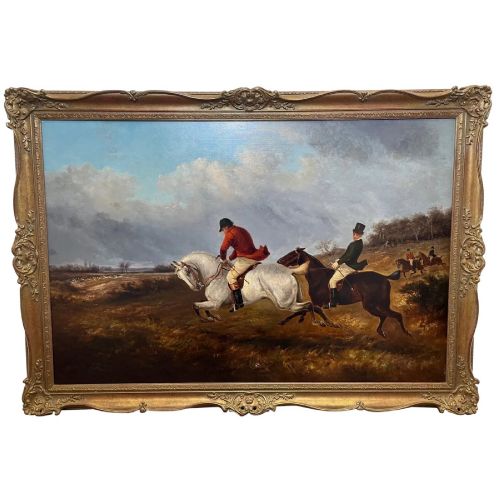
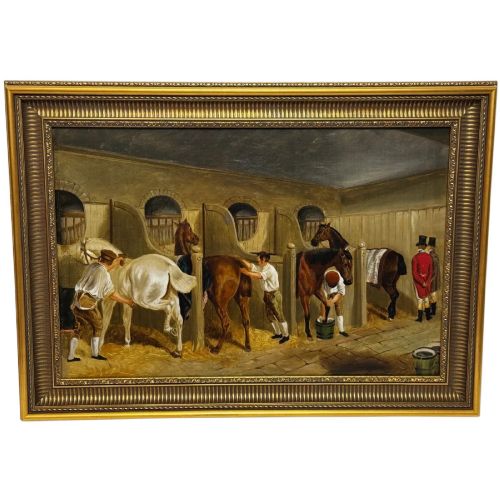
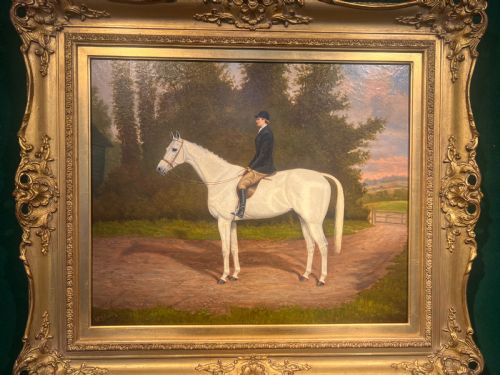
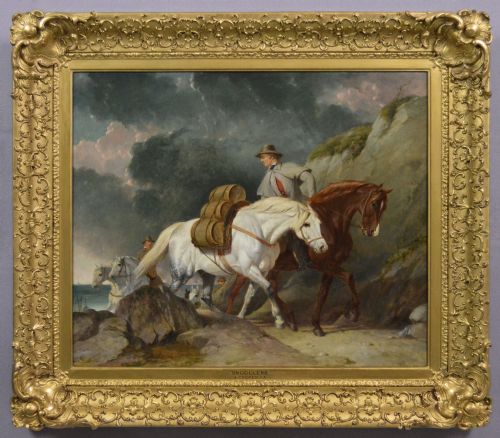
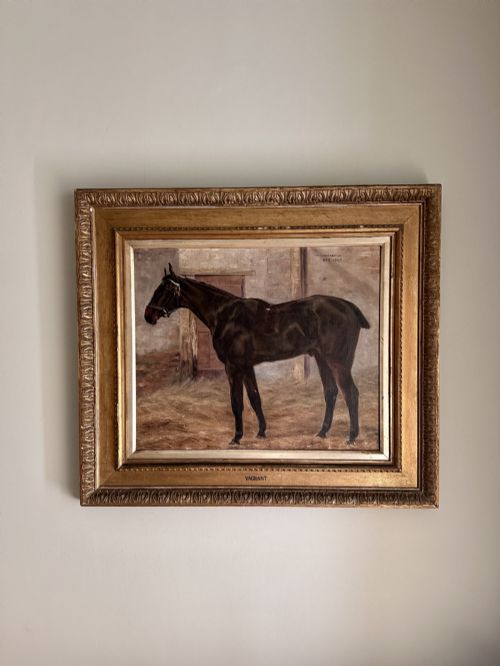
Gilt framed horse art brings together nineteenth-century oils and equestrian subjects, offering traditional portraits of hunters, racers and rural life encased in gilded wood.
Gilt Framed Horse Art
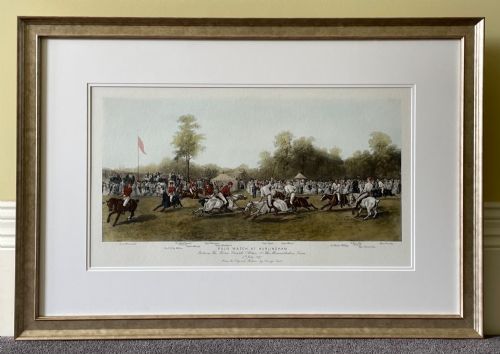
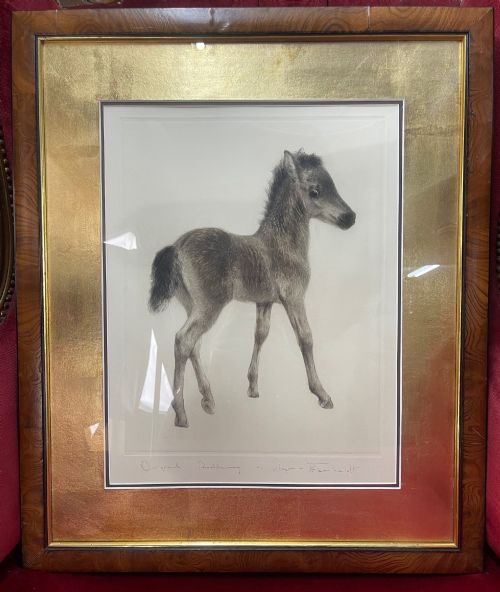
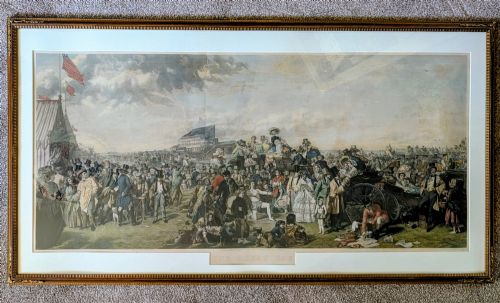
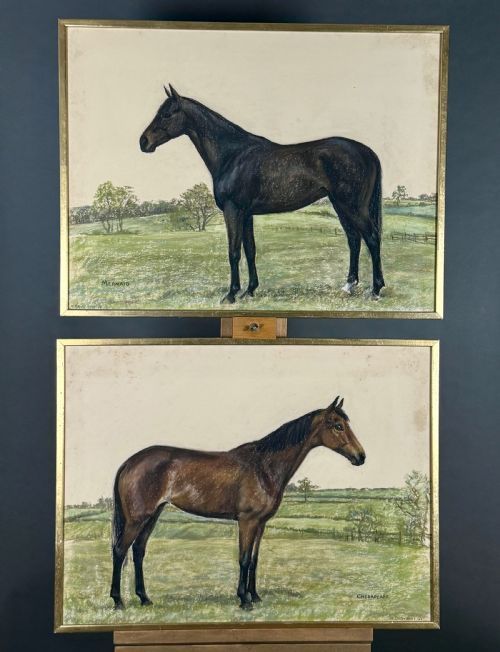
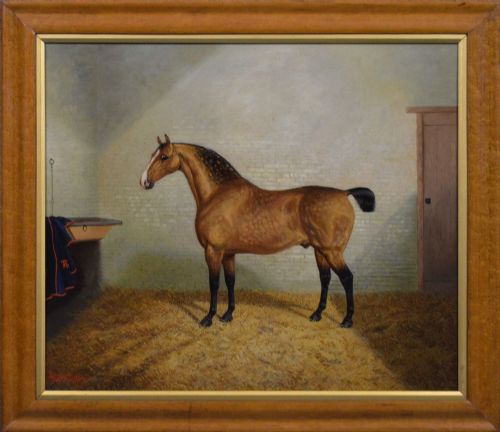
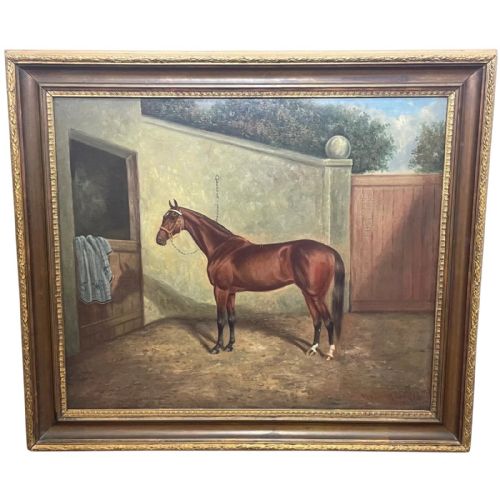
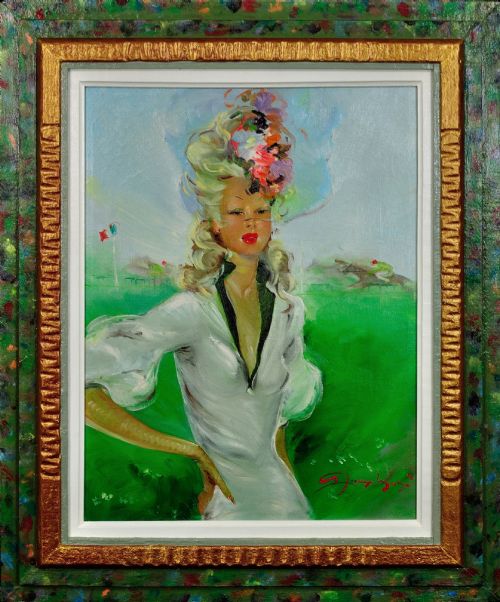
When looking for gilt framed horse art, collectors encounter oil paintings, watercolours, pastels and prints depicting equines in portraits, coaching scenes and sporting landscapes. These pieces span from the eighteenth century through the Victorian period into the mid-twentieth century, capturing hunters, racehorses and working animals in pastoral or stable settings.
The version most commonly met on this page is the nineteenth-century oil painting on canvas, often housed within a heavily moulded giltwood frame that highlights the subject. Portraits of named thoroughbreds, hunting studies and rural coaching scenes dominate the selection, reflecting Britain's long-standing connection to equestrian traditions.
How They Were Made
Artists painted primarily with oil paint on stretched canvas or wooden panels, applying layers to capture the sheen of a horse's coat and the texture of leather tack. Watercolours on paper and pastel studies also appear, offering lighter impressions of ponies and racing tracks.
Frames are constructed from wood, ranging from simple mouldings to ornate giltwood frames finished with gold leaf or gilt composition applied over gesso. These surrounds complete the presentation, protecting the edges of the canvas while adding visual weight to the artwork.
Several pieces preserve the names of nineteenth-century equine athletes who likely commanded more attention in their day than the humans standing beside them.
What Varies in Quality
Anatomy and movement dictate the upper tier of these works, where an artist demonstrates a deep understanding of equine bone structure, muscle tone and posture. Lesser examples often show stiff proportions or static rendering that lacks the vitality seen in works by accomplished painters.
The synchronisation between the artwork and its surround sets finer pieces apart, with period-appropriate giltwood frames matching the age and dignity of the canvas. The provenance and historical recording of named racehorses or specific estates elevate the significance of individual paintings.
Henry Barraud·William Joseph Shayer Senior·John Wootton·Thomas Hudson·Kurt Meyer-Eberhardt·William Powell Frith·Thomas Smythe·Albert Clark·Frederick Albert Clark·Jean-Gabriel Domergue·Abraham Cooper·Fred Fitzpatrick·Sir Anthony van Dyck·Ernest Payne·George Morland·George Wright·John Alfred Wheeler·Philip Rideout·Thomas Walker Bretland·John Frederick Herring Snr·Herman S Melville·Charles Walter Simpson·Vernon DeBeauvoir Ward
The Gilt Framed Horse Art Glossary
- Giltwood
- Wood that has been coated with gold leaf or a metallic powder substitute. This finish gives frames a bright, reflective surface designed to catch interior light.
- Equestrian
- Pertaining to horses, horse riding, or the representation of horses in art. It describes subjects ranging from formal portraits of thoroughbreds to dynamic hunting scenes.
- Lithograph
- A printmaking process based on the repulsion of oil and water on a limestone or metal plate. Artists used this technique to produce multiple impressions of sporting matches and rural subjects.
- Drypoint
- A printmaking technique where an image is scratched directly into a metal plate with a sharp needle. This method creates characteristic soft, velvety lines when inked and pressed onto paper.
Gilt Framed Horse Art: Frequently Asked Questions
How do I identify the age of an oil painting?
Examining the canvas preparation, stretcher bars and the style of the gilt frame provides initial clues about when a piece was created. Pigment analysis and canvas types also help narrow down the decade of production.
Aged craquelure across the oil paint surface further indicates age, though restorers look closely at the underlying weave of the fabric to distinguish nineteenth-century works from later copies.
What is the difference between a study and a finished portrait?
Studies are typically quicker, looser sketches executed in pastel, watercolour or oil on paper to capture the immediate posture or muscle movement of a horse. They reveal the artist's preparatory working method.
Finished portraits are fully rendered compositions on canvas intended for formal display, showing precise attention to background landscapes and equine grooming.
How should I care for an antique oil painting?
Keeping canvases away from direct sunlight and maintaining stable indoor humidity protects both the oil paint and the underlying wooden stretcher bars from warping. Gentle dusting with a soft, dry brush keeps the surface clear without introducing moisture.
Gilt frames require careful handling to prevent chipping the delicate metallic finish, and professional cleaning should be left to conservators.