



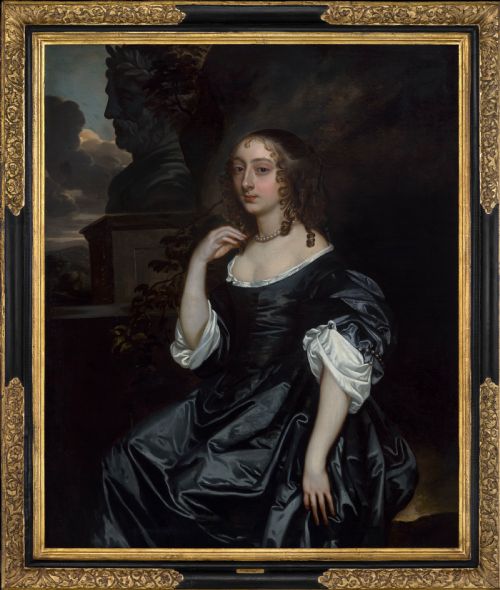
Gilt Framed Female Painting
A gilt framed female painting brings historical presence to a room through centuries of portraiture traditions.
Gilt Framed Female Painting
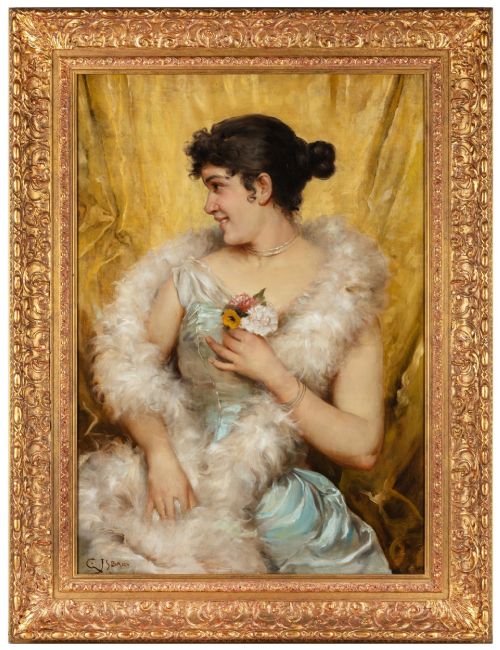
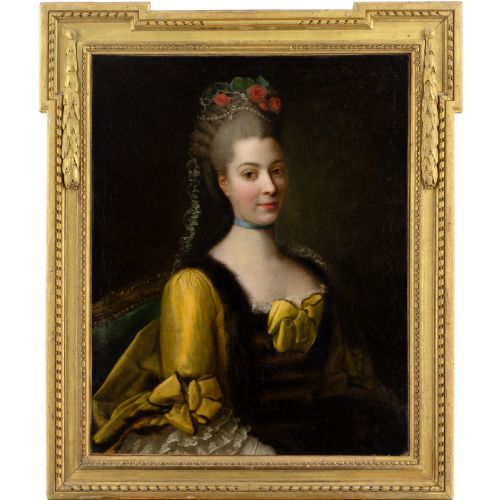
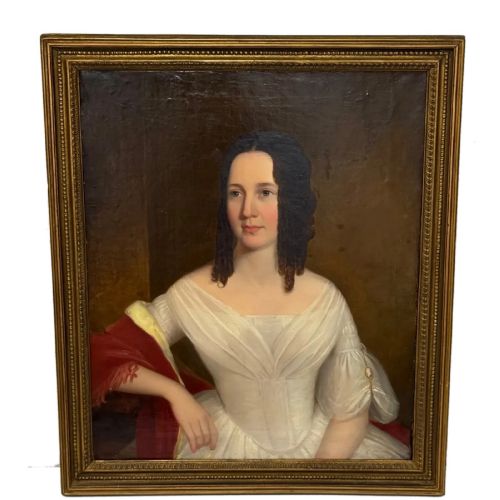
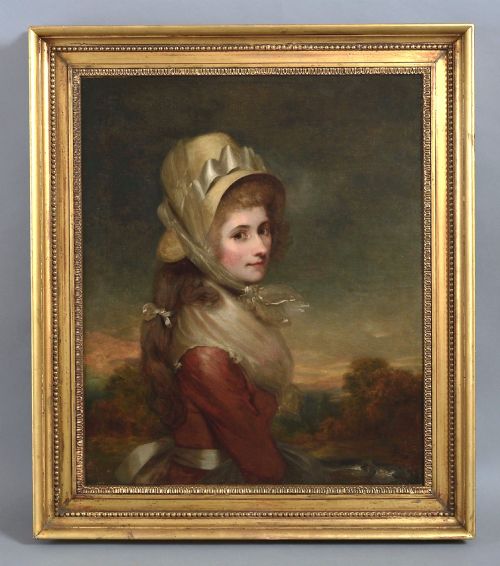
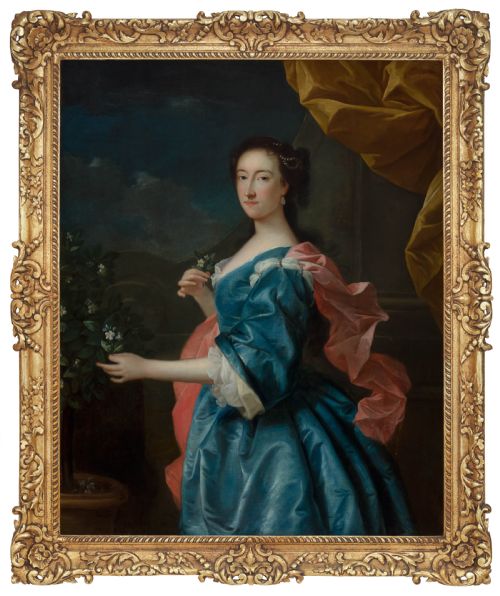
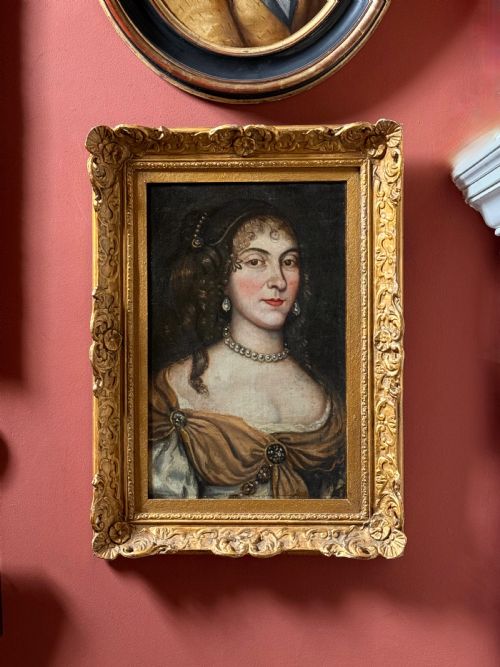
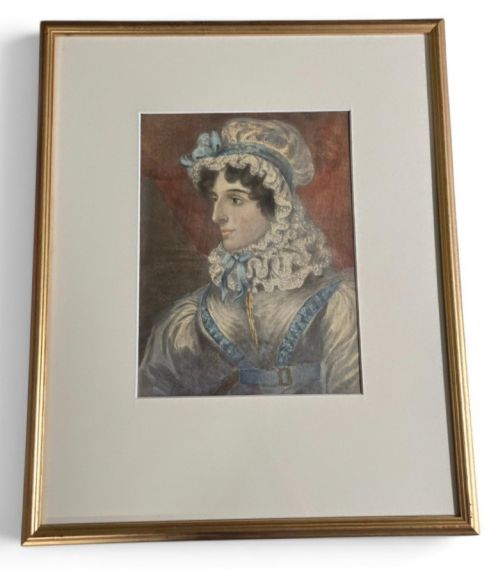
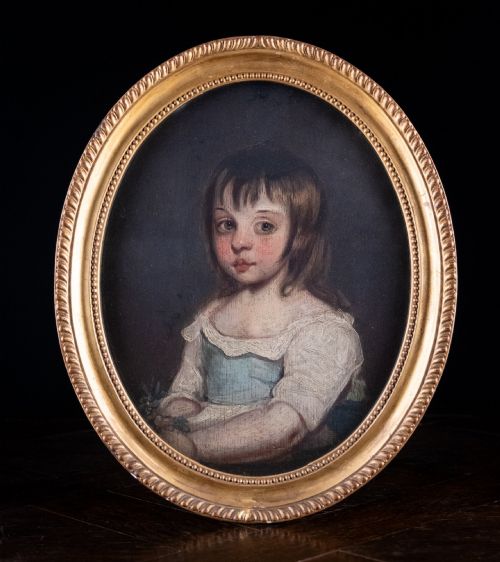
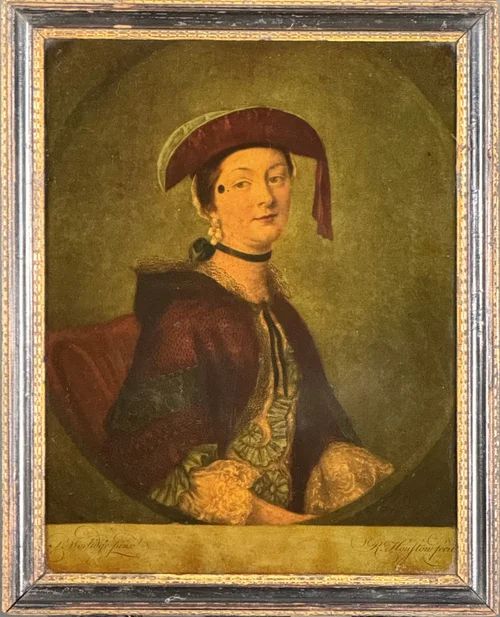
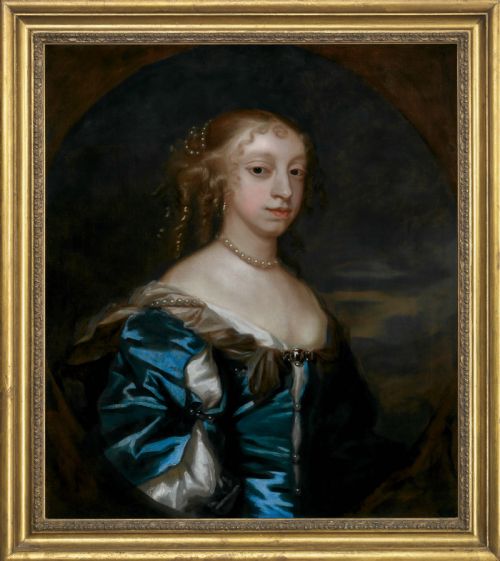
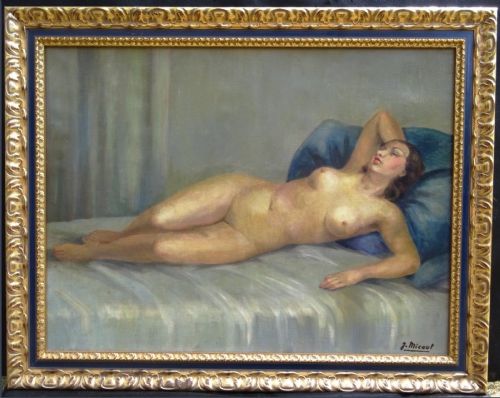
A gilt framed female painting encompasses centuries of portraiture depicting noblewomen, society figures, and country girls set within ornate metallic frames. The selection draws heavily from the seventeenth, eighteenth, and nineteenth centuries, spanning Georgian and Regency eras through to Edwardian and mid-century modern interpretations.
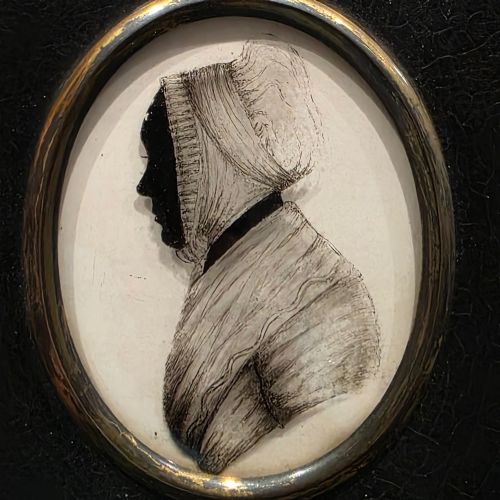
Works appear across various scales and mediums, including oil on canvas, oil on board, watercolours, and reverse painted silhouettes. Portrait miniatures and large gallery pieces sit alongside oil paintings executed after established masters like Gainsborough and Leonardo Da Vinci.
The subjects range from named historical aristocrats and literary figures to anonymous beauties captured in oil paint, pastel, and print. These paintings function simultaneously as historical records of fashion and expressions of classical portrait painting.
Distinctions in Quality
The craftsmanship of the surrounding frame heavily influences the overall piece, with hand-carved, gilded wooden mouldings representing a higher tier of historic assembly than later replacements. Attribution to documented artists or recognised schools elevates the significance of the portrait within historical contexts.
Listings feature works spanning from the sixteenth-century Italian Renaissance through to mid-century impressionist watercolours.
Sir Martin Archer Shee·John Hayls·Jeremiah Davison·Sir Peter Lely·John Vanderbank·John Opie·Henry Pickering
The Gilt Framed Female Painting Glossary
- Giltwood
- Wood carved and coated with a thin layer of gold leaf or metallic gilt finish. This material defines the ornate borders common to period picture frames.
- Oil on Canvas
- Pigment mixed with drying oil applied to a woven fabric support. This technique allows for rich colour blending and durability over centuries.
- Reverse Painted
- An image applied to the back side of glass so the final picture is viewed through the transparent pane. This method produces a glossy, protected surface finish.
- Portrait Miniature
- A small, highly detailed painting designed for intimate viewing rather than large wall display. These pieces often feature delicate watercolour or oil work on ivory, vellum, or paper.
- Panel Painting
- Artwork executed on a flat piece of wood rather than flexible canvas. Oak panels were frequently utilised by early makers before canvas became standard.
Gilt Framed Female Painting: Frequently Asked Questions
How do I date an old portrait?
Dating relies heavily on the clothing, hair styling, and accessories worn by the sitter, which followed strict fashion trends of their decade. Canvas preparation, stretcher construction, and the style of the gilt frame offer additional physical clues.
Examining pigment types and any artist signatures or inscriptions on the reverse side helps narrow down the period. Comparing the technique to documented works from specific centuries provides further confirmation.
What is a reverse painted portrait?
A reverse painted portrait involves the artist applying pigments directly to the rear surface of a glass sheet. The finished image is then viewed through the front of the glass, protecting the paint from atmospheric damage.
This technique was particularly popular for silhouettes and miniatures during the Georgian period. The glass medium gives these works a distinct glossy finish unlike standard canvas or paper.
How should I hang a heavy oil painting?
Heavy oil paintings require secure wall anchors and fixings rated to support the combined weight of the canvas and the solid giltwood frame. Steel picture wire or heavy-duty D-rings screwed directly into the wooden stretcher frame provide the safest suspension.
Positioning the work away from direct sunlight and moisture prevents degradation of both the wooden frame and the oil pigments. Ensuring the wall surface is stable protects the structural integrity of the hanging.
What does after an artist mean?
The term after an artist indicates that the painting is a later copy or interpretation of an original work by a master painter. These pieces were often created as studies, commemorative tributes, or decorative art for period interiors.
Such works reflect the enduring influence of prominent historical painters like Gainsborough or Leonardo Da Vinci. They demonstrate the continuation of traditional painting techniques across subsequent generations.