




Gilt Frame Wall Art
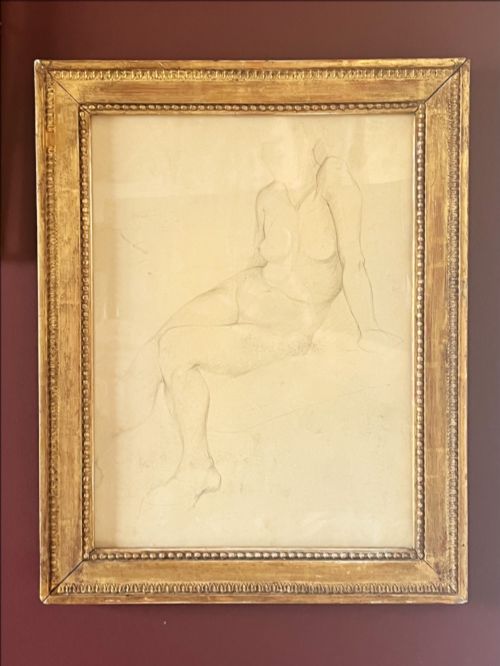
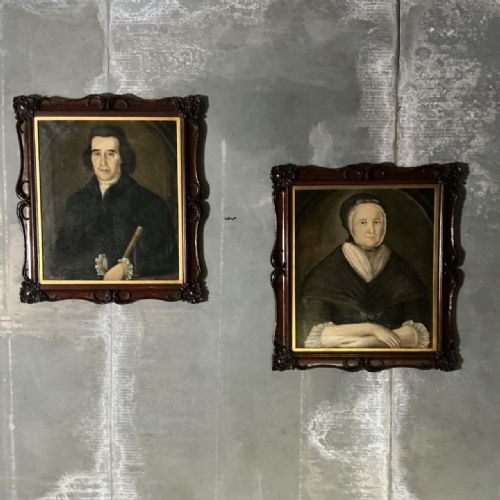
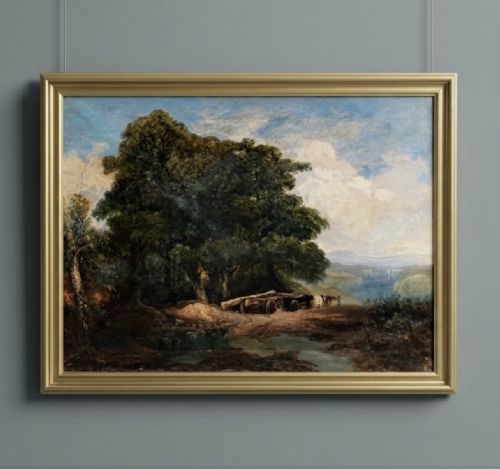
Gilt frame wall art brings together historic paintings, prints and mirrors enclosed in gilded wood and gesso.
Gilt Frame Wall Art
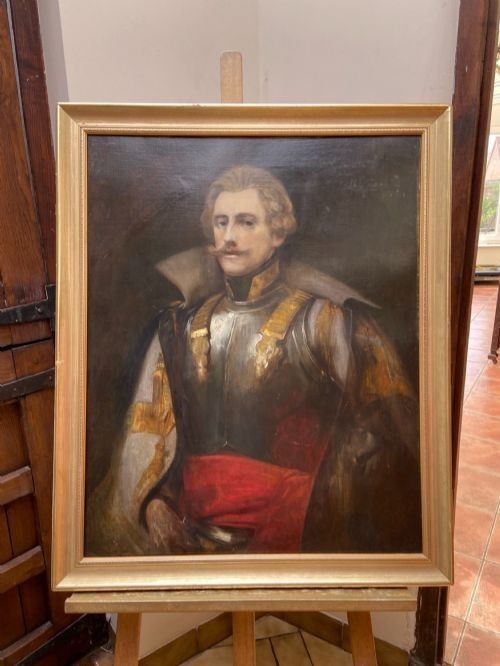
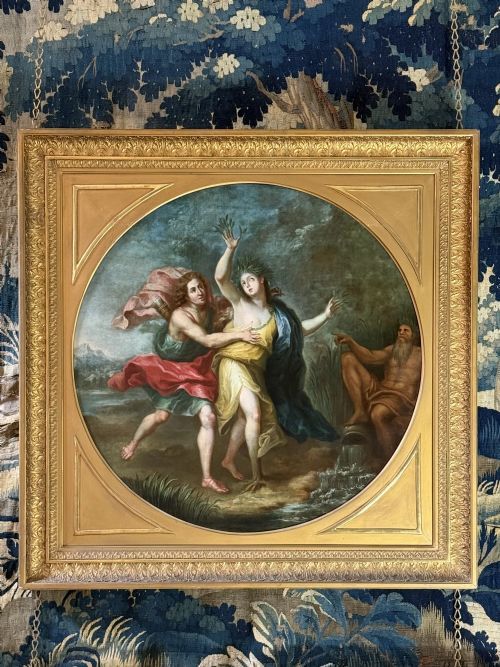
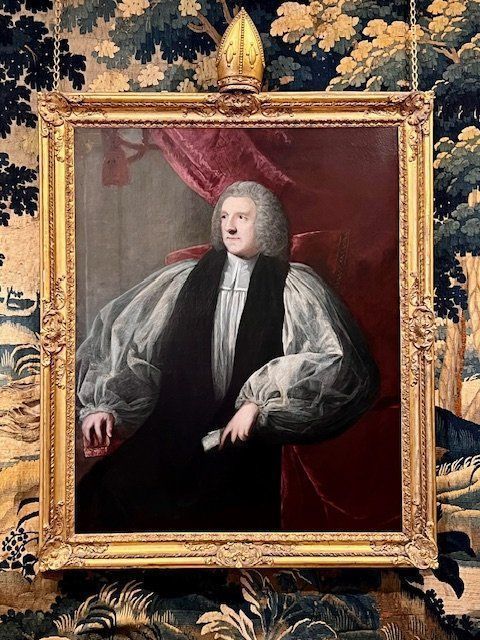
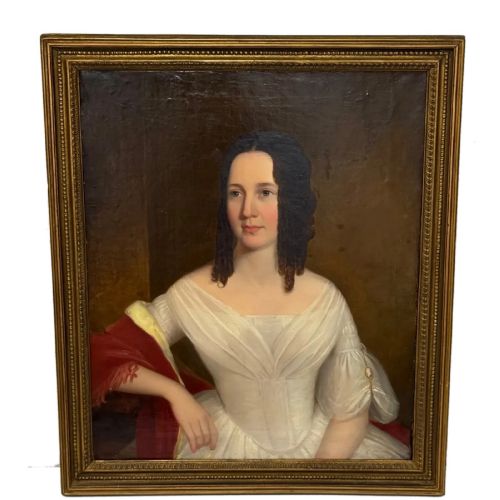
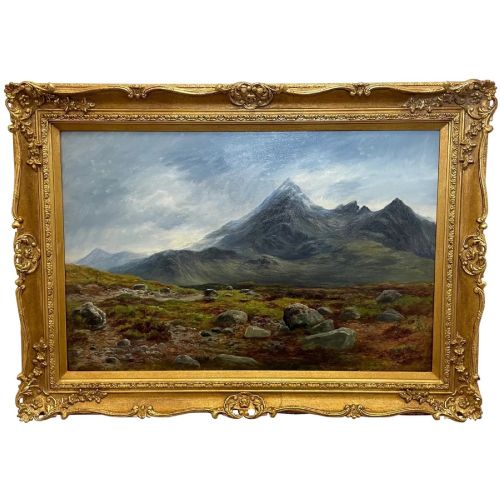
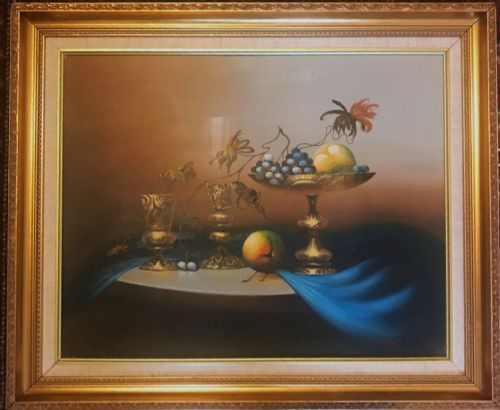
When searching for gilt frame wall art, buyers encounter a diverse range of historic visual media spanning several centuries. The selection centres heavily on oil paintings, portraits, watercolours and engravings housed within ornate gold leaf surrounds. Pieces originate from periods such as the seventeenth, eighteenth and nineteenth centuries, alongside Edwardian and mid-twentieth-century examples.
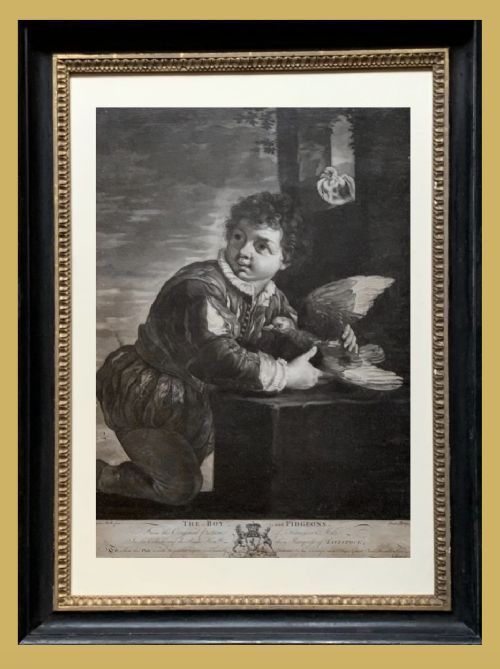
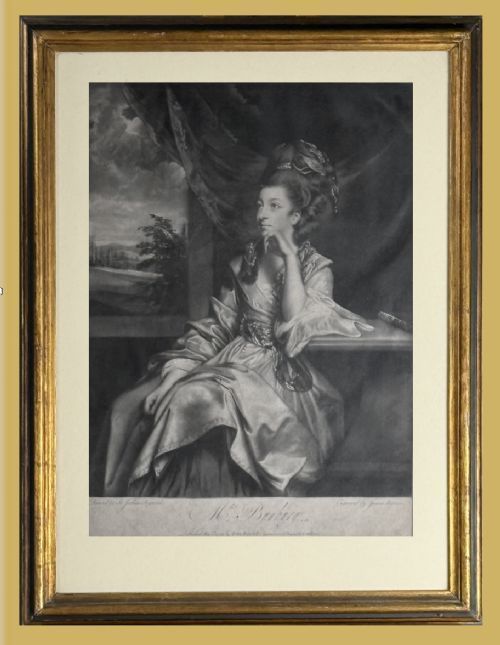
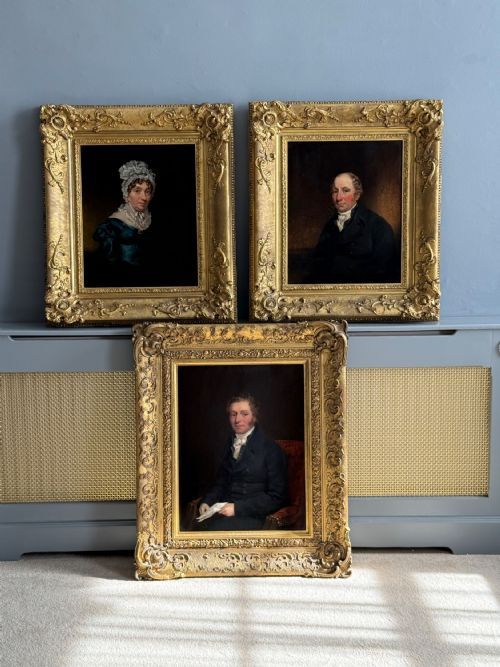
The primary forms on this page include oil portraits on canvas or panel, landscape watercolours, mezzotint engravings and decorative mirrors. Portraiture dominates the offerings, featuring notable subjects from British and European schools created by established artists and anonymous hands alike. Alongside paintings, buyers find graphic works on paper protected beneath glass.
Stylistic variations reflect the aesthetic shifts of their respective eras, moving from British Baroque and French Rococo through Regency and Victorian academic realism. The common thread uniting these objects is the enclosing frame, typically fashioned from wood and finished with applied gold leaf or gesso detailing.
How They Were Made
The underlying artworks utilise traditional media including oil on canvas, wood panel, watercolour, pastel and ink print techniques such as stipple engraving and mezzotint. Canvases are stretched over wooden frames while paper works are executed using hand-applied pigments or inked plates pressed onto rag paper.
Frames are constructed from solid wood substrates, often carved directly or built up with moulded gesso layers to achieve elaborate decorative profiles. Artisans then apply fine gold leaf or metal leaf gilding over a prepared bole base, burnishing the surface to create a luminous metallic sheen.
Gilt Frame Wall Art Retail Price Guide 2026
Typical asking prices for gilt frame wall art among the pieces listed under this phrase on Sellingantiques today, from the lower quarter to the upper quarter. They describe what is for sale here now, not the wider market.
Materials recorded across the inventory include oil on canvas, giltwood, paper, glass and hand-coloured prints.
What Varies in Quality
Quality in these pieces rests upon the execution of the central artwork and the craftsmanship of the surrounding housing. Master painters demonstrate superior control of anatomy, light and narrative composition, whereas lesser works show stiffer handling and flatter perspective.
In the frame construction, depth of carving and the preservation of original gilding dictate desirability. Hand-carved wooden ornament with crisp detail and intact historic gold leaf elevates a piece far above later cast composition replacements or crude modern repairs.
Sir Godfrey Kneller·Charles-Antoine Coypel·Sir Joshua Reynolds·Richard Sebastian Bond·John Boydell·James Watson·Joseph Clover·William Beattie-Brown·Francesco Bartolozzi·Maurice Quentin de la Tour·Felix Stone Moscheles·Jean Mariette·Georges de La Tour·John Hayls·Sir Peter Lely·Percy Lancaster
The Gilt Frame Wall Art Glossary
- Giltwood
- Wood that has been coated with thin sheets of gold leaf or gold dust. This finish provides a durable and brilliant metallic appearance that resists tarnishing over centuries.
- Mezzotint
- A printmaking process of the intaglio family where the plate is roughened uniformly to produce rich dark tones. Scrapers and burnishers are then used to introduce lighter areas and gradients.
- Gesso
- A paint mixture consisting of a neutral binder mixed with chalk, gypsum or pigment. It is applied to wooden frame mouldings to create a smooth surface for subsequent gilding.
- Intaglio
- A design carved into the material surface rather than raised above it. In printmaking, ink is held within the incised lines to transfer the image onto paper.
- Panel
- A rigid flat support surface for painting, typically made from seasoned wood such as oak or mahogany. Artists utilised panels extensively before canvas became the dominant medium.
Gilt Frame Wall Art: Frequently Asked Questions
How do I hang a heavy framed artwork?
Heavy pieces require secure wall fixings suited to the masonry or studwork of the room. Utilising robust picture wire attached to sturdy D-rings ensures the weight distributes evenly across the hanging point.
Professional installers often recommend two fixing points to keep larger frames level and stable against the wall over time.
How should I clean antique gilt frames?
Dust accumulates gently within the intricate recesses of carved wooden mouldings. A soft, dry brush removes surface particles without disturbing delicate gold leaf layers.
Water and chemical cleaning agents should be avoided entirely, as moisture strips historic gesso and damages the underlying substrate.
Are these artworks suitable for modern interiors?
Historic paintings and framed engravings introduce depth, texture and narrative character to contemporary spaces. Contrasting ornate gold leaf against minimalist walls highlights the craftsmanship of the piece.
Placing artworks away from direct sunlight and excessive humidity protects both the canvas pigments and the wooden frame construction.
How do I identify the period of a frame?
Frame profiles, corner construction methods and the composition of the gesso layers reveal the era of manufacture. Earlier frames often feature hand-carved wooden ornamentation while later Victorian examples frequently employ moulded plaster.
Examining the reverse of the wood panel or canvas stretcher provides additional clues regarding age and previous restoration work.