



Gilt Frame Porcelain
These gilt frame porcelain pieces bring hand-painted ceramic art together with rich wood and metal surrounds to adorn your walls and tabletops.
Gilt Frame Porcelain
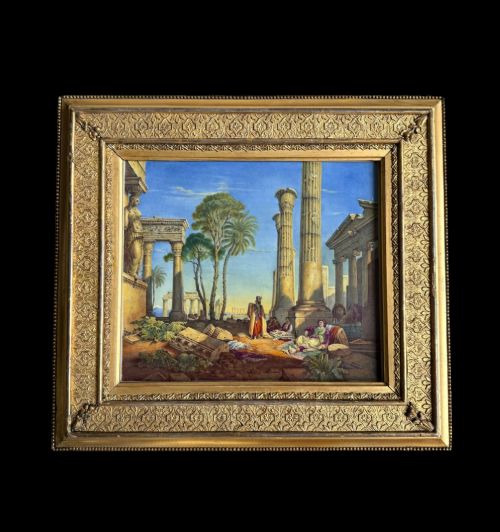
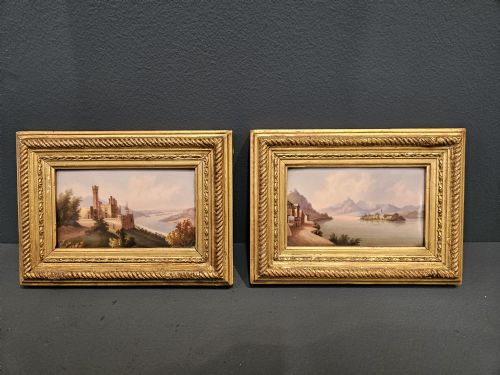
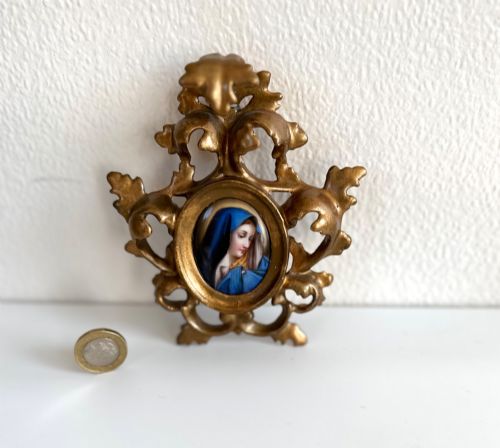
When you search for gilt frame porcelain, you encounter a selection of painted ceramic plaques, miniature portraits, and mirrors housed in ornate surrounds. These items originate predominantly from the nineteenth century, encompassing Victorian and Edwardian examples alongside Continental workshops.
The most common form on this page is the painted porcelain plaque, often depicting figural scenes, portraits, or still life compositions. They appear mounted in carved wood, giltwood, or gilded metal mounts designed for wall hanging or easel display.
How they were made
Makers shaped ceramic panels from fine porcelain before applying detailed hand-painted designs using enamel colours. Firing fixed the pigments permanently onto the glazed surface.
Framemakers enclosed these fragile panels within carved giltwood, gilt metal, or ormolu surrounds, occasionally adding velvet backing or gold leaf accents to complement the ceramic centre.
Gilt Frame Porcelain Retail Price Guide 2026
Typical asking prices for gilt frame porcelain among the pieces listed under this phrase on Sellingantiques today, from the lower quarter to the upper quarter. They describe what is for sale here now, not the wider market.
Listings feature works from the nineteenth century, including Victorian and Edwardian examples utilising porcelain, giltwood, enamel, and gold leaf.
What varies in quality
The sophistication of the hand-painted brushwork dictates the standard of each piece, distinguishing mass-produced items from works by accomplished artists and established potteries. Fine detail in facial expressions and botanical subjects indicates superior skill.
The construction of the surrounding frame matters equally, with deeply carved giltwood and heavy cast ormolu mounts representing a higher grade of craftsmanship than simpler wooden mouldings.
James Stinton·Royal Worcester·KPM·Berlin KPM·William Rayworth
The Gilt Frame Porcelain Glossary
- Porcelain
- A hard, white ceramic material fired at high temperatures to achieve a dense, impermeable body. It serves as the smooth ground for detailed miniature paintings.
- Giltwood
- Timber that has been coated with a thin layer of gold leaf or gilt finish. It provides a bright, reflective border for ceramic panels.
- Ormolu
- Cast brass or bronze that has been gilded with a layer of gold. This technique produced ornate, metallic frames and mounts on nineteenth-century pieces.
- Enamel
- Vitreous pigments fused to the porcelain surface through firing. These colours retain their brilliance and resist fading over time.
Gilt Frame Porcelain: Frequently Asked Questions
How do I hang a porcelain plaque?
Most wall plaques arrive with secure hanging loops or sturdy gilt frames designed for standard picture hooks. Ensure the weight of the frame and ceramic panel is supported safely on your wall.
Avoid placing heavy pieces near doors or areas subject to vibration, as the rigid ceramic panel remains vulnerable to sharp impacts despite its sturdy surround.
Can I display these on a mantelpiece?
Easel mirrors and standing plaques feature built-in supports that allow secure placement on flat surfaces like mantelpieces, desks, or dressing tables. Check the stability of the rear strut before leaving items freestanding.
Keep standing pieces away from direct heat sources and bright sunlight to protect both the painted enamel surface and any velvet backing materials.
How do I identify a nineteenth-century piece?
Examine the style of the frame, the painting technique, and any maker marks or signatures on the reverse of the porcelain panel. Nineteenth-century works frequently display Rococo Revival or classical motifs.
Look for hand-painted details rather than printed transfers, as nineteenth-century plaques relied heavily on skilled artists working by hand in European manufactories.