



Gilt Folding Screen
These gilt folding screen pieces bring gilded warmth and architectural division to a room, ranging from grand room dividers to intricate fire screens.
Gilt Folding Screen
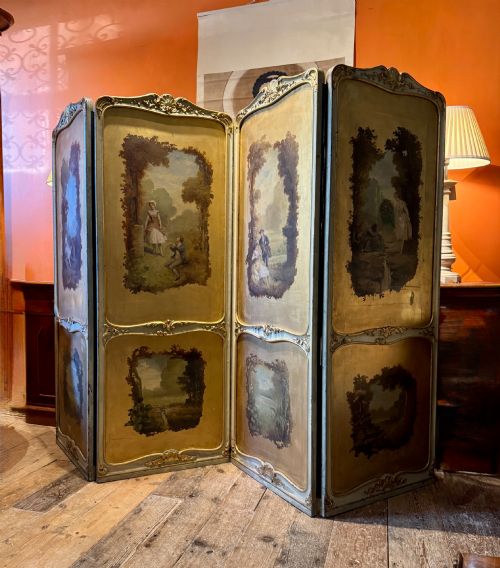
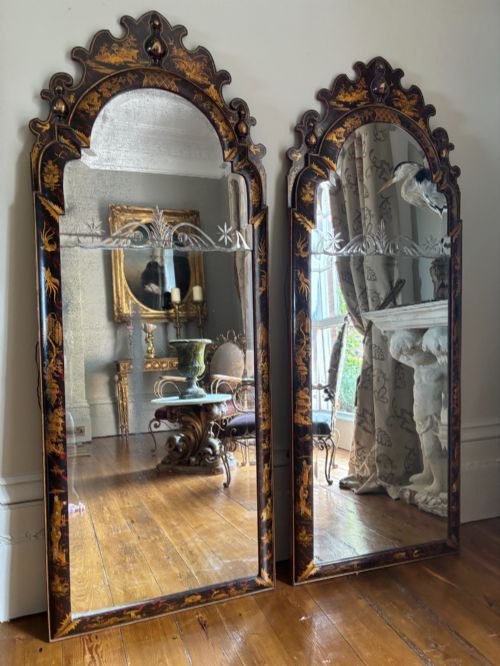
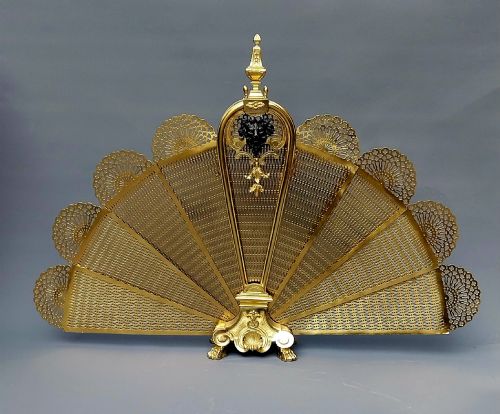
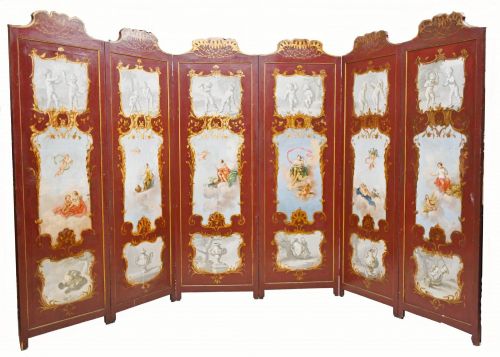
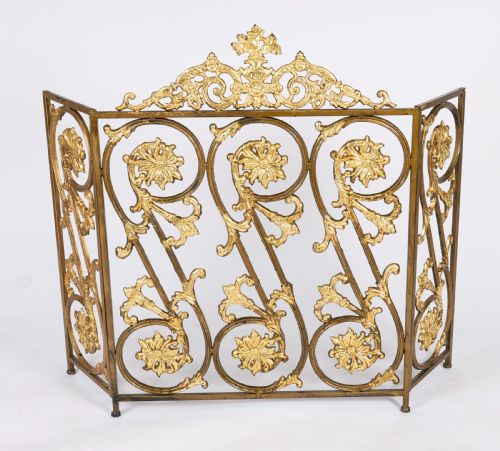
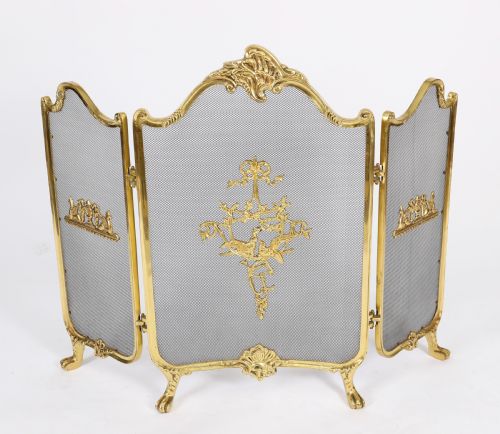
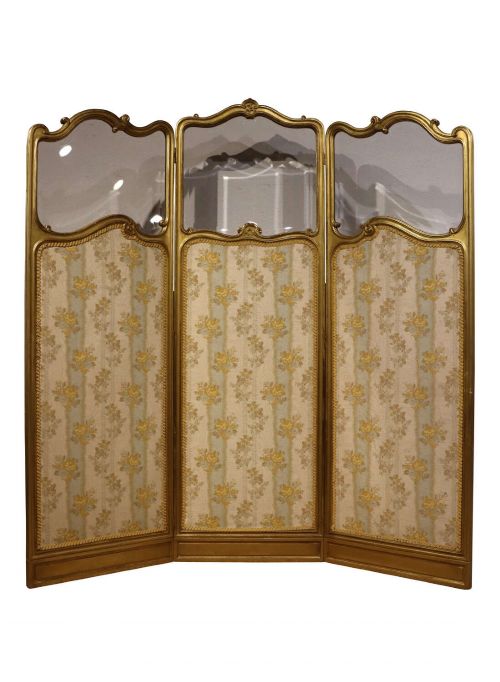
A gilt folding screen serves to divide a space or protect a room from hearth heat, encompassing tall multi-panel room dividers and smaller hearth guards alike. These pieces span centuries of design, with particular prevalence in nineteenth-century French and Chinoiserie interpretations.
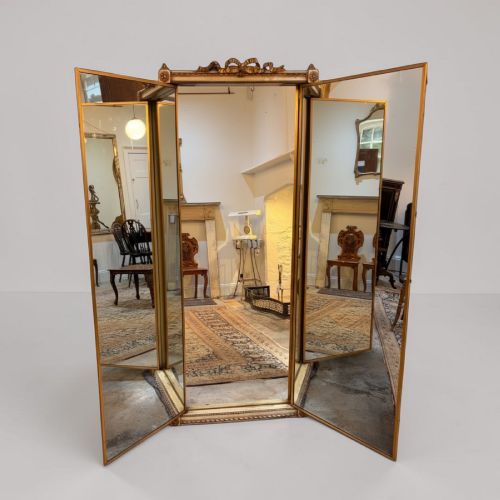
The format ranges from intimate three-fold glass panels and triptych mirrors to substantial eight-fold leather or lacquer dividers. Buyers encounter everything from ornate Rococo Revival bronze hearth guards to expansive hand-painted leather room dividers.
Materials and construction
Techniques combine traditional cabinet making with decorative surface treatments, such as hand-painting, bevelled glass insertion, and gilding applied to wood, leather, or bronze mounts.
Gilt Folding Screen Retail Price Guide 2026
Typical asking prices for gilt folding screen among the pieces listed under this phrase on Sellingantiques today, from the lower quarter to the upper quarter. They describe what is for sale here now, not the wider market.
Some screens served the dual purpose of keeping drafty castle rooms warm and hiding an untidy tea service from unexpected callers.
Distinctions in quality
Quality rests on the precision of the metalwork, the depth of the gilding, and the execution of hand-painted details on leather, lacquer, or canvas. Pieces featuring signed foundry work or intricate cast gilt bronze display greater refinement than standard decorative items.
The integration of materials also defines the tier, such as heavy bevelled glass secured within solid giltwood frames or finely tooled leather panels with rich embossed gilding.
Bouhon Frères·Paul Sormani
The Gilt Folding Screen Glossary
- Giltwood
- Wood that has been treated and covered with gold leaf or a gold-coloured finish. This surface treatment provides a brilliant reflective quality to frames and screen structures.
- Chinoiserie
- A European style reflecting Chinese artistic influences, popular in furniture and screen decoration. It incorporates motifs of landscapes, figures, and pavilions.
- Cordoban leather
- Heavy leather that is hand-painted and gilt embossed, often used in historic room dividers. This material provides a rich texture and durability.
- Gilt bronze
- An alloy of copper and zinc treated with gold, frequently utilised for decorative fire screen mounts. It allows for intricate cast ornamentation.
- Fire screen
- A decorative screen placed in front of a fireplace when not in use. These items protect the room from stray embers while adding ornamentation to the hearth.
Gilt Folding Screen: Frequently Asked Questions
How do I use a folding screen?
A folding screen divides large rooms, creates private corners, or conceals areas not in use. They can also stand against a wall as a decorative backdrop.
Smaller versions function specifically as fire screens to shield a room from hearth heat when the fire is unlit.
What materials are common?
Wood, brass, gilt bronze, and giltwood form the structural frameworks for these pieces. Surfaces often incorporate oil paint, decorated lacquer, or leather.
Glass panels and silk inserts also appear in specific nineteenth-century designs.
How do I date a screen?
Dating relies on stylistic clues like Rococo Revival curves, Neoclassical symmetry, or Chinoiserie motifs. Construction methods, hinge types, and material wear provide further evidence.
Maker marks or signatures on bronze mounts also help establish the period.
Are screens fragile?
Many panels feature delicate hand-painted surfaces, gilt leather, or glass that require careful placement away from direct sunlight and moisture. The hinges and folding joints also need gentle handling when repositioning.
Heavier bronze fire screens are more robust but still require stable placement on level flooring.