

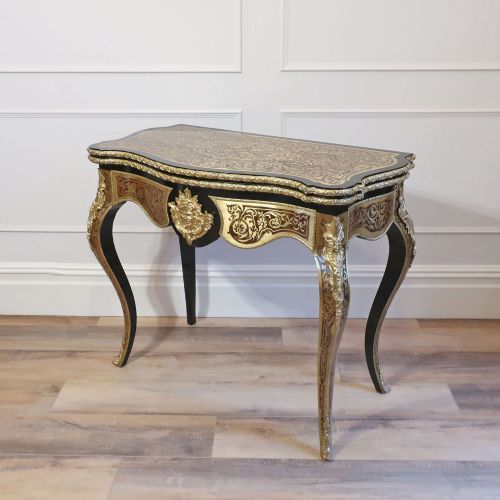
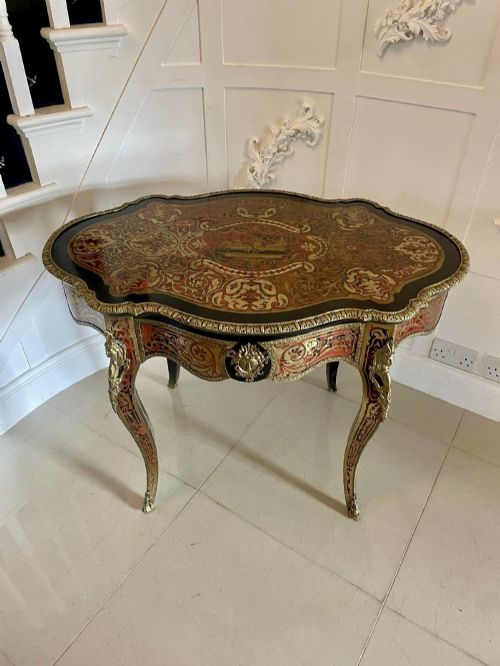
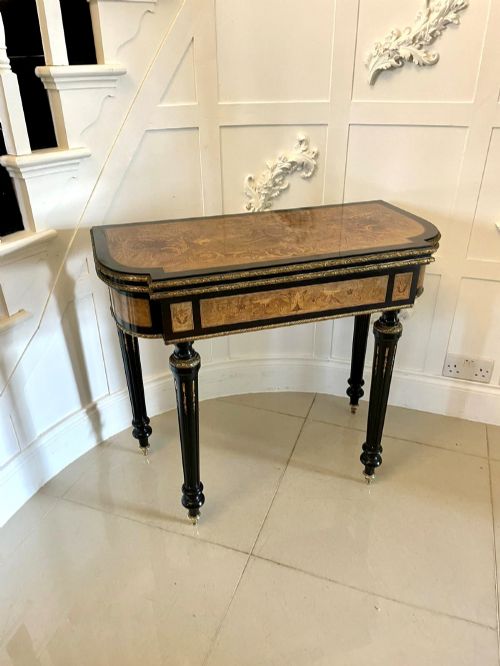
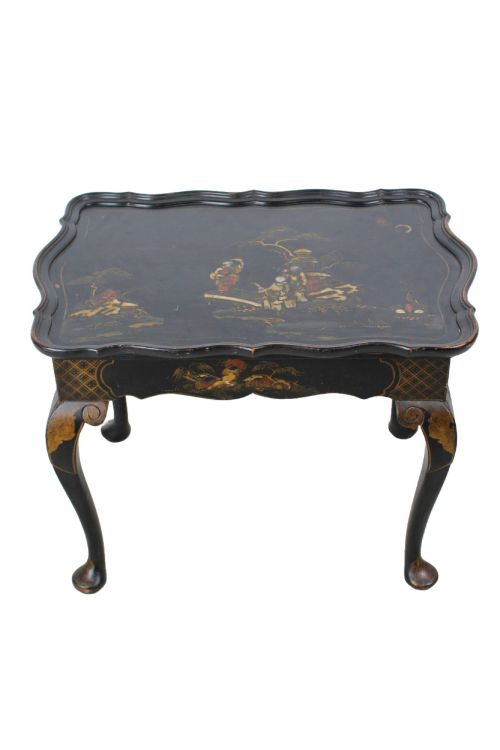
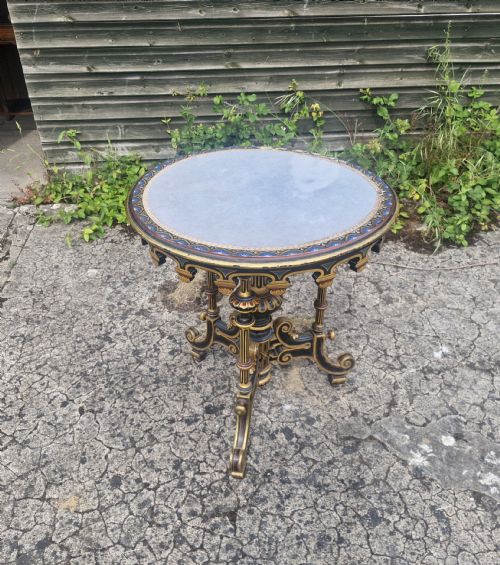


Gilt Ebonised Side Table
A gilt ebonised side table brings dark polished timber and bright metallic contrast to a room, offering a striking surface for lamps and objects.

Gilt Ebonised Side Table
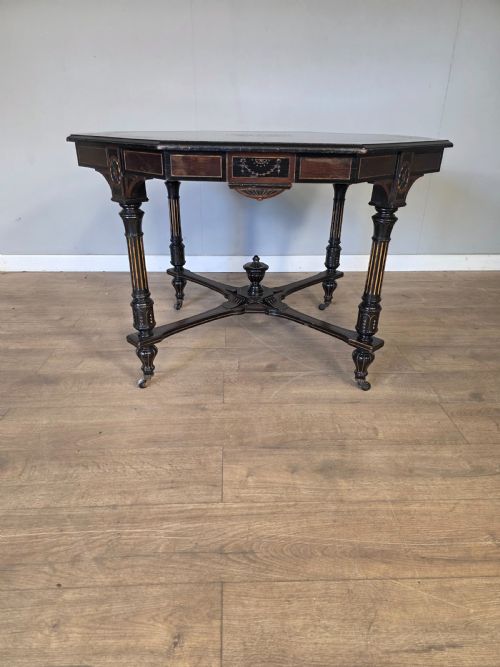
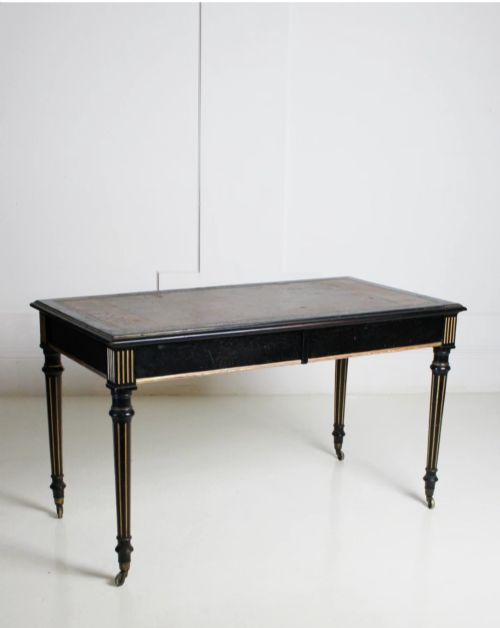
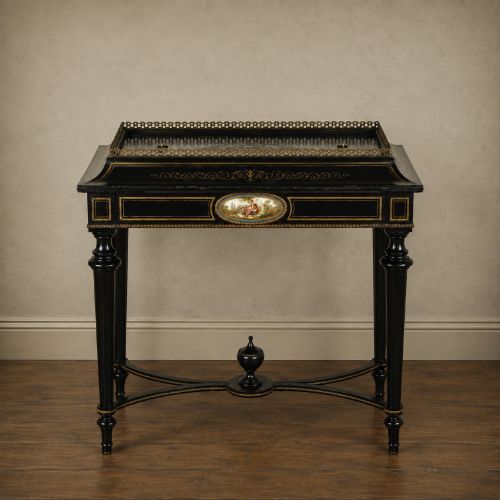
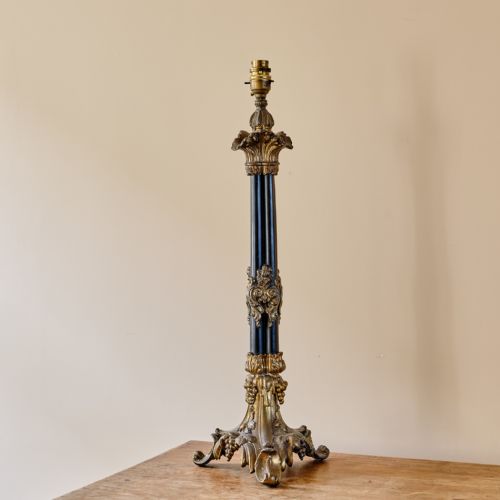
A gilt ebonised side table is a piece of furniture defined by its dark, blackened timber finish highlighted with gold leaf or metallic paint. When searching for a gilt ebonised side table, buyers encounter nineteenth-century English and French examples spanning Regency, Victorian, and Aesthetic Movement periods.
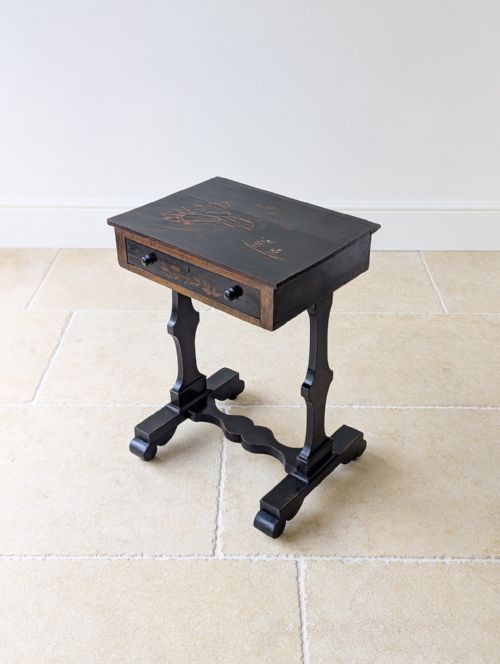
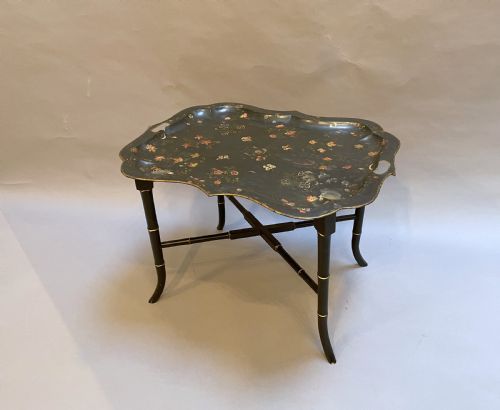
These tables take various forms including occasional tables, centre tables, and console tables, often featuring decorative details such as parcel gilding, brass mounts, and chinoiserie motifs. The dark ground provides a theatrical backdrop for gilt enrichment, making these pieces stand out within traditional and eclectic interiors alike.
Originating largely from nineteenth-century workshops influenced by classical and neoclassical tastes, these tables served functional and decorative roles in drawing rooms and boudoirs. Surviving examples demonstrate the period preference for contrasting dark woods against bright metallic accents.
How they were made
Cabinetmakers constructed these tables using native and exotic timbers, applying an ebonising process to darken the wood so it resembled expensive ebony. Artisans then added brightness through parcel gilding, applying thin sheets of gold leaf or gilt bronze mounts to carved details, mouldings, and legs.
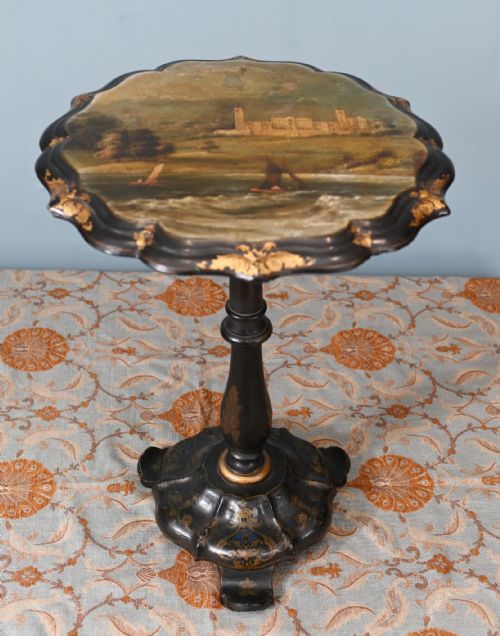
Surfaces frequently incorporated decorative techniques such as lacquer work, japanning, or painted porcelain plaques set into the wood. Ormolu mounts and brass hardware provided structural reinforcement while enhancing the opulent visual contrast characteristic of the style.
Gilt Ebonised Side Table Retail Price Guide 2026
Typical asking prices for gilt ebonised side table among the pieces listed under this phrase on Sellingantiques today, from the lower quarter to the upper quarter. They describe what is for sale here now, not the wider market.
Some ebonised tables hide velvet-lined compartments designed for clandestine nineteenth-century letter writing.
What varies in quality
The distinction between ordinary and superior examples lies in the execution of the ebonising and the precision of the gilding. Higher quality pieces display deeply saturated black finishes that retain a smooth lustre, alongside hand-applied gold leaf rather than flat metallic paint.
Construction methods also dictate quality, visible in the stability of joints, the weight of cast ormolu mounts, and the integration of secondary woods. Tables bearing evidence of finer hand-carving and meticulous attention to decorative details command greater appreciation among collectors.
Lamb of Manchester·Maison Millet·Gillows
The Gilt Ebonised Side Table Glossary
- Ebonised
- Wood treated with a chemical stain or black finish to imitate ebony. This technique gained widespread popularity during the nineteenth century for furniture requiring a uniform dark surface.
- Parcel Gilt
- Partial gilding where gold leaf is applied only to specific carved elements, mouldings, or highlights. This method creates a dramatic contrast against a contrasting wood or ebonised background.
- Ormolu
- Gilt bronze ornaments or mounts attached to furniture. The technique involves applying finely ground gold-mercury amalgam to bronze before firing.
- Japanning
- European imitation of East Asian lacquerwork using layered varnishes and decorative painting. Artisans cured each layer to produce a hard, glossy dark finish often decorated with raised motifs.
- Chinoiserie
- European artistic style reflecting Chinese motifs and decorative techniques. It frequently appears on nineteenth-century lacquer furniture and tray tables.
Gilt Ebonised Side Table: Frequently Asked Questions
Where should I place a gilt ebonised side table?
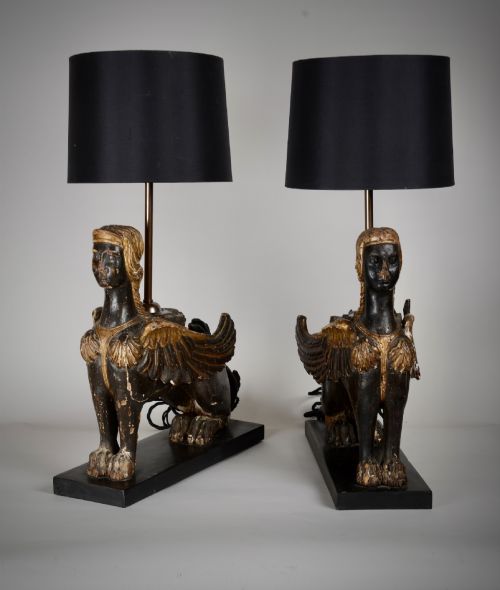
These tables suit hallways, drawing rooms, or bedrooms where their dark finishes and metallic highlights catch the light. They function effectively as lamp tables or display surfaces against lighter walls.
Because of their decorative nature, they work well as focal points rather than tucked into dark corners. Pairing them with neutral surroundings allows the gilded details to stand out.
How do I care for ebonised wood and gilt surfaces?
Dust surfaces regularly with a soft, dry cloth to prevent dirt accumulation on the delicate gilt highlights. Avoid chemical polishes or excessive moisture, which can damage the ebonised finish and gold leaf.
Protect the timber from direct sunlight and heat sources to prevent the wood from warping or the finish from fading over time.
What is the difference between Victorian and Regency examples?
Regency tables tend to lean towards strict neoclassical proportions with restrained gilt mounts and architectural lines. Victorian and Aesthetic Movement pieces often embrace more eclectic influences, including bolder chinoiserie or heavier parcel gilding.
Examining the turning of the legs and the style of the mounts usually helps distinguish between the earlier Regency period and later nineteenth-century revivals.
Are these tables sturdy enough for daily use?
Most nineteenth-century tables were built for domestic service, but delicate decorative elements require gentle handling. Occasional tables and console tables function reliably for holding lamps and books.
One should avoid overloading fragile tables or placing them in areas subject to heavy impacts or fluctuating temperatures.