





Gilt Decorative Jardinieres
These gilt decorative jardinieres bring plant displays to life with rich metallic surfaces, spanning periods from the seventeenth century to the twentieth.
Gilt Decorative Jardinieres
A buyer examining gilt decorative jardinieres encounters planters and cachepots shaped from porcelain, earthenware, metal, and carved wood. These vessels often double as decorative boxes and vases designed to hold indoor greenery and floral arrangements.
The selections span distinct historical eras, including the seventeenth century, the Victorian and Edwardian periods, and early twentieth-century production. Many examples draw on French Rococo Revival, Italian Baroque, Louis XV style, Chinoiserie, and the Meiji period.
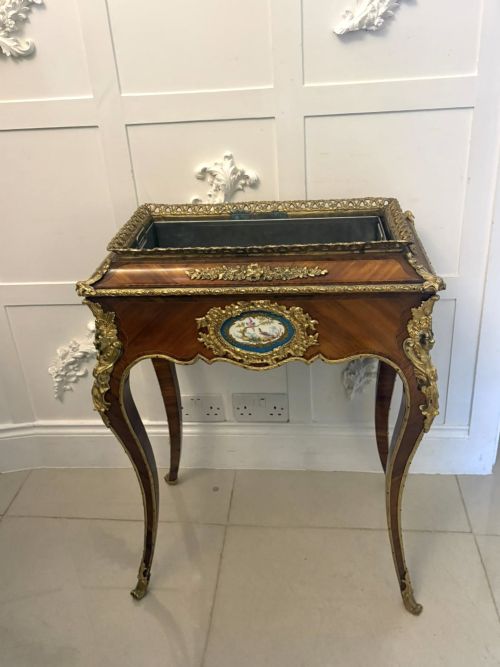
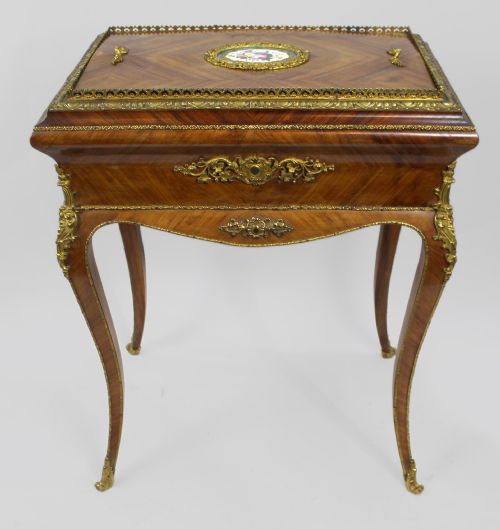
Most items meeting this description present as nineteenth-century European creations, frequently combining ceramic bodies with ormolu mounts or giltwood frames. Forms vary from square planters to traditional ceramic bowls and pots.
How they were made
Makers shaped these pieces using carved wood, hand-painted porcelain, earthenware, and burr walnut, applying gold leaf, gilding, and gilt bronze. Metalwork and cloisonné enamel also appear among the material combinations.
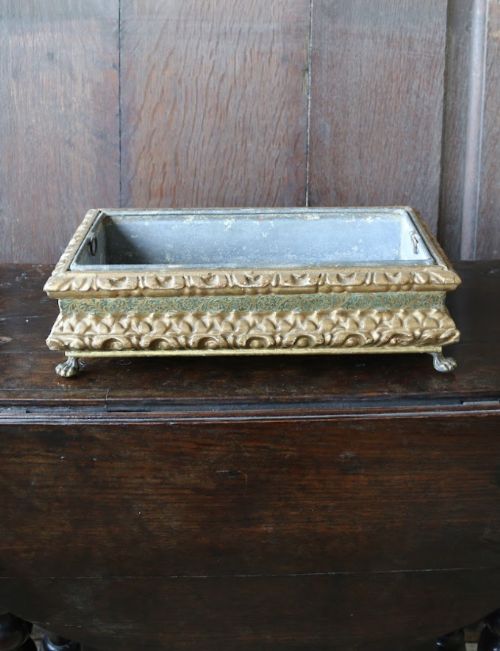
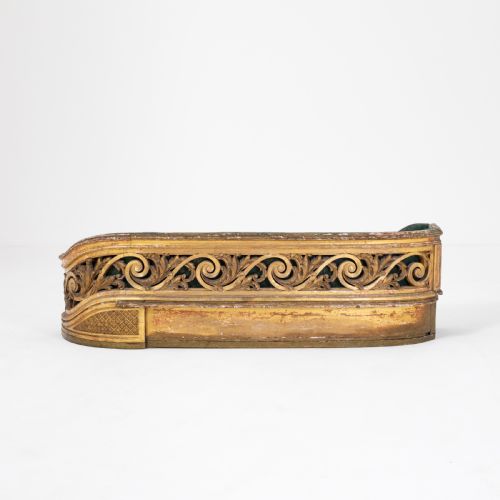
Artisans employed traditional carving techniques on wooden frames, such as Italian carved gilt wood and nineteenth-century carved giltwood. Ceramic bodies received hand-painted decoration, enamel work, and specialised glazed finishes.
Gilt Decorative Jardinieres Retail Price Guide 2026
Typical asking prices for gilt decorative jardinieres among the pieces listed under this phrase on Sellingantiques today, from the lower quarter to the upper quarter. They describe what is for sale here now, not the wider market.
Several planters rely on original Minton panels to add ceramic charm to square wooden frames.
What varies in quality
The standard of execution separates simpler containers from masterworks, particularly in the precision of wood carving and the finesse of hand-painted porcelain panels. Details such as ormolu mounts and cloisonné enamel reveal the skill of the original workshop.
Material selection dictates the overarching character of each piece, distinguishing solid carved giltwood and burr walnut structures from simpler earthenware vessels. The integrity of the gilding and the preservation of original ceramic elements define the finished state.
The Gilt Decorative Jardinieres Glossary
- Jardiniere
- An ornamental pot or stand for holding plants or flowers. These vessels form the central focus of this collection.
- Ormolu
- Gilded bronze mounts applied to furniture and decorative objects. This technique enhances French and Victorian pieces.
- Cloisonne
- Enamelwork in which enamel is applied to compartments marked off on a metal backing. It creates intricate surface patterns on metal vessels.
- Giltwood
- Wood that has been treated with gold leaf or a gold-coloured finish. It provides a rich, reflective surface for frames and carved containers.
- Cachepot
- An ornamental container used to conceal an ordinary flowerpot. These items function interchangeably with planters in historical interiors.
Gilt Decorative Jardinieres: Frequently Asked Questions
What is a jardiniere used for?
These vessels serve as decorative containers designed to hold potted plants and floral displays within interior spaces.
They act as ornamental centerpieces that elevate everyday greenery into structured decorative elements.
How do I identify a 19th-century piece?
Nineteenth-century examples frequently exhibit characteristic Victorian or Louis XV revival styling, often combining ceramic bodies with ormolu mounts.
Material markers such as burr walnut, cloisonné enamel, and hand-painted porcelain panels also point toward this era.
Where were these planters made?
Production spans several regions, with notable examples originating from French, Italian, English, and Japanese workshops.
Styles range from European Baroque and Rococo revivals to Japanese Meiji period ceramics.
How do I care for giltwood?
Giltwood surfaces require gentle dusting with a soft, dry cloth to protect the delicate gold leaf application.
Avoid moisture and cleaning solvents to preserve the original gilded finish.