



Gilt Chinoiserie Vases
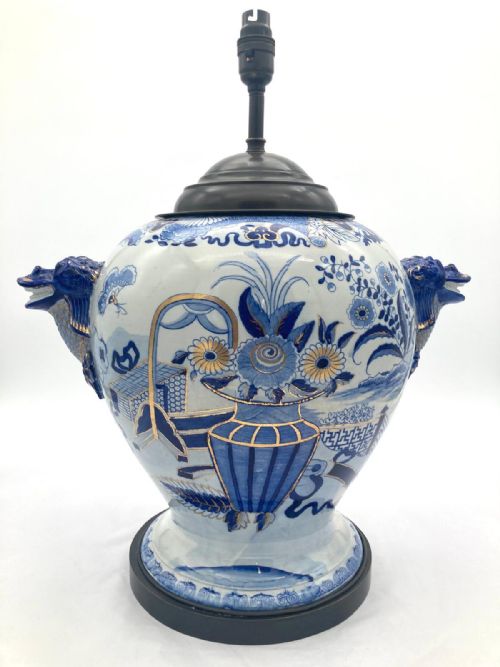
Gilt chinoiserie vases bring together ornate metallic gilding and decorative Asian motifs, often adapted as table lamps in traditional interiors.
Gilt Chinoiserie Vases
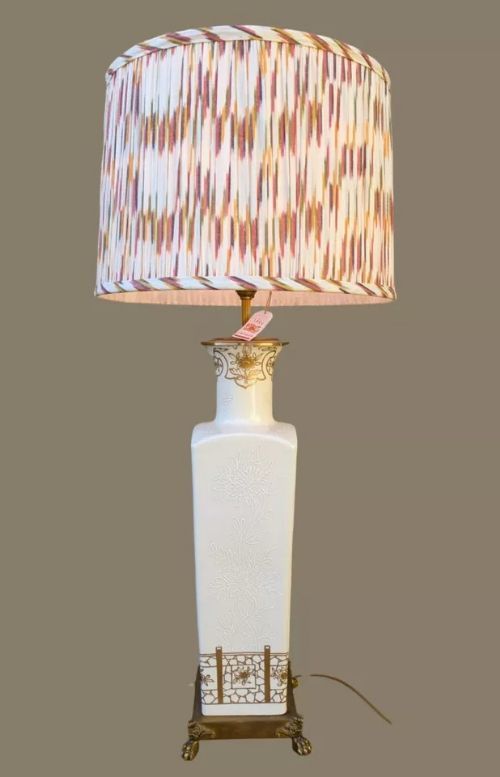
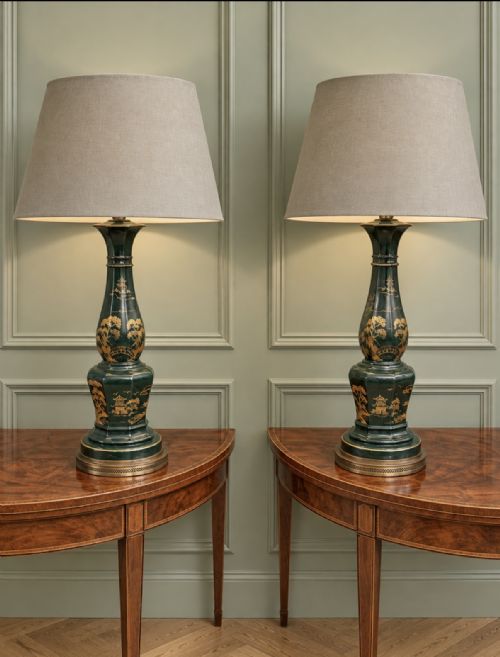
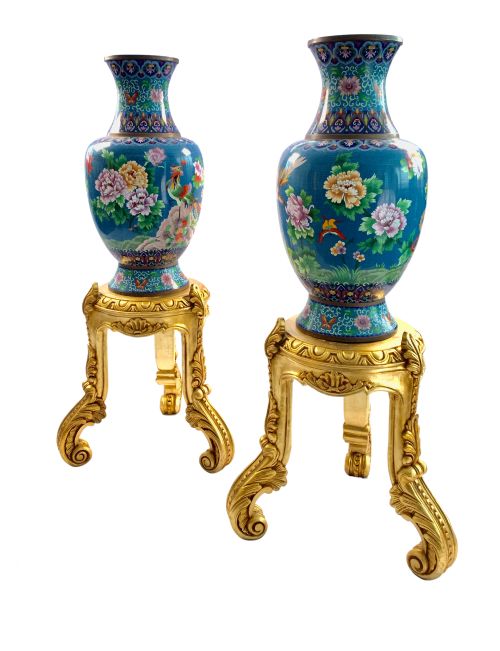
When you search for gilt chinoiserie vases, you encounter decorative vessels, temple jars and potpourri containers that originated in China, Japan and Europe during the eighteenth and nineteenth centuries. These pieces frequently appear adapted as table lamps, combining historic ceramic bodies with electrified fittings.
Materials and Technique
Potters and artisans utilised porcelain, ironstone, lacquer and cloisonné enamel as foundational bodies, painting them by hand with intricate motifs. These surfaces received elaborate gilding, using gold leaf or liquid gold highlights to accentuate the pictorial scenes.
Many vases incorporate cast ormolu and gilt bronze mounts, which French and English metalworkers fitted to secure the ceramic bodies or adapt them for domestic lighting.
Gilt Chinoiserie Vases Retail Price Guide 2026
Typical asking prices for gilt chinoiserie vases among the pieces listed under this phrase on Sellingantiques today, from the lower quarter to the upper quarter. They describe what is for sale here now, not the wider market.
Some nineteenth-century vases spent decades as sullen mantelpiece ornaments before finding a second career as very expensive reading lamps.
Quality and Execution
Quality rests upon the crispness of the hand-painted details and the richness of the gilding applied to the ceramic or lacquer surface. Superior pieces display meticulous brushwork in the figures and foliage, maintaining sharp definition without blurring or fading.
The integration of metal mounts also defines the tier of the object, with heavier, finely chased ormolu mounts indicating a higher grade of production than simple brass fittings.
Hicks and Meigh·Mason·Samson·Jennens and Bettridge·Carlton Ware
The Gilt Chinoiserie Vases Glossary
- Chinoiserie
- European interpretation and imitation of Chinese and East Asian artistic traditions, popular in furniture, ceramics and decorative painting. This aesthetic dominated several periods of interior design.
- Ormolu
- Gilt bronze mounted work, produced by applying finely ground gold-mercury amalgam to bronze. The technique imparts a rich, durable golden finish to decorative mounts.
- Cloisonné
- Enamelling technique where metal wire forms compartments on a metal base, which are filled with coloured glass paste and fired. The resulting surface shows distinct decorative cells.
- Ironstone
- A type of heavy, durable earthenware patented in the nineteenth century by English manufacturers as a robust alternative to porcelain. It frequently received hand-painted Asian-inspired decoration.
- Rose Medallion
- A distinct style of nineteenth century Cantonese porcelain featuring segmented panels filled with figures, birds and flowers, surrounded by pink enamel and gilt highlights.
Gilt Chinoiserie Vases: Frequently Asked Questions
What are gilt chinoiserie vases?
These items are decorative ceramic, lacquer or metal vessels adorned with Asian-inspired motifs and metallic gold highlights. They span several centuries of global trade and domestic redesign.
Many surviving examples from the nineteenth century were subsequently converted into electric lamps while retaining their original hand-painted surfaces and gilt mounts.
How were they used historically?
Wealthy households displayed large temple jars, garnitures and potpourri vases in reception rooms to signal cosmopolitan taste and an appreciation for global trade goods. Their ornate surfaces added colour and reflective light to formal interiors.
Over time, changing fashions led many owners to convert these decorative vessels into functional lighting by mounting them for electricity.
How do I place them at home?
These pieces function effectively as statement lamps on side tables or as decorative accents on mantelpieces and cabinets. Their height and vibrant palette draw the eye within traditional and eclectic room schemes.
Pairing them with neutral walls allows the intricate hand-painted patterns and gilt mounts to stand out clearly.
How do I distinguish periods?
Eighteenth-century examples often show softer paste porcelain and simpler, hand-beaten mounts, whereas nineteenth-century pieces frequently display denser ironstone bodies or heavier machine-finished components. Stylistic clues such as the specific floral borders of Rose Medallion or Canton wares also help narrow down the date.
Maker stamps or registration marks, where present, provide definitive clues to the decade of manufacture.