



Gilt Chimneypiece Mirror
A gilt chimneypiece mirror brings scale and reflected light to a room, sitting above the hearth as a grand decorative focus.
Gilt Chimneypiece Mirror
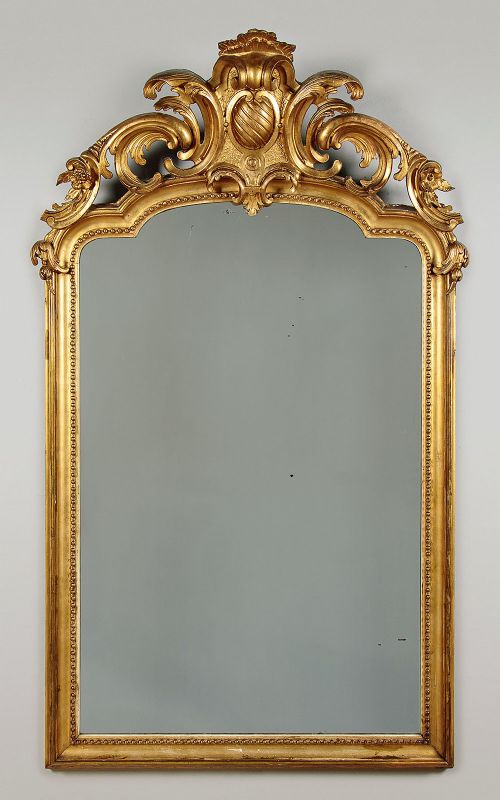
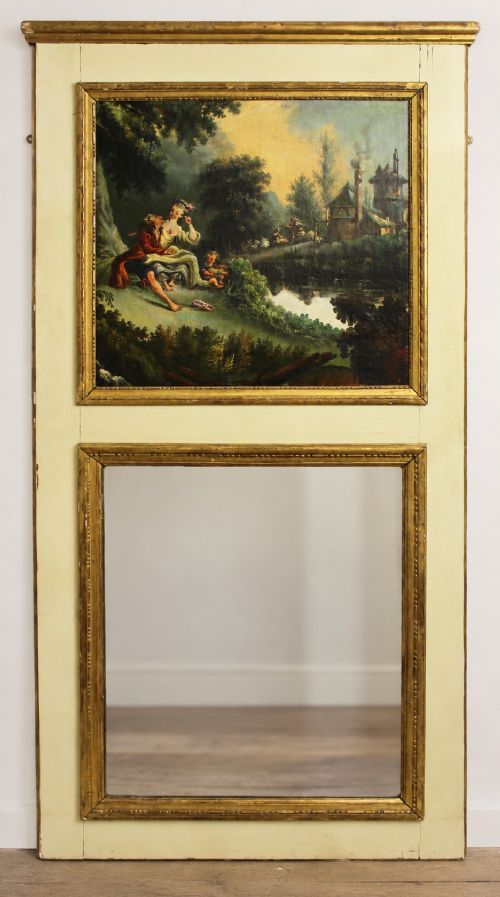
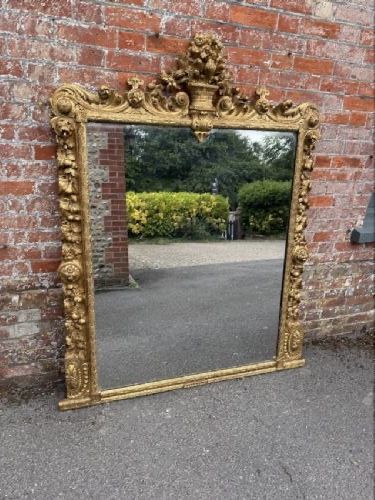
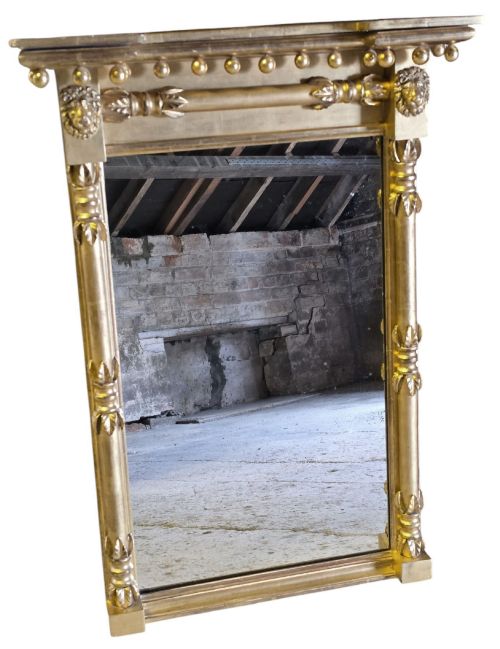
A gilt chimneypiece mirror is a large wall-hanging glass plate framed in gilded wood, gesso, or composition, designed specifically to hang above a fireplace mantel. These pieces anchor the vertical space of a room, combining the functional need for reflection with substantial decorative presence.
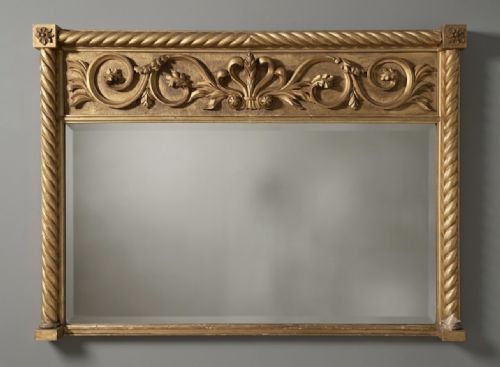
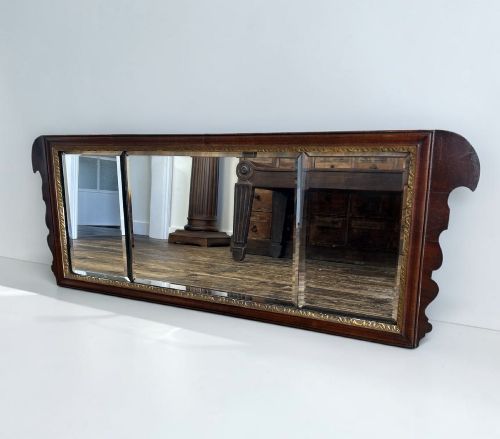
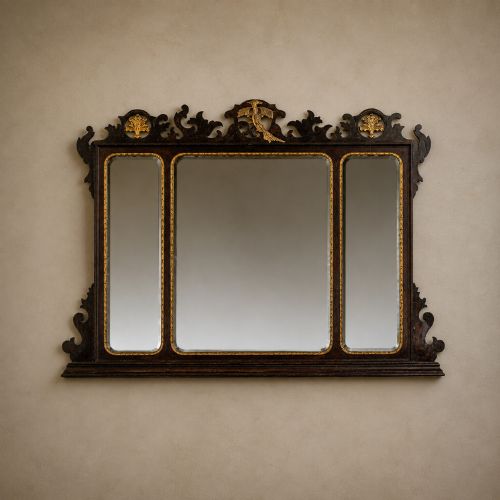
The selections available here span several centuries, with the majority originating in the nineteenth century alongside Georgian and early twentieth-century examples. Overmantel mirrors and pier mirrors dominate the forms, frequently employing arched, rectangular, or triptych formats that reflect the proportions of period interiors.
How they were made
Carved wood provides the structural foundation for many of these frames, utilising timber such as mahogany, walnut, or pine as a base. Artisans shaped these woods by hand before applying decorative details.
Gesso and composition mouldings were frequently applied over wooden carcasses to create elaborate relief ornamentation, including rope twists, scrolls, and cresting. Gold leaf or paint finishes were then laid over the prepared surfaces to achieve the characteristic metallic sheen.
Gilt Chimneypiece Mirror Retail Price Guide 2026
Typical asking prices for gilt chimneypiece mirror among the pieces listed under this phrase on Sellingantiques today, from the lower quarter to the upper quarter. They describe what is for sale here now, not the wider market.
Listings feature frames finished in gold leaf, silver leaf, and painted surfaces, utilising materials such as gesso, composition, and walnut.
What varies in quality
The refinement of the carved ornament and the depth of the gilding set the standard for these mirrors. Hand-carved wood and delicate gesso work demonstrate a higher level of craftsmanship than mass-produced composition ornament.
The condition and clarity of the mirror glass, alongside the structural integrity of the heavy wooden frame, determine the overall integrity of the piece. Surviving original silvering and plates with minimal distortion represent the higher tier of survival.
The Gilt Chimneypiece Mirror Glossary
- Giltwood
- Wood that has been coated with gold leaf or a gold-coloured finish. This material defines the warm, reflective surfaces seen across the frames.
- Gesso
- A plaster-like mixture applied to wood frames to create a smooth surface for carving or moulding details. It allows for intricate relief decoration.
- Overmantel mirror
- A large mirror designed to be hung directly above a chimneypiece or fireplace. These pieces often feature wide horizontal or vertical proportions to suit the wall space.
- Triptych
- A mirror plate divided into three separate vertical sections within a single frame. This format often includes flanking panels alongside the central glass.
- Parcel-gilt
- A finish where only specific portions of an object are gilded, leaving other areas of wood, paint, or walnut exposed. This technique highlights particular carved details.
Gilt Chimneypiece Mirror: Frequently Asked Questions
How do I hang a heavy overmantel mirror safely?
These frames carry substantial weight due to their timber construction and large glass plates. Secure fixings into structural wall studs or solid masonry are essential to support the load properly.
Professional mirror hangers often use heavy-duty mirror plates or French cleats distributed across the width of the frame to ensure the weight is evenly shared.
Were these mirrors always meant for above fireplaces?
Many examples in this selection were designed specifically as overmantels to sit above hearths, reflecting light from fires and windows into the room. However, some large formats also functioned as pier mirrors positioned between windows.
Their proportions were tailored to fill the tall vertical expanses of period drawing rooms and parlours, regardless of whether a fireplace sat directly below.
How do I clean antique gilt surfaces?
Dusting should be done gently with a soft, dry brush to avoid disturbing fragile gesso and gold leaf layers. Liquid cleaners and moisture can strip or darken historic metallic finishes.
Mirror glass can be wiped carefully with a microfibre cloth and a minimal amount of glass cleaner, taking care not to let any liquid seep behind the edges of the frame.
How do I date a gilt chimneypiece mirror?
Stylistic clues such as Regency rectangular lines, Victorian arched tops, or Chippendale Revival fretwork help narrow down the period of manufacture. Construction methods, including the type of wood used and the application of gesso, also provide clear indicators of age.
Examining the backboards, fixings, and the nature of the mirror glass itself assists in confirming whether the piece dates to the Georgian, Victorian, or later eras.