


Gilt Ceramic Tea Cup
A gilt ceramic tea cup brings together fine porcelain and gold leaf, offering a tactile piece of historic table ceremony.
Gilt Ceramic Tea Cup
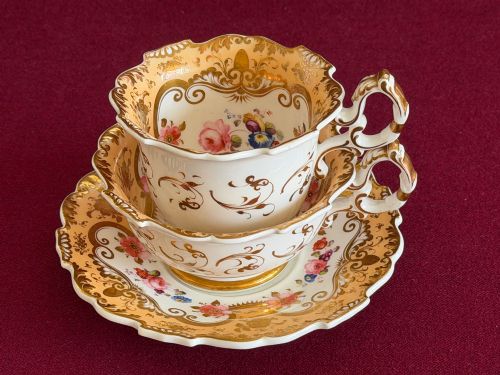
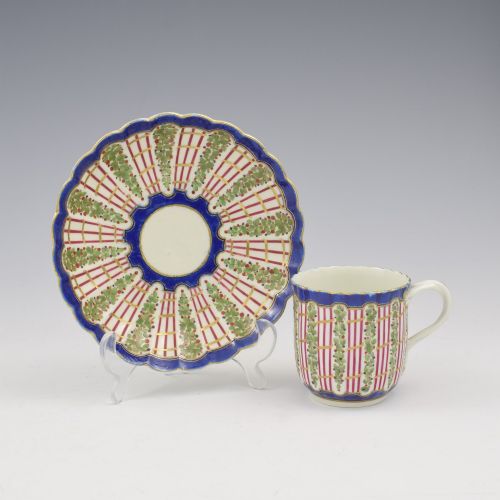
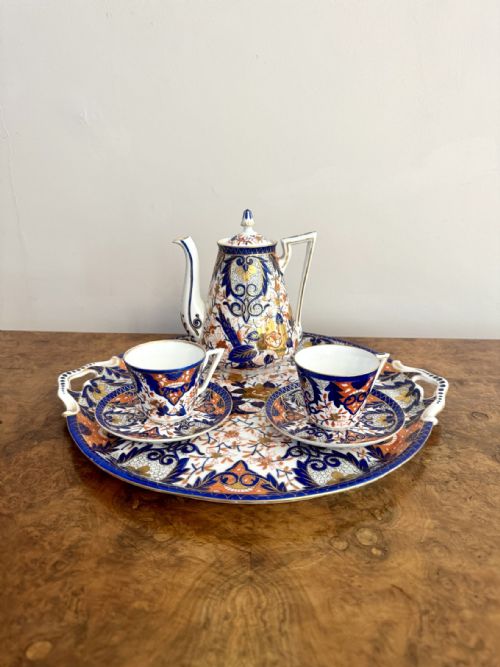
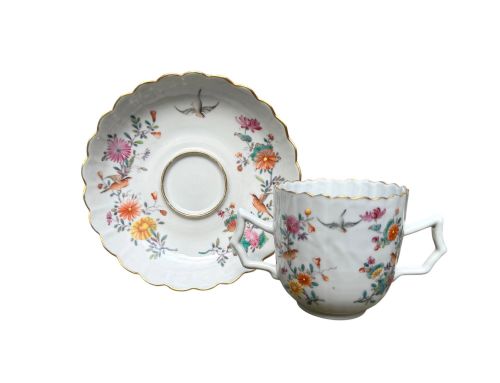
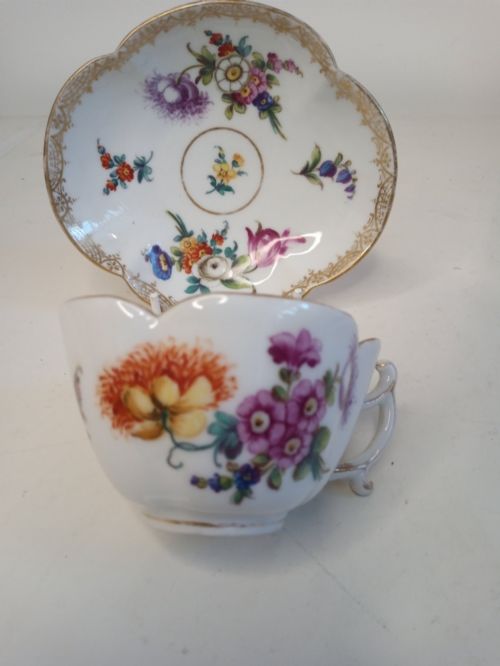
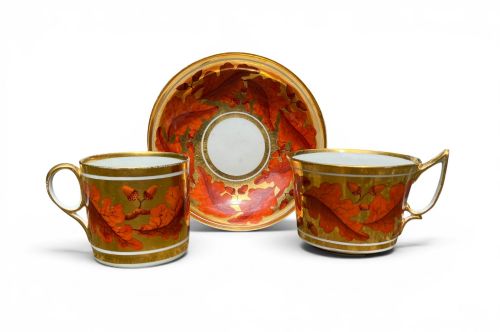
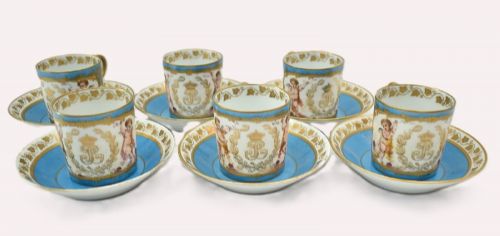
A gilt ceramic tea cup represents a varied group of drinking vessels decorated with gold, spanning the eighteenth, nineteenth, and early twentieth centuries. These pieces appear as individual tea bowls, trios with saucers, and parts of larger afternoon tea or coffee services.
The objects originate from English factories such as Worcester, Derby, and Davenport, alongside continental European makers and Chinese export wares. Forms range from simple eighteenth-century tea bowls to elaborate Victorian cabinet cups and Edwardian sets.
Buyers encounter examples decorated with hand-painted motifs, enamel colours, and transfer printing enhanced by gold gilding. The survival of these fragile items relies on careful handling by past generations.
Materials and production methods
Potters shaped these vessels from soft-paste porcelain, bone china, or standard ceramic bodies using traditional throwing and moulding techniques. Artisans applied gold leaf, liquid gold gilt, and enamel paints by hand before firing the pieces in kilns to fuse the decoration.
Factories employed specialised painters for detailed botanical, landscape, and bird subjects, often set against grounds of wet blue, blush ivory, or famille rose. The application of gold required steady brushwork and subsequent burnishing to achieve a bright finish.
Listings feature porcelain, bone china, and soft-paste porcelain across eighteenth, nineteenth, and early twentieth-century periods.
Distinctions in craftsmanship
Quality in a gilt ceramic tea cup rests on the precision of the hand-painting and the purity of the porcelain body. Superior examples display crisp details, balanced forms, and heavy, burnished gold rather than flat, machine-applied metallic paint.
The reputation of the manufactory and the complexity of the pattern influence the standing of each piece within its period. Early English porcelain and specific factory marks indicate higher manufacturing standards and artistic ambition.
Royal Worcester·Davenport·Derby·Coalport
The Gilt Ceramic Tea Cup Glossary
- Trio
- A matched set consisting of a tea cup, a coffee cup or saucer, and a side plate. This grouping formed a standard part of eighteenth and nineteenth-century tea service.
- Soft-Paste Porcelain
- An artificial ceramic paste used by early European potteries before the discovery of true hard-paste porcelain. It has a warm, glassy texture under the glaze.
- Famille Rose
- A palette of Chinese porcelain enamel colours dominated by opaque pink or rose shades. Introduced in the eighteenth century, it frequently incorporated gilt detailing.
- Blush Ivory
- A specialised cream-coloured ceramic ground developed by Royal Worcester in the late nineteenth century. It provided a soft background for delicate floral hand-painting and gilding.
- Cabinet Cup
- A decorative cup intended for display in a cabinet rather than for daily drinking. These pieces often feature elaborate painting and substantial gilding.
Gilt Ceramic Tea Cup: Frequently Asked Questions
How do I date a gilt ceramic tea cup?
Dating relies on factory marks stamped or painted on the base, combined with the style of the handle and the painting technique. Eighteenth-century pieces often feature unglazed foot rims and hand-pencilled numerals, while Victorian examples show registration diamonds or impressed factory ciphers.
Changes in porcelain body composition also help determine age. Soft-paste pieces from the 1700s feel different under the glaze compared to nineteenth-century bone china.
Were these cups meant for daily use?
Most antique gilt ceramic tea cups were created for formal drawing-room tea ceremonies rather than robust daily dining. The presence of delicate handles and thin porcelain walls indicates items designed for gentle handling by guests.
Cabinet cups were purely ornamental, intended to showcase the wealth and taste of the owner inside glass display furniture.
What is the difference between a tea bowl and a tea cup?
Tea bowls lack handles and were designed to be held in two hands during the early phases of tea drinking in Europe and Asia. The introduction of the handle in the Regency and Georgian periods created the standard tea cup.
Many early sets retained tea bowls alongside saucers well into the nineteenth century before handles became universal.