



Hand Painted Derby China
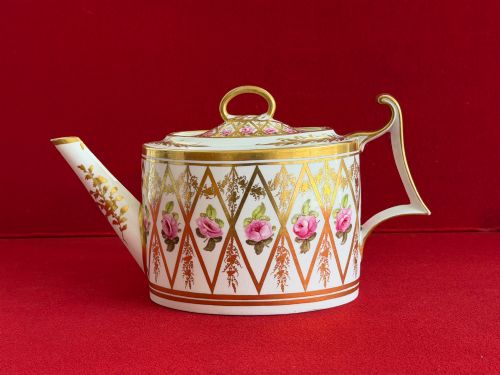
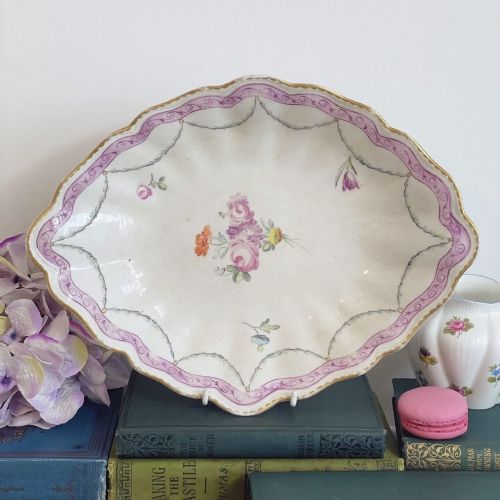
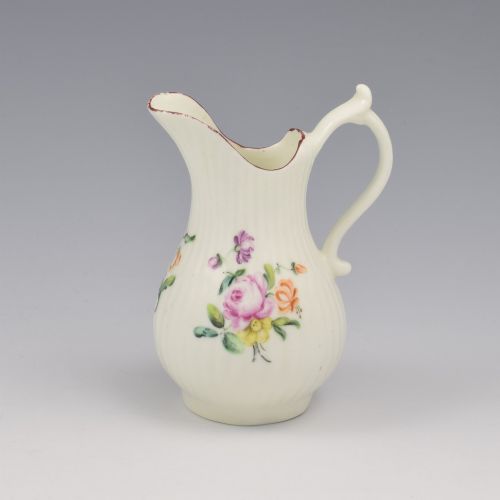
Hand painted derby china brings together 18th-century porcelain vessels and botanical plates decorated by skilled hands.
Hand Painted Derby China
Hand painted derby china comprises ceramic objects spanning the eighteenth, nineteenth and twentieth centuries, produced in Derbyshire and decorated with polychrome enamels and gold leaf.
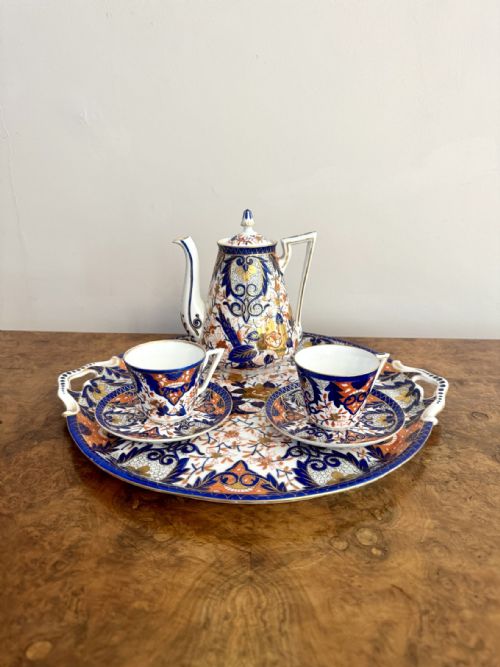
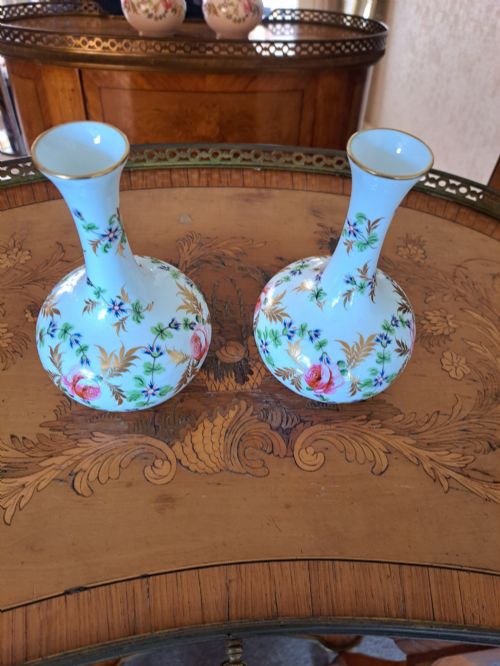
The items found here range from practical tea service components like teapots, teacups and cream jugs to decorative cabinet plates, urns, vases and figurative pieces.
Buyers encounter output from distinct manufacturing eras, including early soft-paste production, the Bloor period, and later Royal Crown Derby porcelain.
How they were made
Potters shaped these objects from porcelain and bone china bodies, utilising soft-paste porcelain in eighteenth-century pieces and firmer porcelain pastes later on.
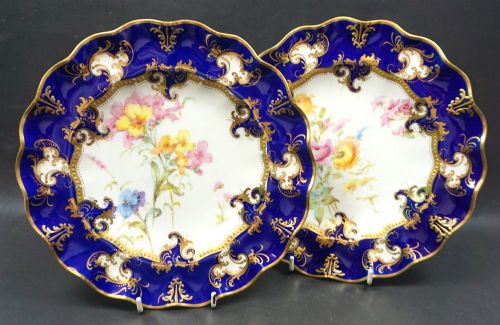
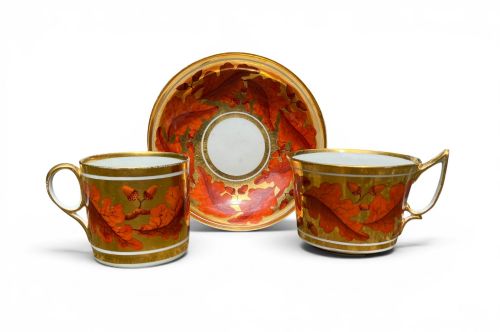
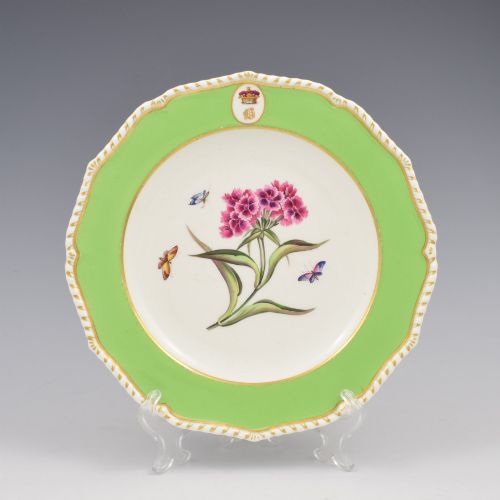
Decorators applied pigments by hand, combining polychrome enamels with gilding and gold leaf highlights to define botanical subjects, armorials and patterned motifs.
Listings feature porcelain pieces spanning the eighteenth to the twentieth centuries, utilising both soft-paste and bone china bodies.
What varies in quality
Quality rests in the precision of the hand painting, where named artists such as Thomas Steele or Zachariah Boreman achieve finer botanical detail and composition than anonymous workshop staff.
The refinement of the porcelain body and the crispness of moulded forms, such as fluted balusters and lettuce leaf sauce boats, separate standard production from superior pieces.
Royal Crown Derby·Bloor Derby·Chelsea-Derby·Duesbury and Kean
The Hand Painted Derby China Glossary
- Soft-paste porcelain
- An early artificial ceramic composition fired at lower temperatures than true hard-paste porcelain. It possesses a warm tone and a slightly softer glaze.
- Bloor Derby
- The period of production associated with Robert Bloor, who managed the factory from the early nineteenth century onward. Items from this era often feature rich botanical painting and heavy gilding.
- Imari
- A decorative style characterised by underglaze blue combined with iron red, gold and secondary enamel colours. Royal Crown Derby produced prominent variations of this aesthetic.
- Armorial
- A ceramic design incorporating painted family crests or coats of arms. These were frequently commissioned for landed families.
- Chelsea-Derby
- A transitional period of production during the second half of the eighteenth century when the Chelsea factory merged with Derby operations.
Hand Painted Derby China: Frequently Asked Questions
How do I identify eighteenth-century Derby?
Eighteenth-century Derby pieces typically employ soft-paste porcelain bodies with handpainted polychrome floral motifs and early crown or anchor marks. The weight and glaze texture often feel softer than later Victorian output.
Examination of the footrim and base reveals unglazed areas typical of early kiln placement before sophisticated stacking props were adopted.
How should I display cabinet plates?
Cabinet plates require stable wall hangers or secure desk stands designed to protect the glazed edges. Keep porcelain away from direct sunlight to preserve the stability of handpainted enamel colours.
Ensure display cabinets offer adequate depth and sturdy shelving to prevent accidental tipping of valuable ceramic items.
Are signed pieces more desirable?
Signed or attributed pieces, such as those painted by Thomas Steele or Zachariah Boreman, carry distinct documentation of the artist's hand. This direct link to a recorded decorator adds interest for collectors.
Attributions often rest on stylistic comparisons with known factory records and documented pattern books.