





Gilt Bronze Mounted Stand
A gilt bronze mounted stand combines fine cabinet woods or stone with cast metal mounts to create a striking display piece.
Gilt Bronze Mounted Stand
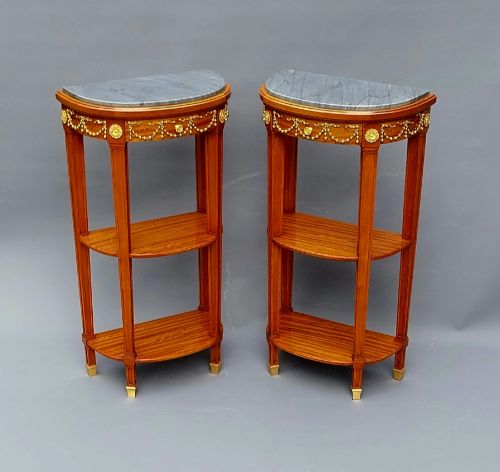
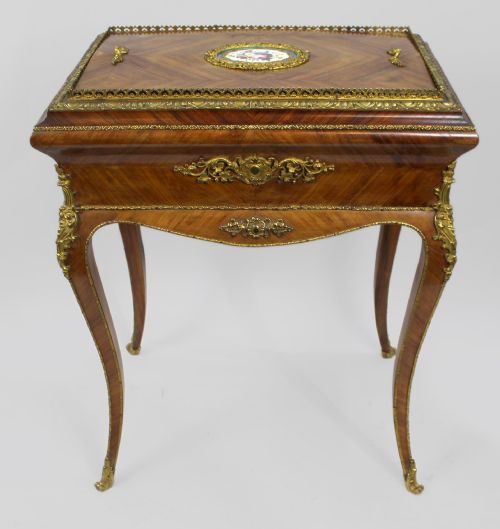
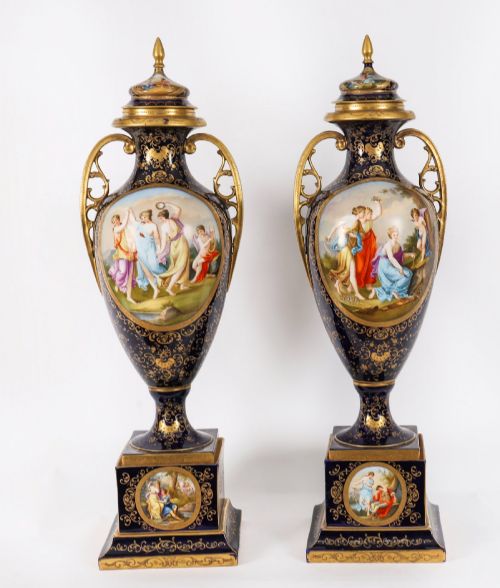
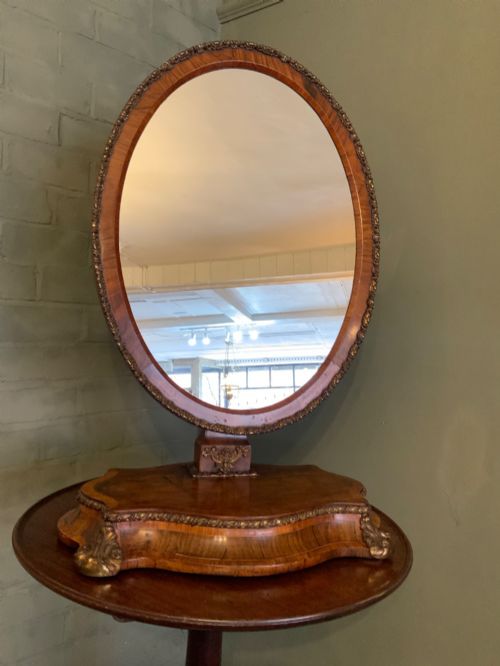
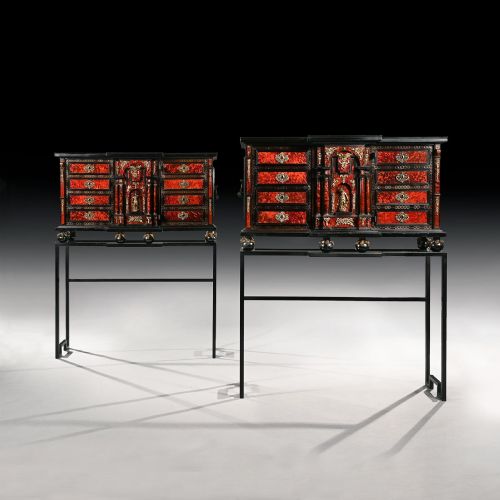
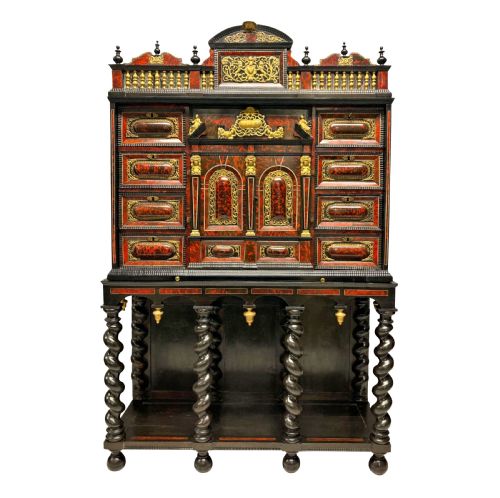
A gilt bronze mounted stand serves various purposes, appearing frequently as a jardiniere, pedestal, occasional table, or cabinet on stand. These pieces originate largely from nineteenth century French workshops, embracing revived eighteenth century aesthetics like Louis XV and Louis XVI styles.
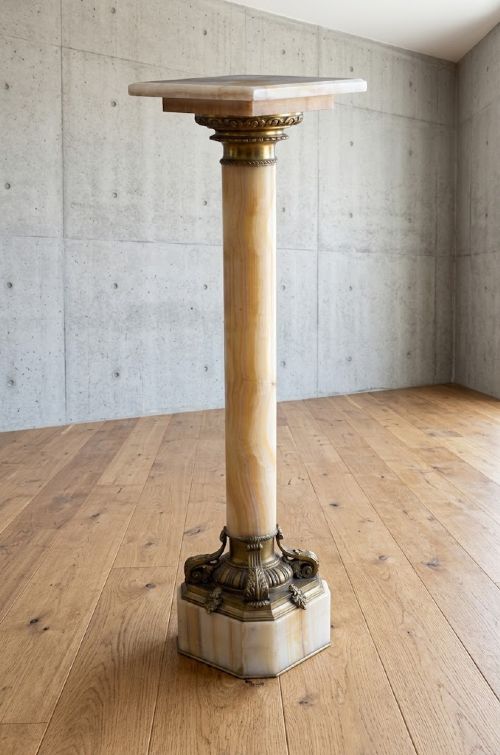
Buyers encounter numerous variations, from marble topped pedestals and onyx columns to mahogany lamp tables and kingwood planters. The overarching design unites functional furniture with decorative metal enrichments, often taking inspiration from classical or baroque motifs.
Materials and Construction
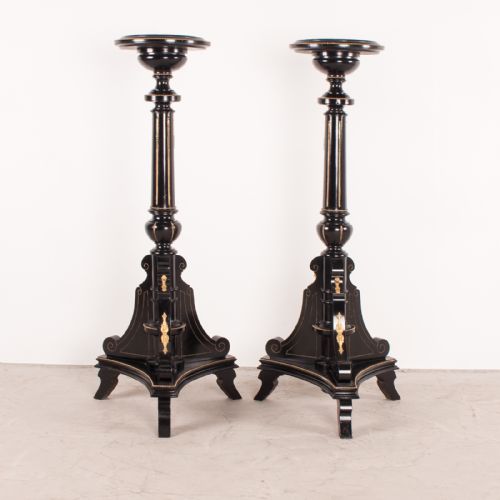
Cabinetmakers utilised dense timbers such as mahogany, walnut, and kingwood, frequently applying intricate marquetry, ebonisation, or tortoiseshell veneers. Structural carcasses support heavy inserts of marble, onyx, or porcelain plaques.
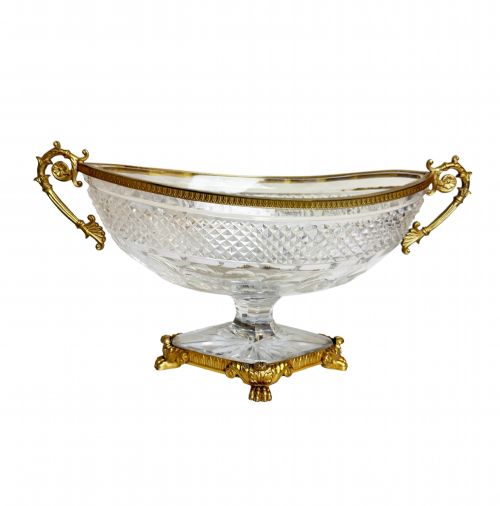
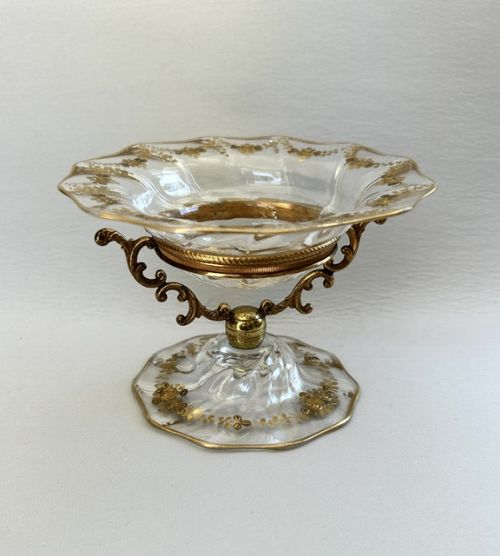
Gilt bronze, or ormolu, components were cast, chased, and fire gilded before being secured to the timber or stone bodies. These metal mounts define corners, frame panels, and form feet, requiring precise woodworking joints to accommodate mixed media.
Gilt Bronze Mounted Stand Retail Price Guide 2026
Typical asking prices for gilt bronze mounted stand among the pieces listed under this phrase on Sellingantiques today, from the lower quarter to the upper quarter. They describe what is for sale here now, not the wider market.
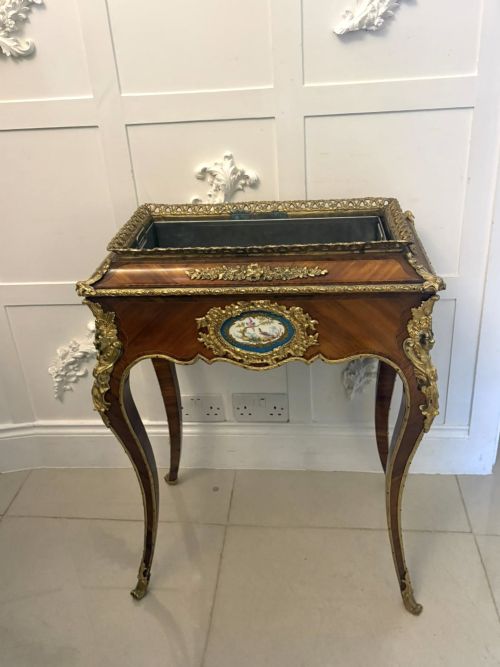
A porcelain bird peers perpetually from ormolu candelabra, frozen in a mid nineteenth century metal embrace.
Evaluating Craftsmanship
The standard of a gilt bronze mounted stand rests on the sharpness of the metal chasing and the depth of its gilding. Superior mounts display crisp detail in foliage or figures, whilst inferior examples appear soft and flat.
Cabinetwork precision separates ordinary production from exceptional pieces. Tight veneer alignment, well proportioned architectural columns, and the integration of quality marble or porcelain elements distinguish finer workshops.
Coutan·Marti·Linke·Zweiner·Weisweller
The Gilt Bronze Mounted Stand Glossary
- Ormolu
- Gilt bronze produced by applying a mercury and gold amalgam to cast bronze, heated to leave a durable gold layer. This technique gives French mounts their characteristic warm lustre.
- Jardiniere
- A decorative receptacle or stand designed to hold plants or flowers. These items often feature waterproof liners and elaborate exterior mounts.
- Marquetry
- The art of applying pieces of veneer to a structure to form decorative patterns. Craftsmen utilised various exotic woods to create floral or geometric designs.
- Gueridon
- A small round table supported by one or more columns or figures. These tables frequently incorporate marble tops and gilt metal mounts.
- Vernis Martin
- A simulated Japanese lacquer developed by the Martin brothers in eighteenth century France. The finish achieved popularity during nineteenth century revivals.
Gilt Bronze Mounted Stand: Frequently Asked Questions
What is a gilt bronze mounted stand?
A gilt bronze mounted stand is a decorative furniture piece combining timber, stone, or ceramic with cast and gilded brass ornaments. These objects served functional roles in period interiors as tables, plant holders, or display columns.
They reflect historical revival styles, particularly the French Rococo and Neoclassical periods. The combination of materials highlights the decorative arts of the nineteenth century.
How were these stands used originally?
Original owners used these stands to elevate art objects, display exotic plants, or provide surface space in reception rooms. Jardiniere stands held indoor flora, whilst marble topped columns showcased bronze busts or porcelain urns.
Smaller occasional tables functioned as lamp stands or bedside furniture. Their decorative presence suited formal parlours and drawing rooms.
How do I style a stand at home?
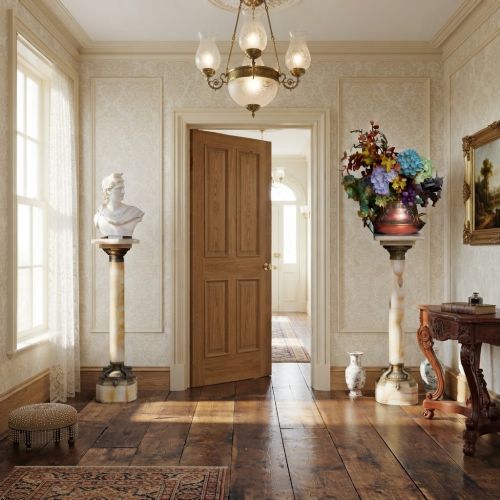
Placing a marble topped pedestal or column in a corner creates height and focal interest in a modern room. These stands hold lamps, sculptures, or ceramics effectively.
Smaller tables work beside seating areas as functional display surfaces. The mix of wood and gilt bronze complements both traditional and contemporary interiors.
How do I identify Louis XVI style?
Louis XVI style pieces exhibit straight lines, symmetry, and classical architectural motifs derived from antiquity. Expect fluted columns, ribbon twists, and restrained geometric mounts.
This aesthetic contrasts with the curving asymmetry of earlier Louis XV designs. Stands in this style project formal elegance and balanced proportions.