

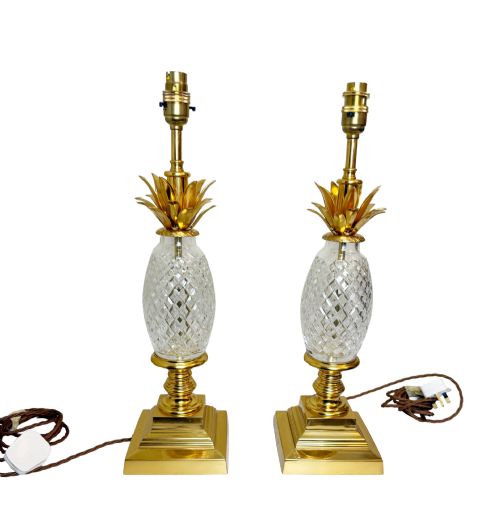
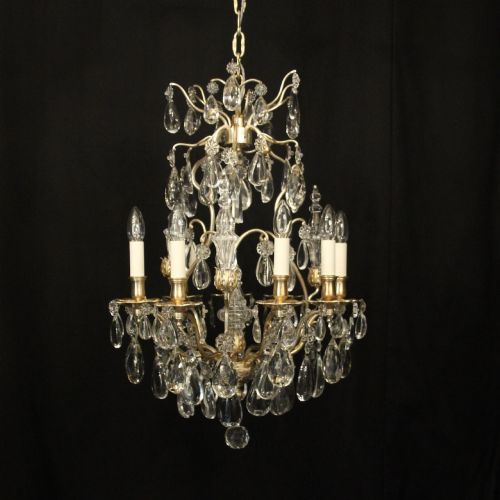
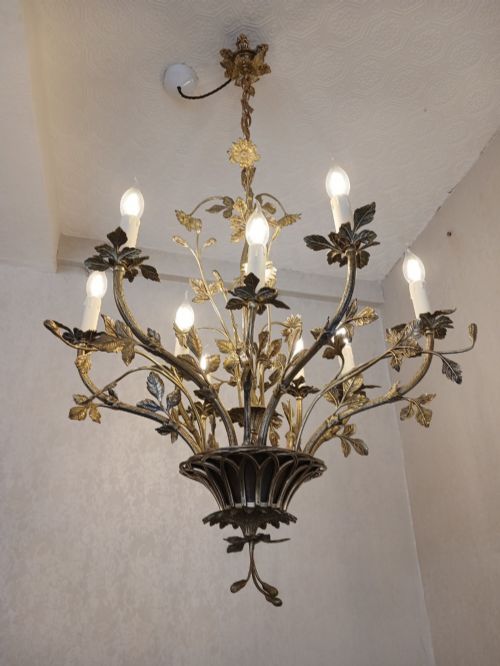
Gilt Bronze Light Fitting
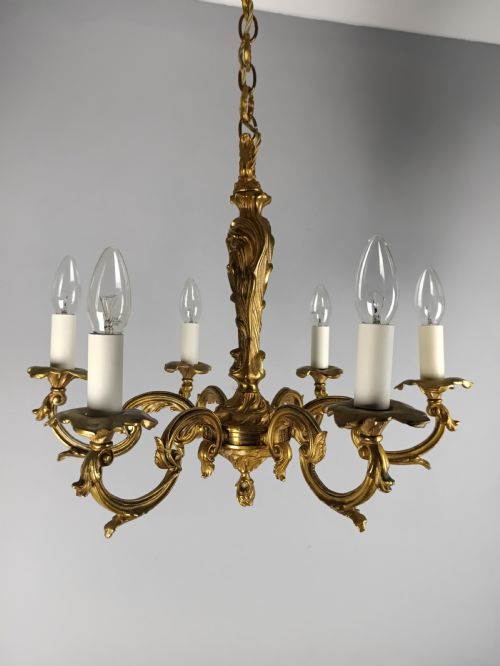
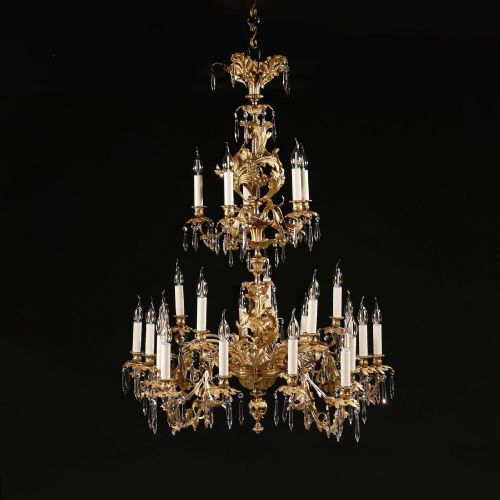
A gilt bronze light fitting brings substantial French metalwork and crystal into a room.
Gilt Bronze Light Fitting
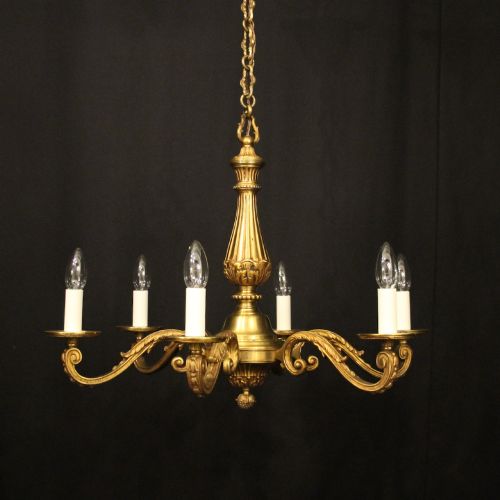
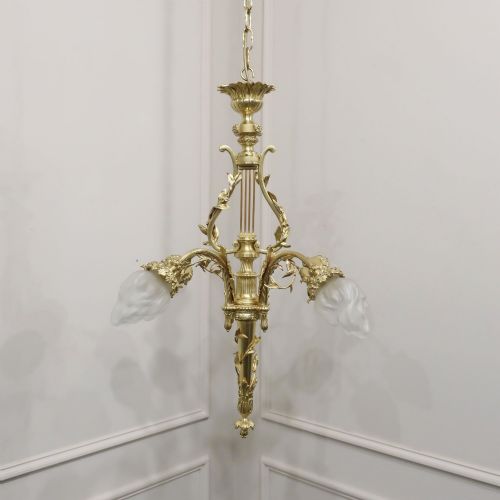
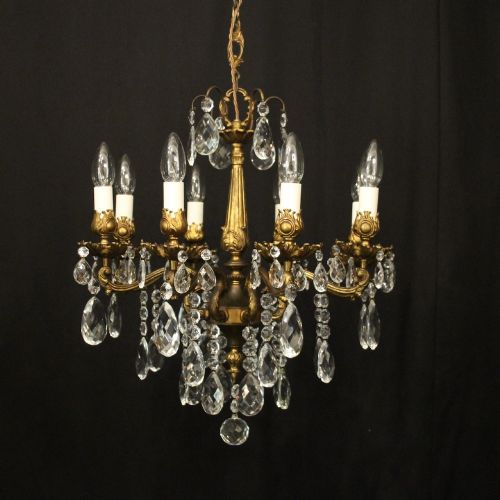
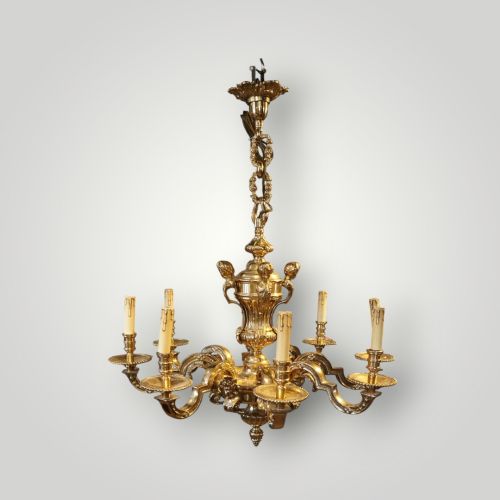
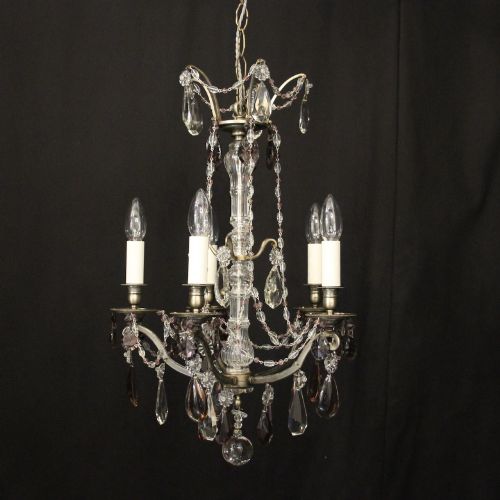
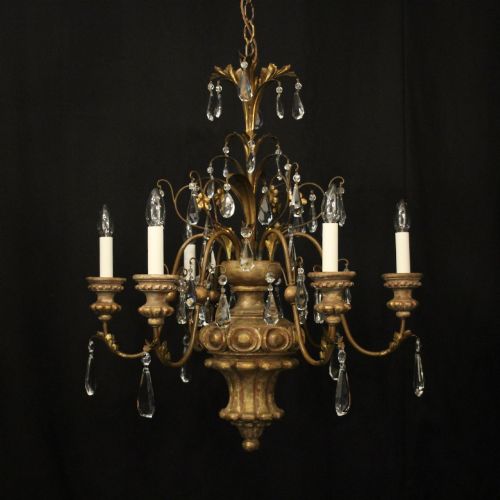
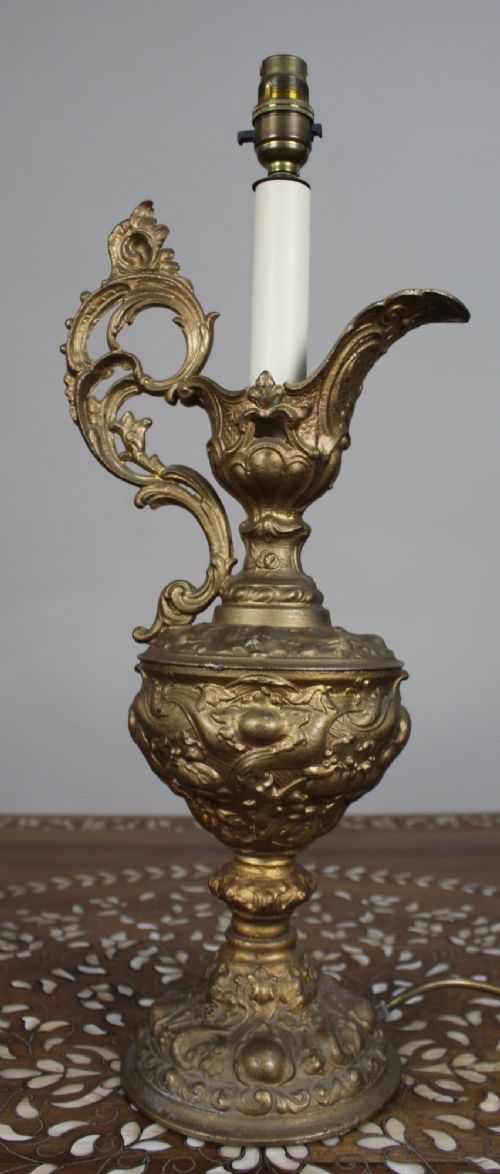
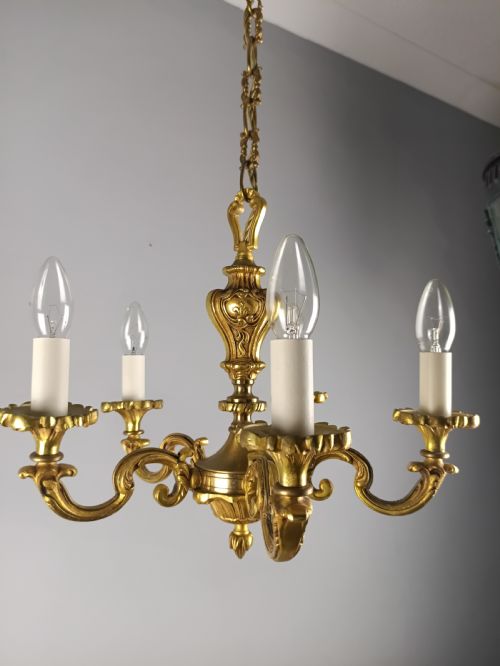
A gilt bronze light fitting encompasses grand chandeliers, hall lanterns, wall sconces and table lamps sourced largely from French traditions. When you search for a gilt bronze light fitting, you encounter pieces designed to hold multiple candles or bulbs while casting complex reflections through glass and crystal components.
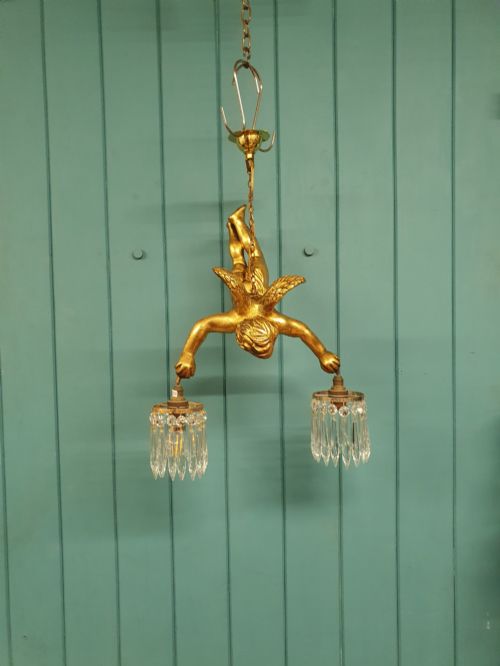
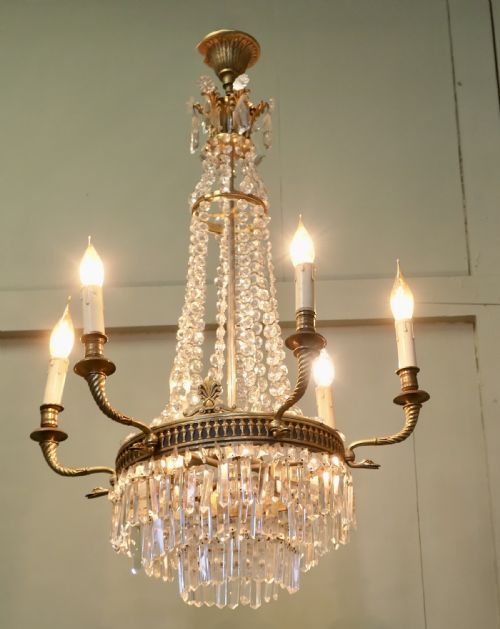
The selections span the nineteenth century through the early twentieth century, taking forms such as the tent and waterfall chandelier, the lyre shape, and the ewer lamp. French Rococo, Empire, and Neoclassical styles dominate the selection, bringing cast metal foliage, cherubs, and urn motifs into domestic spaces.
Chandeliers form the core of the available pieces, often wired for electricity while retaining their original heavy metal frames and crystal drops. Wall lights and paired sconces appear frequently alongside central hanging fixtures, allowing for coordinated illumination across a room.
How they were made
Gilt bronze and ormolu form the structural base of these fittings, cast in sections and chased by hand to define intricate surface details like acanthus leaves and fluting. Gilt brass and gilt metal also appear in the listings, alongside silver-gilded finishes that alter the metal tone from warm gold to a bright silvery lustre.
Cut glass and crystal prisms hang from metal armatures, held by wire pins that allow movement and chime when air passes through the room. Metal components are joined by threaded rods and nuts, permitting complete disassembly for cleaning and rewiring.
Some cherubs hold lights aloft for eternity, proving that even celestial beings are expected to pull their weight during evening dinners.
What varies in quality
The crispness of the metal casting dictates the visual impact of a fitting, separating sharp, hand-chased ornamentation from softer, flatter factory production. Heavy bronze frames provide greater structural integrity than lighter brass or metal alloys, supporting numerous candle arms and crystal drops without sagging.
The presence of cut crystal rather than moulded glass elevates a piece, as does the completeness of the pendant drops and the uniformity of the original gilding across all soldered joints.
G.E.C
The Gilt Bronze Light Fitting Glossary
- Ormolu
- Gilt bronze produced by applying a finely ground high-carat gold-mercury amalgam to a bronze object, which is then fired in a kiln to drive off the mercury. This historical fire-gilding technique yields a durable, matte golden surface.
- Chasing
- The manual refinement of a cast metal surface using small steel punches and hammers. Artisans use this technique to sharpen details, texture backgrounds, and remove casting flaws before gilding.
- Tent and waterfall
- A chandelier design featuring strings of small glass beads gathered into an upper conical canopy that drops outward in overlapping tiers. This arrangement increases light refraction across the ceiling and lower arms.
- Sconce
- A wall-mounted light fixture designed to hold candles or electric lamps, projecting outward on decorative brackets. Pairs of these fixtures are frequently mounted flanking mirrors or mantelpieces.
Gilt Bronze Light Fitting: Frequently Asked Questions
How do I clean a crystal chandelier?
Remove dust with a soft feather duster before wiping individual crystal drops with a diluted solution of distilled water and isopropyl alcohol. Support each prism from beneath while cleaning to prevent strain on the wire fasteners.
Allow components to dry completely in ambient air before reconnecting power to the fixture.
Were these fittings electrified originally?
Most pieces originating from the nineteenth and early twentieth centuries were constructed for candles or gas before being converted for electric bulbs later. Conversion typically involves running insulated flex through the central channel and replacing dummy candle tubes.
Retaining the original metal body while updating the internal wiring allows safe daily use in modern properties.
How do I date a gilt bronze fitting?
Examine the casting quality, fastening methods, and stylistic cues such as Neoclassical urns or Rococo asymmetry. Mid-nineteenth-century pieces often display heavier bronze casting and hand-cut crystal, while 1920s examples may incorporate machine-threaded components alongside traditional forms.
Patina accumulation on hidden surfaces and the composition of wire fixings offer further clues to age.
Can I hang a heavy chandelier safely?
Heavy bronze and crystal fixtures require direct attachment to ceiling joists using a steel fixing hook and appropriate toggle bolts or wood screws. Plaster alone cannot support the combined weight of cast metal and glass.
Consulting a qualified electrician ensures the ceiling structure bears the load safely.