

Gilt Bronze Glass Cabinet
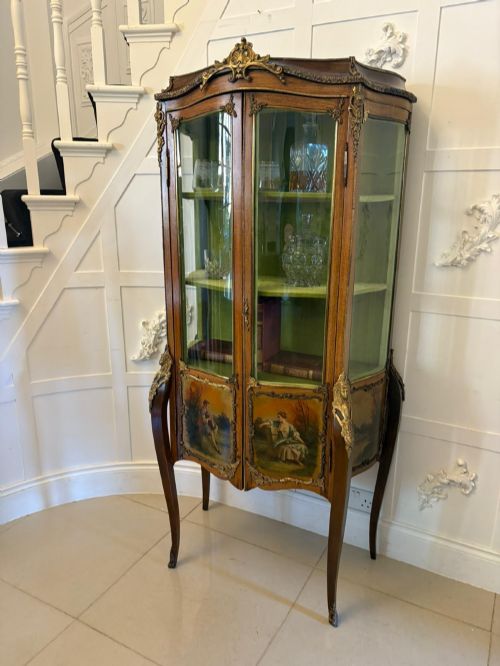
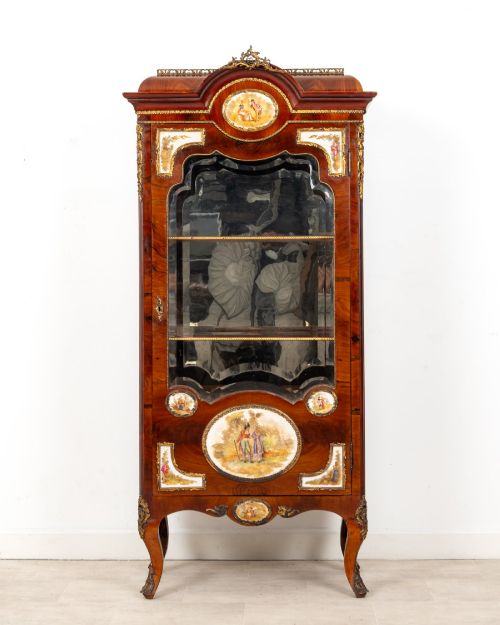
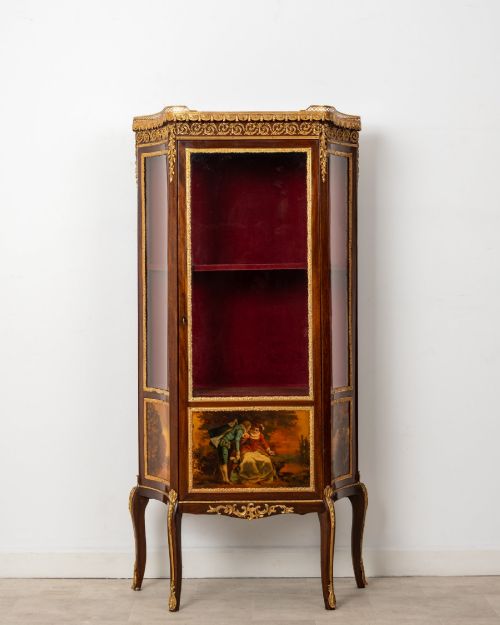
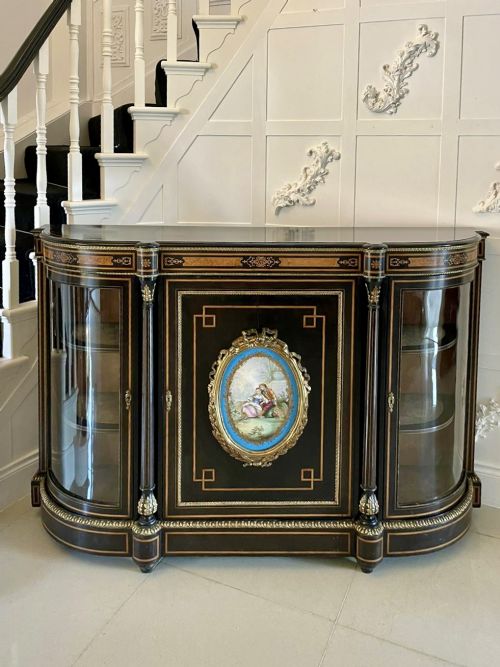
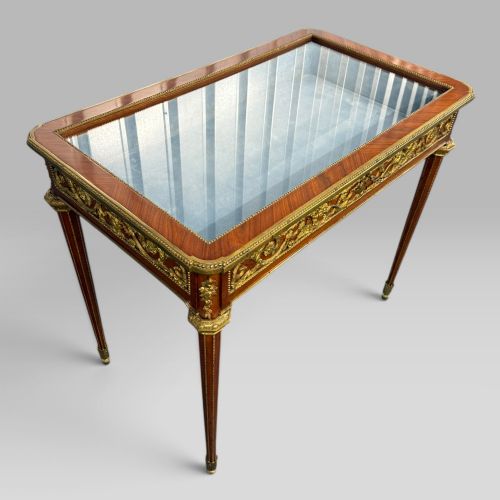
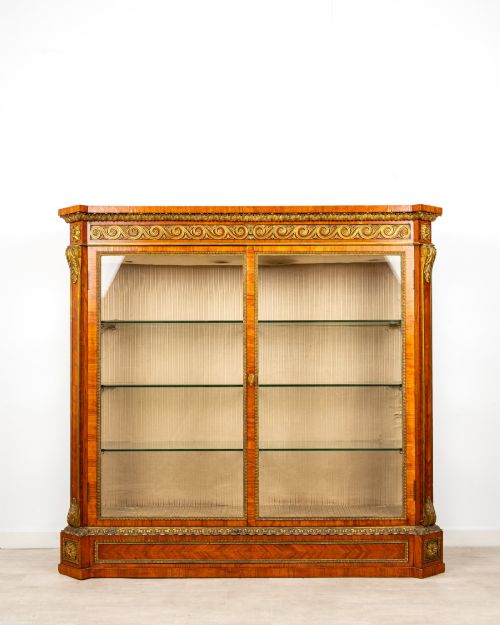
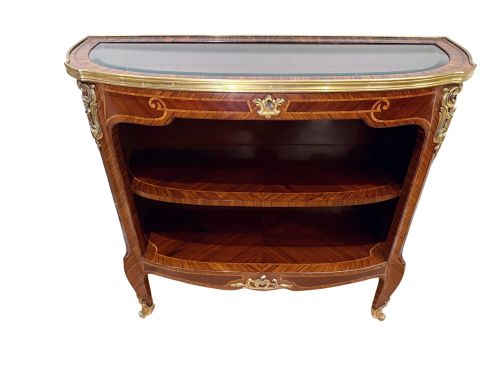
A gilt bronze glass cabinet brings together polished metal mounts and timber display surfaces, offering a clear view for ornaments and porcelain.
Gilt Bronze Glass Cabinet
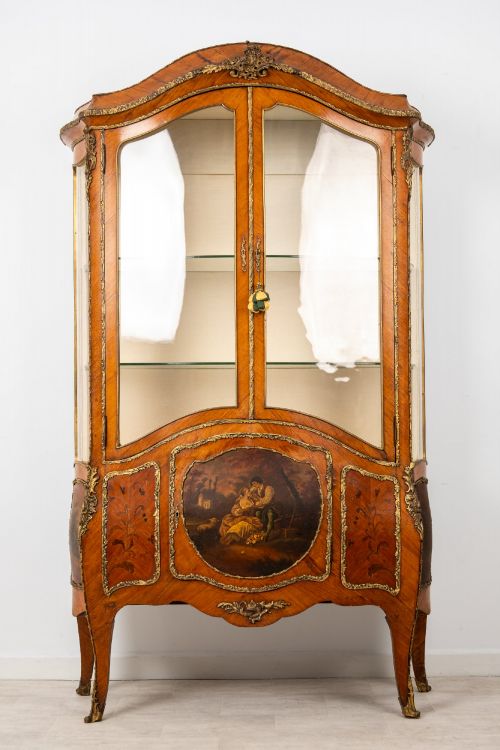
When you search for a gilt bronze glass cabinet, you are looking at nineteenth-century and Edwardian display furniture designed to showcase valuable objects. These pieces originate largely from French and Victorian workshops influenced by Louis XV and Louis XVI revival styles.
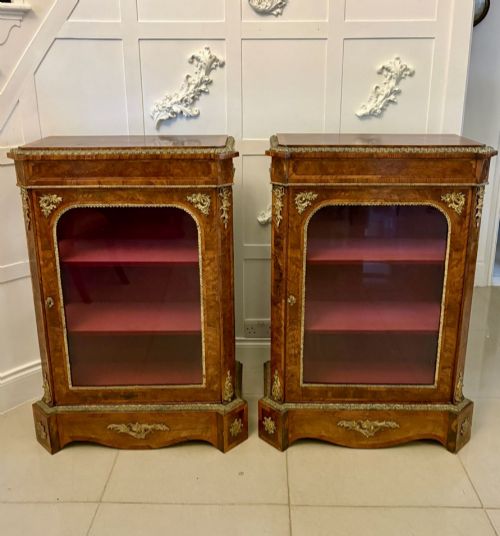
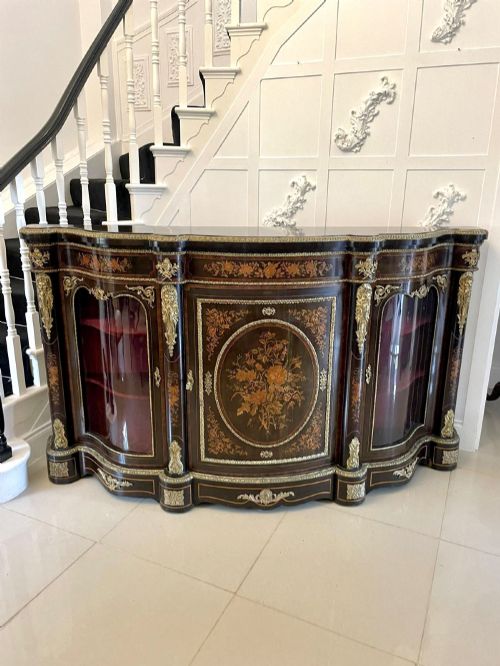
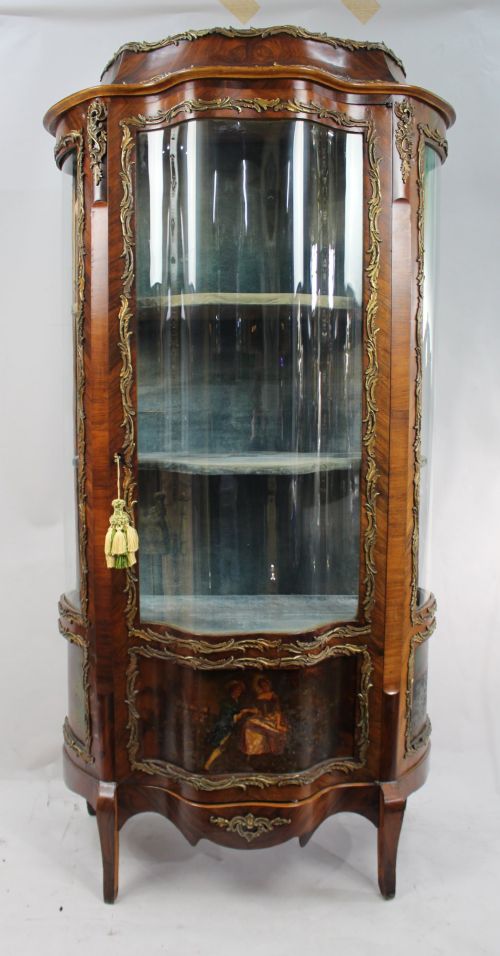
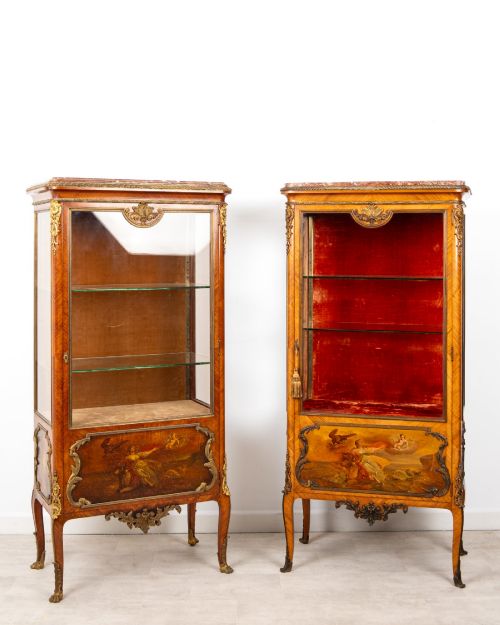
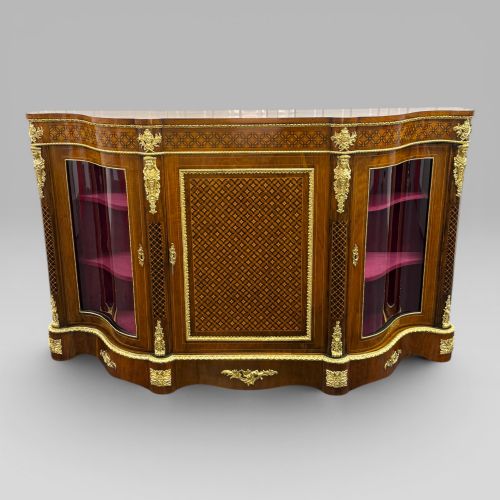
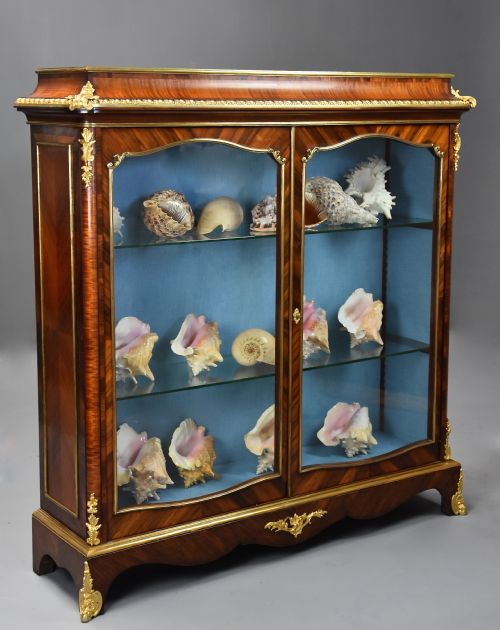
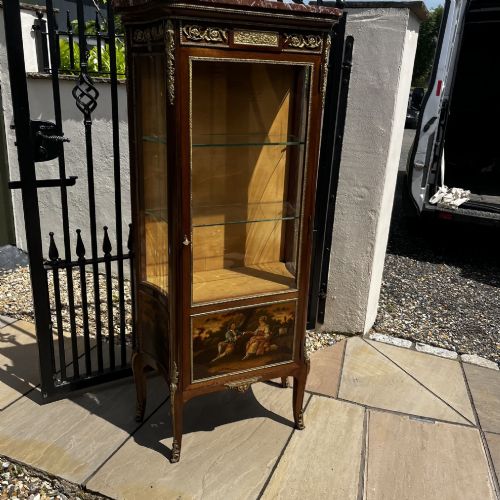
The most common forms on this page include vitrines, pier cabinets, and credenzas fitted with glass panels and metal mounts. They combine wooden cabinetry with glazed doors and internal shelving to exhibit ceramics, books, and curiosities.
Makers frequently employed exotic timbers like kingwood, walnut, and mahogany alongside marquetry and hand-painted panels. This category centres on ornate presentation furniture intended for formal reception rooms.
How they were made
Cabinetmakers constructed carcases using solid timbers veneered with kingwood, walnut, mahogany, or ebonised wood, often enhanced by intricate floral marquetry and parquetry patterns. Surfaces were polished to highlight the natural grain and colour of the wood.
Gilt bronze, or ormolu, mounts were cast, chased, and fire-gilded before being fixed to corners, friezes, and feet. These metal elements complemented the curved glass panels and marble tops found on many French and Victorian pieces.
Gilt Bronze Glass Cabinet Retail Price Guide 2026
Typical asking prices for gilt bronze glass cabinet among the pieces listed under this phrase on Sellingantiques today, from the lower quarter to the upper quarter. They describe what is for sale here now, not the wider market.
Some nineteenth-century makers hid small velvet-lined compartments inside their display cabinets, perfect for secreting away tiny pocket watches or secret love letters.
What varies in quality
The refinement of the ormolu mounts separates standard production from exceptional examples, seen in the crispness of the chasing and the depth of the gilding. Better pieces feature finely detailed bronze work that integrates seamlessly with the cabinet structure.
Construction methods and timber selection also dictate the standard, with superior cabinets utilising well-matched veneers, delicate marquetry, and shaped serpentine fronts. The precision of the joinery and the integration of marble tops reflect the skill of the original workshop.
H. J. Hatfield & Sons·Maison Gagneau·G. Durand·François Linke·Paul Sormani
The Gilt Bronze Glass Cabinet Glossary
- Ormolu
- Gilt bronze mounts used as decorative enrichment on furniture and clocks. These metal ornaments are cast and chased before receiving a gold-mercury amalgam finish.
- Vitrine
- A glass-fronted display cabinet designed for showing porcelain, silver, and curiosities. They often feature glazed sides to maximise light inside the display chamber.
- Vernis Martin
- A simulated Japanese lacquer technique developed in France, featuring painted pastoral scenes under a clear varnish. It frequently appears on panels of eighteenth- and nineteenth-century display furniture.
- Marquetry
- Inlaid wood pieces arranged to form decorative patterns and pictorial designs on furniture surfaces. Craftsmen use various contrasting timbers to create floral or geometric motifs.
- Pier cabinet
- A narrow cabinet designed to stand against the wall space between windows. These pieces often incorporate glazed doors and ormolu mounts.
- Credenza
- A low sideboard or cabinet featuring cupboards and sometimes central display sections. Originating in Italy, the form evolved in Victorian and French revival interiors.
Gilt Bronze Glass Cabinet: Frequently Asked Questions
What is a gilt bronze glass cabinet used for?
These cabinets were built to display prized collections of ceramics, glass, and small decorative objects in drawing rooms and reception spaces. The glass panels and internal shelves allowed owners to exhibit their possessions safely while protecting them from dust.
In period interiors, they functioned as focal points for conversation and social display. Today, they serve a similar purpose in modern homes, housing curated collections behind glass doors.
How do I identify French revival styles?
French revival pieces draw heavily on the curves of Louis XV and the neoclassical symmetry of Louis XVI. Look for serpentine fronts, cabriole legs, and extensive floral marquetry paired with gilt bronze mounts.
Many of these cabinets date from the nineteenth century when European makers revived earlier court styles. The use of kingwood, Vernis Martin panels, and marble tops further points toward French-influenced design.
Are these cabinets suitable for modern homes?
Gilt bronze and glass furniture fits well into traditional and contemporary interiors as statement display pieces. Their slender proportions and reflective glass surfaces help brighten rooms while providing practical storage.
Placing them away from direct sunlight protects delicate wood veneers and historic finishes. They offer a secure way to exhibit glassware, books, and ornaments.
How do I care for ormolu and wood surfaces?
Dust wood and metal components regularly with a soft, dry cloth to prevent the buildup of grime. Avoid using harsh chemical cleaners or abrasive polishes that can damage the gilt bronze or historic timber finishes.
Maintaining stable room humidity prevents the wood from warping and protects the veneer. Gentle cleaning preserves the natural patina developed over the centuries.