




Gilt Bronze Box
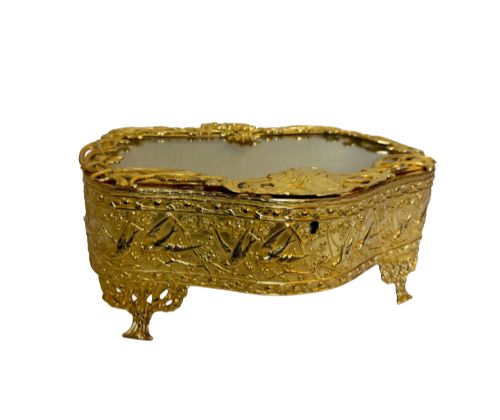
When you search for a gilt bronze box, you are looking at substantial metalwork containers designed to hold jewellery, trinkets or correspondence.
Gilt Bronze Box
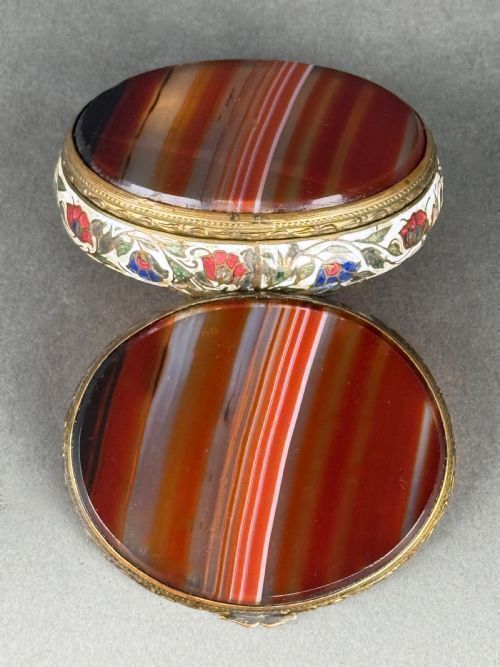
A gilt bronze box encompasses a variety of lidded containers, from small pill boxes and jewellery caskets to larger stationery boxes and music boxes. The pieces appearing in these listings frequently date from the nineteenth century, drawing on French styles such as Rococo Revival, Empire and Napoleon III.
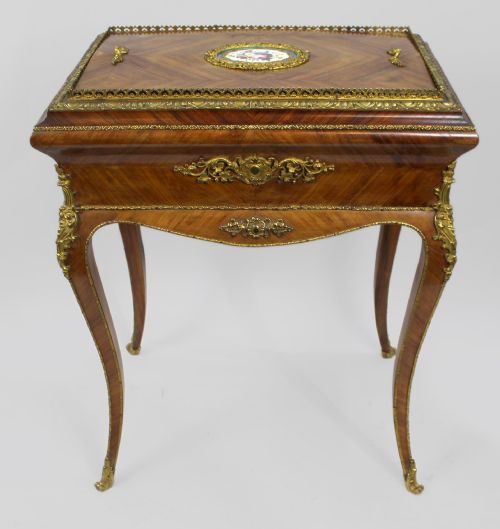
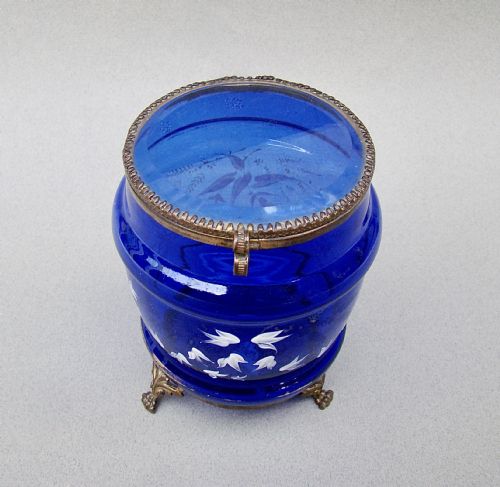
Makers often combined the cast metal frames with contrasting elements like Sevres porcelain, Limoges enamel, coloured glass and carved stone. These objects served both a decorative and a utilitarian purpose in period interiors, acting as safe repositories for personal treasures on dressing tables and desks.
Materials and construction
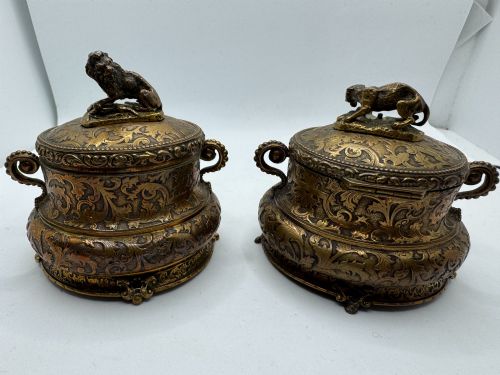
The foundation of these pieces relies on bronze or brass treated with ormolu, a technique applying finely ground high-carat gold to a bronze base using mercury amalgamation or electroplating. Artisans cast the metal mounts with elaborate scrollwork, floral motifs and figural details before hand-chasing the surfaces to sharpen the cast definition.
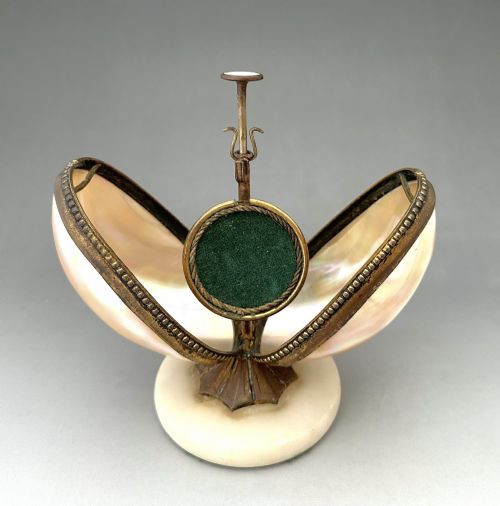
Makers integrated fragile secondary materials into the heavy metal armatures, securing glass, porcelain panels, mother-of-pearl and onyx with precision fitted bezels, hinges and lock plates.
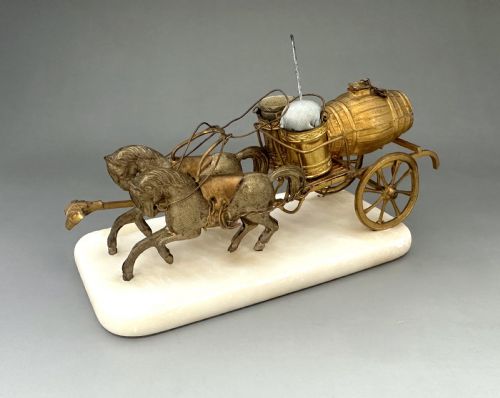
A few exceptional nineteenth-century novelties depict horse-drawn carriages and miniature coaches as functioning trinket boxes.
Distinctions in quality
The caliber of a gilt bronze box depends heavily on the crispness of the metal chasing and the integration of its decorative panels. Superior examples exhibit deep, sharply articulated casting that retains hand-tooled detail in the foliage and figures, whereas inferior versions rely on softer, shallower casts with visible seam lines.
Victor Raulin·Tahan·Houghton
The Gilt Bronze Box Glossary
- Ormolu
- A golden-coloured surface finish applied to bronze objects, widely utilised in French decorative arts during the eighteenth and nineteenth centuries. The term derives from the French phrase indicating ground gold.
- Casket
- A decorative box or chest intended for holding valuables, jewellery or documents. These containers often feature fitted velvet or silk interiors.
- Sevres
- Porcelain produced by the historic French factory, known for painted panels inset into metal mounts. Genuine pieces often bear factory marks on the reverse of the ceramic.
- Champlevé
- An enamelling technique where troughs are carved into the metal surface and filled with vitreous paste before firing. This method creates vibrant, patterned colour fields across the metal body.
- Jardiniere
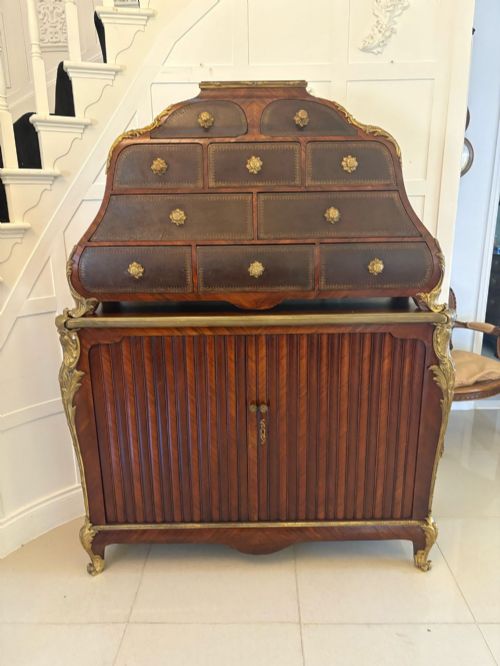
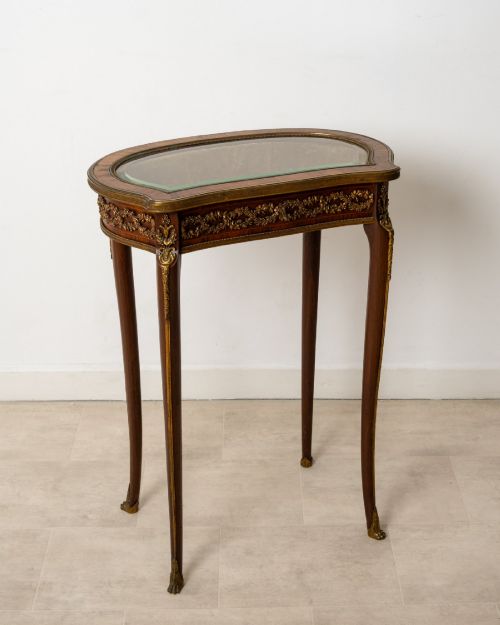
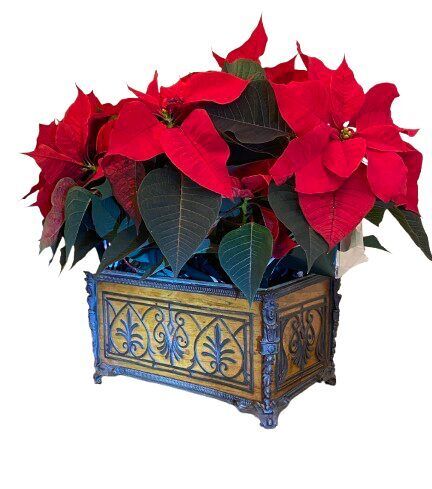
- An ornamental stand or receptacle designed to hold plants or flowers, frequently sharing the gilt metal mounts and wooden carcasses found on large boxes.
Gilt Bronze Box: Frequently Asked Questions
What were gilt bronze boxes used for?
These containers held precious items such as rings, necklaces, stamps, calling cards and documents. Wealthy owners kept them on boudoir dressing tables, salon desks or drawing-room mantelpieces.
Many contained fitted compartments, velvet linings, or removable trays designed to separate delicate trinkets and protect them from damage.
How do you date a gilt bronze box?
Dating relies on stylistic clues, manufacturing techniques, and any maker marks stamped onto the bronze frame or lock plate. Pieces from the mid to late nineteenth century often reflect revival styles like Louis XV or Napoleon III.
Examining the construction of the hinges, screws and glass bevelling also helps establish the period of manufacture.
What is the difference between ormolu and gilt brass?
Ormolu specifically denotes a gold-mercury amalgam or high-grade gilding applied to a bronze substrate, producing a rich and durable golden lustre. Gilt brass uses a different copper-zinc alloy base and often a simpler plating process.
Bronze generally allows for sharper cast details and heavier, more substantial walls than brass.
How should I clean a gilt bronze box?
Cleaning should be minimal, restricted to dusting with a soft, dry brush or microfiber cloth to remove surface grime. Avoid abrasive metal polishes, chemical dips, or water, as these can strip the delicate gold finish.
Preserving the natural patination maintains the historical integrity and visual depth of the metal.