


Gilt Brass Vase Lamps
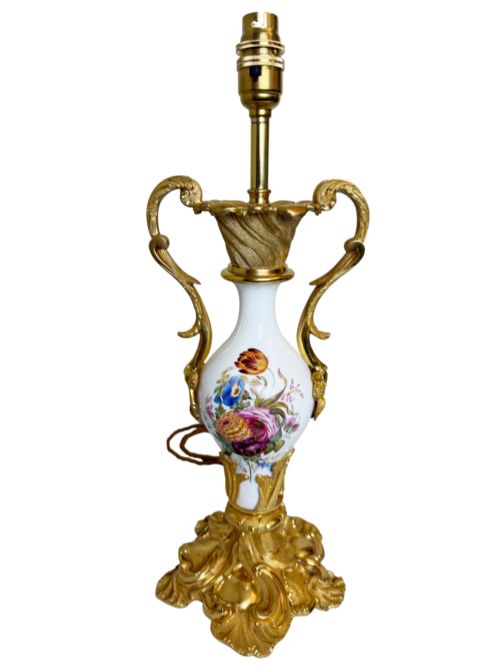
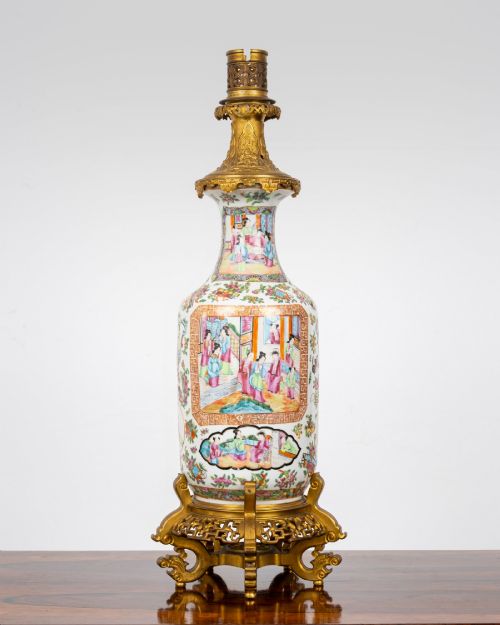
These gilt brass vase lamps combine converted antique vessels with metal mounts to illuminate interiors with striking colour.
Gilt Brass Vase Lamps
Most examples originate from conversions where historic vases received metal mountings and electrical fittings. These hybrid objects bridge ornamental pottery and functional domestic lighting.
The assortment spans diverse aesthetics, including Japanese Imari, Chinese export styles, and French Rococo Revival designs. Buyers encounter both single statement lamps and symmetrical pairs.
Materials and construction methods
The foundational vessels utilise porcelain, cloisonne enamel, and pottery, often hand-painted or enamelled in intricate palettes. Makers then integrated gilt bronze, gilt metal, and brass mounts to secure the base and stem.
Artisans adapted existing vases by drilling the ceramic or metal body to run internal wiring while preserving the exterior decoration. Ormolu and gilt brass components were cast and chased to complement the decorative motifs of the original vessel.
Listings feature porcelain, cloisonne enamel, and pottery paired with gilt brass and bronze mounts.
Assessing quality in mounted lamps
Quality rests primarily on the integrity and age of the underlying vessel, whether hand-painted Paris porcelain or nineteenth-century Chinese cloisonne. Finer examples display crisp enamel work, detailed hand-painting, and heavy, well-chased metal mounts rather than light stamped brass.
The success of the conversion also dictates value, with superior pieces retaining the harmonious proportions of the original vase. Expert mounting respects the antique ceramic without causing undue damage during the adaptation process.
The Gilt Brass Vase Lamps Glossary
- Cloisonne enamel
- A metalwork technique where fine wires form compartments on a vessel body, which are then filled with coloured paste and fired. This method creates vibrant, patterned surfaces often seen on Asian vases.
- Ormolu
- Gilt bronze applied to furniture, clock cases, and decorative mounts during the eighteenth and nineteenth centuries. The technique involves a mercury amalgam to bond gold to a bronze base.
- Paris porcelain
- Ceramics produced by various independent factories in and around Paris during the eighteenth and nineteenth centuries. These pieces are celebrated for their fine painting and rich gilding.
- Imari
- Japanese export porcelain decorated in underglaze blue, iron red, and gold. This distinct palette was widely imitated in European factories.
- Sang de bouf
- A rich, deep red copper-glazed porcelain developed in China and later emulated by European potteries. The glaze produces subtle tonal variations across the curved surface of the vase.
Gilt Brass Vase Lamps: Frequently Asked Questions
Are these lamps supplied with shades?
Most antique lamps are sold as bases only, allowing owners to select fabric shades that suit their specific interior scheme. Silk and textured textiles are traditional choices that complement the metallic mounts.
When selecting a shade, consider the proportions of the vase body and the height of the brass hardware. A well-proportioned shade balances the visual weight of the ceramic base.
Can I use these lamps on a desk?
Many of these pieces function effectively as accent lighting on side tables or mantelpieces rather than direct task lighting. Their decorative presence usually dictates placement where the detailed porcelain or enamel can be admired.
Ensure the surface is stable and can support the weight of heavier ceramic and metal combinations. Positioning them away from high-traffic areas protects the delicate hand-painted decoration.
How do I date these conversions?
Dating relies on examining the manufacturing traits of the underlying vase, such as the paste of the porcelain or the style of the cloisonne wirework. Nineteenth-century French and Chinese examples often display distinct decorative markers typical of their specific periods.
The metal mounts and any remaining wiring hardware also provide clues to the era of conversion. However, many historic vases were mounted long after their initial manufacture.