

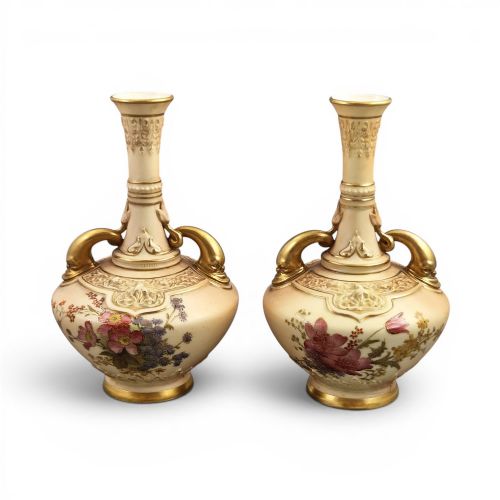


Gilt Blush Ivory Vase
A gilt blush ivory vase brings a soft, creamy porcelain body and gleaming gold decoration straight to a mantelpiece.
Gilt Blush Ivory Vase
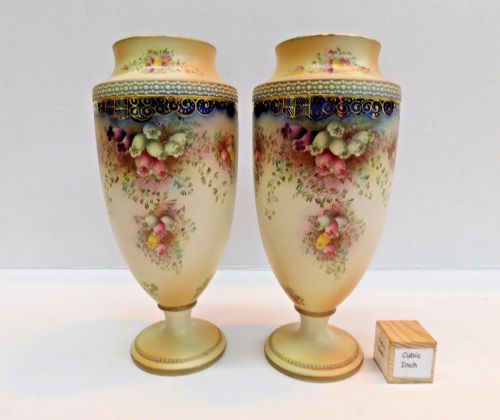
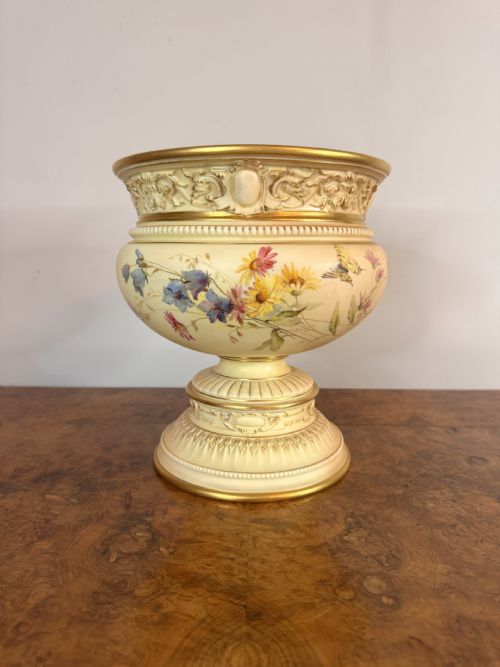
A gilt blush ivory vase combines delicate porcelain with a pale, tinted background and rich gold detailing. These decorative pieces emerge primarily from the late nineteenth and early twentieth centuries, spanning the Victorian and Edwardian eras.
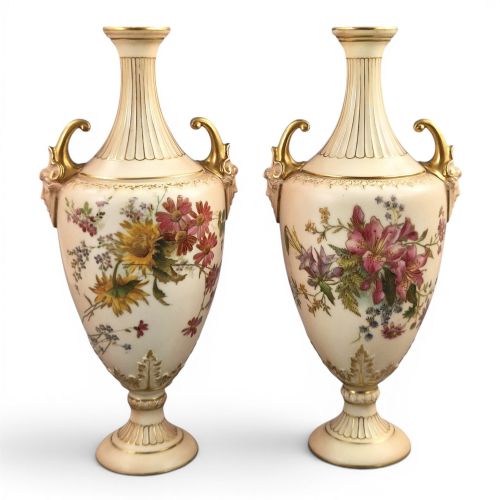
Most examples found here take the form of traditional vases, ewers, and loving cups rather than utilitarian vessels. They are collected for their hand-painted floral motifs and ornamental handles, often shaped as dolphins or pierced gilt designs.
Makers of these items produced pairs as well as individual vessels, utilising soft pastel glazes that contrast sharply against bright gilding. The aesthetic leans heavily into nineteenth-century decorative styles, showing the distinct influence of the Victorian period.
How they were made
Potters shaped these vessels using fine ceramic porcelain, applying a distinctive soft-tinted glaze known as blush ivory to the surface. This matte or semi-matte background provided a neutral canvas for subsequent artistic work.
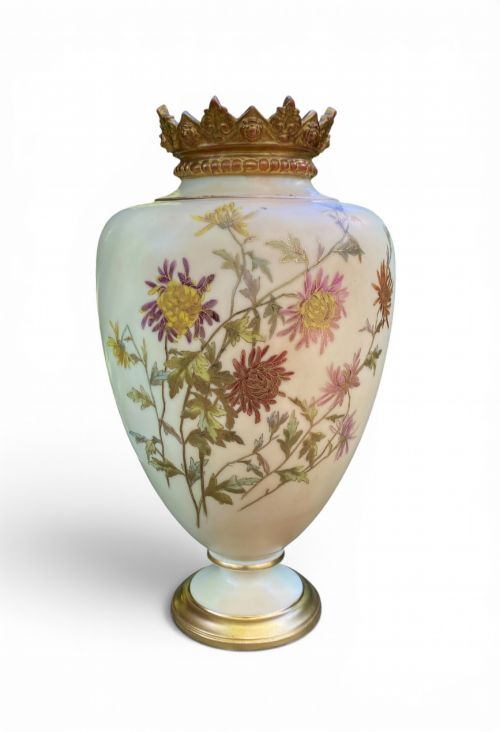
Painters decorated the pieces by hand, often adding floral subjects like chrysanthemums before applying gold leaf, enamel, and heavy gilding. Firing fixed the colours and the metal highlights to the ceramic body, creating a durable finish.
Gilt Blush Ivory Vase Retail Price Guide 2026
Typical asking prices for gilt blush ivory vase among the pieces listed under this phrase on Sellingantiques today, from the lower quarter to the upper quarter. They describe what is for sale here now, not the wider market.
Listings here span the 1880s to the 1920s, taking in the Victorian, Late Victorian, and Edwardian periods alongside Victorian Aesthetic Movement styles.
What varies in quality
The crispness of the gilding and the preservation of the enamel work determine the distinction between ordinary production and finer examples. Well-preserved porcelain bodies with intact gold leaf represent the upper tier of these pieces.
Royal Worcester
The Gilt Blush Ivory Vase Glossary
- Blush ivory
- A soft, creamy ceramic glaze developed to mimic the look of unglazed Parian ware while accepting overglaze colours. It forms the pale background typical of these pieces.
- Gilding
- The application of gold leaf or gold paint to the surface of porcelain. It highlights handles, rims, and floral details.
- Ewer
- A large jug with a wide spout and a shaped handle, often produced as a decorative vessel or paired with basins. Many examples function strictly as ornaments.
- Pot pourri
- A decorative jar or vessel with a pierced lid designed to hold dried scented plant material. These containers often feature matching floral painting and gilt handles.
- Loving cup
- A large drinking vessel with two or more handles, used historically for communal toasts. In this context, it appears as an ornamental ceramic piece.
Gilt Blush Ivory Vase: Frequently Asked Questions
What is a gilt blush ivory vase?
A gilt blush ivory vase is a ceramic decorative vessel featuring a soft, pale porcelain background combined with hand-painted details and gold leaf highlights. These items date primarily from the late Victorian and Edwardian periods.
They were produced mainly for display on mantelpieces and in cabinets rather than for holding flowers. The combination of pastel glazes and bright gilding defines their appearance.
How do I date these vases?
Dating relies on the styles, periods, and any factory marks recorded on the ceramic base. The listings here span from the 1880s through to the 1920s, covering Victorian and Edwardian eras.
Stylistic clues such as Aesthetic Movement influences or specific floral painting techniques also help place a piece within its correct decade.
Were these vases meant for flowers?
Many of these vessels functioned purely as decorative ornaments for the home rather than as functional flower holders. Forms like ewers, loving cups, and pierced pot pourri jars were designed to be displayed on their own.
Their delicate hand-painted surfaces and elaborate gilt handles meant they served as parlour showpieces.
How do I care for my vase?
Care involves keeping the porcelain clean with a soft, dry cloth to protect the delicate enamel and gold leaf. Avoid using water or chemical cleaners that might damage the blush ivory glaze.
Displaying the vessel away from direct sunlight helps preserve the hand-painted colours and the brightness of the gilding over time.